







Question: 1 ffA function g is given. Identify the parent function. Then use the steps for graphing multiple transformations of functions to list, in order, the
1
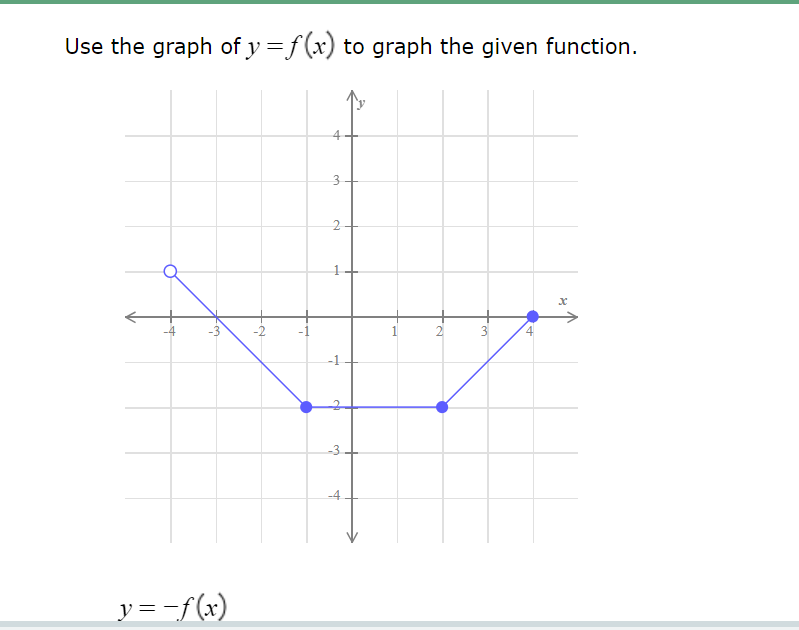
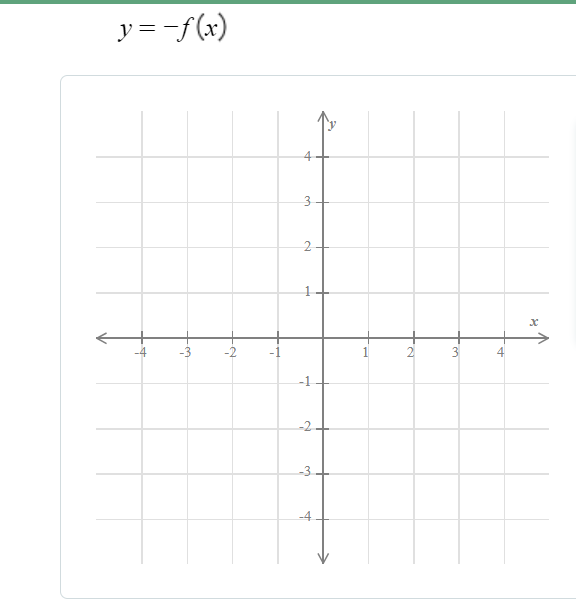
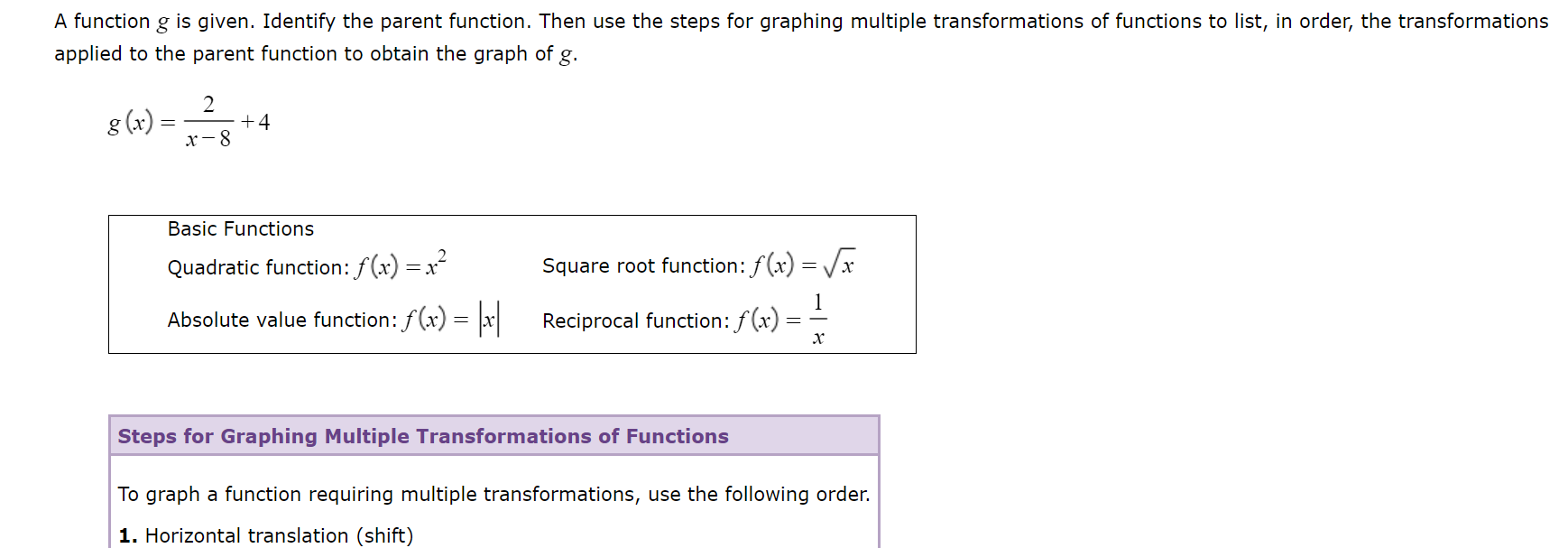
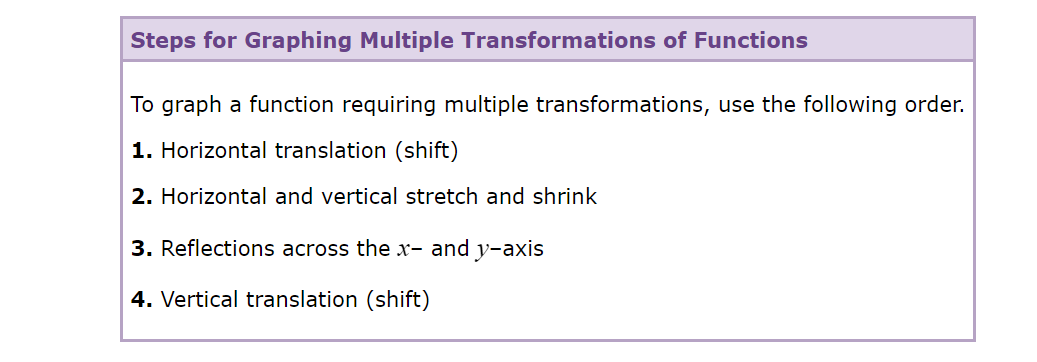
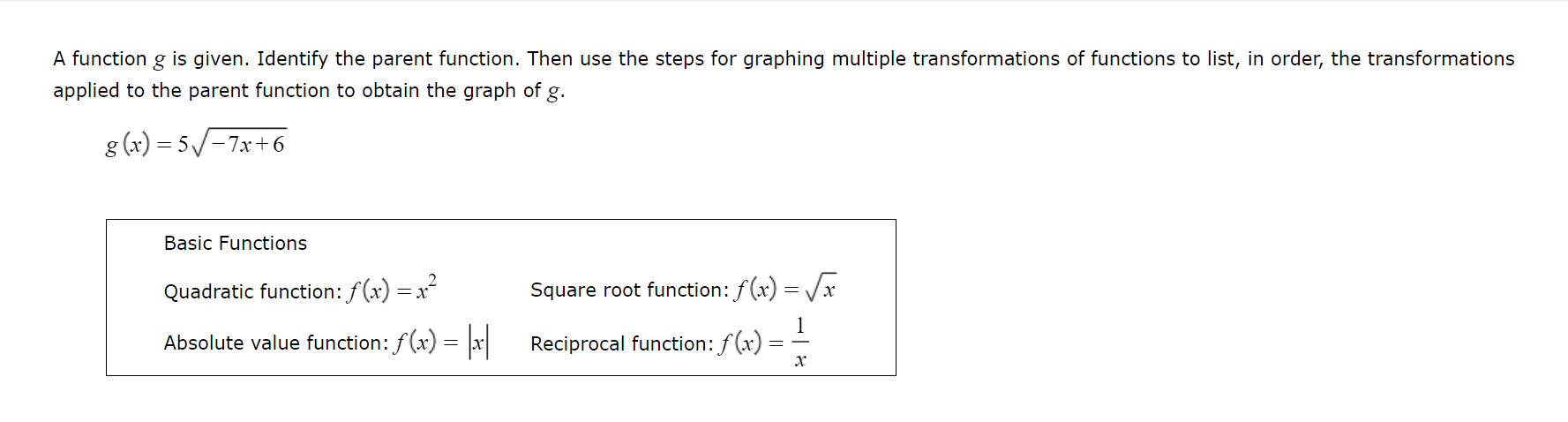
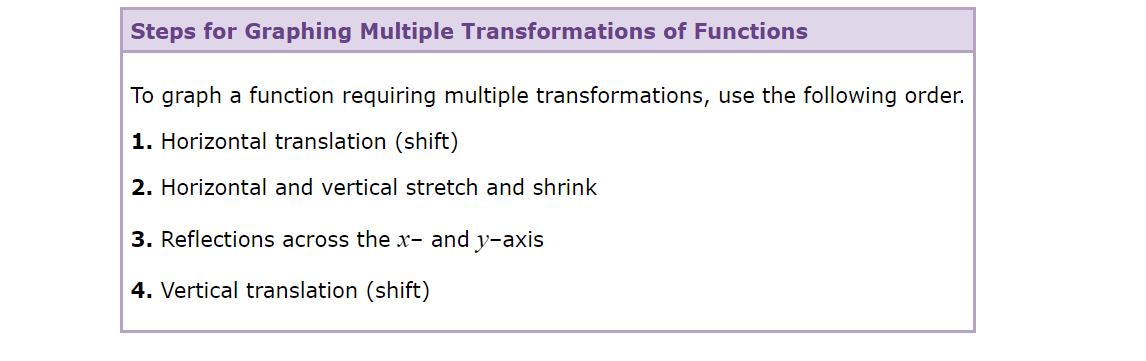
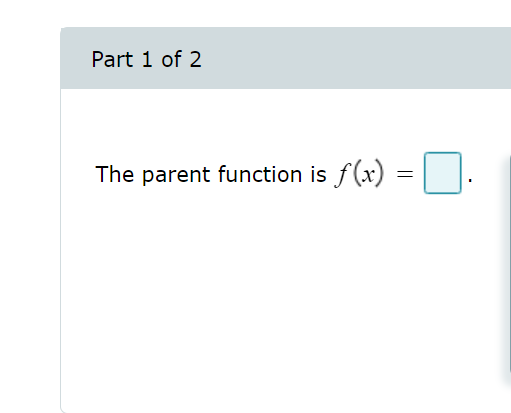
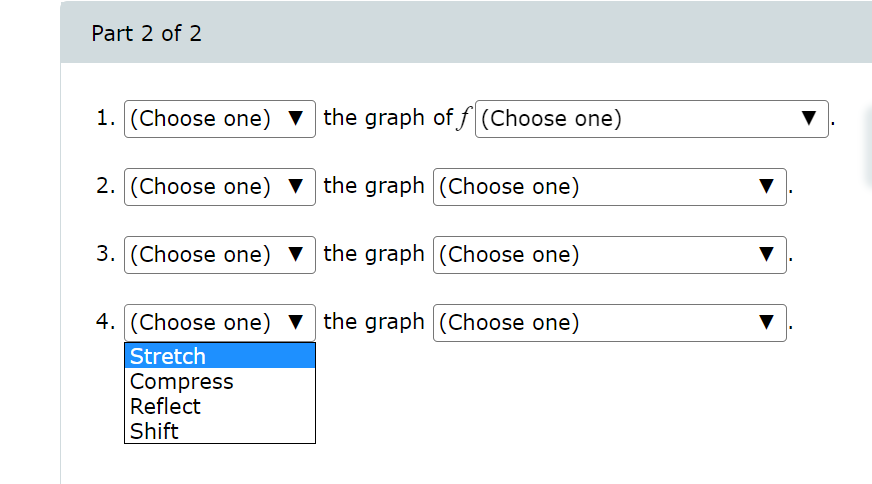
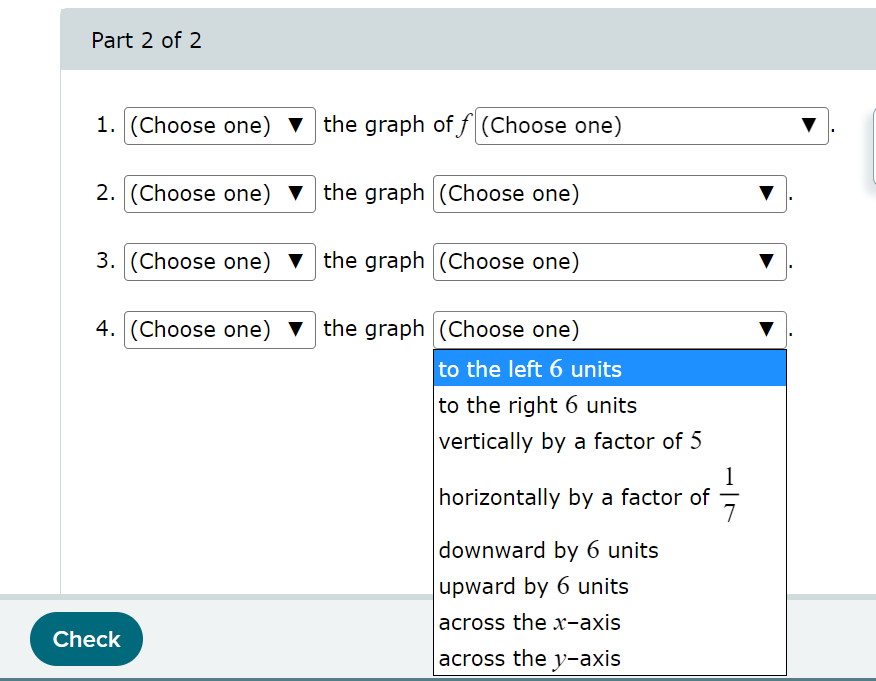
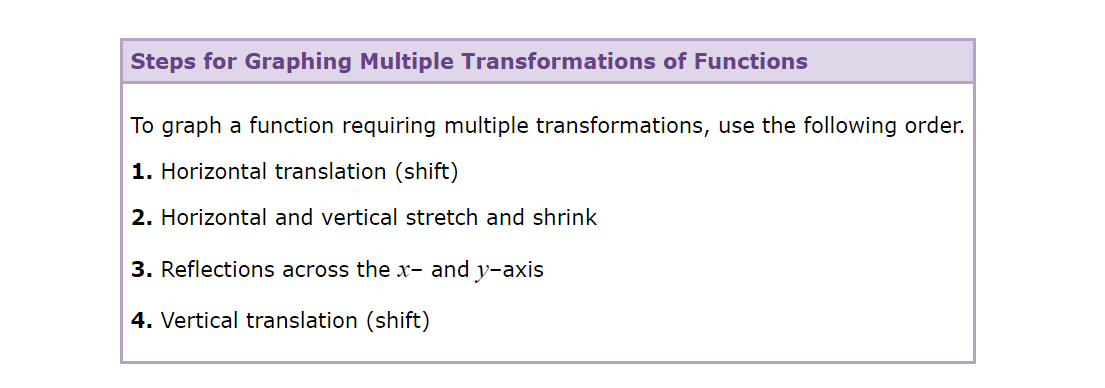
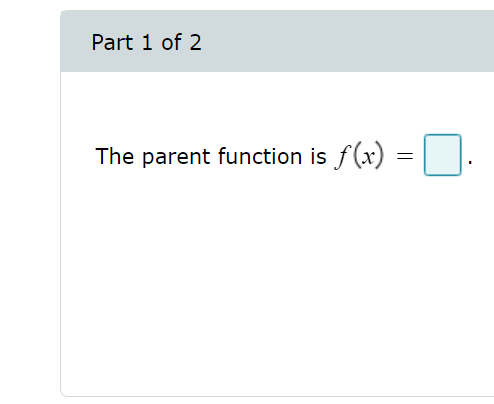
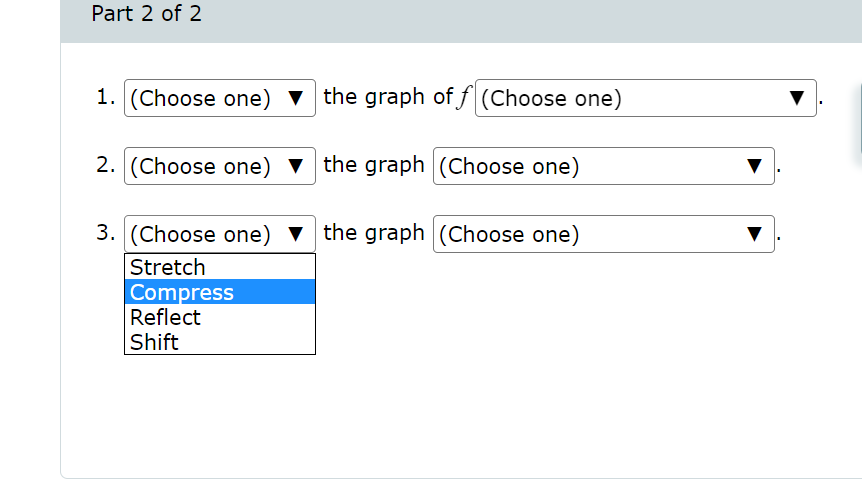
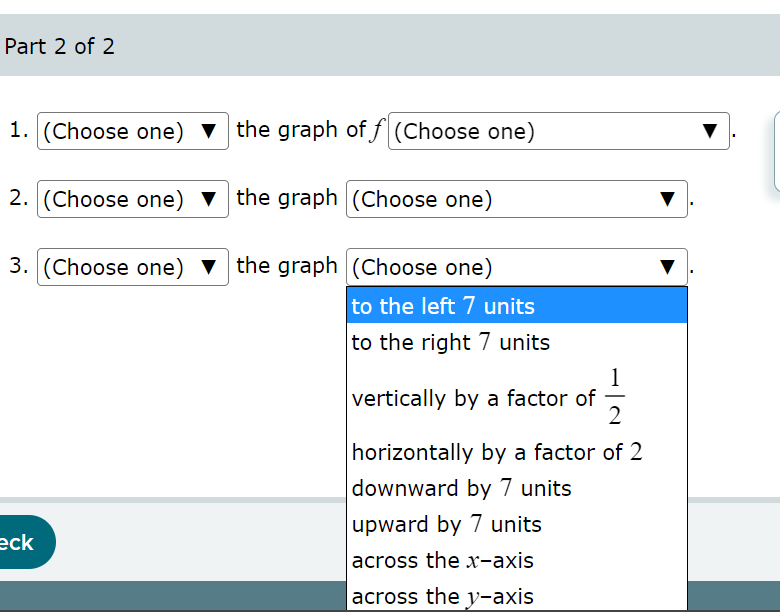
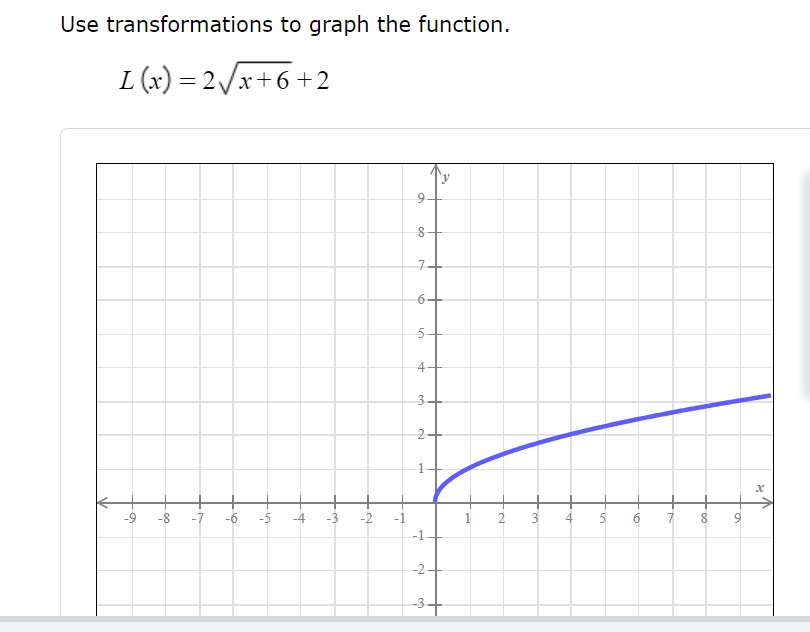
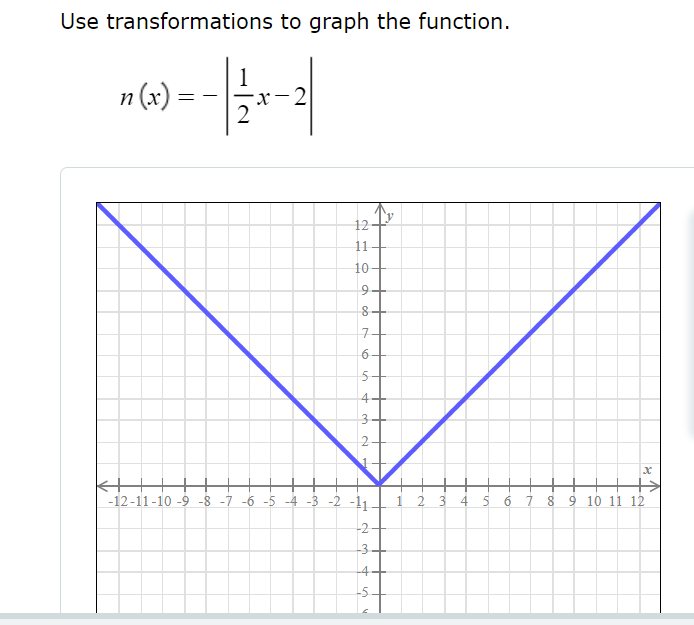
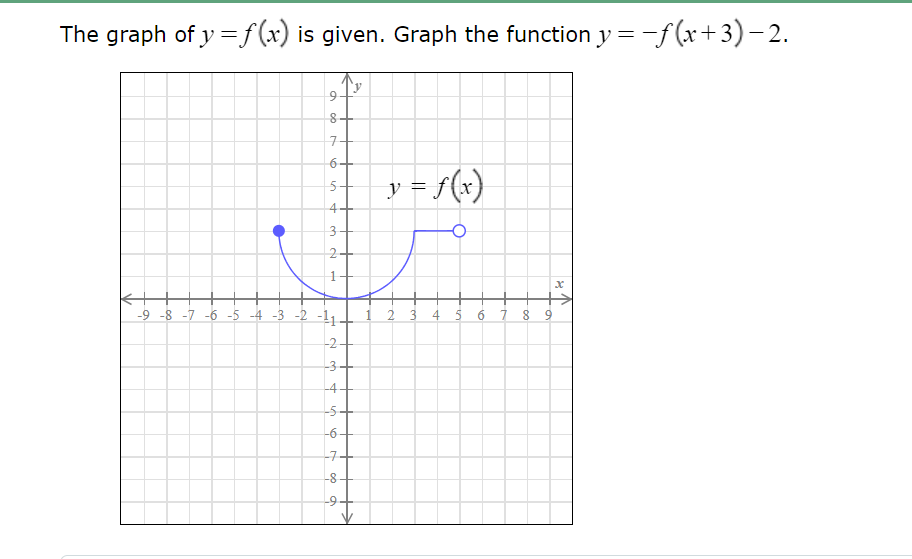
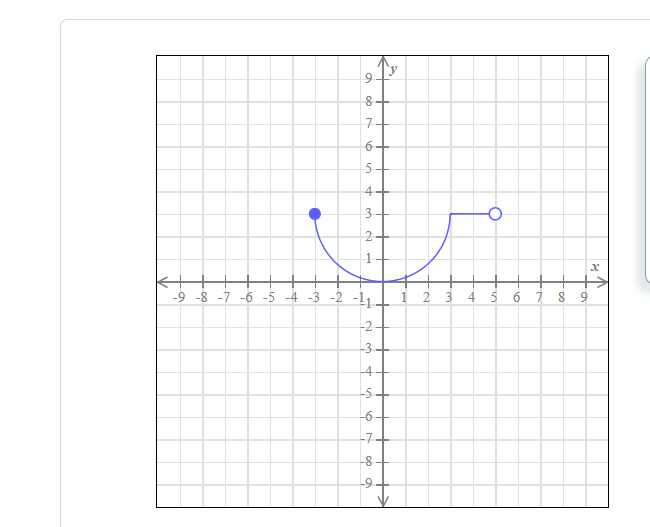
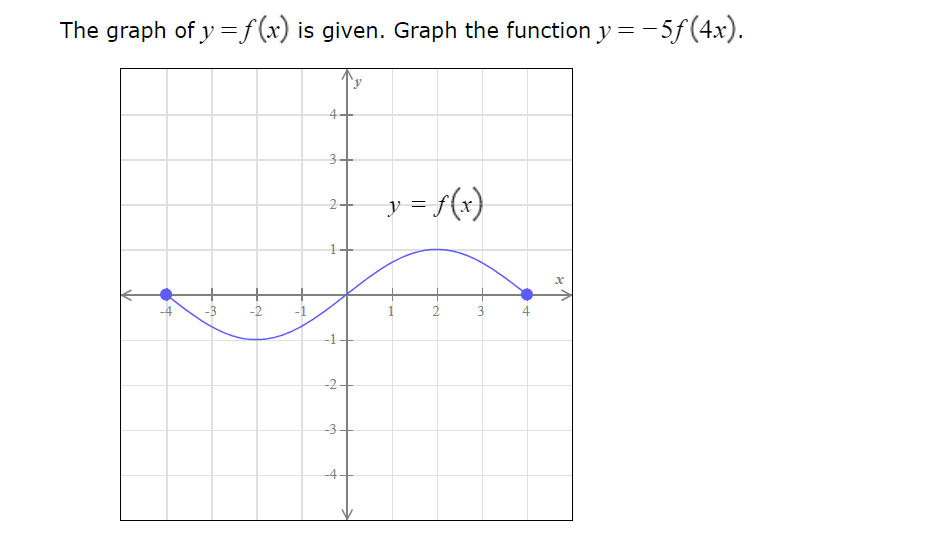
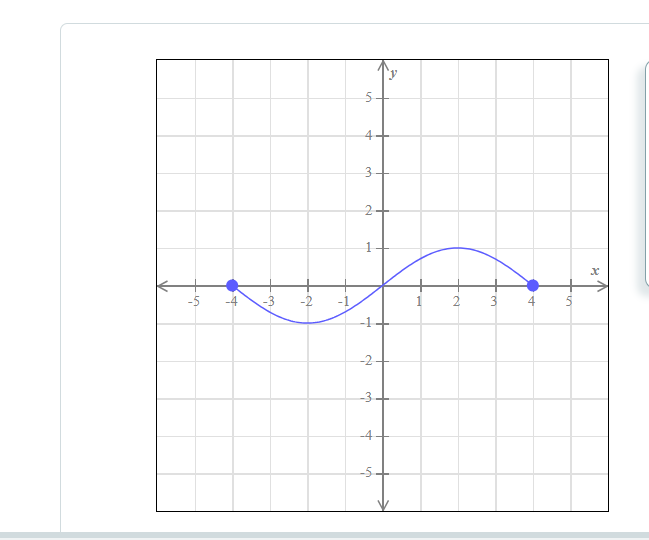
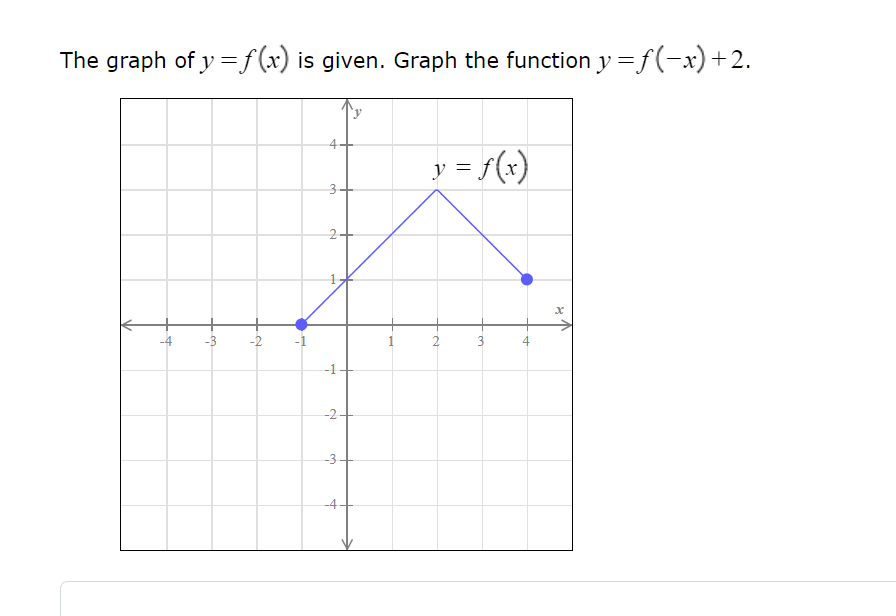
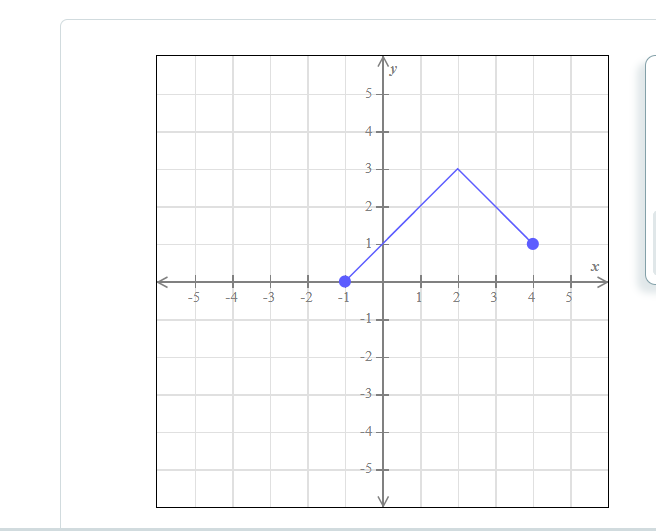
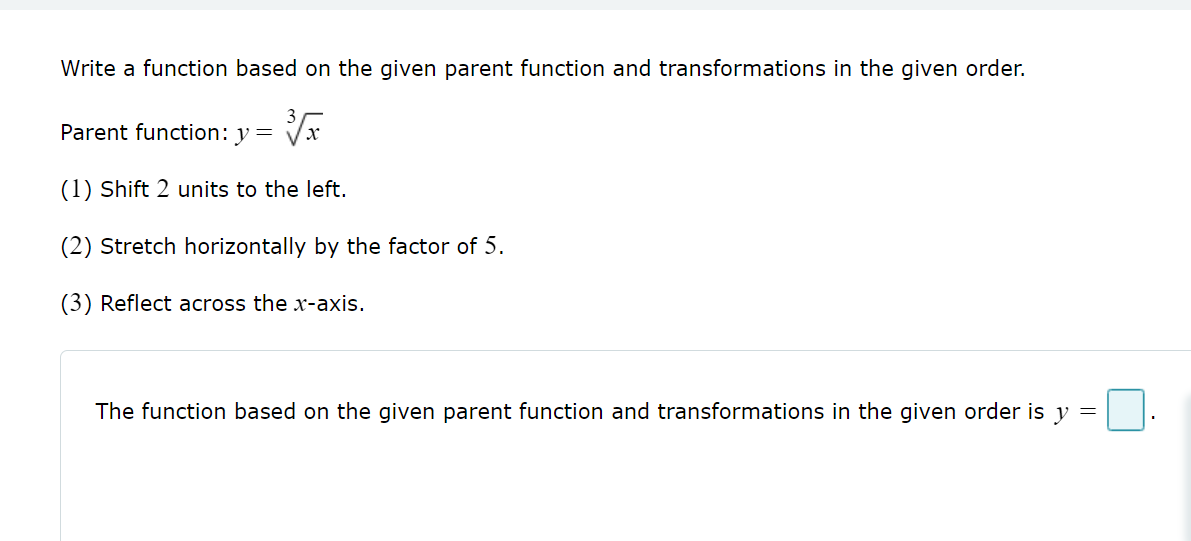
\f\fA function g is given. Identify the parent function. Then use the steps for graphing multiple transformations of functions to list, in order, the transformations applied to the parent function to obtain the graph of g. 2 x8 +4 TE Basic Functions Quadratic function: f(\\) :xz Square root function:f(x) = \\/: 1 Absolute value function:f(x) = |\\| Reciprocal function:f(x) = T Steps for Graphing Multiple Transformations of Functions To graph a function requiring multiple transformations, use the following order. 1. Horizontal translation (shift) Steps for Graphing Multiple Transformations of Functions To graph a function requiring multiple transformations, use the following order. 1. Horizontal translation (shift) 2. Horizontal and vertical stretch and shrink 3. Reflections across the x- and y-axis 4. Vertical translation (shift) \fPart 2 of 2 1. "(Choose one) V ' the graph off"(Choose one) 2. "(Choose one) ' the graph "(Choose one) 3. "(Choose one) ' the graph "(Choose one) A function g is given. Identify the parent function. Then use the steps for graphing multiple transformations of functions to list, in order, the transfermations applied to the parent function to obtain the graph of g. g(x) ZSm Basic Functions Quadratic function: f(x) =x Square root function: f(\\) = \\/: 1 Absolute value function:f(x) = '\\| Reciprocal function:f(,\\') = Steps for Graphing Multiple Transformations of Functions To graph a function requiring multiple transformations, use the following order. 1. Horizontal translation (shift) 2. Horizontal and vertical stretch and shrink 3. Reflections across the x- and y-axis 4. \\ertical translation (shift) Part 1 of 2 The parent function is f(x) =Part 2 of 2 1. (Choose one) V the graph of f (Choose one) 2. (Choose one) the graph (Choose one) 3. (Choose one) the graph (Choose one) 4. (Choose one) the graph (Choose one) Stretch Compress Reflect ShiftPart 2 of 2 1. (Choose one) V the graph of f (Choose one) 2. (Choose one) V the graph (Choose one) 3. (Choose one) the graph (Choose one) 4. (Choose one) V the graph (Choose one) to the left 6 units to the right 6 units vertically by a factor of 5 horizontally by a factor of downward by 6 units upward by 6 units across the x-axis Check across the y-axisSteps for Graphing Multiple Transformations of Functions To graph a function requiring multiple transformations, use the following order. 1. Horizontal translation (shift) 2, Horizontal and vertical stretch and shrink 3. Reflections across the x- and y-axis 4. Vertical translation (shift) \fPart 2 of 2 1. (Choose one) the graph of f (Choose one) 2. (Choose one) the graph (Choose one) 3. (Choose one) the graph (Choose one) Stretch Compress Reflect ShiftPart 2 of 2 1. (Choose one) V the graph of f (Choose one) 2. (Choose one) V the graph (Choose one) 3. (Choose one) V the graph (Choose one) to the left 7 units to the right 7 units vertically by a factor of N / - horizontally by a factor of 2 downward by 7 units upward by 7 units eck across the x-axis across the y-axis\f\fThe graph of y = f (x) is given. Graph the function y = -f(x+ 3) -2. 7 - V Ff ( x) -9 -8 -7 -6 -5 -4 -3\f\f\fThe graph of y =f (x) is given. Graph the function y =f(-x) +2. y = f(x) 3 2 - -4 -B -2 -1 1 2 3 4 -1 -2 - 3 -4-5 4 3 -+ 2+ X -5 -4 -3 -1 2 4 -2 3+ 4 -5Write a function based on the given parent function and transformations in the given order. Parent function: y = 3/\\_ (1) Shift 2 units to the left. (2) Stretch horizontally by the factor of 5. (3) Reflect across the x-axis. The function based on the given parent function and transformations in the given orderis y =
Step by Step Solution
There are 3 Steps involved in it

Get step-by-step solutions from verified subject matter experts
 Study Help