







Question: 1) On a warm summer day (29 * C), it takes 4.80 s for an echo to return from a cliff across a lake. On
1)
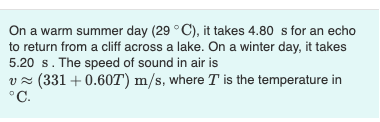
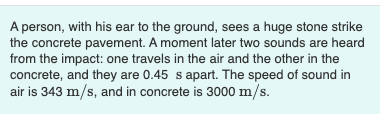
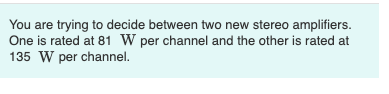
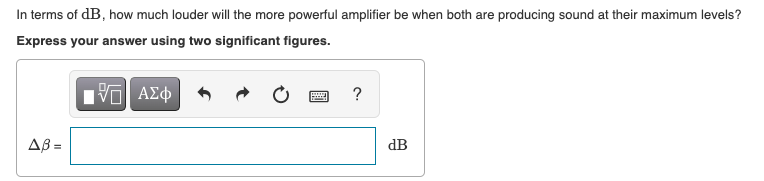
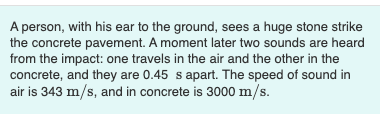
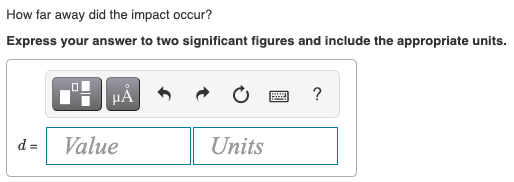
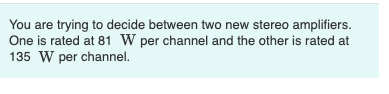
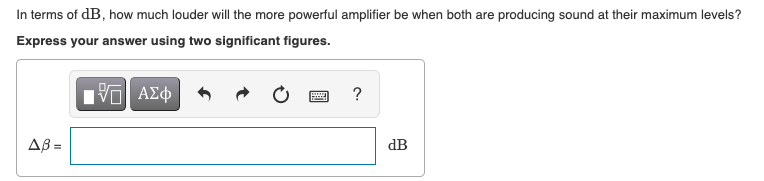
On a warm summer day (29 * C), it takes 4.80 s for an echo to return from a cliff across a lake. On a winter day, it takes 5.20 s . The speed of sound in air is (331 + 0.607) m/s, where T is the temperature in . C.What is the temperature on the winter day? Express your answer to two significant figures and include the appropriate units. VO AEd ? . CA person, with his ear to the ground, sees a huge stone strike the concrete pavement. A moment later two sounds are heard from the impact: one travels in the air and the other in the concrete, and they are 0.45 s apart. The speed of sound in air is 343 m/s, and in concrete is 3000 m/s.How far away did the impact occur? Express your answer to two significant figures and include the appropriate units. HA d = Value UnitsYou are trying to decide between two new stereo amplifiers. One is rated at 81 W per channel and the other is rated at 135 W per channel.In terms of dB, how much louder will the more powerful amplifier be when both are producing sound at their maximum levels? Express your answer using two significant figures. VO AEd ? AB = dB
Step by Step Solution
There are 3 Steps involved in it

Get step-by-step solutions from verified subject matter experts
 Study Help