





Question: 1. Putting HR Planning in Perspective (Keyboard Navigable Alternate Version) Putting HR Planning in Perspective Meeting an organization's staffing needs requires strategic human resources planning:
1. Putting HR Planning in Perspective (Keyboard1. Putting HR Planning in Perspective (Keyboard

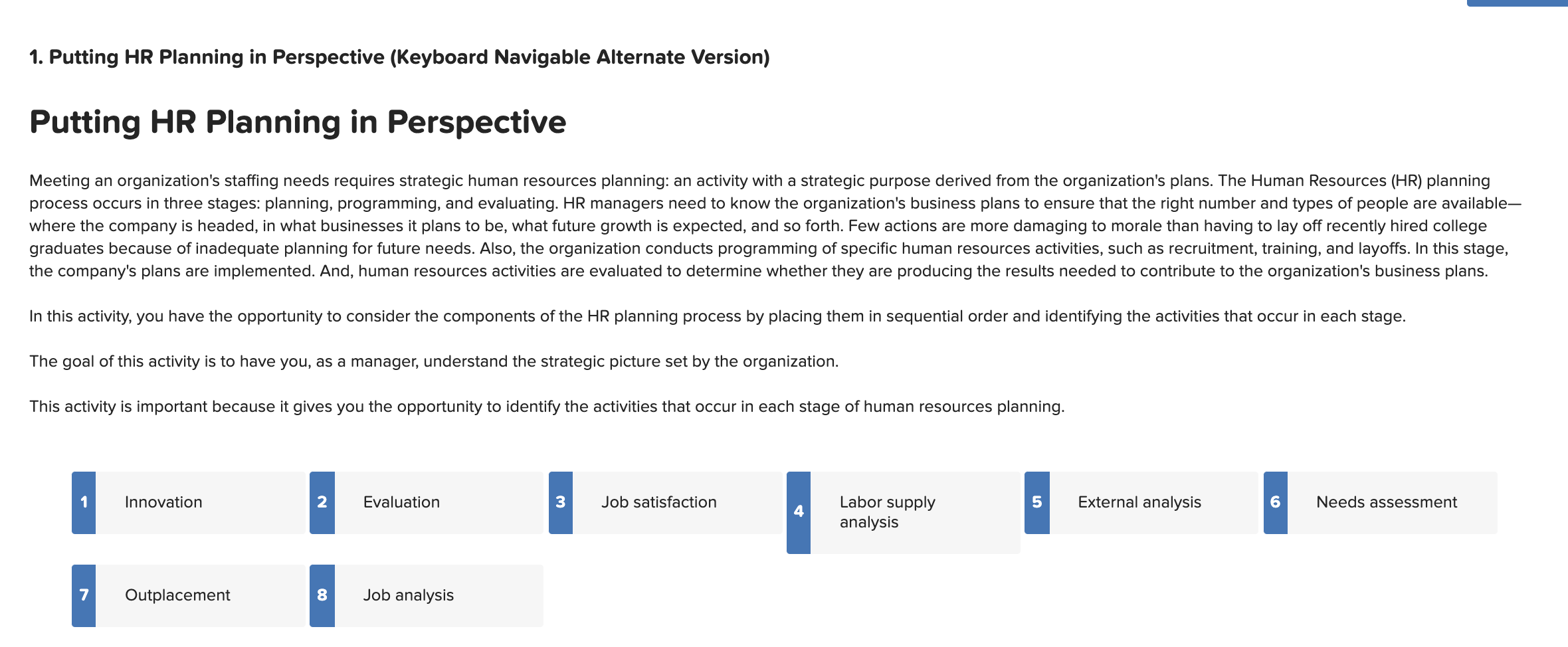
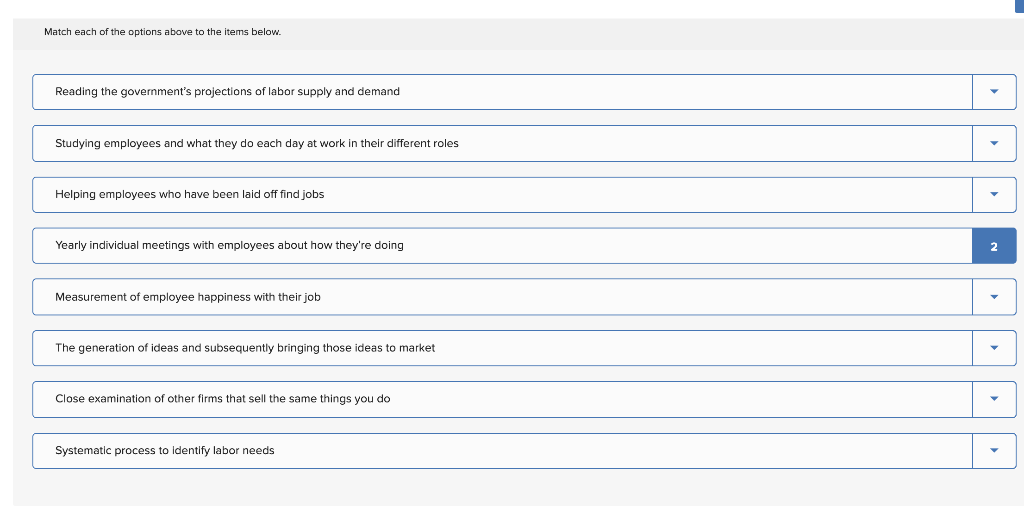
1. Putting HR Planning in Perspective (Keyboard Navigable Alternate Version) Putting HR Planning in Perspective Meeting an organization's staffing needs requires strategic human resources planning: an activity with a strategic purpose derived from the organization's plans. The Human Resources (HR) planning process occurs in three stages: planning, programming, and evaluating. HR managers need to know the organization's business plans to ensure that the right number and types of people are available, where the company is headed, in what businesses it plans to be, what future growth is expected, and so forth. Few actions are more damaging to morale than having to lay off recently hired college graduates because of inadequate planning for future needs. Also, the organization conducts programming of specific human resources activities, such as recruitment, training, and layoffs. In this stage, the company's plans are implemented. And, human resources activities are evaluated to determine whether they are producing the results needed to contribute to the organization's business plans. In this activity, you have the opportunity to consider the components of the HR planning process by placing them in sequential order and identifying the activities that occur in each stage. The goal of this activity is to have you, as a manager, understand the strategic picture set by the organization. This activity is important because it gives you the opportunity to identify the activities that occur in each stage of human resources planning. 1 Innovation 2 Evaluation 3 Job satisfaction 5 External analysis 6 Needs assessment 4 Labor supply analysis 7 Outplacement 8 Job analysis Match each of the options above to the items below. Reading the government's projections of labor supply and demand Studying employees and what they do each day at work their different roles Helping employees who have been laid off find jobs Yearly individual meetings with employees about how they're doing 2 Measurement of employee happiness with their job The generation of ideas and subsequently bringing those ideas to market Close examination of other firms that sell the same things you do Systematic process to identify labor needs

Step by Step Solution

There are 3 Steps involved in it

1 Expert Approved Answer
Step: 1 Unlock blur-text-image

Question Has Been Solved by an Expert!

Get step-by-step solutions from verified subject matter experts

Step: 2 Unlock
Step: 3 Unlock

Students Have Also Explored These Related General Management Questions!