







Question: 1. Ratio Analysis (Formula Approach) Step 1: Quick Take: Ratio Analysis Ratio analysis is an important way of evaluating financial statements. Using ratios, instead of
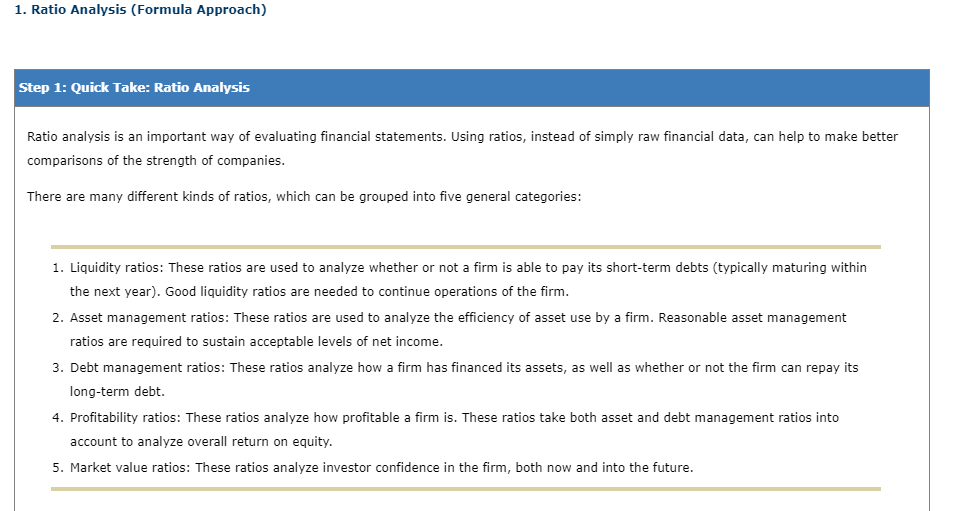
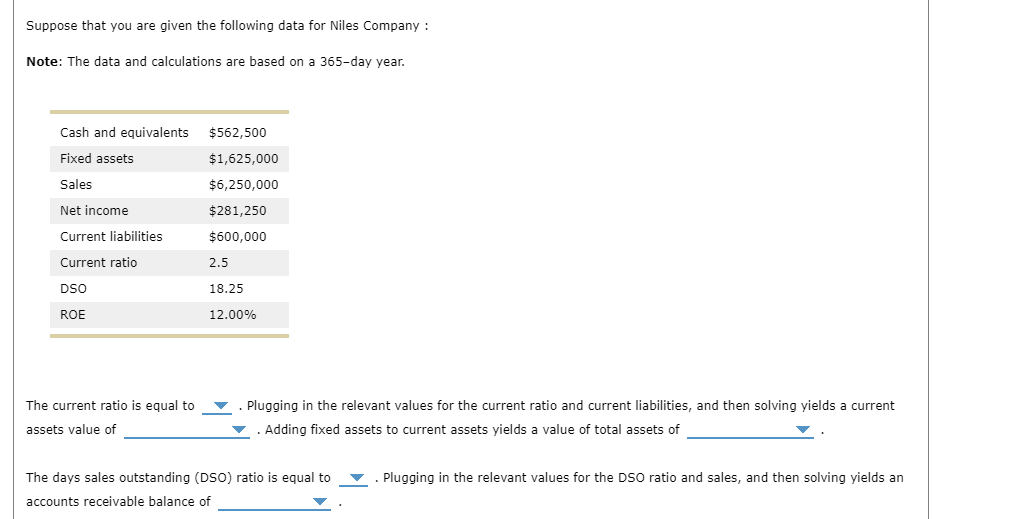
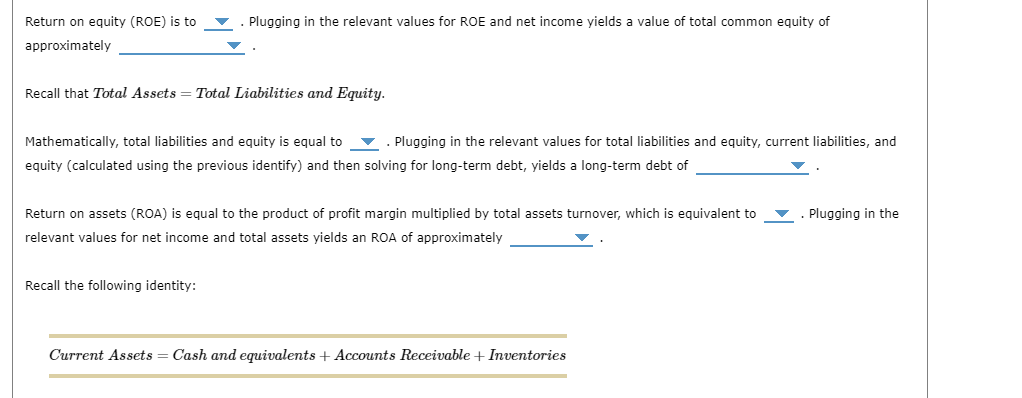
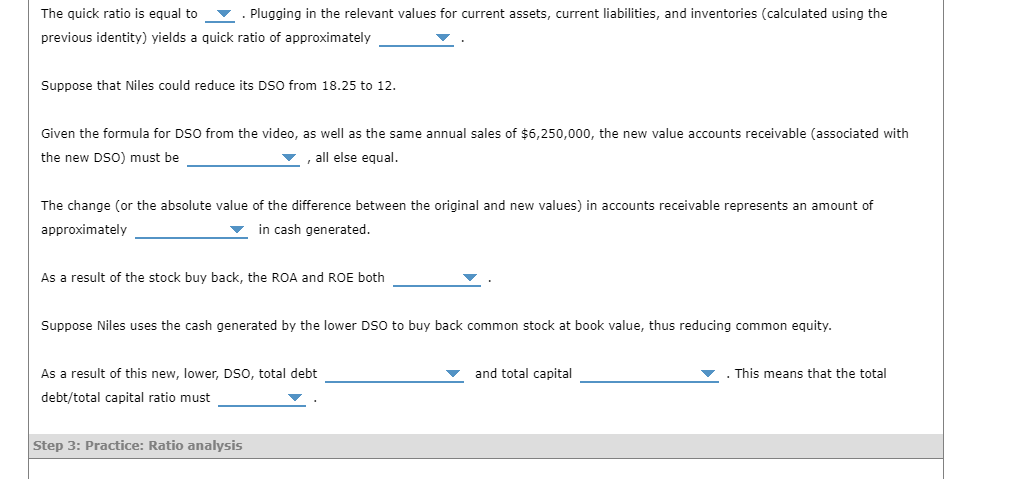
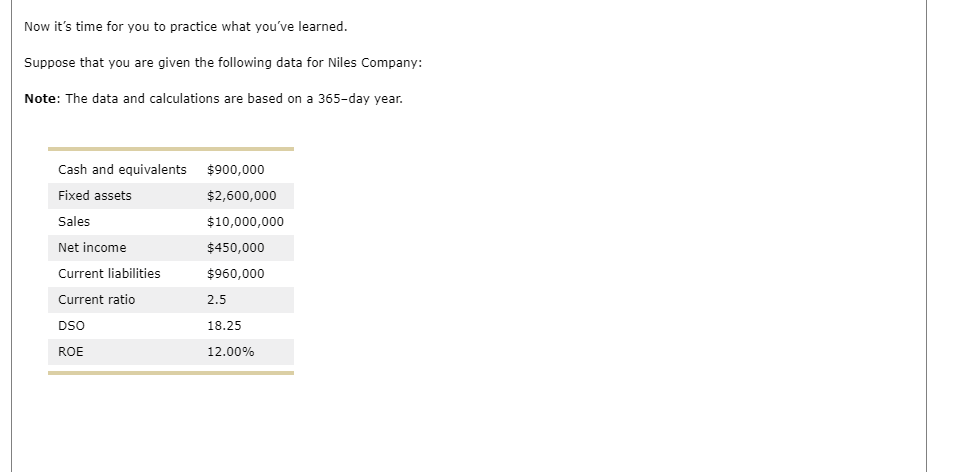
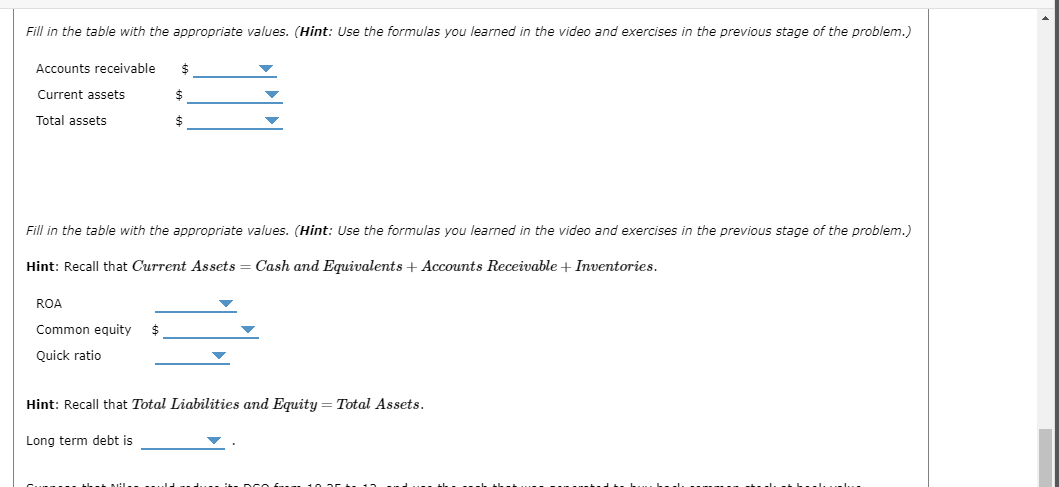
1. Ratio Analysis (Formula Approach) Step 1: Quick Take: Ratio Analysis Ratio analysis is an important way of evaluating financial statements. Using ratios, instead of simply raw financial data, can help to make better comparisons of the strength of companies. There are many different kinds of ratios, which can be grouped into five general categories: 1. Liquidity ratios: These ratios are used to analyze whether or not a firm is able to pay its short-term debts (typically maturing within the next year). Good liquidity ratios are needed to continue operations of the firm. 2. Asset management ratios: These ratios are used to analyze the efficiency of asset use by a firm. Reasonable asset management ratios are required to sustain acceptable levels of net income. 3. Debt management ratios: These ratios analyze how a firm has financed its assets, as well as whether or not the firm can repay its long-term debt. 4. Profitability ratios: These ratios analyze how profitable a firm is. These ratios take both asset and debt management ratios into account to analyze overall return on equity. 5. Market value ratios: These ratios analyze investor confidence in the firm, both now and into the future. Suppose that you are given the following data for Niles Company : Note: The data and calculations are based on a 365-day year. The current ratio is equal to assets value of . Plugging in the relevant values for the current ratio and current liabilities, and then solving yields a current . Adding fixed assets to current assets yields a value of total assets of The days sales outstanding (DSO) ratio is equal to . Plugging in the relevant values for the DSO ratio and sales, and then solving yields an accounts receivable balance of Return on equity (ROE) is to . Plugging in the relevant values for ROE and net income yields a value of total common equity of approximately Recall that Total Assets = Total Liabilities and Equity. Mathematically, total liabilities and equity is equal to . Plugging in the relevant values for total liabilities and equity, current liabilities, and equity (calculated using the previous identify) and then solving for long-term debt, yields a long-term debt of Return on assets (ROA) is equal to the product of profit margin multiplied by total assets turnover, which is equivalent to . Plugging in the relevant values for net income and total assets yields an ROA of approximately Recall the following identity: The quick ratio is equal to . Plugging in the relevant values for current assets, current liabilities, and inventories (calculated using the previous identity) yields a quick ratio of approximately Suppose that Niles could reduce its DSO from 18.25 to 12 . Given the formula for DSO from the video, as well as the same annual sales of $6,250,000, the new value accounts receivable (associated with the new DSO) must be , all else equal. The change (or the absolute value of the difference between the original and new values) in accounts receivable represents an amount of approximately in cash generated. As a result of the stock buy back, the ROA and ROE both Suppose Niles uses the cash generated by the lower DSO to buy back common stock at book value, thus reducing common equity. As a result of this new, lower, DSO, total debt and total capital . This means that the total debt/total capital ratio must Now it's time for you to practice what you've learned. Suppose that you are given the following data for Niles Company: Note: The data and calculations are based on a 365-day year. Fill in the table with the appropriate values. (Hint: Use the formulas you learned in the video and exercises in the previous stage of the problem.) Fill in the table with the appropriate values. (Hint: Use the formulas you learned in the video and exercises in the previous stage of the problem.) Hint: Recall that Current Assets = Cash and Equivalents + Accounts Receivable + Inventories. Hint: Recall that Total Liabilities and Equity = Total Assets. Long term debt is 1. Ratio Analysis (Formula Approach) Step 1: Quick Take: Ratio Analysis Ratio analysis is an important way of evaluating financial statements. Using ratios, instead of simply raw financial data, can help to make better comparisons of the strength of companies. There are many different kinds of ratios, which can be grouped into five general categories: 1. Liquidity ratios: These ratios are used to analyze whether or not a firm is able to pay its short-term debts (typically maturing within the next year). Good liquidity ratios are needed to continue operations of the firm. 2. Asset management ratios: These ratios are used to analyze the efficiency of asset use by a firm. Reasonable asset management ratios are required to sustain acceptable levels of net income. 3. Debt management ratios: These ratios analyze how a firm has financed its assets, as well as whether or not the firm can repay its long-term debt. 4. Profitability ratios: These ratios analyze how profitable a firm is. These ratios take both asset and debt management ratios into account to analyze overall return on equity. 5. Market value ratios: These ratios analyze investor confidence in the firm, both now and into the future. Suppose that you are given the following data for Niles Company : Note: The data and calculations are based on a 365-day year. The current ratio is equal to assets value of . Plugging in the relevant values for the current ratio and current liabilities, and then solving yields a current . Adding fixed assets to current assets yields a value of total assets of The days sales outstanding (DSO) ratio is equal to . Plugging in the relevant values for the DSO ratio and sales, and then solving yields an accounts receivable balance of Return on equity (ROE) is to . Plugging in the relevant values for ROE and net income yields a value of total common equity of approximately Recall that Total Assets = Total Liabilities and Equity. Mathematically, total liabilities and equity is equal to . Plugging in the relevant values for total liabilities and equity, current liabilities, and equity (calculated using the previous identify) and then solving for long-term debt, yields a long-term debt of Return on assets (ROA) is equal to the product of profit margin multiplied by total assets turnover, which is equivalent to . Plugging in the relevant values for net income and total assets yields an ROA of approximately Recall the following identity: The quick ratio is equal to . Plugging in the relevant values for current assets, current liabilities, and inventories (calculated using the previous identity) yields a quick ratio of approximately Suppose that Niles could reduce its DSO from 18.25 to 12 . Given the formula for DSO from the video, as well as the same annual sales of $6,250,000, the new value accounts receivable (associated with the new DSO) must be , all else equal. The change (or the absolute value of the difference between the original and new values) in accounts receivable represents an amount of approximately in cash generated. As a result of the stock buy back, the ROA and ROE both Suppose Niles uses the cash generated by the lower DSO to buy back common stock at book value, thus reducing common equity. As a result of this new, lower, DSO, total debt and total capital . This means that the total debt/total capital ratio must Now it's time for you to practice what you've learned. Suppose that you are given the following data for Niles Company: Note: The data and calculations are based on a 365-day year. Fill in the table with the appropriate values. (Hint: Use the formulas you learned in the video and exercises in the previous stage of the problem.) Fill in the table with the appropriate values. (Hint: Use the formulas you learned in the video and exercises in the previous stage of the problem.) Hint: Recall that Current Assets = Cash and Equivalents + Accounts Receivable + Inventories. Hint: Recall that Total Liabilities and Equity = Total Assets. Long term debt is
Step by Step Solution
There are 3 Steps involved in it

Get step-by-step solutions from verified subject matter experts
 Study Help