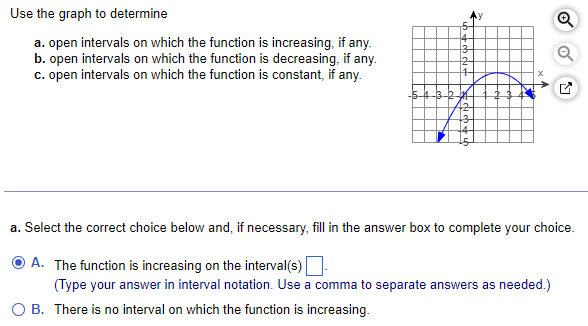
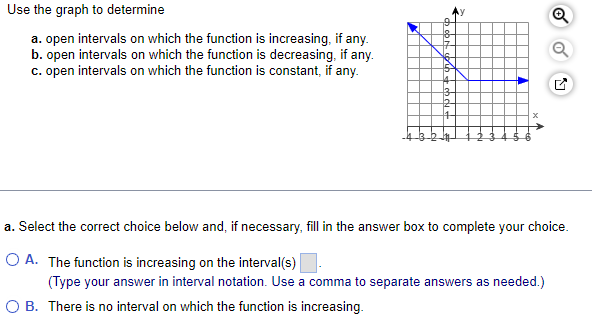
Question: 1) Use the graph to determine a. open intervals on which the function is increasing, if any. b. open intervals on which the function is
1)
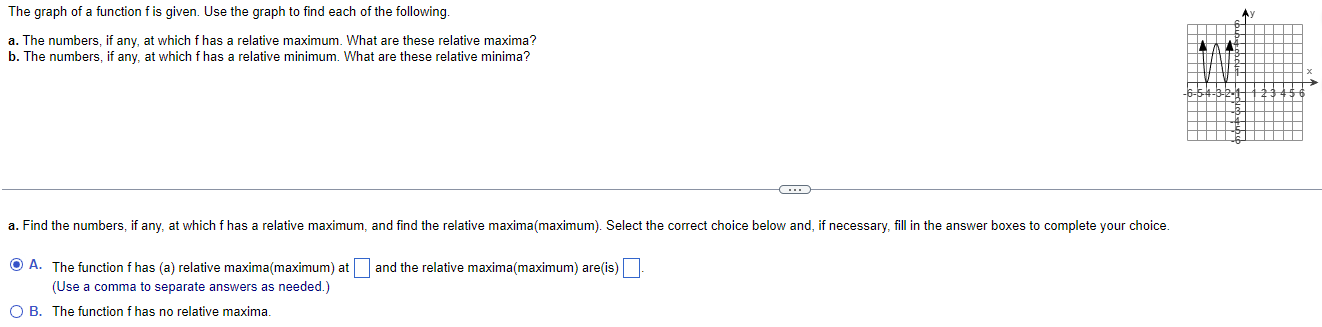
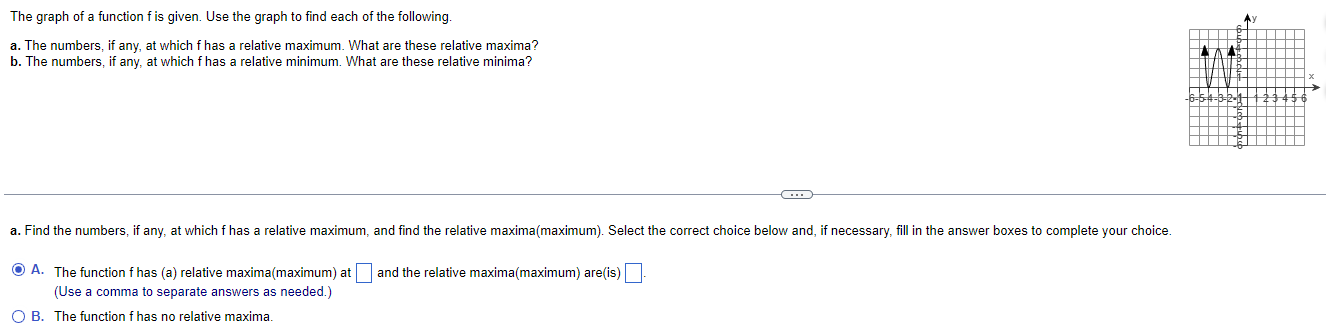
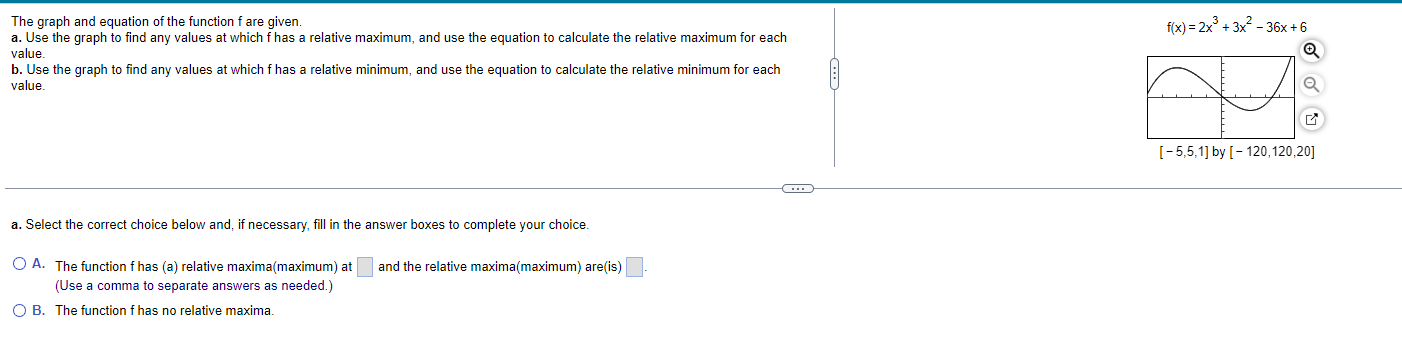
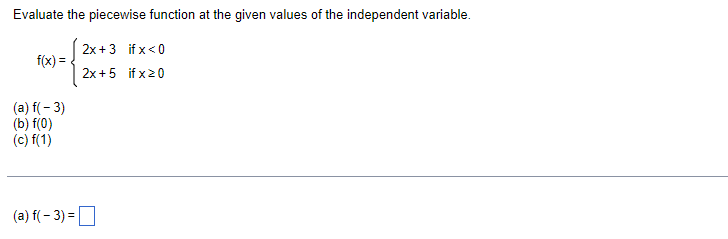
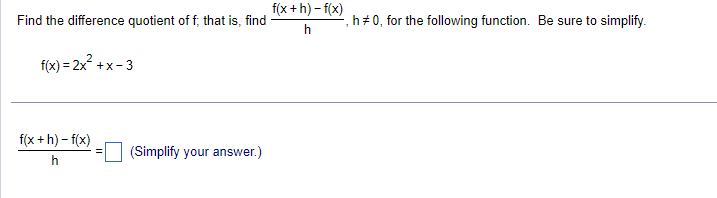
Use the graph to determine a. open intervals on which the function is increasing, if any. b. open intervals on which the function is decreasing, if any. c. open intervals on which the function is constant, if any. X -54 3 b a. Select the correct choice below and, if necessary, fill in the answer box to complete your choice. O A. The function is increasing on the interval(s) (Type your answer in interval notation. Use a comma to separate answers as needed.) O B. There is no interval on which the function is increasing.Use the graph to determine a. open intervals on which the function is increasing, if any. b. open intervals on which the function is decreasing, if any. C. open intervals on which the function is constant, if any. X a. Select the correct choice below and, if necessary, fill in the answer box to complete your choice. O A. The function is increasing on the interval(s) (Type your answer in interval notation. Use a comma to separate answers as needed.) O B. There is no interval on which the function is increasingThe graph of a function f is given. Use the graph to find each of the following. a. The numbers, if any, at which f has a relative maximum. What are these relative maxima? b. The numbers, if any, at which f has a relative minimum. What are these relative minima? 6-54-b-2 a. Find the numbers, if any, at which f has a relative maximum, and find the relative maxima(maximum). Select the correct choice below and, if necessary, fill in the answer boxes to complete your choice. O A. The function f has (a) relative maxima(maximum) at ] and the relative maxima(maximum) are(is). (Use a comma to separate answers as needed.) O B. The function f has no relative maxima.The graph of a function f is given. Use the graph to find each of the following. a. The numbers, if any, at which f has a relative maximum. What are these relative maxima? b. The numbers, if any, at which f has a relative minimum. What are these relative minima? -5-4-0-2 a. Find the numbers, if any, at which f has a relative maximum, and find the relative maxima(maximum). Select the correct choice below and, if necessary, fill in the answer boxes to complete your choice. O A. The function f has (a) relative maxima(maximum) at and the relative maxima(maximum) are(is) (Use a comma to separate answers as needed.) O B. The function f has no relative maxima.The graph and equation of the function f are given. f(x) = 2x3+ 3x- - 36x +6 a. Use the graph to find any values at which f has a relative maximum, and use the equation to calculate the relative maximum for each value. b. Use the graph to find any values at which f has a relative minimum, and use the equation to calculate the relative minimum for each value. [-5,5,1] by [- 120, 120,20] a. Select the correct choice below and, if necessary, fill in the answer boxes to complete your choice. O A. The function f has (a) relative maxima(maximum) at and the relative maxima(maximum) are(is) (Use a comma to separate answers as needed.) O B. The function f has no relative maxima.Evaluate the piecewise function at the given values of the independent variable. 2x +3 if x
Step by Step Solution
There are 3 Steps involved in it
1 Expert Approved Answer
Step: 1 Unlock
Question Has Been Solved by an Expert!
Get step-by-step solutions from verified subject matter experts
Step: 2 Unlock
Step: 3 Unlock
Students Have Also Explored These Related Mathematics Questions!









 Study Help