Question: 1) Write a paragraph summarizing the article (what is the major point?) 2) Write a paragraph explaining the findings and data from the experiment (what


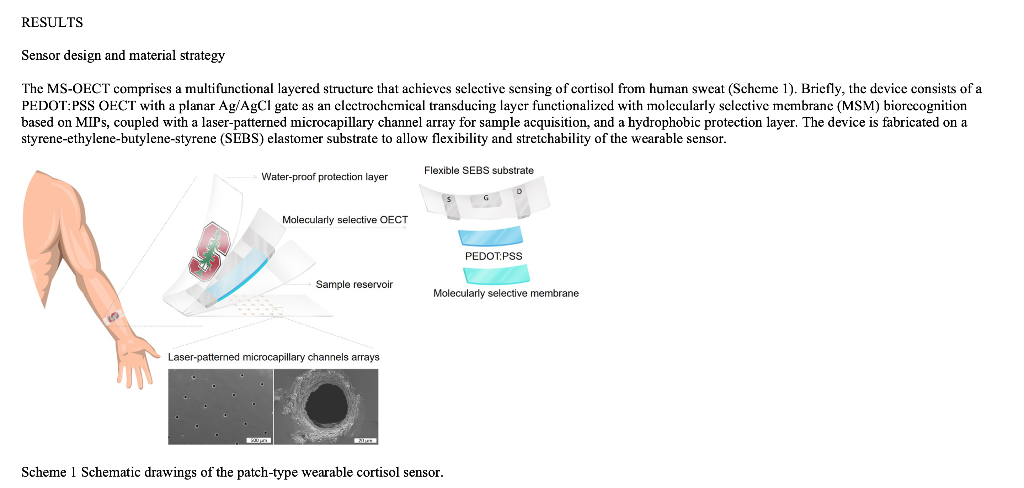
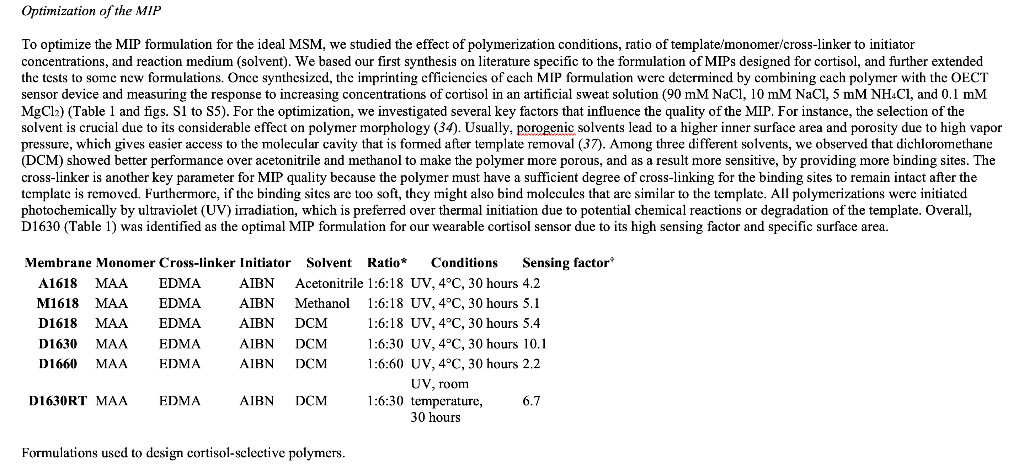
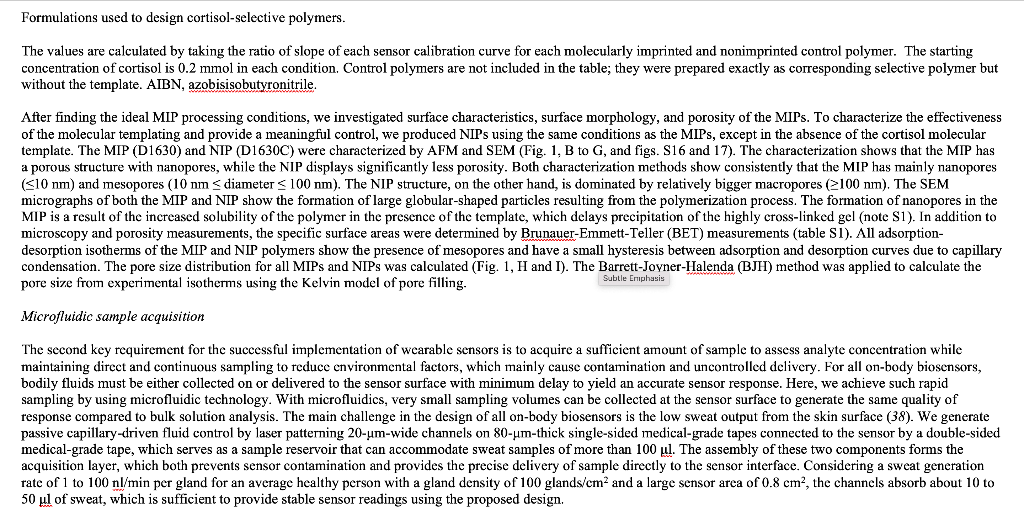
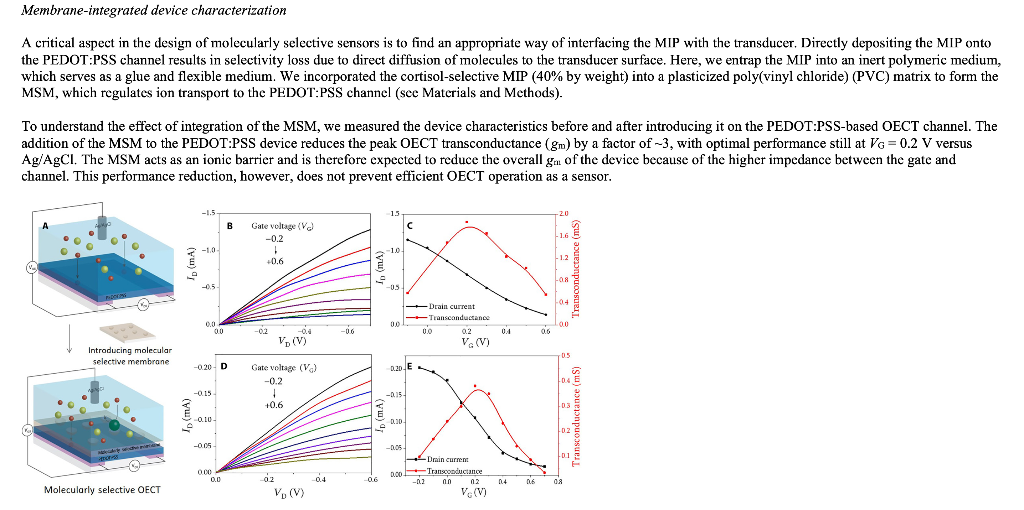
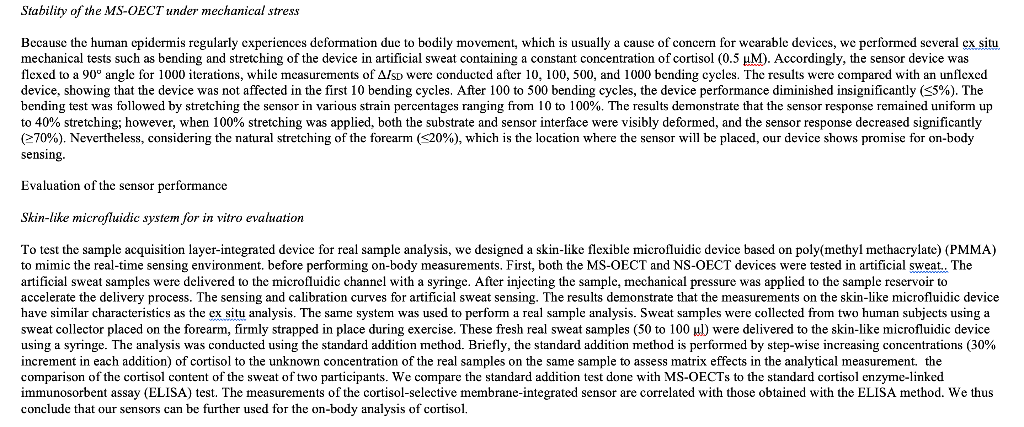
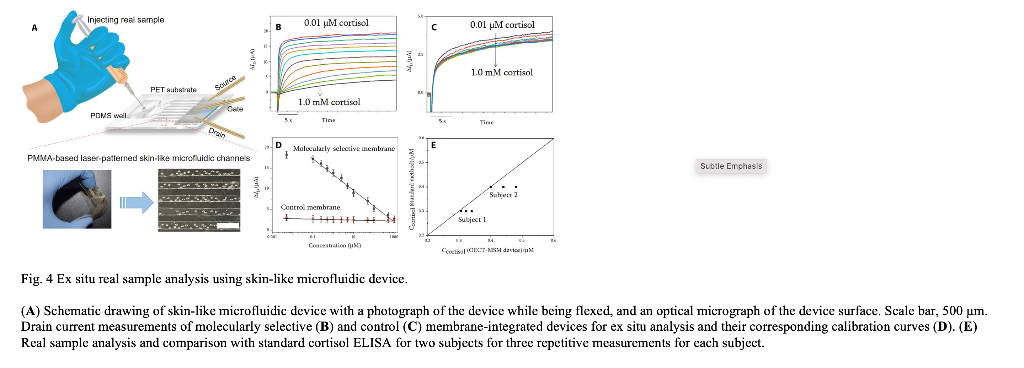
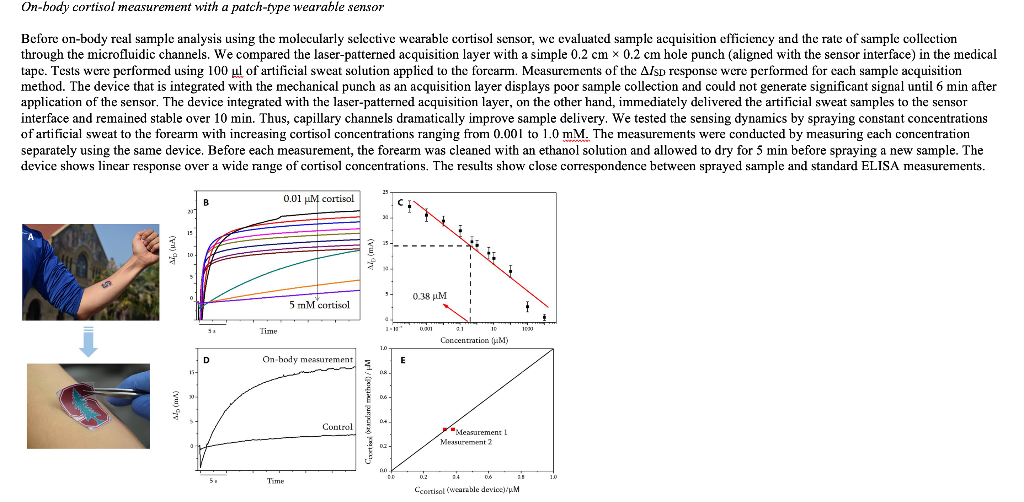
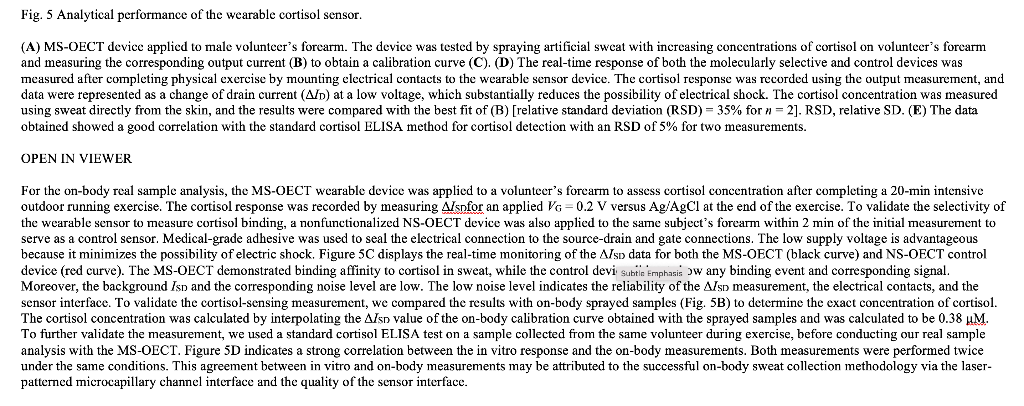
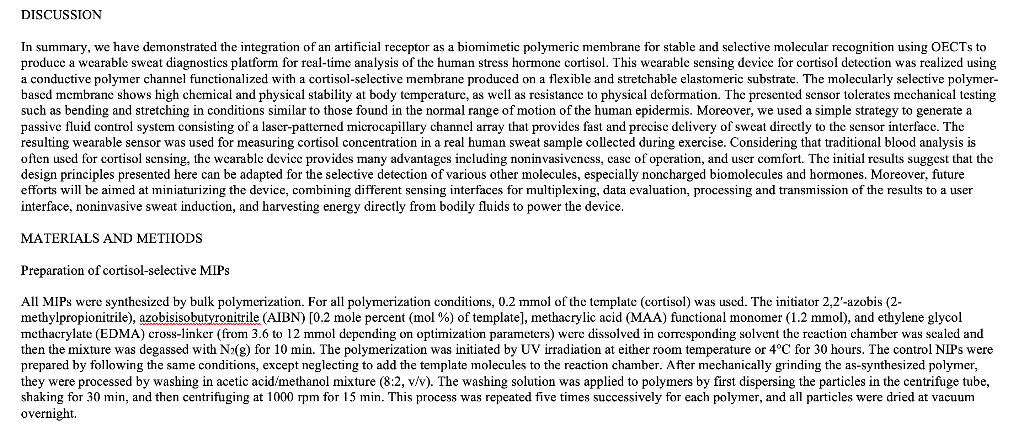
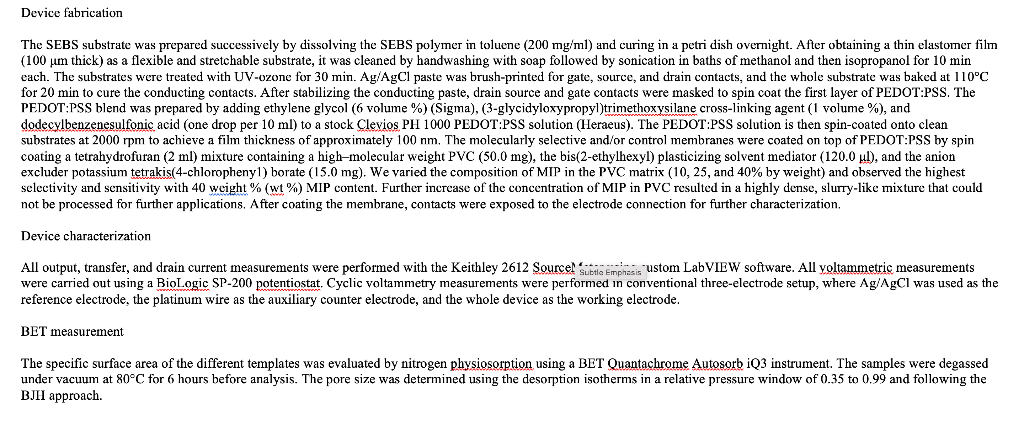
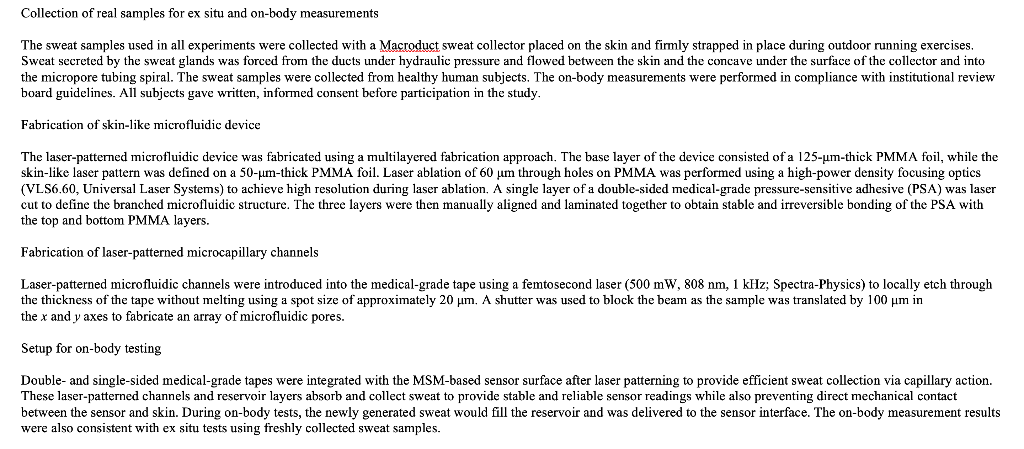
1) Write a paragraph summarizing the article (what is the major point?) 2) Write a paragraph explaining the findings and data from the experiment (what does it show us) 3. Create a paragraph that summarizes the theoretical findings (including how simulation results help explain experimental observations). 4. Conduct a final analysis (paragraph that briefly explains the significance of this work) 5. Create a paragraph that summarizes the device's future prospects (applications this technology may have in the future) Wearable biosensors have emerged as an alternative evolutionary development in the field of healthcare technology due to their potential to change conventional medical diagnostics and health monitoring. However, a number of critical technological challenges including selectivity, stability of (bio)recognition, efficient sample handling, invasiveness, and mechanical compliance to increase user comfort must still be overcome to successfully bring devices closer to commercial applications. We introduce the integration of an electrochemical transistor and a tailor-made synthetic and biomimetic polymeric membrane, which acts as a molecular memory layer facilitating the stable and selective molecular recognition of the human stress hormone cortisol. The sensor and a laser-patterned microcapillary channel array are integrated in a wearable sweat diagnostics platform, providing accurate sweat acquisition and precise sample delivery to the sensor interface. The integrated devices were successfully used with both ex situ methods using skin-like microfluidics and on human subjects with on-body real-sample analysis using a wearable sensor assembly. INTRODUCTION Wearable health monitoring technologies and devices are of great and continuous interest in clinical healthcare due to their ability to monitor physiological signals and to help maintain an optimal health status as well as assess the physical fitness of outpatients. In particular, wearable biosensors aim to replace centralized hospital-based care systems with home-based personal diagnostics to reduce healthcare costs and time to diagnosis by providing noninvasive, real-time analysis. Therefore, a wide variety of approaches have been proposed to bring such analysis methodologies closer to patients in both time and space. Early research activities on continuous health monitoring using wearable sensors focused on physical sensing. These efforts have resulted predominantly in temperature, pressure, and electric field sensors for monitoring biophysical signals including heart rate, respiration rate , skin temperature, and brain activity. Recent interest, however, focuses on chemical and biochemical sensing to monitor clinically relevant biomarkers using wearable devices to broaden the range of measurable quantities. Among many bodily fluids, sweat provides a significant amount of information about a patient's health status and is readily accessible, making it suitable for wearable, noninvasive biosensing. Sweat contains important electrolytes, metabolites, amino acids, proteins, and hormones, which allows monitoring of metabolic diseases, physiological conditions, or a person's intoxication level. Stress plays an important role in the overall health of a patient; when under stress, the adrenal gland releases cortisol and adrenaline into the bloodstream. The cortisol levels in various bodily fluids can range from 4pM to 70M depending on the fluid. In sweat, the optimum level of cortisol ranges from 0.02 to 0.5M. Increased levels of cortisol have a detrimental effect on the regulation of various physiological processes such as blood pressure, glucose levels, and carbohydrate metabolism, and sustained stress can disrupt homeostasis in the cardiovascular, immune, renal, skeletal, and endocrine systems, leading to development of chronic diseases. Therefore, continuous monitoring of cortisol levels in bodily fluids has great relevance in maintaining healthy physiological conditions. As a result, there is much interest in devising wearable devices able to monitor stress levels. Most stress sensors described in the literature are based on physical sensing and mainly focus on monitoring skin perspiration or conductivity, heart rate, and temperature. These approaches are promising in terms of fabrication using novel functional materials having desirable mechanical properties such as stretchability, flexibility, and high durability. However, the alteration of bodily physical parameters can also be induced by nonstressrelated causes such as weather conditions and fever, making these sensors generally vulnerable to false positives. Furthermore, reecnt devices often show poor performance in terms of invasiveness, stability of recognition, selectivity, and sample acquisition ( 19 ). However, in one recent study, Jang et al. demonstrated a fieldeffect transistor-based cortisol sensor by embedding a cortisol antibody into the synthetic polymer matrix to generate a cortisol-selective/sensitive membrane. The designed sensor shows high sensitivity and a low limit of detection (down to 1pg/ml ). Here, we describe the development of a wearable biosensor using an organic electrochemical device for the detection of stress by selectively sensing cortisol in sweat. Recently, electrochemical transducing elements have been developed to directly detect biomarkers from patients. Among electrochemical transducing elements, organic electrochemical transistors (OECTs) are preferred in the field of bioelectronics due to their exceptional ability to interface electronics with biology. An OECT consists of a semiconductor polymer channel, typically poly(ethylenedioxythiophene):poly(styrenesulfonate) (PEDOT:PSS), that can be gated through an electrolyte solution. The ions in solution are pushed by the gate potential to dope/de-dope the entire volume in the organic semiconductor channel, thereby strongly modulating its conductivity. Hence, OECTs are able to transduce biological ion-based signals into electrical signals with high gain at relatively low voltages (









 Study Help