Question: 10 Position- vs. Interest-Based Negotiation Negotiation can be characterized as other position based about a single issue) or interest-based (about multiple Issues). These two fundamental
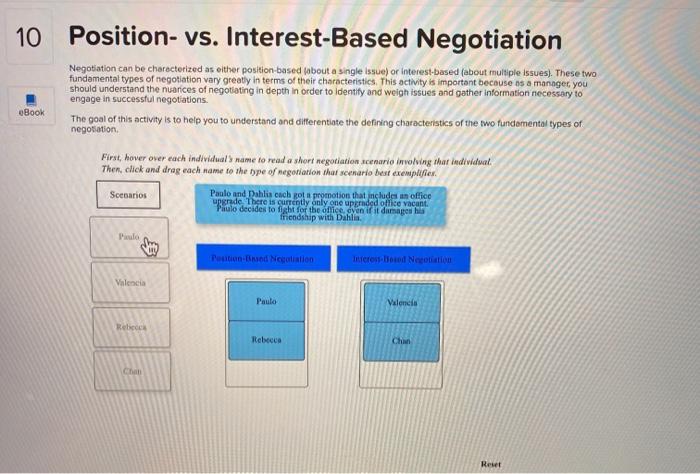
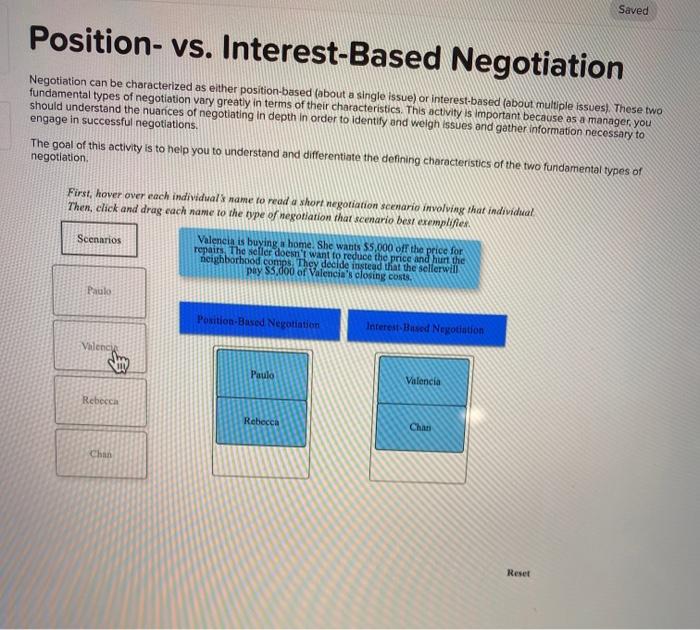
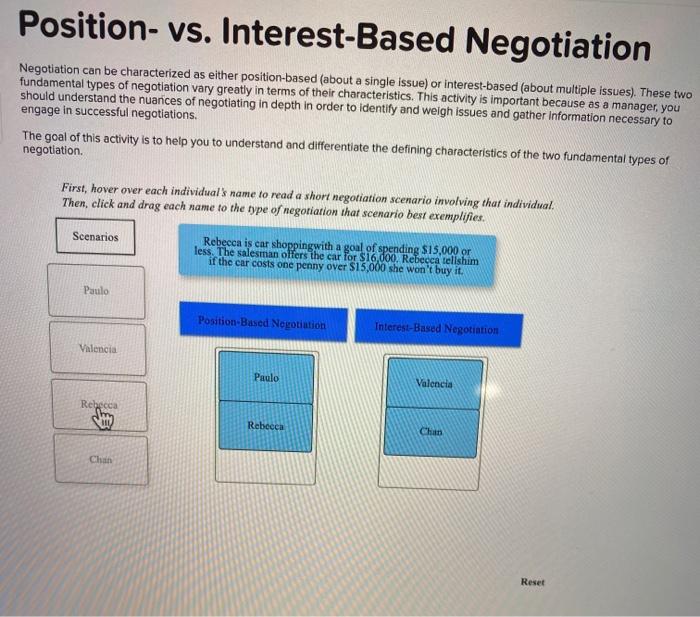
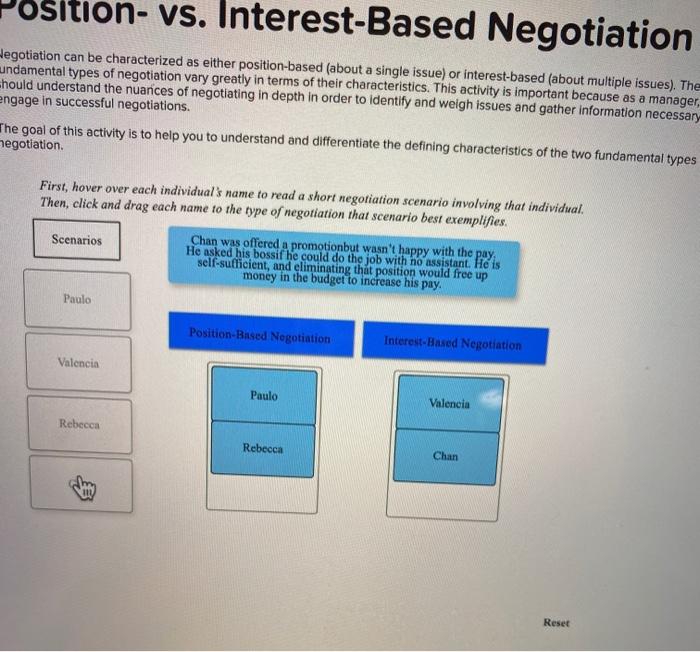
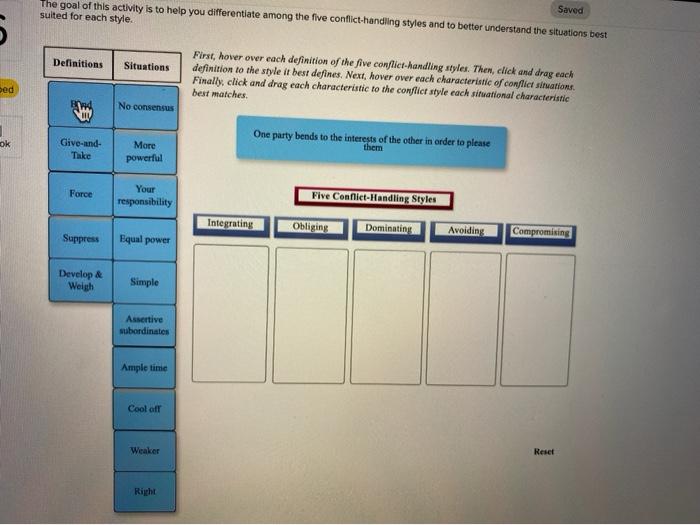
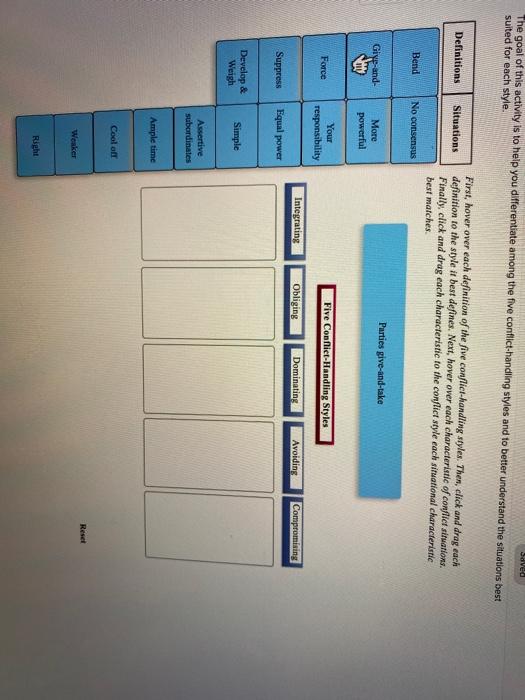
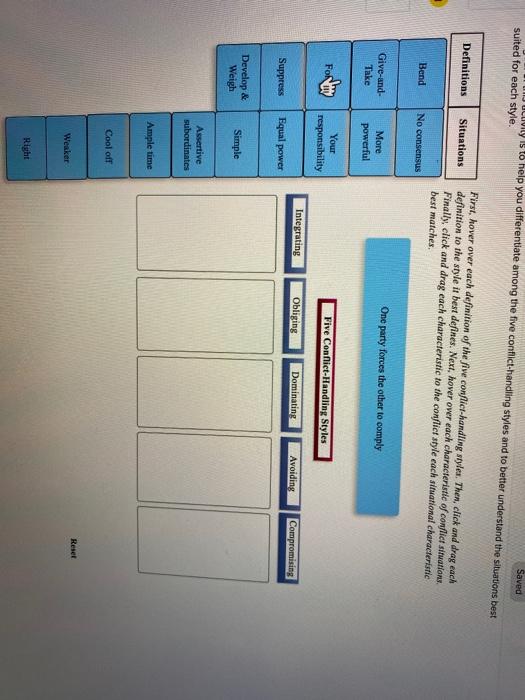
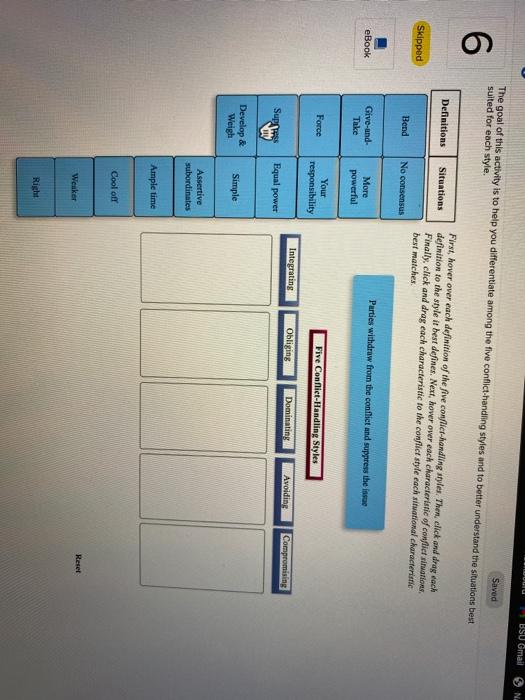
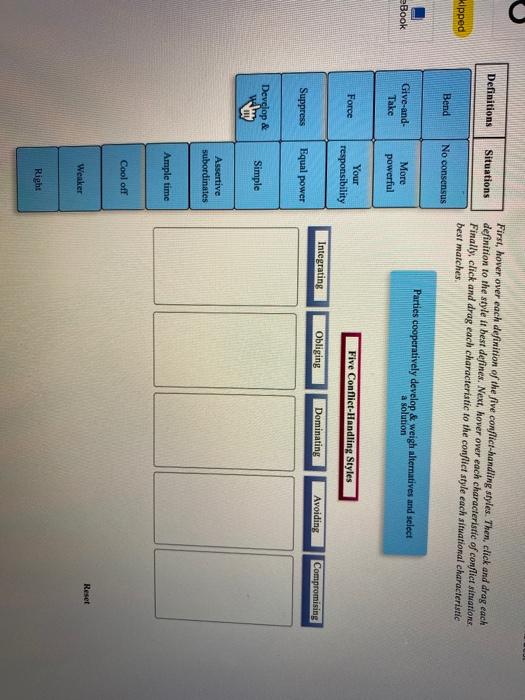
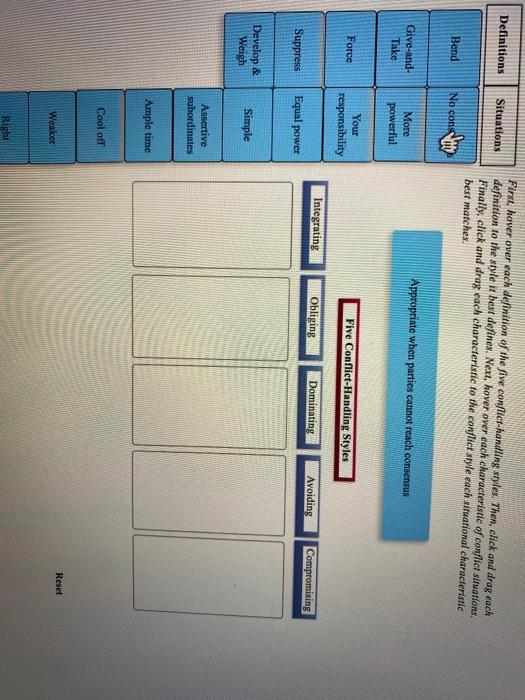
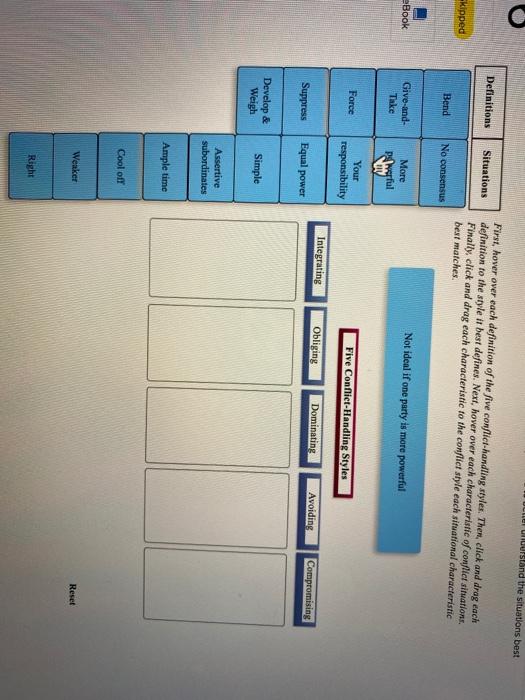
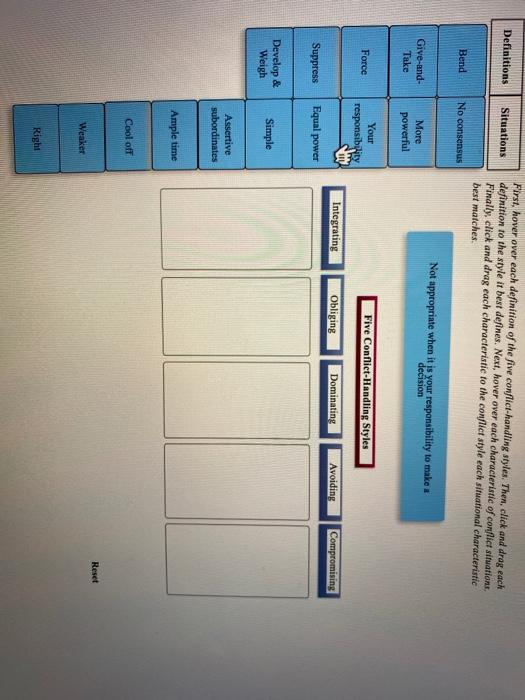
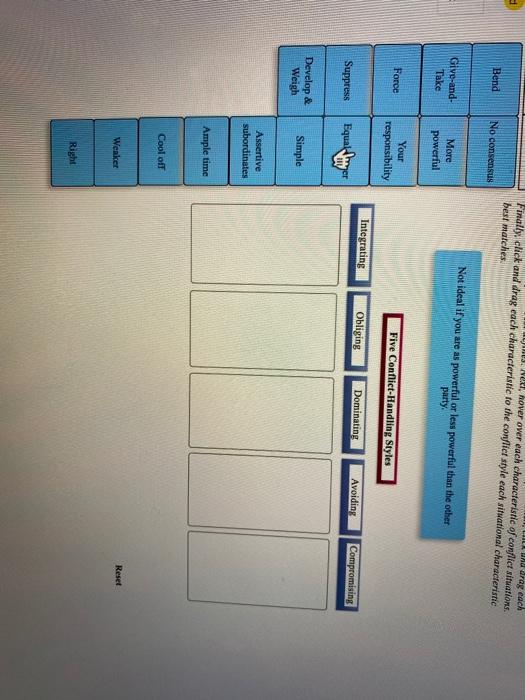
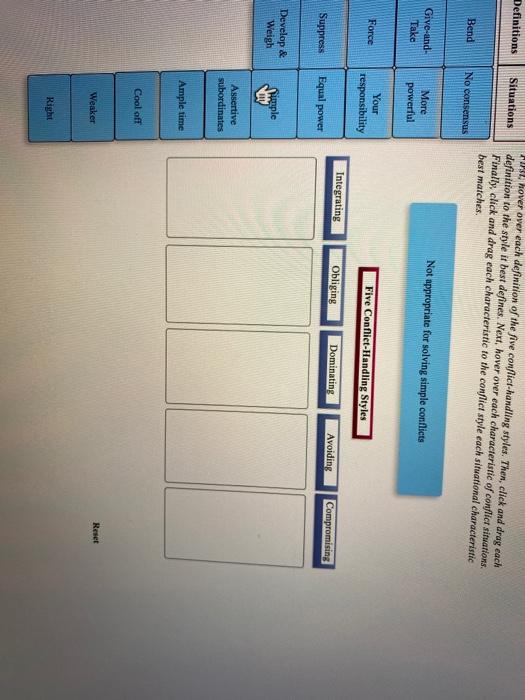
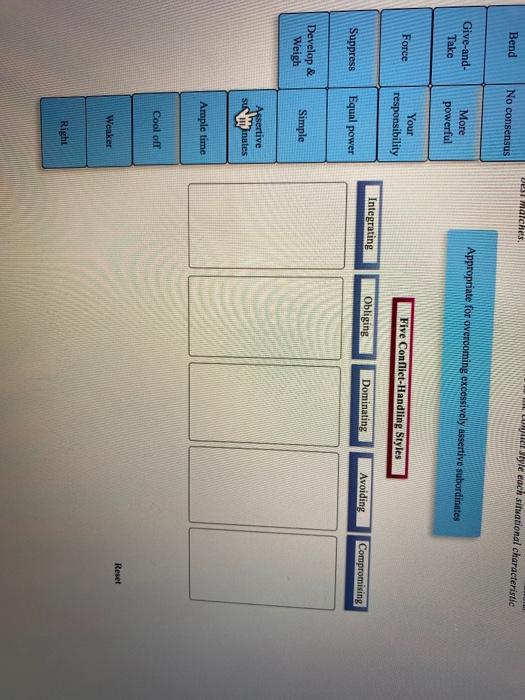
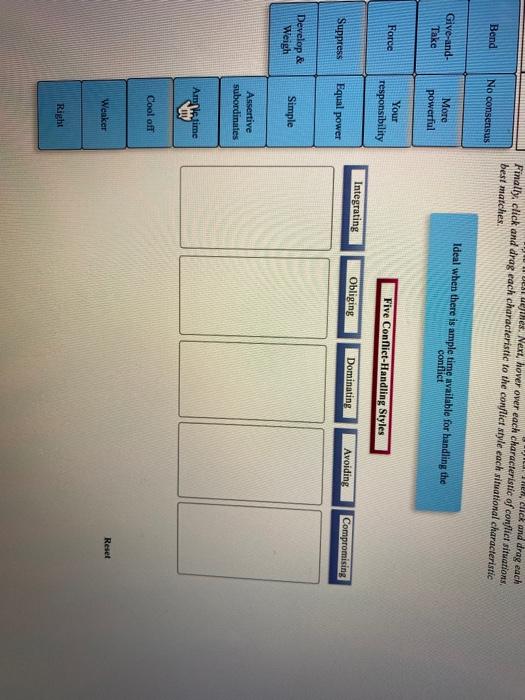
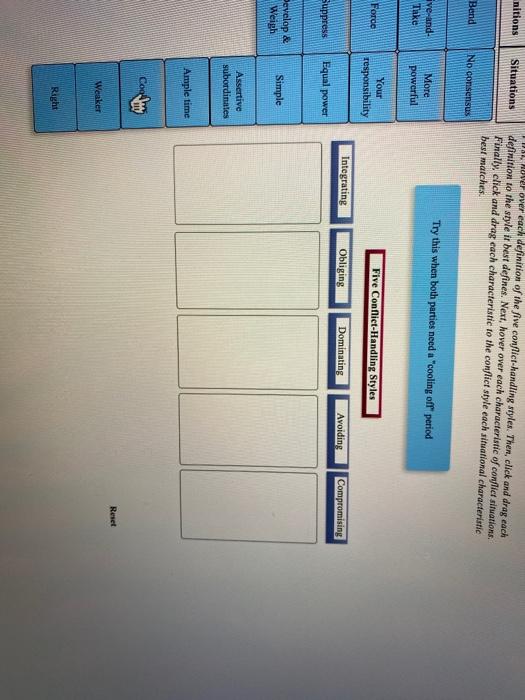
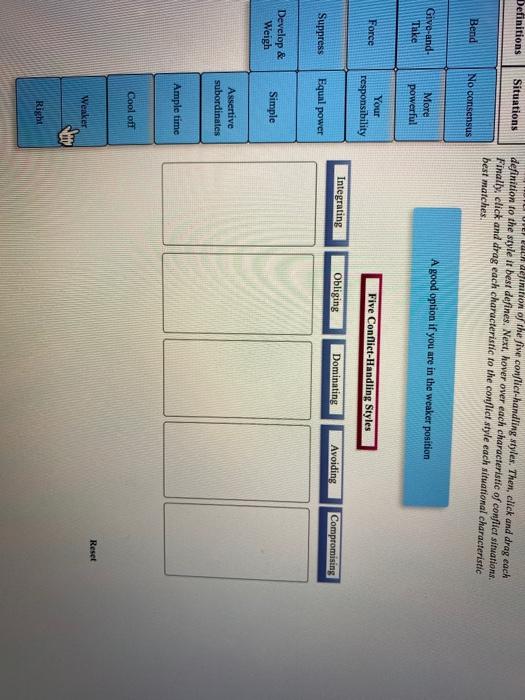
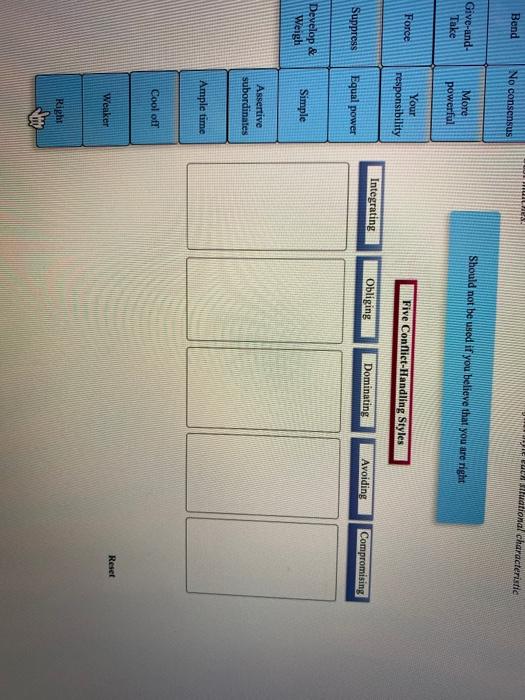
10 Position- vs. Interest-Based Negotiation Negotiation can be characterized as other position based about a single issue) or interest-based (about multiple Issues). These two fundamental types of negotiation vary greatly in terms of their characteristics. This activity is important because as a manager, you should understand the nuances of negotiating in depth in order to identify and weigh issues and gather Information necessary to engage in successful negotiations. The goal of this activity is to help you to understand and differentiate the defining characteristics of the two fundamental types of negotiation Book First, hover over each individual name to read a short negotiation scenario involving that individual. Then, click and drag each name to the type of negotiation that scenario best exemplifier Scesarios Paulo and Dahlin cich a promotion that includes an office upgrade There is currently only one upgraded office vacant Patio decides to fight for the office even if it damages his friendship with Dahlia Paulo Tontin Bad Negotiation Interested Netto Valencia Paulo Valencia Relica Rebecca Chan Reset Saved Position- vs. Interest-Based Negotiation Negotiation can be characterized as either position-based (about a single issue) or interest-based about multiple issues). These two fundamental types of negotiation vary greatly in terms of their characteristics. This activity is important because as a manager, you should understand the nuances of negotiating in depth In order to identify and weigh issues and gather information necessary to engage in successful negotiations. The goal of this activity is to help you to understand and differentiate the defining characteristics of the two fundamental types of negotiation First, hover over each individual's name to read a short negotiation scenario involving that individual Then, click and drag cach name to the type of negotiation that scenario best exemplifier Scenarios Valencia is buying a home. She wants 55.000 off the price for repairs. The seller doesn't want to reduce the price and hurt the neighborhood comps. They decide instead that the sellerwill pay $3.000 of Valencia's closing costs, Paulo Position-Based Negotiation Interest-Based Negotiation Valencia Paulo Valencia Rebecca Rebecca Chan Chan Reset Position- vs. Interest-Based Negotiation Negotiation can be characterized as either position-based (about a single issue) or interest-based (about multiple issues). These two fundamental types of negotiation vary greatly in terms of their characteristics. This activity is important because as a manager, you should understand the nuances of negotiating in depth in order to identify and weigh issues and gather Information necessary to engage in successful negotiations. The goal of this activity is to help you to understand and differentiate the defining characteristics of the two fundamental types of negotiation. First, hover over each individual's name to read a short negotiation scenario involving that individual Then, click and drag each name to the type of negotiation that scenario best exemplifier Scenarios Rebecca is car shoppingwith a goal of spending $15,000 or less. The salesman offers the car for $16.000. Rebecca tellshim if the car costs one penny over $15,000 she won't buy it. Paulo Position-Based Negotiation Interest-Based Negotiation Valencia valencia Paulo Valencia Rebecca Rebecca Chun Chan Reset Position- vs. Interest-Based Negotiation Hegotiation can be characterized as either position-based (about a single issue) or interest-based (about multiple issues). The undamental types of negotiation vary greatly in terms of their characteristics. This activity is important because as a manager, hould understand the nuances of negotiating in depth in order to identify and weigh issues and gather information necessary engage in successful negotiations. The goal of this activity is to help you to understand and differentiate the defining characteristics of the two fundamental types negotiation. First, hover over each individual's name to read a short negotiation scenario involving that individual Then, click and drag each name to the type of negotiation that scenario best exemplifies. Scenarios Chan was offered a promotionbut wasn't happy with the pay, He asked his bossif he could do the job with no assistant. He is self-sufficient, and eliminating that position would free up money in the budget to increase his pay. Paulo Position-Based Negotiation Interest-Based Negotiation Valencia Paulo Valencia Rebecca Rebecca Chan Reset The goal of this activity is to help you differentiate among the five conflict-handling styles and to better understand the situations best suited for each style. Saved 5 Definitions Situations First, hower over each definition of the five conflict-handling styles. Then, click and drag each definition to the style is best defines. Next, hover over each characteristic of conflict situations. Finally, click and drag each characteristic to the conflict style each situational characteristic best matches bed And No consensus One party bends to the interests of the other in order to please ok Give-and- Take More powerful Force Your responsibility Five Conflict.Handling Styles Integrating Obliging Dominating Avoiding Compromising Suppress Equal power Develop & Weigh Simple Assertive subordinates Ample time Cool of Weaker Reset Right Dave The goal of this activity is to help you differentiate among the five conflict-handling styles and to better understand the situations best suited for each style. Definitions Situations First, hover over each definition of the five conflict-handling styles. Then, click and drag each definition to the style it best defines. Next, hover over each characteristic of conflict situations. Finally, click and drag each characteristic to the conflict style each situational characteristie best matches Bend No consensus Give-and- Parties give-and-take More powerful Force Your responsibility Five Conflict-Handling Styles Integrating Obliging Dominating Avoiding Compromising Suppress Equal power Develop & Weig Simple Assertive subordinates Ample time Cool ofl Reset Weaker Right JULIOL is to help you differentiate among the five conflict-handling styles and to better understand the situations best suited for each style. Saved Definitions Situations First, hover over each definition of the five conflict-handling styles. Then, click and drag each definition to the style it best defines. Next, hover over each characteristic of conflictsituations Finally, click and drag each characteristic to the nflict style each situational characteristic best matches Bend No consensus Give-and- Take One party forces the other to comply More powerful Fok Your responsibility Five Conflict-Handling Styles Integrating Obliging Dominating Avoiding Compromising Suppress Equal power Develop & Weigh Simple Assertive subordinates Ample time Cool off Reset Weaker Right UU BSU Gmail Ni The goal of this activity is to help you differentiate among the five conflict handling styles and to better understand the situations best suited for each style Saved 6 Definitions Situations First, hover over each definition of the five conflict-handling styles. Then, click and drag each definition to the style it best defines. Next, hover over each characteristic of conflictsituations, Finally, click and drag each characteristic to the conflict style each situational characteristic best matches Skipped Bend No consensus eBook Give-and- Take Parties withdraw from the conflict and suppress the issue More powerful Force Your responsibility Five Conflit-Handling Styles Integrating Obliging Dominating Avoiding Compromising Supe Equal power Develop & Weigh Simple Assertive subordinates Ample time Cool off Reset Weaker Right Definitions Situations First, hover over each definition of the five conflict-handling styles. Then, click and drag each definition to the style it best defines, Next, hover over each characteristic of conflict situations Finally, click and drag each characteristic to the conflict style each situational characteristic best matches kipped Bend No consensus Parties cooperatively develop & weigh alternatives and select a solution Book Give-and- Take More powerful Force Your responsibility Five Conflict-Handling Styles Integrating Obliging Dominating Avoiding Compromising Suppress Equal power Develop & Simple Assertive subordinates Ample time Cool off Reset Weaker Weaker Right Definitions Situations First, hover over each definition of the five conflict-handling styles. Then, click and drag each definition to the style it best defines. Next, hover over each characteristic of conflict situations Finally, click and drag each characteristic to the conflict style each situational characteristic best matches Bend No cons Appropriate when parties cannot reach consensus Give-and- Take More powerful Force Your responsibility Five Conflict-Handling Styles Integrating Obliging Dominating Avoiding Compromising Suppress Equal power Develop & Weigh Simple Assertive subordinates Ample time Cool off Reset Weaker Weaker Right Right Understand the situations best Definitions Situations First, hover over each definition of the five conflict-handling styles. Then, click and drag each definition to the style it best defines. Next, hover over each characteristic of conflict situations. Finally, click and drag each characteristic to the conflict style each situational characteristic best matches kipped Bend No consensus eBook Give-and- Take More Not ideal if one party is more powerful werful Force Your responsibility Five Conflict-Handling Styles Integrating Obliging Dominating Avoiding Suppress Equal power Compromising Develop & Weigh Simple Assertive subordinates Ample time Cool of Weaker Reset Right Definitions Situations First, hover over each definition of the five conflict-handling styles. Then, click and drag each definition to the style it best defines. Next, hover over each characteristic of conflict situations Finally, click and drag each characteristic to the conflict style each situational characteristic best matches Bend No consensus Not appropriate when it is your responsibility to make a decision Give-and- Take More powerful Force Your responsibility Five Conflict-Handling Styles Integrating Obliging Dominating Avoiding Compromising Suppress Equal power Develop & Weigh Simple Assertive subordinates Ample time Cool of Reset Weaker Right Und drag each JEJ. Neu, hover over each characteristic of conflict situations. Finally, click and drag each characteristic to the conflict style each situational characteristic best matches Bend No consensus Give-and- Take More powerful Not ideal if you are as powerful or less powerful than the other party Force Your responsibility Five Conflict-Handling Styles Integrating Obliging Dominating Avoiding Suppress Compromising Develop & Weigh Simple Assertive subordinates Ample time Cool of Weaker Weaker Reset Right Definitions Situations 2. hover over each definition of the five conflict-handling styles. Then, click and drag each definition to the style it best defines. Next, hover over each characteristic of conflict situations Finally, click and drag each characteristic to the conflict style each situational characteristic best matches Bend No consensus Give-and- Tako More Not appropriate for solving simple conflicts powerful Force Your responsibility Five Conflict-Handling Styles Integrating Obliging Dominating Compromising Suppress Avoiding Equal power Develop & Weigh Dimple Assertive subordinates Ample time Cool off Weaker Reset Right Desmalehes. Der Blyle each situational characteristic Bend No consensus Appropriate for overcoming excessively assertive subordinates Give-and- Take More powerful Force Your responsibility Five Conflict-Handling Styles Integrating Obliging Dominating Avoiding Compromising Suppress Equal power Develop & Weigh Simple Assertive su Anates Ample time Cool of Reset Weaker Weaker Right Then, click and drag each Iuelnes. Next, hover over each characteristic of conflict situations, Finally, click and drag each characteristic to the conflict style each situational characteristic best matches Bend No consensus Give-and- Take Ideal when there is ample time available for handling the conflict More powerful Force Your responsibility Five Conflict-Handling Styles Integrating Obliging Dominating Suppress Avoiding Equal power Compromising Develop & Weigh Simple Assertive subordinates Amisfime Cool of Weaker Weaker Reset Right nitions Situations over each definition of the five conflict-handling styles. Then, click and drag each definition to the style it best defines. Next, hover over each characteristic of conflict situations Finally, click and drag each characteristic to the conflict style each situational characteristic best matches Bend No consensus Try this when both parties need a "cooling off" period ave-and- Take More powerful Force Your responsibility Five Conflict-Handling Styles Integrating Obliging Dominating Avoiding Compromising Suppress Equal power Develop & Weigh Simple Assertive subordinates Ample time Corte Reset Welker Right Definitions Situations VOL. definition of the five conflict-handling styles. Then, click and drag each definition to the style it best defines. Next, hover over each characteristic of conflict situations. Finally, click and drag each characteristic to the conflict style each situational characteristic best matches Bend No consensus A good option if you are in the weaker position Give-and- Take More powerful Force Your responsibility Five Conflict-Handling Styles Integrating Obliging Dominating Avoiding Compromising Suppress Equal power Develop & Weigh Simple Assertive subordinates UT Ample time Cool off Reset Weaker Right W ON Hluational characteristic Bend No consensus Should not be used if you believe that you are right Give-and- Take More powerful Force Your responsibility Five Conflict-Handling Styles Integrating Obliging Dominating Avoiding Compromising Suppress Equal power Develop & Weigh Simple Assertive subordinates Ample time Cool of Weaker Reset Right 10 Position- vs. Interest-Based Negotiation Negotiation can be characterized as other position based about a single issue) or interest-based (about multiple Issues). These two fundamental types of negotiation vary greatly in terms of their characteristics. This activity is important because as a manager, you should understand the nuances of negotiating in depth in order to identify and weigh issues and gather Information necessary to engage in successful negotiations. The goal of this activity is to help you to understand and differentiate the defining characteristics of the two fundamental types of negotiation Book First, hover over each individual name to read a short negotiation scenario involving that individual. Then, click and drag each name to the type of negotiation that scenario best exemplifier Scesarios Paulo and Dahlin cich a promotion that includes an office upgrade There is currently only one upgraded office vacant Patio decides to fight for the office even if it damages his friendship with Dahlia Paulo Tontin Bad Negotiation Interested Netto Valencia Paulo Valencia Relica Rebecca Chan Reset Saved Position- vs. Interest-Based Negotiation Negotiation can be characterized as either position-based (about a single issue) or interest-based about multiple issues). These two fundamental types of negotiation vary greatly in terms of their characteristics. This activity is important because as a manager, you should understand the nuances of negotiating in depth In order to identify and weigh issues and gather information necessary to engage in successful negotiations. The goal of this activity is to help you to understand and differentiate the defining characteristics of the two fundamental types of negotiation First, hover over each individual's name to read a short negotiation scenario involving that individual Then, click and drag cach name to the type of negotiation that scenario best exemplifier Scenarios Valencia is buying a home. She wants 55.000 off the price for repairs. The seller doesn't want to reduce the price and hurt the neighborhood comps. They decide instead that the sellerwill pay $3.000 of Valencia's closing costs, Paulo Position-Based Negotiation Interest-Based Negotiation Valencia Paulo Valencia Rebecca Rebecca Chan Chan Reset Position- vs. Interest-Based Negotiation Negotiation can be characterized as either position-based (about a single issue) or interest-based (about multiple issues). These two fundamental types of negotiation vary greatly in terms of their characteristics. This activity is important because as a manager, you should understand the nuances of negotiating in depth in order to identify and weigh issues and gather Information necessary to engage in successful negotiations. The goal of this activity is to help you to understand and differentiate the defining characteristics of the two fundamental types of negotiation. First, hover over each individual's name to read a short negotiation scenario involving that individual Then, click and drag each name to the type of negotiation that scenario best exemplifier Scenarios Rebecca is car shoppingwith a goal of spending $15,000 or less. The salesman offers the car for $16.000. Rebecca tellshim if the car costs one penny over $15,000 she won't buy it. Paulo Position-Based Negotiation Interest-Based Negotiation Valencia valencia Paulo Valencia Rebecca Rebecca Chun Chan Reset Position- vs. Interest-Based Negotiation Hegotiation can be characterized as either position-based (about a single issue) or interest-based (about multiple issues). The undamental types of negotiation vary greatly in terms of their characteristics. This activity is important because as a manager, hould understand the nuances of negotiating in depth in order to identify and weigh issues and gather information necessary engage in successful negotiations. The goal of this activity is to help you to understand and differentiate the defining characteristics of the two fundamental types negotiation. First, hover over each individual's name to read a short negotiation scenario involving that individual Then, click and drag each name to the type of negotiation that scenario best exemplifies. Scenarios Chan was offered a promotionbut wasn't happy with the pay, He asked his bossif he could do the job with no assistant. He is self-sufficient, and eliminating that position would free up money in the budget to increase his pay. Paulo Position-Based Negotiation Interest-Based Negotiation Valencia Paulo Valencia Rebecca Rebecca Chan Reset The goal of this activity is to help you differentiate among the five conflict-handling styles and to better understand the situations best suited for each style. Saved 5 Definitions Situations First, hower over each definition of the five conflict-handling styles. Then, click and drag each definition to the style is best defines. Next, hover over each characteristic of conflict situations. Finally, click and drag each characteristic to the conflict style each situational characteristic best matches bed And No consensus One party bends to the interests of the other in order to please ok Give-and- Take More powerful Force Your responsibility Five Conflict.Handling Styles Integrating Obliging Dominating Avoiding Compromising Suppress Equal power Develop & Weigh Simple Assertive subordinates Ample time Cool of Weaker Reset Right Dave The goal of this activity is to help you differentiate among the five conflict-handling styles and to better understand the situations best suited for each style. Definitions Situations First, hover over each definition of the five conflict-handling styles. Then, click and drag each definition to the style it best defines. Next, hover over each characteristic of conflict situations. Finally, click and drag each characteristic to the conflict style each situational characteristie best matches Bend No consensus Give-and- Parties give-and-take More powerful Force Your responsibility Five Conflict-Handling Styles Integrating Obliging Dominating Avoiding Compromising Suppress Equal power Develop & Weig Simple Assertive subordinates Ample time Cool ofl Reset Weaker Right JULIOL is to help you differentiate among the five conflict-handling styles and to better understand the situations best suited for each style. Saved Definitions Situations First, hover over each definition of the five conflict-handling styles. Then, click and drag each definition to the style it best defines. Next, hover over each characteristic of conflictsituations Finally, click and drag each characteristic to the nflict style each situational characteristic best matches Bend No consensus Give-and- Take One party forces the other to comply More powerful Fok Your responsibility Five Conflict-Handling Styles Integrating Obliging Dominating Avoiding Compromising Suppress Equal power Develop & Weigh Simple Assertive subordinates Ample time Cool off Reset Weaker Right UU BSU Gmail Ni The goal of this activity is to help you differentiate among the five conflict handling styles and to better understand the situations best suited for each style Saved 6 Definitions Situations First, hover over each definition of the five conflict-handling styles. Then, click and drag each definition to the style it best defines. Next, hover over each characteristic of conflictsituations, Finally, click and drag each characteristic to the conflict style each situational characteristic best matches Skipped Bend No consensus eBook Give-and- Take Parties withdraw from the conflict and suppress the issue More powerful Force Your responsibility Five Conflit-Handling Styles Integrating Obliging Dominating Avoiding Compromising Supe Equal power Develop & Weigh Simple Assertive subordinates Ample time Cool off Reset Weaker Right Definitions Situations First, hover over each definition of the five conflict-handling styles. Then, click and drag each definition to the style it best defines, Next, hover over each characteristic of conflict situations Finally, click and drag each characteristic to the conflict style each situational characteristic best matches kipped Bend No consensus Parties cooperatively develop & weigh alternatives and select a solution Book Give-and- Take More powerful Force Your responsibility Five Conflict-Handling Styles Integrating Obliging Dominating Avoiding Compromising Suppress Equal power Develop & Simple Assertive subordinates Ample time Cool off Reset Weaker Weaker Right Definitions Situations First, hover over each definition of the five conflict-handling styles. Then, click and drag each definition to the style it best defines. Next, hover over each characteristic of conflict situations Finally, click and drag each characteristic to the conflict style each situational characteristic best matches Bend No cons Appropriate when parties cannot reach consensus Give-and- Take More powerful Force Your responsibility Five Conflict-Handling Styles Integrating Obliging Dominating Avoiding Compromising Suppress Equal power Develop & Weigh Simple Assertive subordinates Ample time Cool off Reset Weaker Weaker Right Right Understand the situations best Definitions Situations First, hover over each definition of the five conflict-handling styles. Then, click and drag each definition to the style it best defines. Next, hover over each characteristic of conflict situations. Finally, click and drag each characteristic to the conflict style each situational characteristic best matches kipped Bend No consensus eBook Give-and- Take More Not ideal if one party is more powerful werful Force Your responsibility Five Conflict-Handling Styles Integrating Obliging Dominating Avoiding Suppress Equal power Compromising Develop & Weigh Simple Assertive subordinates Ample time Cool of Weaker Reset Right Definitions Situations First, hover over each definition of the five conflict-handling styles. Then, click and drag each definition to the style it best defines. Next, hover over each characteristic of conflict situations Finally, click and drag each characteristic to the conflict style each situational characteristic best matches Bend No consensus Not appropriate when it is your responsibility to make a decision Give-and- Take More powerful Force Your responsibility Five Conflict-Handling Styles Integrating Obliging Dominating Avoiding Compromising Suppress Equal power Develop & Weigh Simple Assertive subordinates Ample time Cool of Reset Weaker Right Und drag each JEJ. Neu, hover over each characteristic of conflict situations. Finally, click and drag each characteristic to the conflict style each situational characteristic best matches Bend No consensus Give-and- Take More powerful Not ideal if you are as powerful or less powerful than the other party Force Your responsibility Five Conflict-Handling Styles Integrating Obliging Dominating Avoiding Suppress Compromising Develop & Weigh Simple Assertive subordinates Ample time Cool of Weaker Weaker Reset Right Definitions Situations 2. hover over each definition of the five conflict-handling styles. Then, click and drag each definition to the style it best defines. Next, hover over each characteristic of conflict situations Finally, click and drag each characteristic to the conflict style each situational characteristic best matches Bend No consensus Give-and- Tako More Not appropriate for solving simple conflicts powerful Force Your responsibility Five Conflict-Handling Styles Integrating Obliging Dominating Compromising Suppress Avoiding Equal power Develop & Weigh Dimple Assertive subordinates Ample time Cool off Weaker Reset Right Desmalehes. Der Blyle each situational characteristic Bend No consensus Appropriate for overcoming excessively assertive subordinates Give-and- Take More powerful Force Your responsibility Five Conflict-Handling Styles Integrating Obliging Dominating Avoiding Compromising Suppress Equal power Develop & Weigh Simple Assertive su Anates Ample time Cool of Reset Weaker Weaker Right Then, click and drag each Iuelnes. Next, hover over each characteristic of conflict situations, Finally, click and drag each characteristic to the conflict style each situational characteristic best matches Bend No consensus Give-and- Take Ideal when there is ample time available for handling the conflict More powerful Force Your responsibility Five Conflict-Handling Styles Integrating Obliging Dominating Suppress Avoiding Equal power Compromising Develop & Weigh Simple Assertive subordinates Amisfime Cool of Weaker Weaker Reset Right nitions Situations over each definition of the five conflict-handling styles. Then, click and drag each definition to the style it best defines. Next, hover over each characteristic of conflict situations Finally, click and drag each characteristic to the conflict style each situational characteristic best matches Bend No consensus Try this when both parties need a "cooling off" period ave-and- Take More powerful Force Your responsibility Five Conflict-Handling Styles Integrating Obliging Dominating Avoiding Compromising Suppress Equal power Develop & Weigh Simple Assertive subordinates Ample time Corte Reset Welker Right Definitions Situations VOL. definition of the five conflict-handling styles. Then, click and drag each definition to the style it best defines. Next, hover over each characteristic of conflict situations. Finally, click and drag each characteristic to the conflict style each situational characteristic best matches Bend No consensus A good option if you are in the weaker position Give-and- Take More powerful Force Your responsibility Five Conflict-Handling Styles Integrating Obliging Dominating Avoiding Compromising Suppress Equal power Develop & Weigh Simple Assertive subordinates UT Ample time Cool off Reset Weaker Right W ON Hluational characteristic Bend No consensus Should not be used if you believe that you are right Give-and- Take More powerful Force Your responsibility Five Conflict-Handling Styles Integrating Obliging Dominating Avoiding Compromising Suppress Equal power Develop & Weigh Simple Assertive subordinates Ample time Cool of Weaker Reset Right









 Study Help