



Question: 11. Consider a hash table of size 113. Imagine implementing quadratic probing on such a hash table. If our initial hash value to insert an
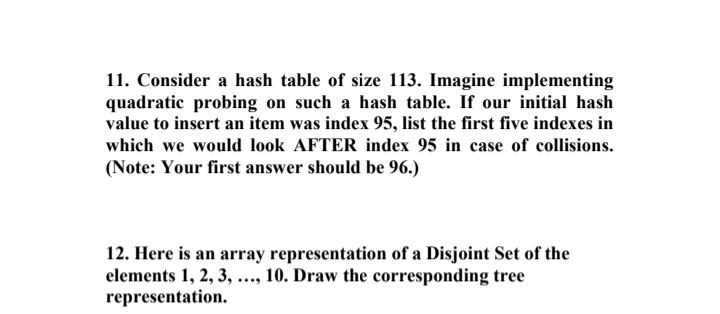
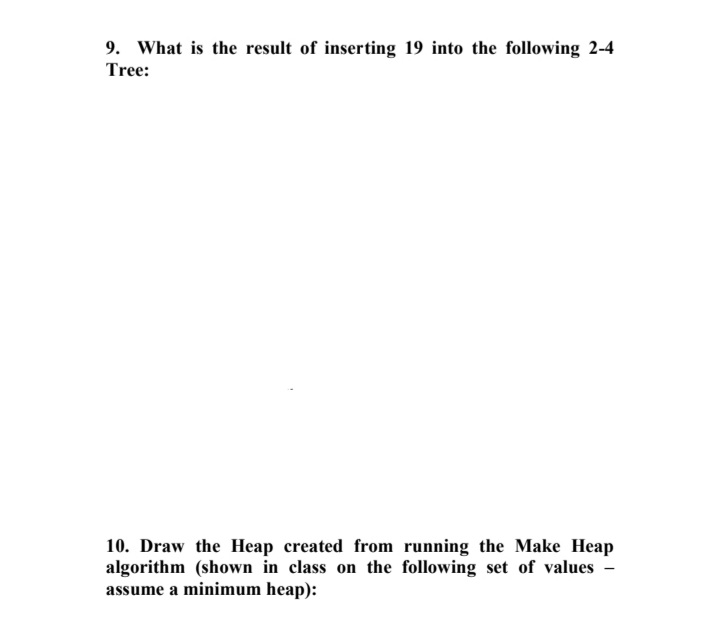
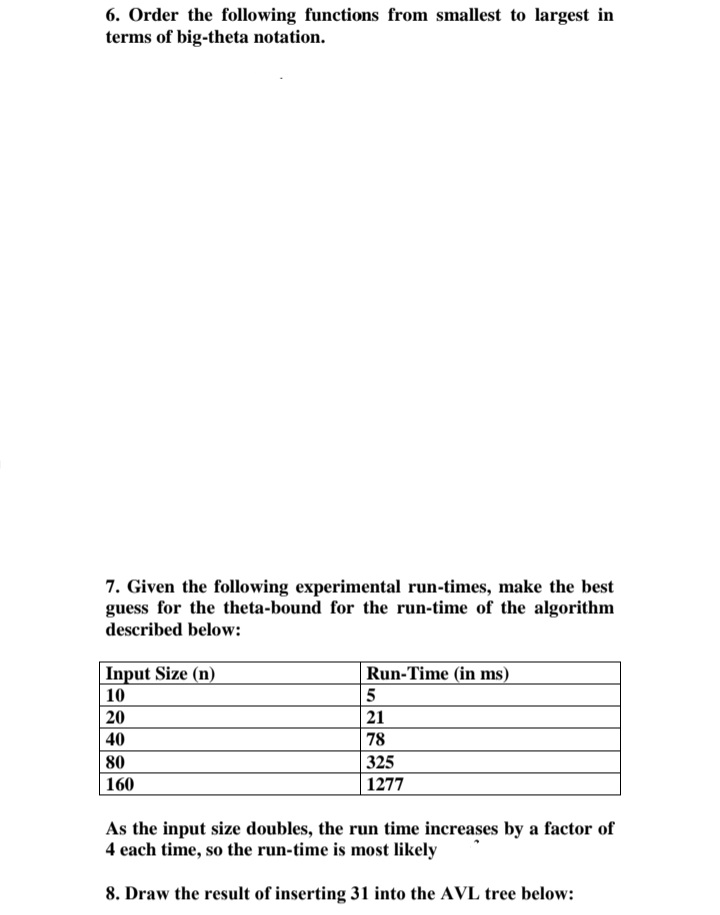
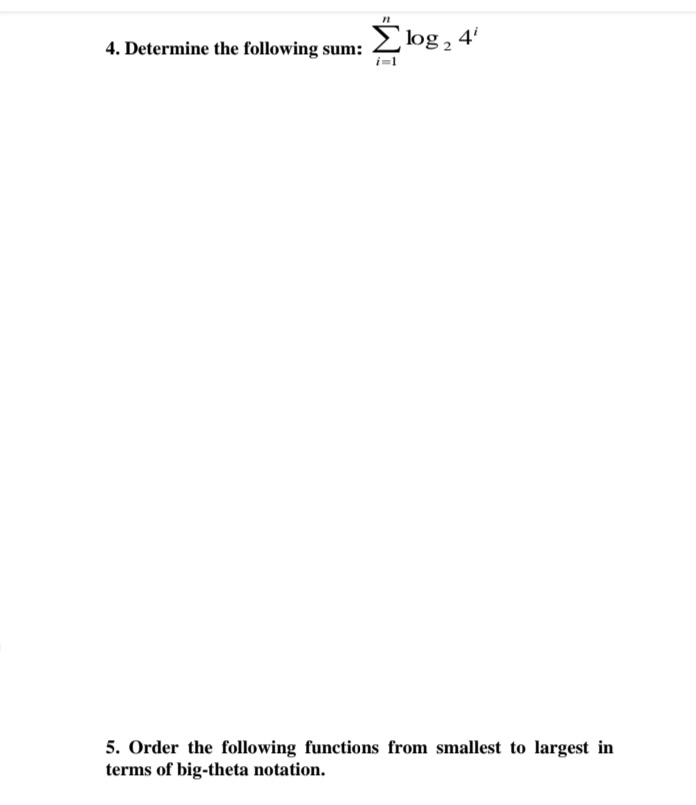
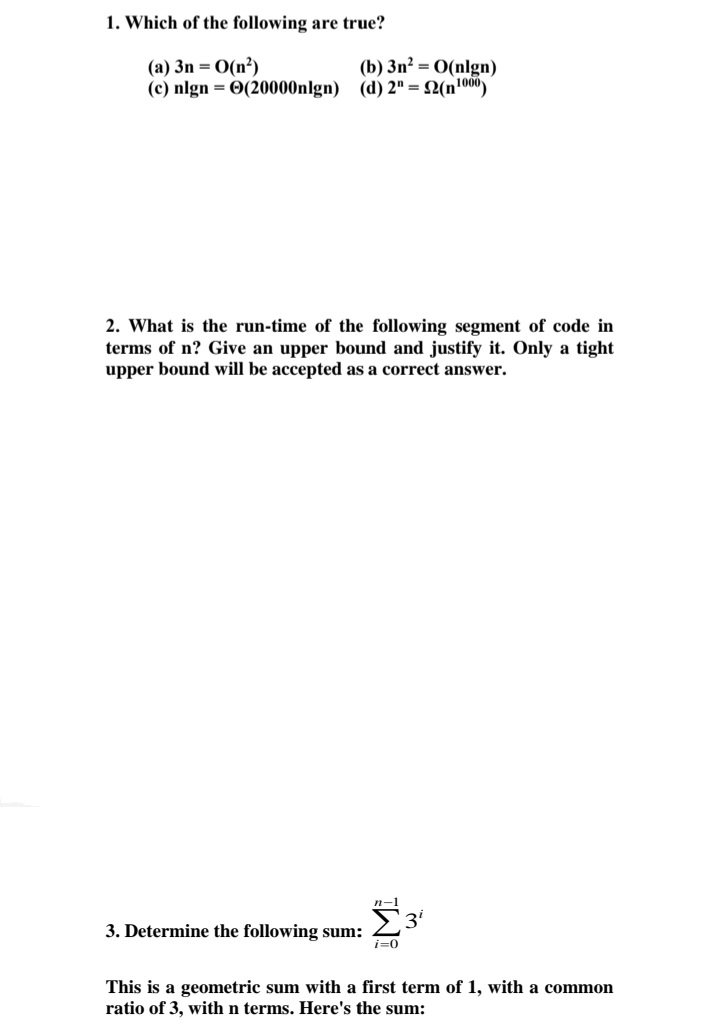
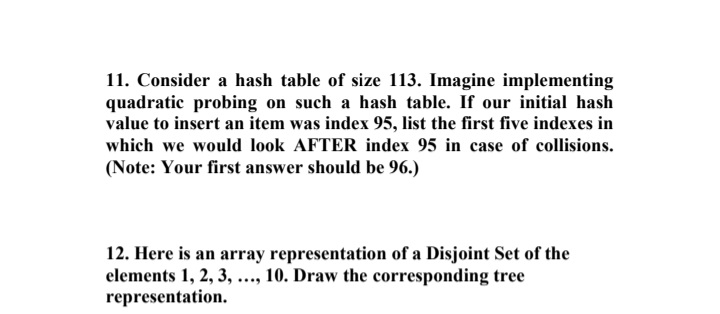
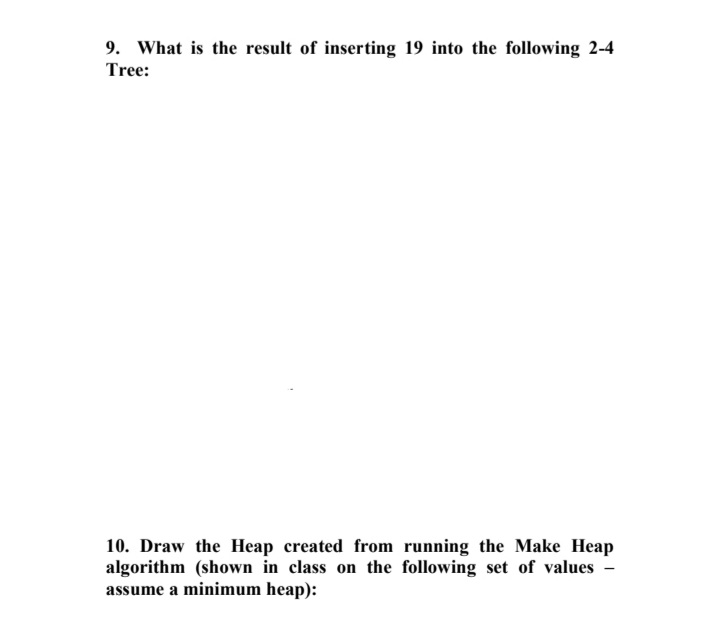
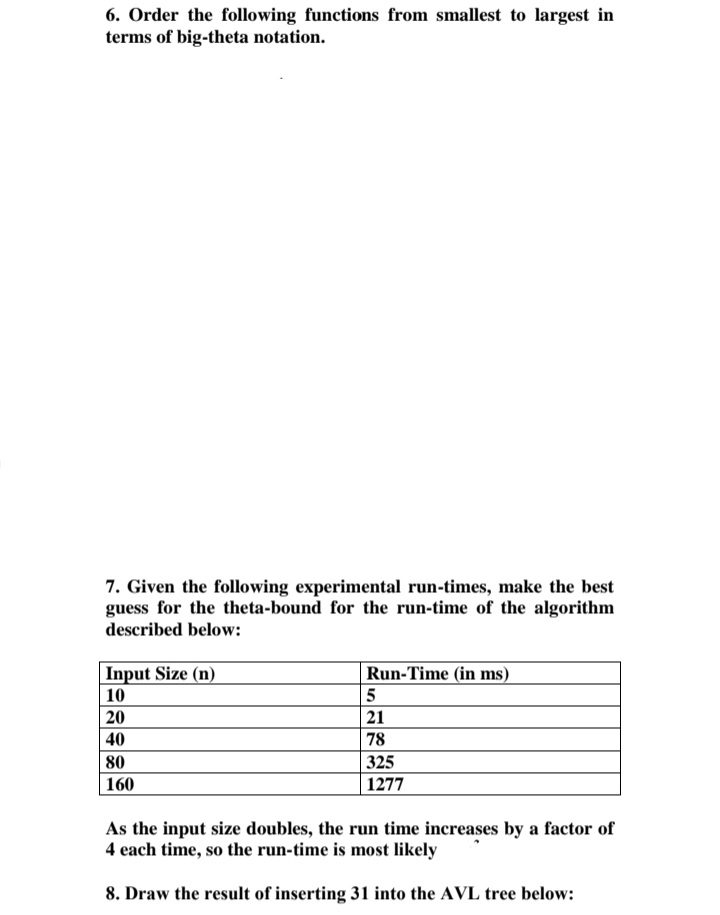
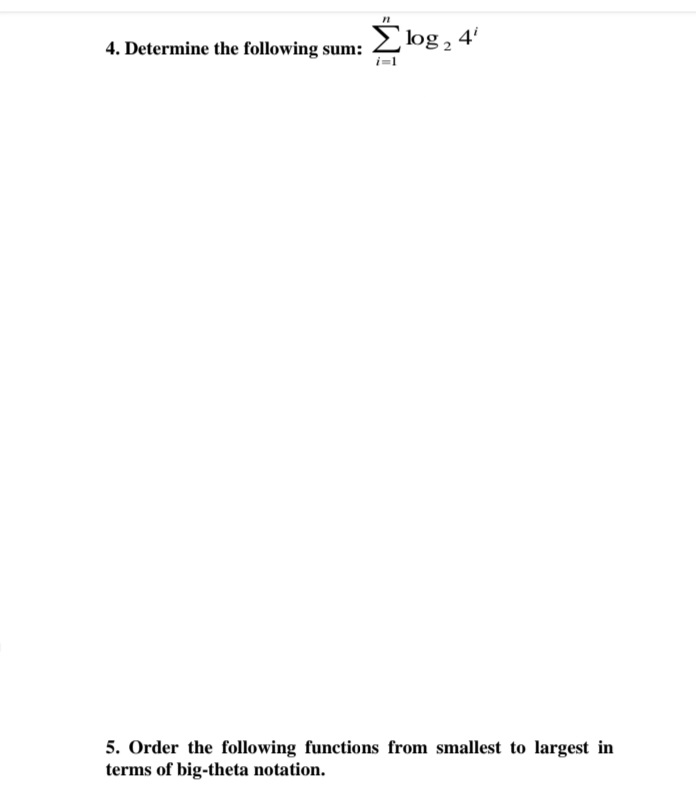
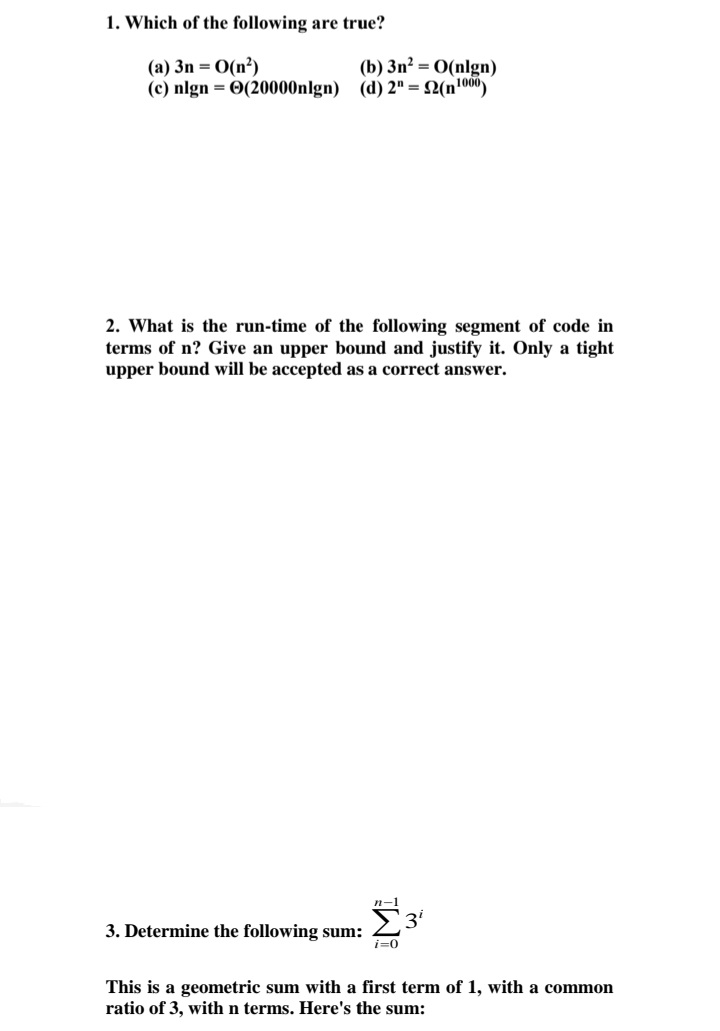
11. Consider a hash table of size 113. Imagine implementing quadratic probing on such a hash table. If our initial hash value to insert an item was index 95, list the first five indexes in which we would look AFTER index 95 in case of collisions. (Note: Your first answer should be 96.) 12. Here is an array representation of a Disjoint Set of the elements 1, 2, 3, ..., 10. Draw the corresponding tree representation.9. What is the result of inserting 19 into the following 2-4 Tree: 10. Draw the Heap created from running the Make Heap algorithm (shown in class on the following set of values - assume a minimum heap):6. Order the following functions from smallest to largest in terms of big-theta notation. 7. Given the following experimental run-times, make the best guess for the theta-bound for the run-time of the algorithm described below: Input Size (n) Run-Time (in ms) 10 5 20 21 40 78 80 325 160 1277 As the input size doubles, the run time increases by a factor of 4 each time, so the run-time is most likely 8. Draw the result of inserting 31 into the AVL tree below:4. Determine the following sum: Clog 2 4' 1=1 5. Order the following functions from smallest to largest in terms of big-theta notation.1. Which of the following are true? (a) 3n = O(n2) (b) 3n' = O(nign) (c) nign = @(20000nign) (d) 2" = 2(n1009) 2. What is the run-time of the following segment of code in terms of n? Give an upper bound and justify it. Only a tight upper bound will be accepted as a correct answer. 3. Determine the following sum: 1=0 This is a geometric sum with a first term of 1, with a common ratio of 3, with n terms. Here's the sum
Step by Step Solution
There are 3 Steps involved in it

Get step-by-step solutions from verified subject matter experts