







Question: - 1.True/False - Globalization has created an interdependent world community. Ay True B. False 2. include population growth, migration, urbanization, and aging populations A) Social
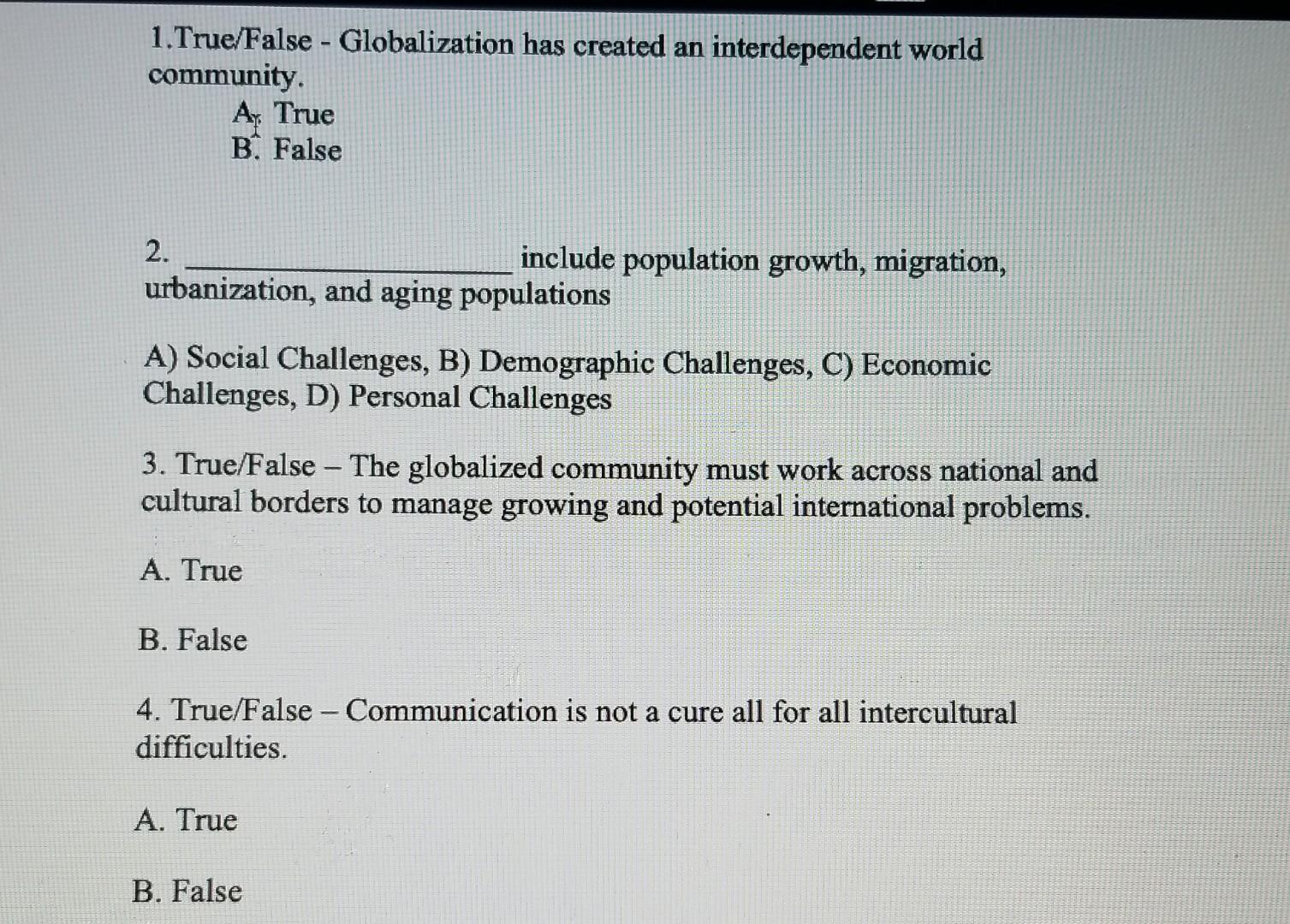
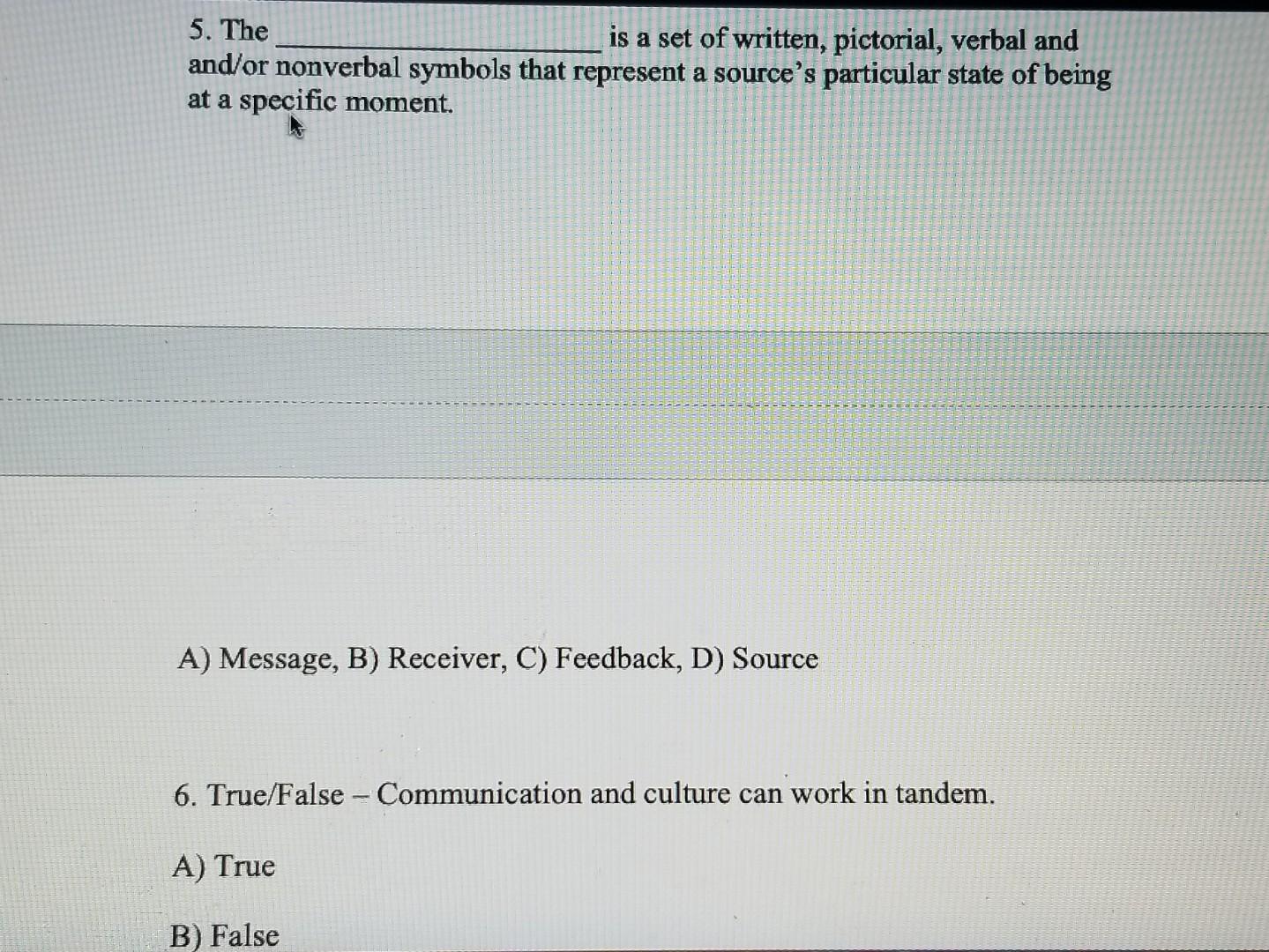
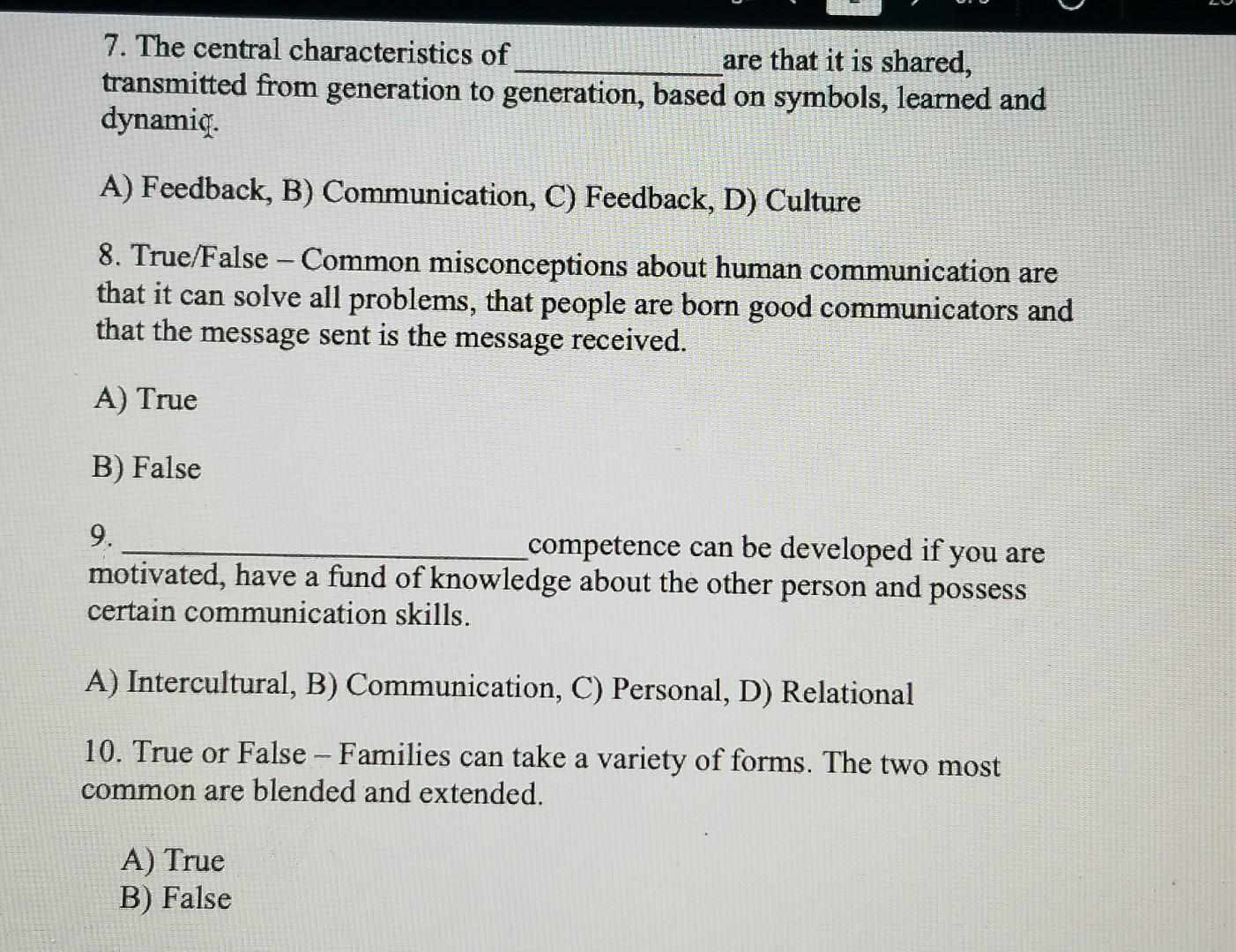
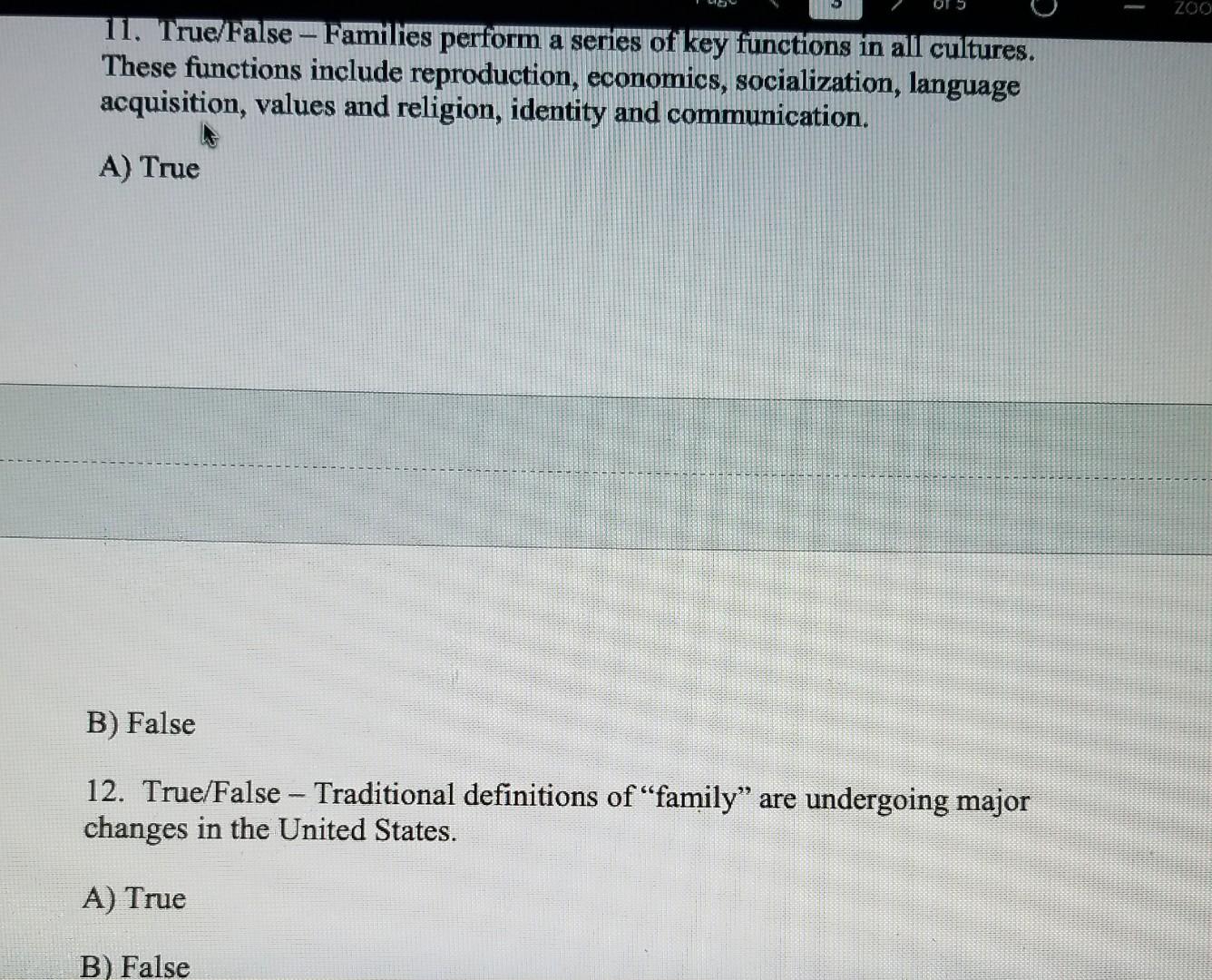
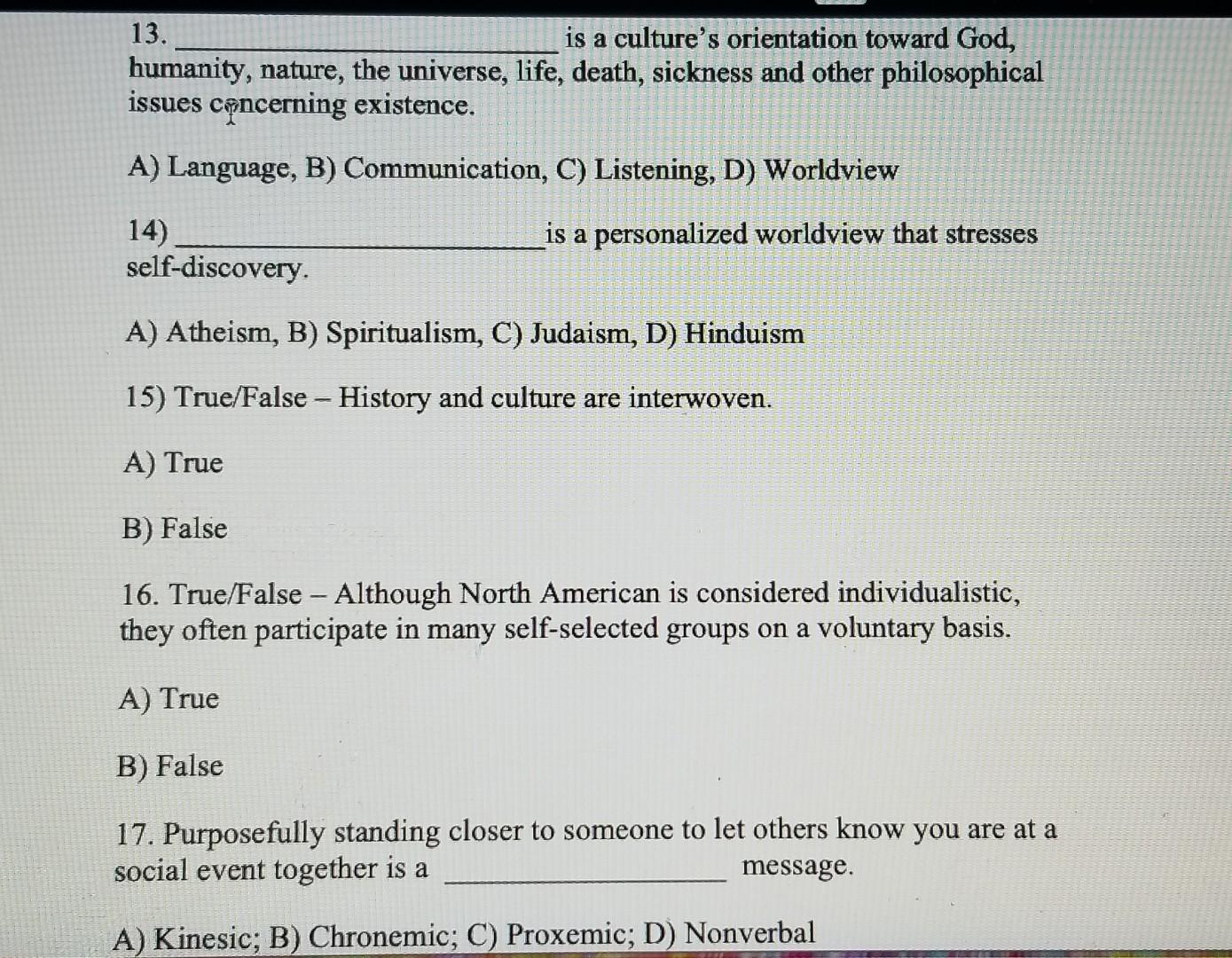
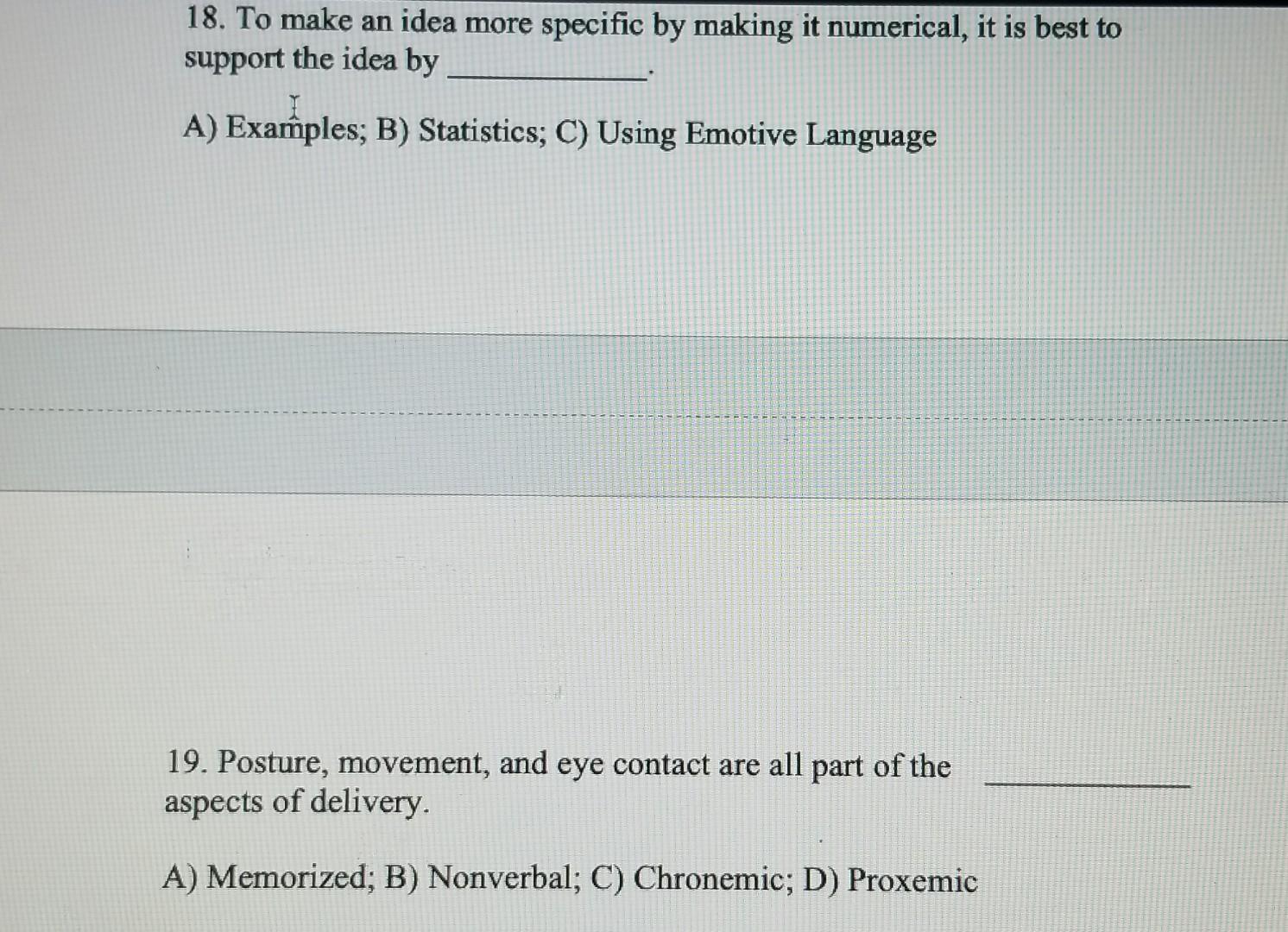
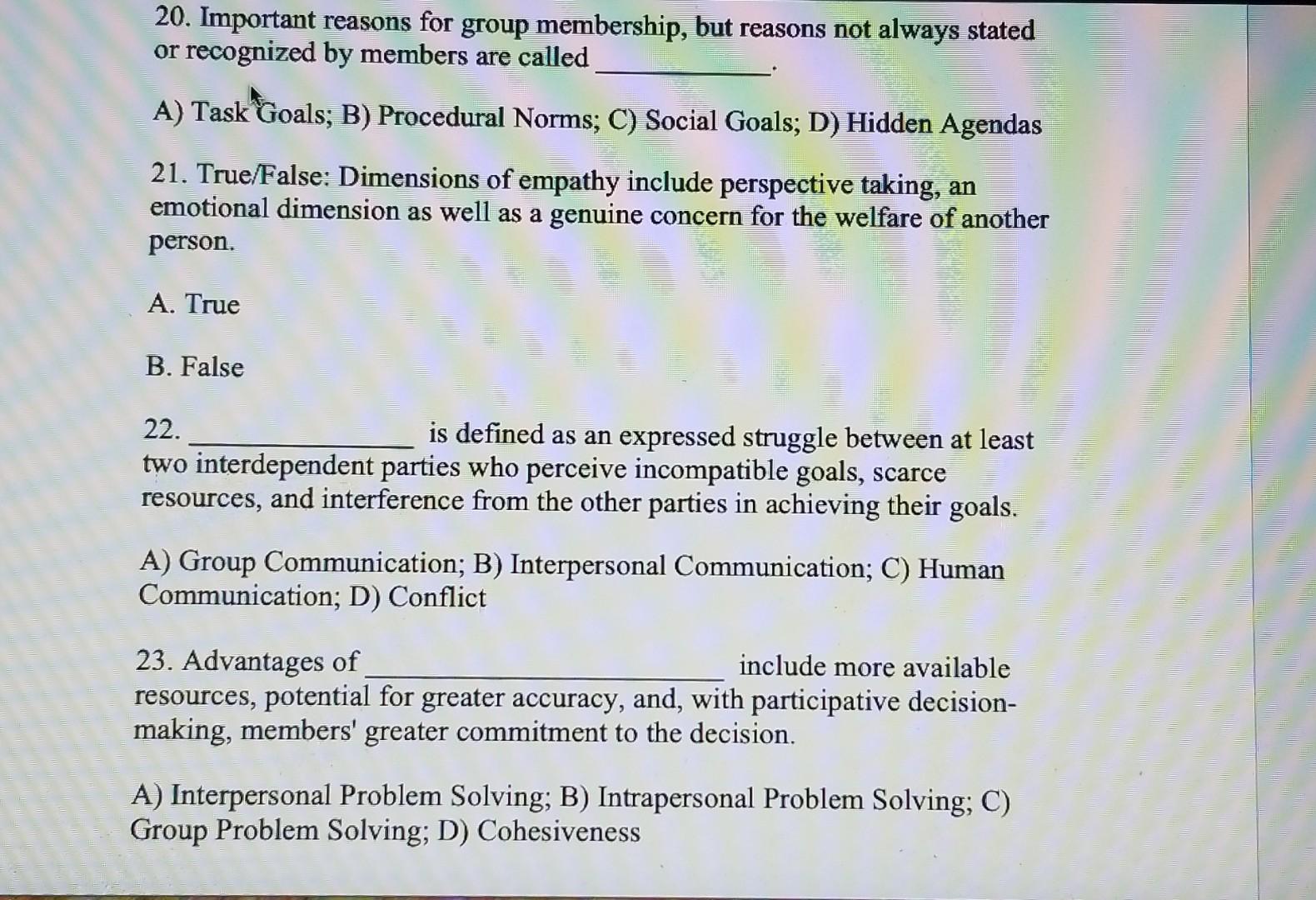
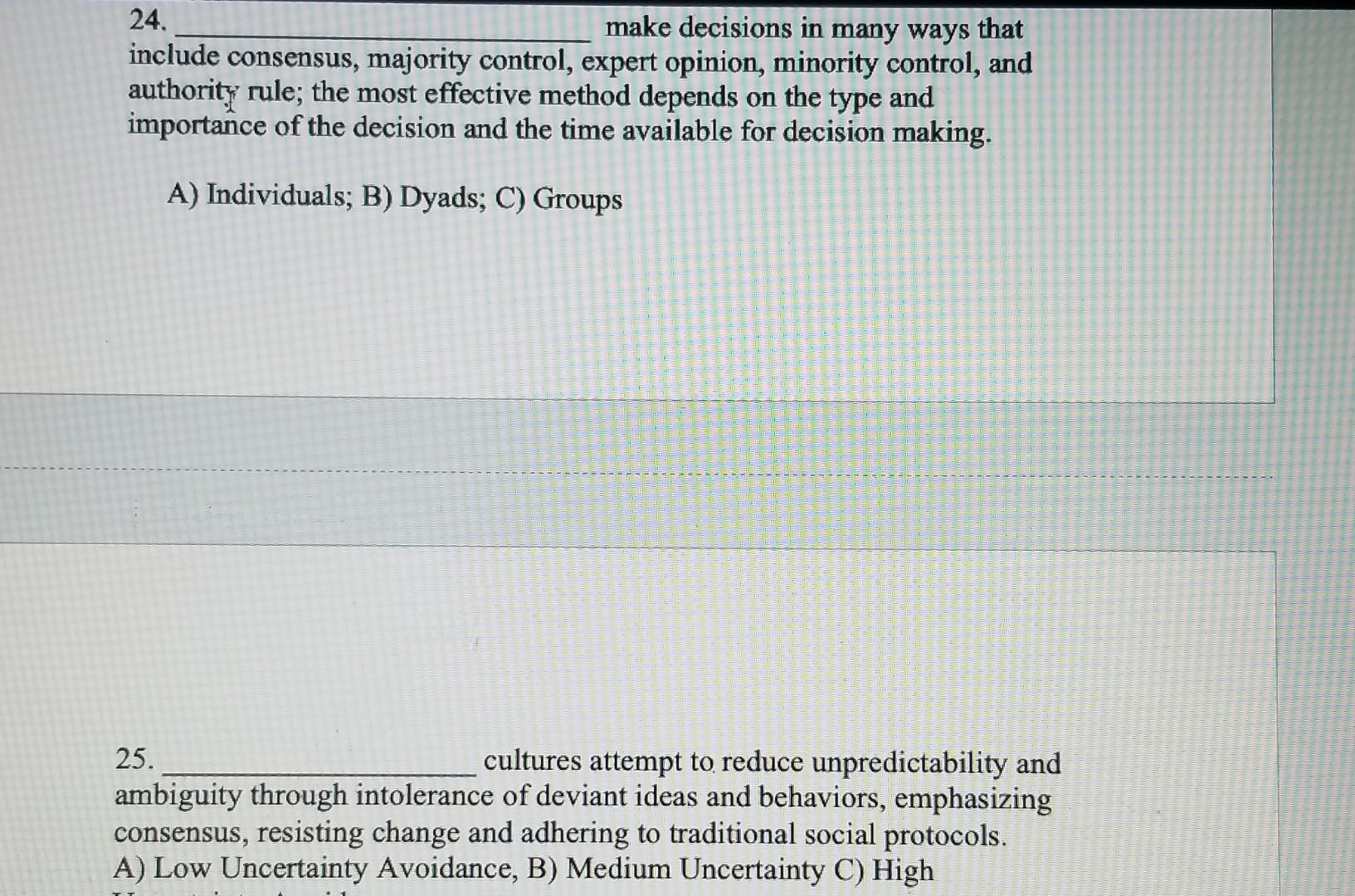
- 1.True/False - Globalization has created an interdependent world community. Ay True B. False 2. include population growth, migration, urbanization, and aging populations A) Social Challenges, B) Demographic Challenges, C) Economic Challenges, D) Personal Challenges 3. True/False The globalized community must work across national and cultural borders to manage growing and potential international problems. A. True B. False 4. True/False - Communication is not a cure all for all intercultural difficulties. A. True B. False 5. The is a set of written, pictorial, verbal and and/or nonverbal symbols that represent a source's particular state of being at a specific moment. A) Message, B) Receiver, C) Feedback, D) Source 6. True/False - Communication and culture can work in tandem. A) True B) False 7. The central characteristics of are that it is shared, transmitted from generation to generation, based on symbols, learned and dynamic. A) Feedback, B) Communication, C) Feedback, D) Culture 8. True/False - Common misconceptions about human communication are that it can solve all problems, that people are born good communicators and that the message sent is the message received. A) True B) False 9. competence can be developed if you are motivated, have a fund of knowledge about the other person and possess certain communication skills. A) Intercultural, B) Communication, C) Personal, D) Relational 10. True or False - Families can take a variety of forms. The two most common are blended and extended. A) True B) False ZOO 11. True False - Families perform a series of key functions in all cultures. These functions include reproduction, economics, socialization, language acquisition, values and religion, identity and communication. A) True B) False 12. True/False - Traditional definitions of family" are undergoing major changes in the United States. A) True B) False 13. is a culture's orientation toward God, humanity, nature, the universe, life, death, sickness and other philosophical issues concerning existence. A) Language, B) Communication, C) Listening, D) Worldview 14) self-discovery. is a personalized worldview that stresses A) Atheism, B) Spiritualism, C) Judaism, D) Hinduism 15) True/False - History and culture are interwoven. A) True B) False - 16. True/False Although North American is considered individualistic, they often participate in many self-selected groups on a voluntary basis. A) True B) False 17. Purposefully standing closer to someone to let others know you are at a social event together is a message. A) Kinesic; B) Chronemic; C) Proxemic; D) Nonverbal 18. To make an idea more specific by making it numerical, it is best to support the idea by A) Examples; B) Statistics; C) Using Emotive Language 19. Posture, movement, and eye contact are all part of the aspects of delivery. A) Memorized; B) Nonverbal; C) Chronemic; D) Proxemic 20. Important reasons for group membership, but reasons not always stated or recognized by members are called A) Task Goals; B) Procedural Norms; C) Social Goals; D) Hidden Agendas 21. True/False: Dimensions of empathy include perspective taking, an emotional dimension as well as a genuine concern for the welfare of another person. A. True B. False 22. is defined as an expressed struggle between at least two interdependent parties who perceive incompatible goals, scarce resources, and interference from the other parties in achieving their goals. A) Group Communication; B) Interpersonal Communication; C) Human Communication; D) Conflict 23. Advantages of include more available resources, potential for greater accuracy, and, with participative decision- making, members' greater commitment to the decision. A) Interpersonal Problem Solving; B) Intrapersonal Problem Solving; C) Group Problem Solving; D) Cohesiveness 24. make decisions in many ways that include consensus, majority control, expert opinion, minority control, and authority rule; the most effective method depends on the type and importance of the decision and the time available for decision making. A) Individuals; B) Dyads; C) Groups 25. cultures attempt to reduce unpredictability and ambiguity through intolerance of deviant ideas and behaviors, emphasizing consensus, resisting change and adhering to traditional social protocols. A) Low Uncertainty Avoidance, B) Medium Uncertainty C) High
Step by Step Solution
There are 3 Steps involved in it
1 Expert Approved Answer
Step: 1 Unlock

Question Has Been Solved by an Expert!
Get step-by-step solutions from verified subject matter experts
Step: 2 Unlock
Step: 3 Unlock
 Study Help