







Question: 2.2 essay Extended Definition Essay : SUCCESS REDEFINED: PURPOSE, PROGRESS AND PERSPECTIVE IntroductionEveryone desires success, but what exactly does it mean to be successful?
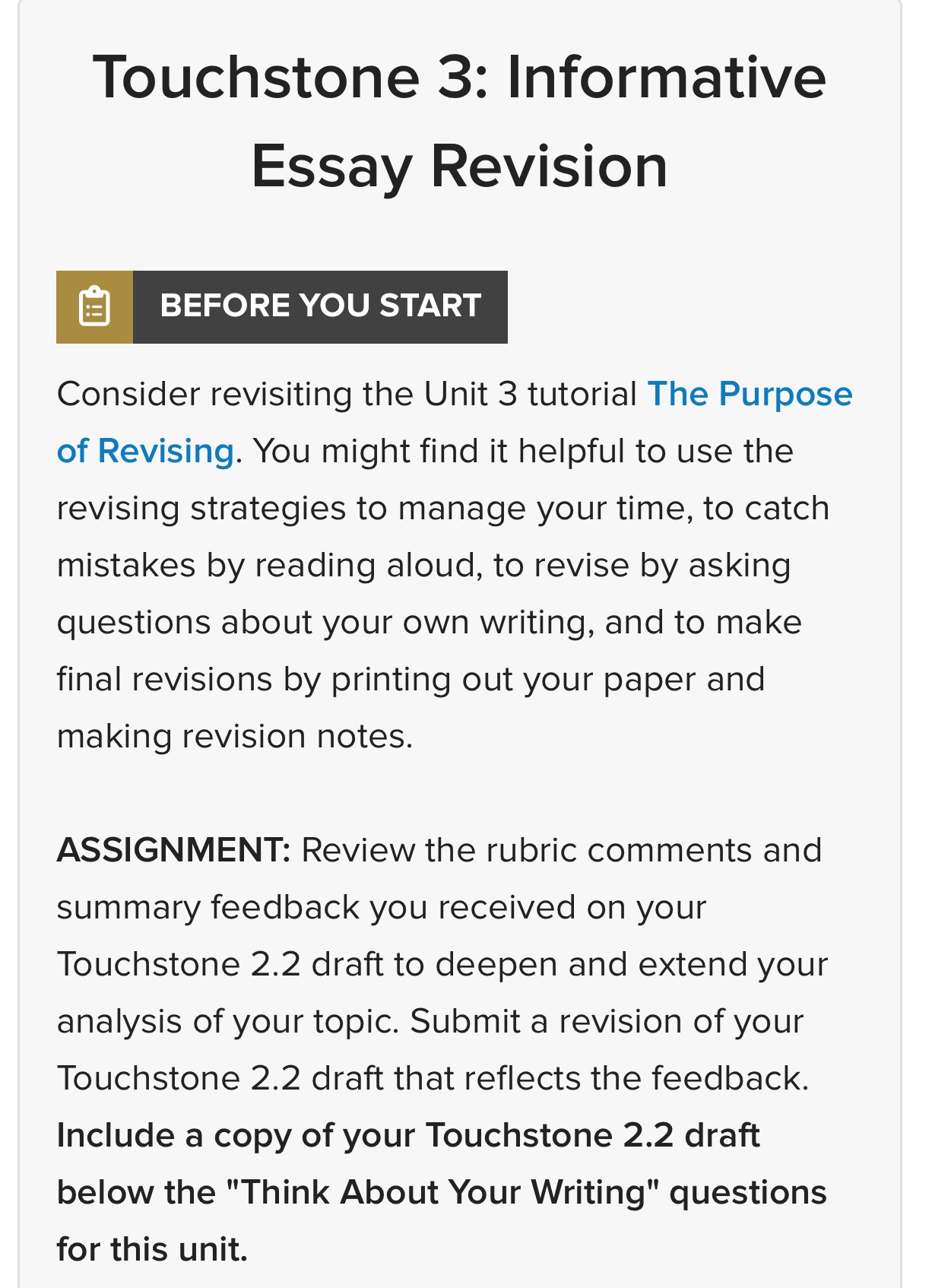
2.2 essay Extended Definition Essay : "SUCCESS REDEFINED: PURPOSE, PROGRESS AND PERSPECTIVE " IntroductionEveryone desires success, but what exactly does it mean to be "successful"? For some, success is a high-paying job. For others, it is good health, strong relationships, or inner peace. Success is not a fixed destination or a universal concept.It is a personal, evolving, and multi-dimensional journey. What is Success?Success is commonly defined as the accomplishment of an aim or purpose. However, this dictionary definition doesn't fully capture the complexity of the term. True success varies depending on individual values, cultural backgrounds, life experiences, and personal goals. What may look like success to one person, owning a mansion or getting a promotion might feel empty to another who values freedom, simplicity, or creativity.Success can be external (money, fame, awards) or internal (satisfaction, peace of mind, fulfillment). It can be short-term (passing an exam) or long-term (raising a happy family, living a meaningful life). This flexibility makes success both empowering and challenging to define. Characteristics of SuccessWhile the definition of success may differ, there are some key characteristics that often accompany it:1. Goal Achievement: At its core, success involves setting goals and reaching them. Whether it's academic, professional, or personal, success usually follows hard work and persistence.2. Growth and Progress: Success isn't just about results?it's also about progress. Many people find success in personal development, learning from failure, and improving over time.3. Balance: A truly successful life often includes balance among career, relationships, health, and personal well-being. Too much focus on one area may bring imbalance and dissatisfaction.4. Purpose and Meaning: Success often includes a sense of purpose. People who feel that their actions matter or that they contribute to something greater often report feeling more successful.Types of SuccessSuccess manifests in different areas of life. Here are several types commonly observed:? Professional Success: Achieving one's career goals, gaining recognition, promotions, or running a successful business.? Academic Success: Performing well in school, mastering a subject, or earning degrees.? Personal Success: Becoming more self-aware, achieving inner peace, building confidence, or overcoming fears.? Social Success: Forming meaningful relationships, having a strong support system, or contributing positively to society.? Spiritual Success: Living in harmony with one's beliefs or feeling connected to a higher purpose or inner self.The Role of Mindset in SuccessOne of the most crucial but often overlooked components of success is mindset. The way a person thinks about themselves, their abilities, and their challenges?can either fuel progress or hinder it. Psychologist Carol Dweck introduced the concept of "growth mindset", which refers to the belief that abilities and intelligence can be developed with effort and perseverance. In contrast, a "fixed mindset"assumes that talent and intelligence are static traits. People with a growth mindset are more likely to embrace challenges, persist after failure, and learn from criticism, all essential behaviours for achieving success. Whether it's a student aiming to improve grades or an entrepreneur trying to launch a business, the mindset they bring to the table can dramatically influence the outcome. In this way, success becomes less about circumstances and more about attitude. Explanation:Measuring SuccessOne of the biggest challenges is how success is measured. Society often measures success by material wealth, academic achievement, or popularity. However, these external measures can be misleading. A more realistic approach is self-defined success, one that aligns with personal values and goals.For example, a teacher who positively impacts students' lives might not be rich or famous, but can still be considered highly successful. Similarly, someone who manages to maintain mental health, raise children with care, or serve their community can be viewed as successful by more meaningful standards. Achieving SuccessAlthough success means different things to different people, certain strategies can help individuals reach their version of success:? Set Clear Goals: Knowing what you want is the first step. Set short-term and long-term goals that are meaningful to you.? Work Hard and Stay Consistent: Success often requires sustained effort, discipline, and dedication.? Learn from Failure: Every failure teaches a lesson. Those who succeed are often those who keep going despite setbacks.? Surround Yourself with Support: Encouragement from family, friends, or mentors can keep you motivated.? Stay True to Yourself: The most lasting success is the kind that reflects your values, not someone else's expectations.ConclusionSuccess is not a single path, prize, or position. It is a deeply personal concept, shaped by values, dreams, and experiences. Whether it's being the best in your profession, living a healthy life, or finding peace and purpose, success is about fulfillment - not comparison. When individuals define success for themselves and pursue it with clarity and dedication, they move toward a life of meaning and contentment.Color-Coding Activity(Use colored highlighters or font colors for each category in your essay draft.)? Thesis Statement (Highlight in Yellow):"Success is not a fixed destination or a universal concept-it is a personal, evolving, and multi-dimensional journey."? Topic Sentences (Highlight in Blue):Each paragraph's first sentence that introduces the main idea (e.g., "Success is commonly defined as the accomplishment...")? Supporting Details (Highlight in Green):Examples, explanations, and lists (e.g., "Professional Success," "Set Clear Goals," etc.)? Transitions (Highlight in Pink):Words like "however," "at its core," "for example," "in conclusion," etc.? Conclusion (Highlight in Purple):"Success is not a single path, prize, or position..."Think About Your Writing1. What do you want your audience to learn from your essay?I want readers to understand that success should be defined personally, not by societal standards. True success is about purpose, progress, and inner fulfillment.2. Which details or examples are you most proud of? Why?I'm proud of how I explained different types of success-personal, academic, spiritual, because it shows how success looks different for everyone.3. What was most difficult about writing your essay, and how did you overcome it?It was hard to avoid using clichs about success. I overcame this by focusing on real-life examples and emphasising self-defined success over materialism.4. What did you learn about informative writing from this assignment?I learned that informative writing isn't just about giving facts. It's about organising ideas clearly, using strong examples, and helping readers understand complex topics in a meaningful way.
Step by Step Solution
There are 3 Steps involved in it

Get step-by-step solutions from verified subject matter experts
 Study Help