







Question: 2D Problem and calculus ( 4 points ) Learning Objectives: Describe motion of an object subjected to two perpendicular motions. A river has the width
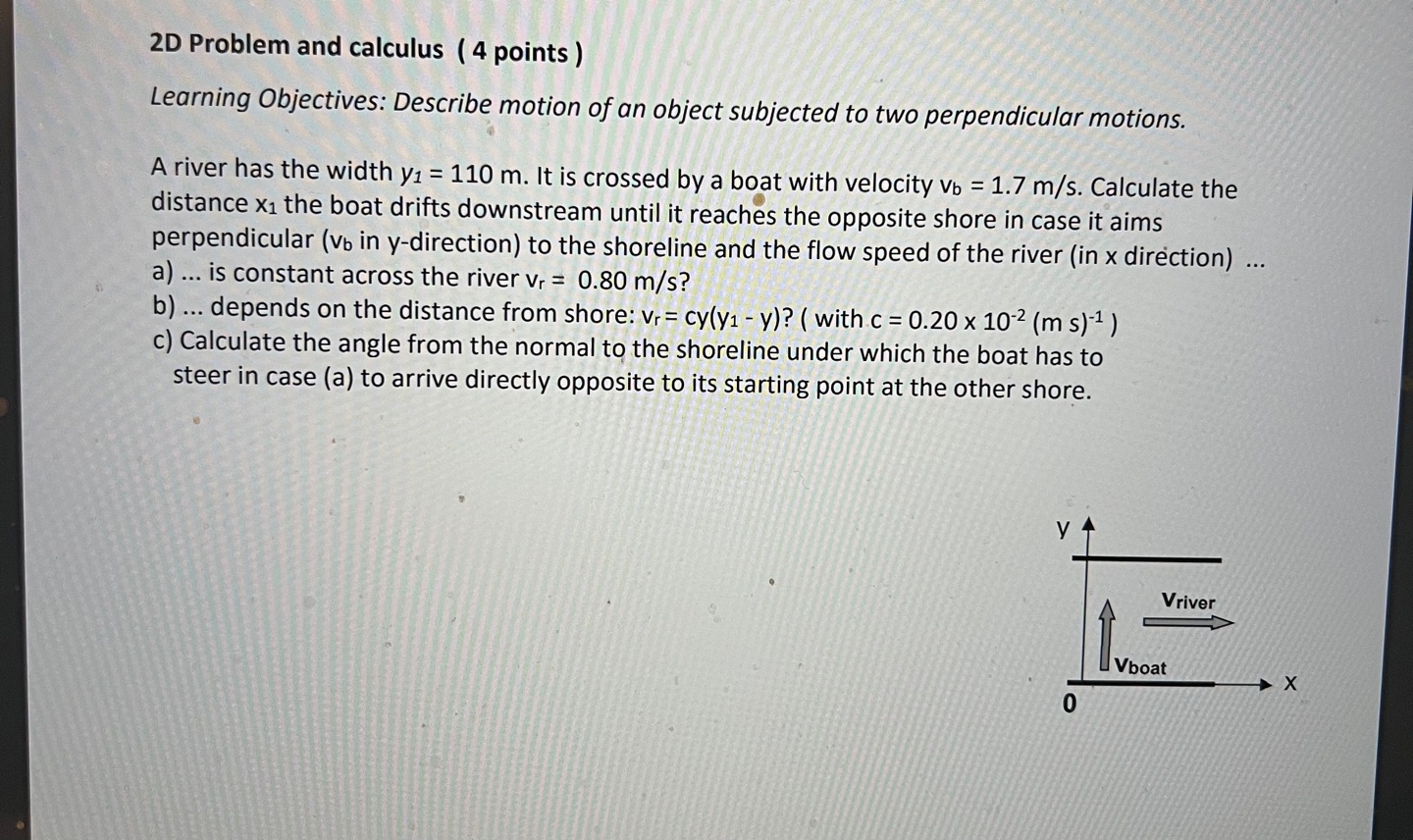
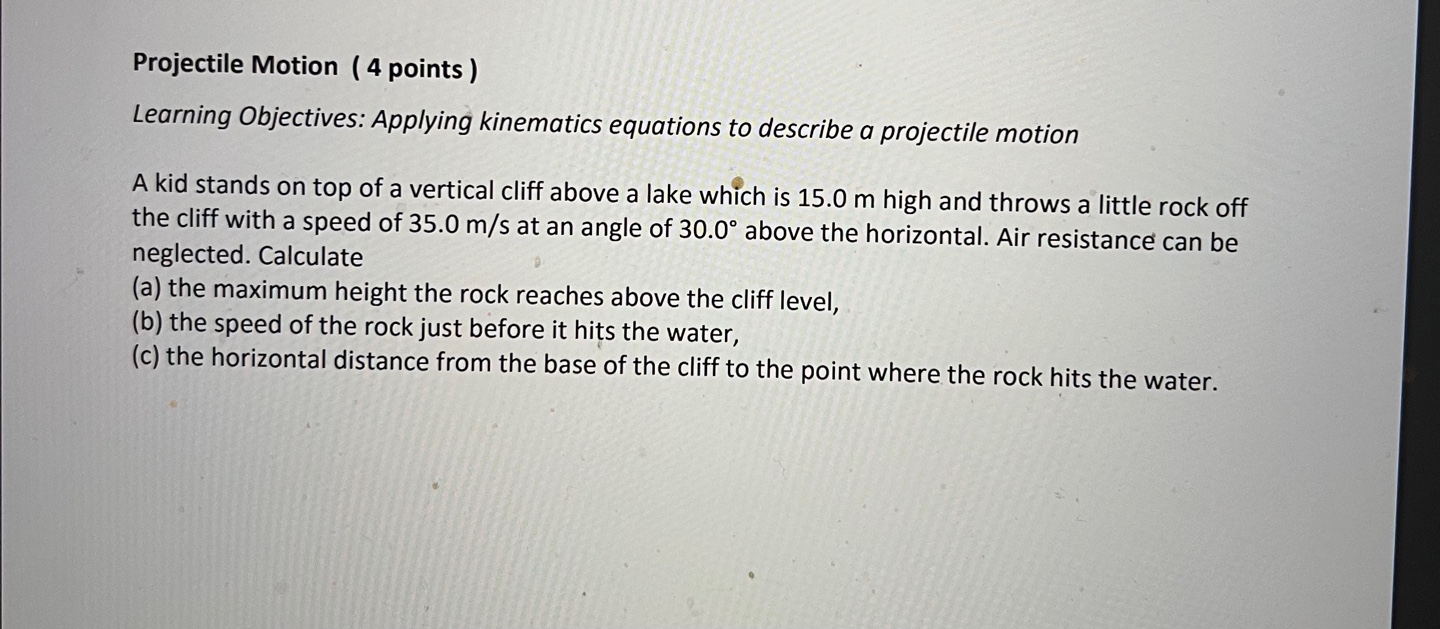
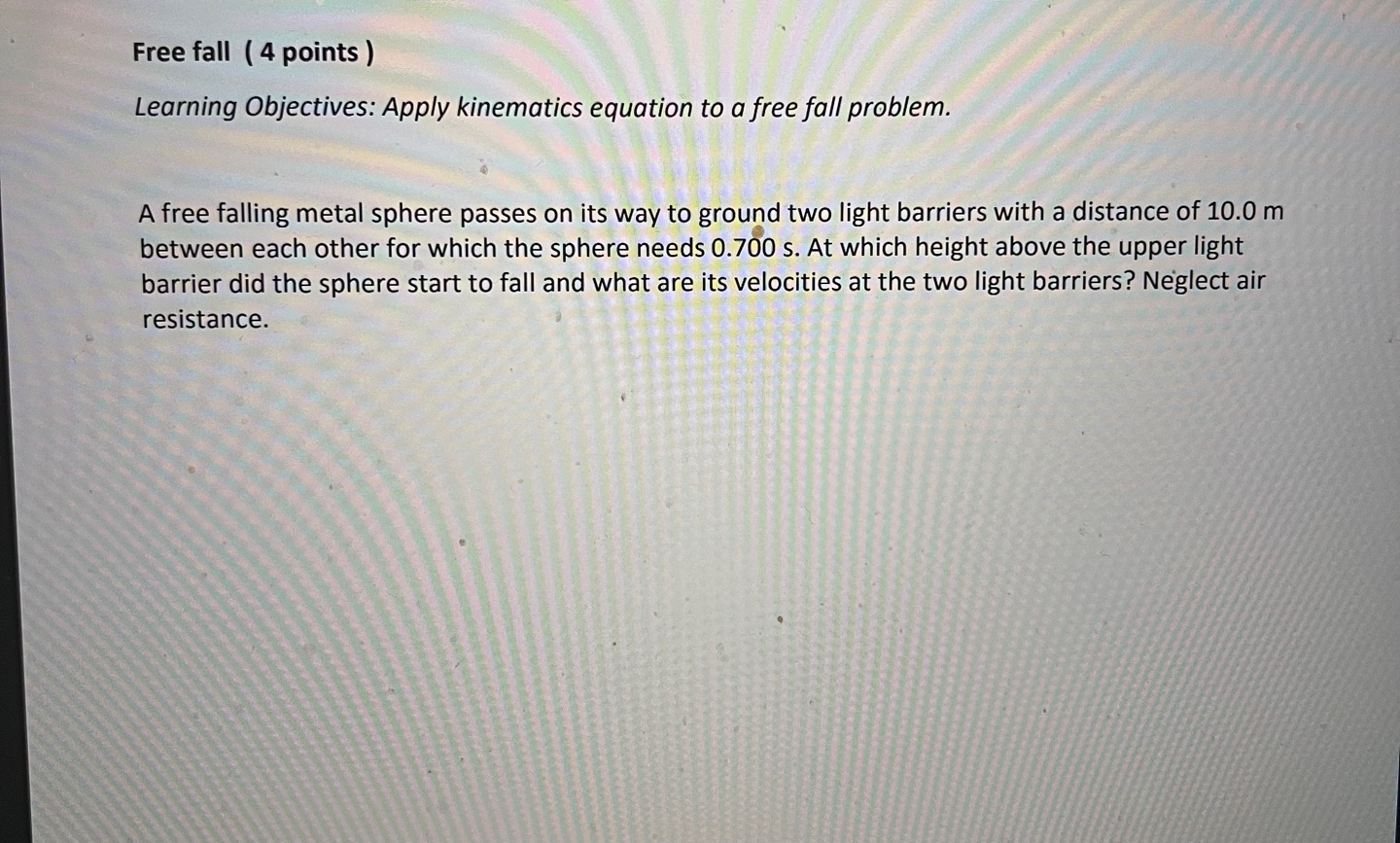
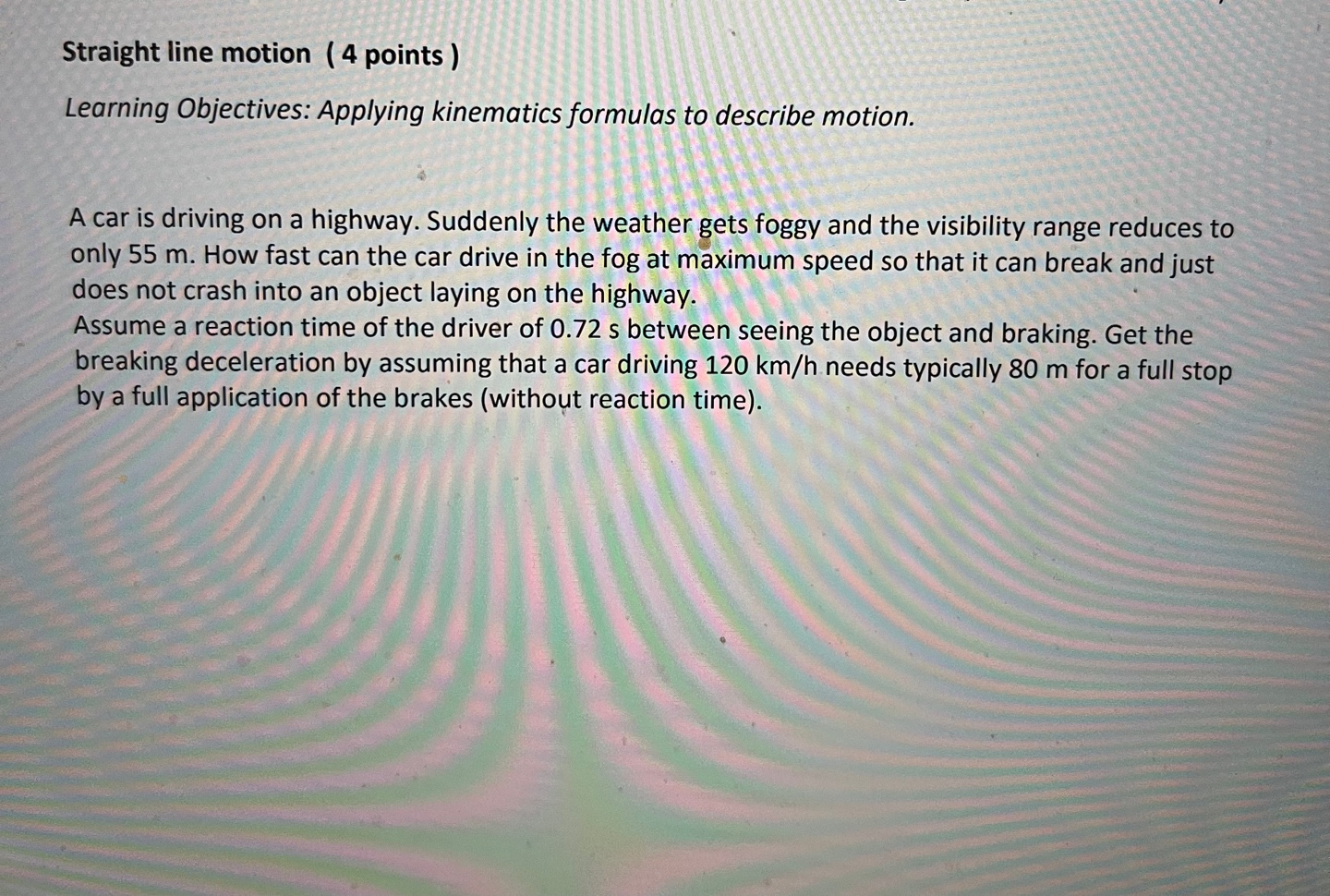
2D Problem and calculus ( 4 points ) Learning Objectives: Describe motion of an object subjected to two perpendicular motions. A river has the width y1 = 110 m. It is crossed by a boat with velocity vb = 1.7 m/s. Calculate the distance x1 the boat drifts downstream until it reaches the opposite shore in case it aims perpendicular (vb in y-direction) to the shoreline and the flow speed of the river (in x direction) ... a) ... is constant across the river vr = 0.80 m/s? b) ... depends on the distance from shore: vr = cy(y1 - y)? ( with c = 0.20 x 10⁻² (m s)-1 ) c) Calculate the angle from the normal to the shoreline under which the boat has to steer in case (a) to arrive directly opposite to its starting point at the other shore. y Vriver Vboat X OProjectile Motion ( 4 points ) Learning Objectives: Applying kinematics equations to describe a projectile motion A kid stands on top of a vertical cliff above a lake which is 15.0 m high and throws a little rock off the cliff with a speed of 35.0 m/s at an angle of 30.0 above the horizontal. Air resistance can be neglected. Calculate (a) the maximum height the rock reaches above the cliff level, (b) the speed of the rock just before it hits the water, (c) the horizontal distance from the base of the cliff to the point where the rock hits the water.Free fall ( 4 points ) Learning Objectives: Apply kinematics equation to a free fall problem. A free falling metal sphere passes on its way to ground two light barriers with a distance of 10.0 m between each other for which the sphere needs 0.700 s. At which height above the upper light barrier did the sphere start to fall and what are its velocities at the two light barriers? Neglect air resistance.Straight line motion ( 4 points ) Learning Objectives: Applying kinematics formulas to describe motion. A car is driving on a highway. Suddenly the weather gets foggy and the visibility range reduces to only 55 m. How fast can the car drive in the fog at maximum speed so that it can break and just does not crash into an object laying on the highway. Assume a reaction time of the driver of 0.72 s between seeing the object and braking. Get the breaking deceleration by assuming that a car driving 120 km/h needs typically 80 m for a full stop by a full application of the brakes (without reaction time)
Step by Step Solution
There are 3 Steps involved in it

Get step-by-step solutions from verified subject matter experts
 Study Help