







Question: 3. Complete the condensed Income Statement below (round to a whole number) Valle Inc. Income Statement For the Year Ended December 31, 2014 FIFO LIFO
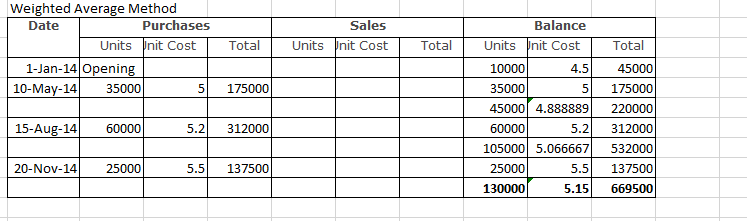
| 3. | Complete the condensed Income Statement below (round to a whole number) | |||||||||||||
| Valle Inc. | ||||||||||||||
| Income Statement | ||||||||||||||
| For the Year Ended December 31, 2014 | ||||||||||||||
| FIFO | LIFO | Average Cost | ||||||||||||
| Sales | $ | |||||||||||||
| Less: | Sales returns and allowances | |||||||||||||
| Sales discounts | ||||||||||||||
| Net sales | ||||||||||||||
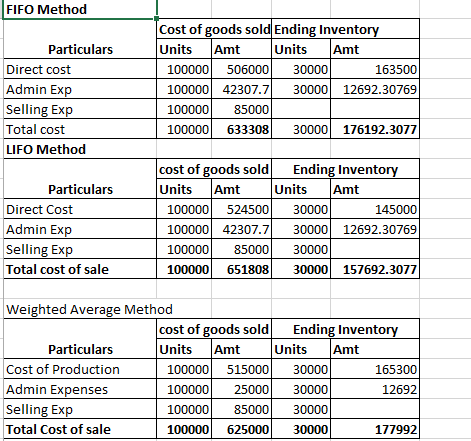
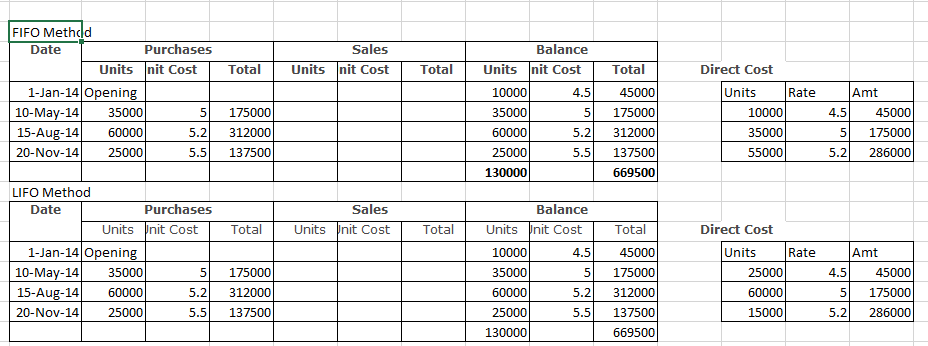
| Cost of goods sold | ||||||||||||||
| Gross profit | ||||||||||||||
| Operating expenses: | ||||||||||||||
| Selling expenses | ||||||||||||||
| Administrative expenses | ||||||||||||||
| Total operating expenses | ||||||||||||||
| Income from operations - before income taxes | ||||||||||||||
| Income taxes (21%) | ||||||||||||||
| Net income | $ | |||||||||||||
| Valle Inc. | ||||||||||||||
| Retained Earnings Statement | ||||||||||||||
| For the Year Ended December 31, 2014 | ||||||||||||||
| FIFO | LIFO | Average Cost | ||||||||||||
| Retained Earnings, January 1, 2014 | $ | 71,893 | $ | 71,893 | $ | 71,893 | ||||||||
| Net income | ||||||||||||||
| Less: Dividends | 3,000 | 3,000 | 3,000 | |||||||||||
| Increase in retained earnings | ||||||||||||||
| Retained Earnings, December 31, 2014 | ||||||||||||||
| Valle Inc. | ||||||||||||||
| Balance Sheet | ||||||||||||||
| December 31, 2014 | ||||||||||||||
| FIFO | LIFO | Average Cost | ||||||||||||
| Current Assets: | ||||||||||||||
| Cash | 36,013 | 36,013 | 36,013 | |||||||||||
| Accounts Receivable | 13,600 | 13,600 | 13,600 | |||||||||||
| Merchandise Inventory | ||||||||||||||
| Total Current Assets | ||||||||||||||
| Plant Assets: | ||||||||||||||
| Equipment | 165,000 | 165,000 | 165,000 | |||||||||||
| Less: Accumuluated Depreciation | 99,000 | 99,000 | 99,000 | |||||||||||
| Total plant assets | 66,000 | 66,000 | 66,000 | |||||||||||
| Total Assets | ||||||||||||||
| Current Liabilities: | ||||||||||||||
| Accounts Payable | 17,800 | 17,800 | 17,800 | |||||||||||
| Taxes Payable | ||||||||||||||
| Total current liabilities | ||||||||||||||
| Common Stock | 50,000 | 50,000 | 50,000 | ` | ||||||||||
| Retained Earnings | ||||||||||||||
| Total Stockholders' Equity | ||||||||||||||
| Total liabilities and stockholders' equity | ||||||||||||||
| FIFO | LIFO | Average Cost | ||||||||||||
| check | 0 | 0 | 0 | |||||||||||
| 4. | Answer the following questions: | FIFO | LIFO | Average Cost | ||||||||||
| a. | Calculate the gross profit percentage: | |||||||||||||
| (round to one decimal place) | ||||||||||||||
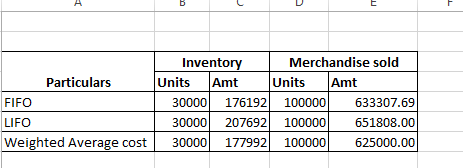
| b. | In this example, which of the three inventory costing methods results in the highest total assets? Why? | |||||||||||||
| In this example, which of the three inventory costing methods results in the highest owner's equity? Why? | ||||||||||||||
| c. | ||||||||||||||
| Would your answer to b. & c. above change if the units prices had decreased with each purchase? Why? | ||||||||||||||
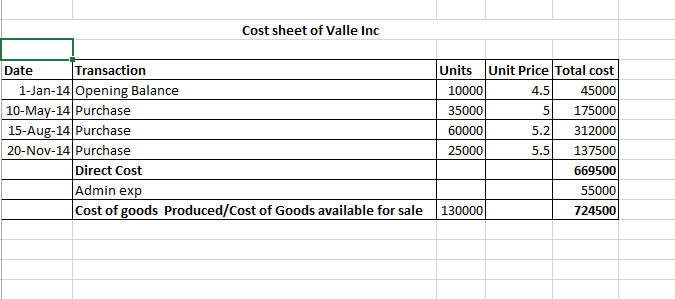
| d. | Where did the 10,000 units in beginning inventory come from? | |||||||||||||
| e. | In each method the dollar amount of ending inventory + the dollar amount of cost of goods sold | |||||||||||||
| will always equal what? | ||||||||||||||
Step by Step Solution
There are 3 Steps involved in it
1 Expert Approved Answer
Step: 1 Unlock

Question Has Been Solved by an Expert!
Get step-by-step solutions from verified subject matter experts
Step: 2 Unlock
Step: 3 Unlock
 Study Help