







Question: 3-2 Discussion: The Importance of Data Visualizations Data visualization methods offer a different landscape for explaining situations using data. Graphical representations of information, if
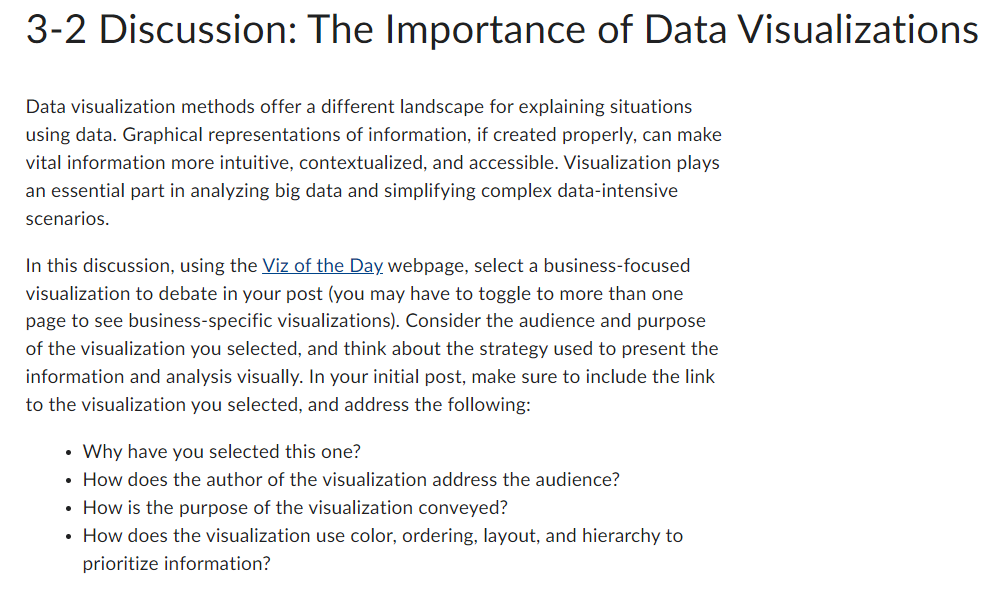
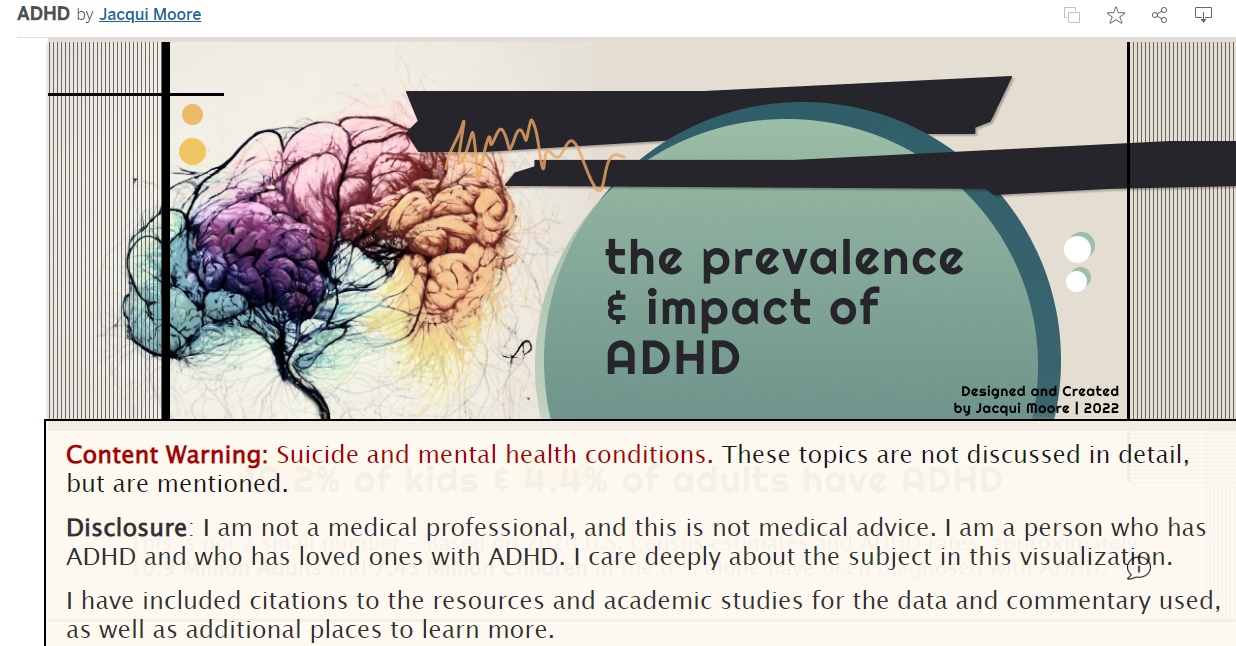
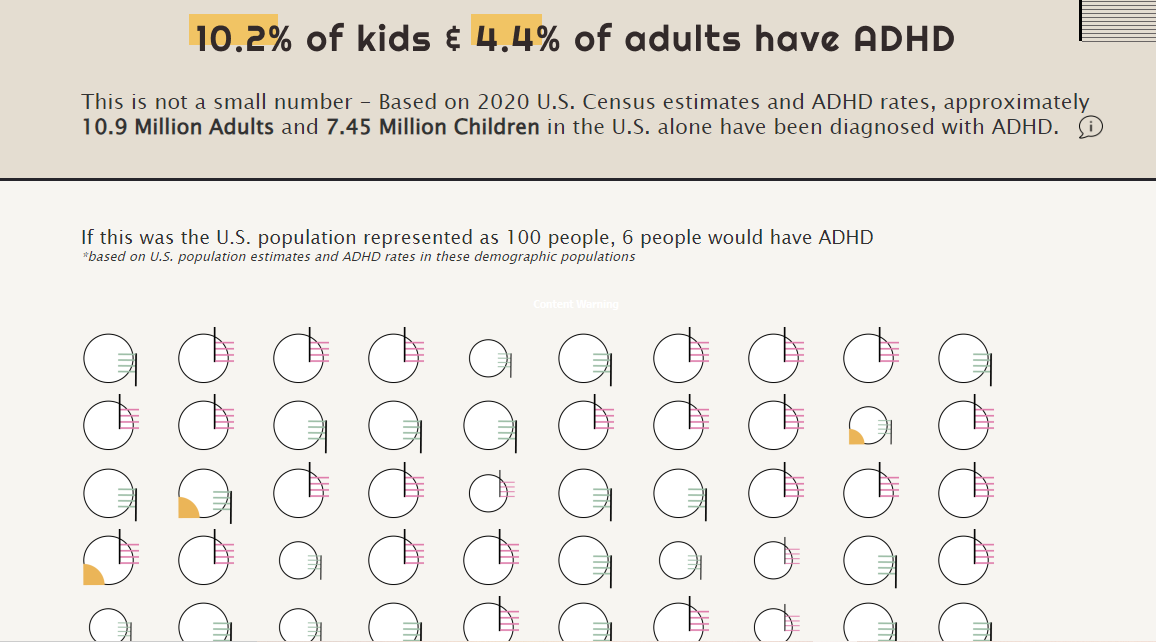
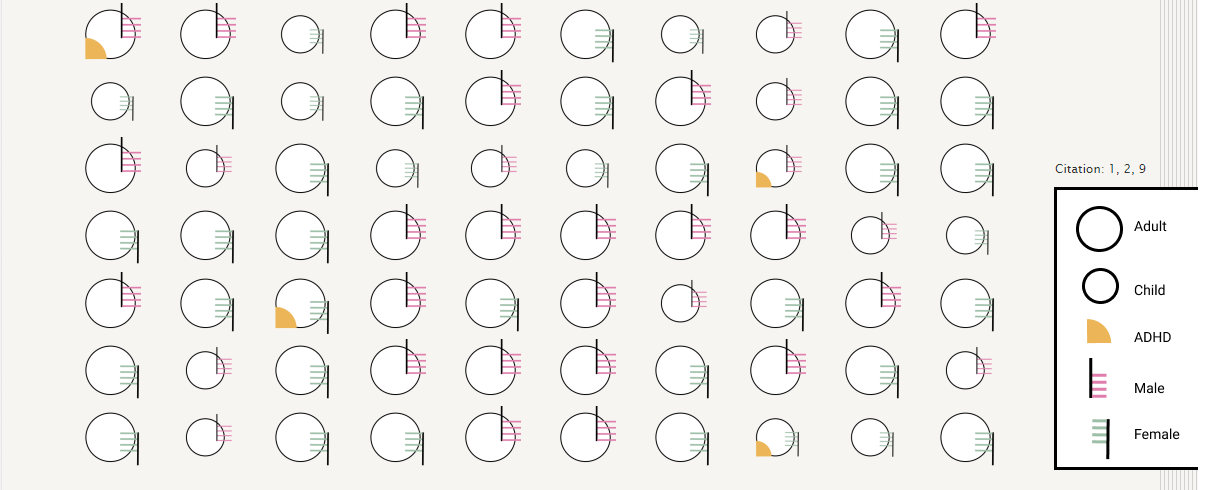
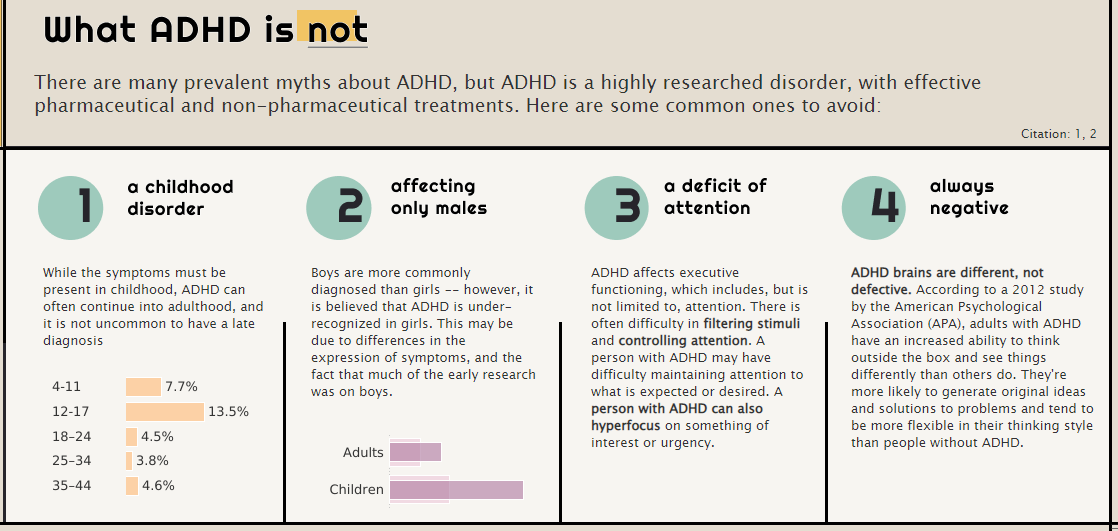
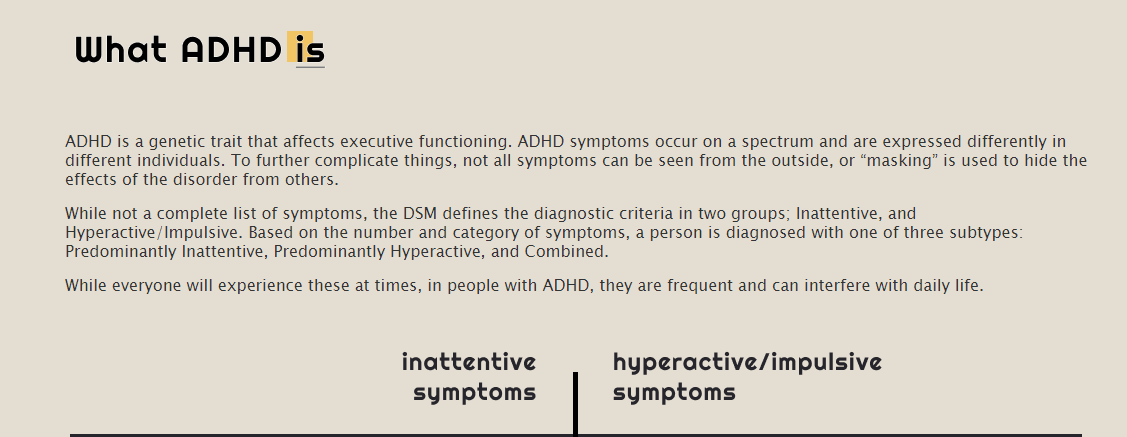
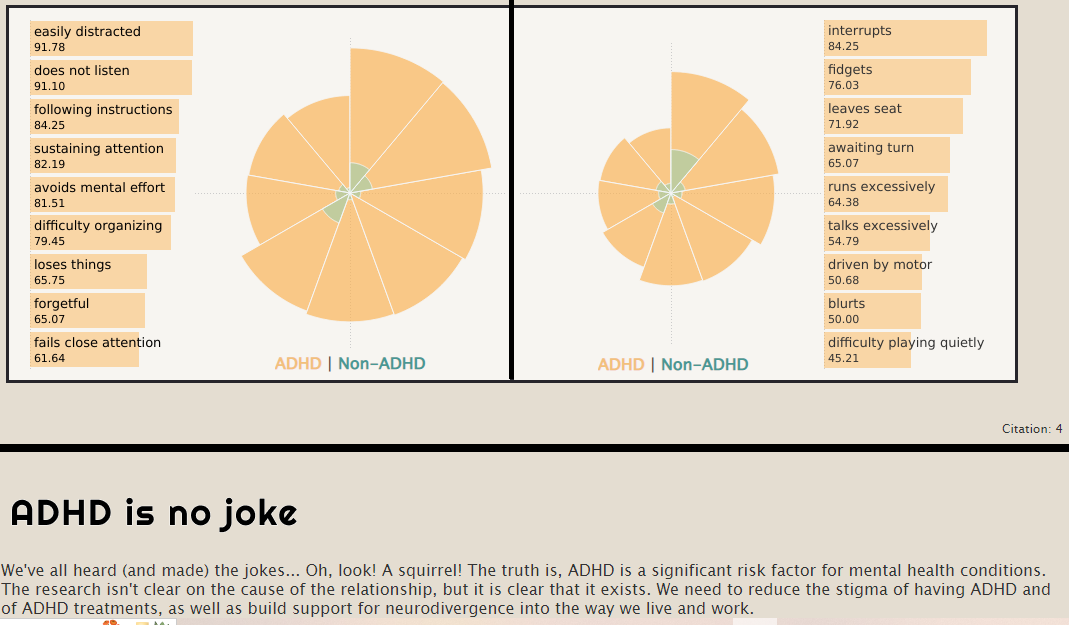
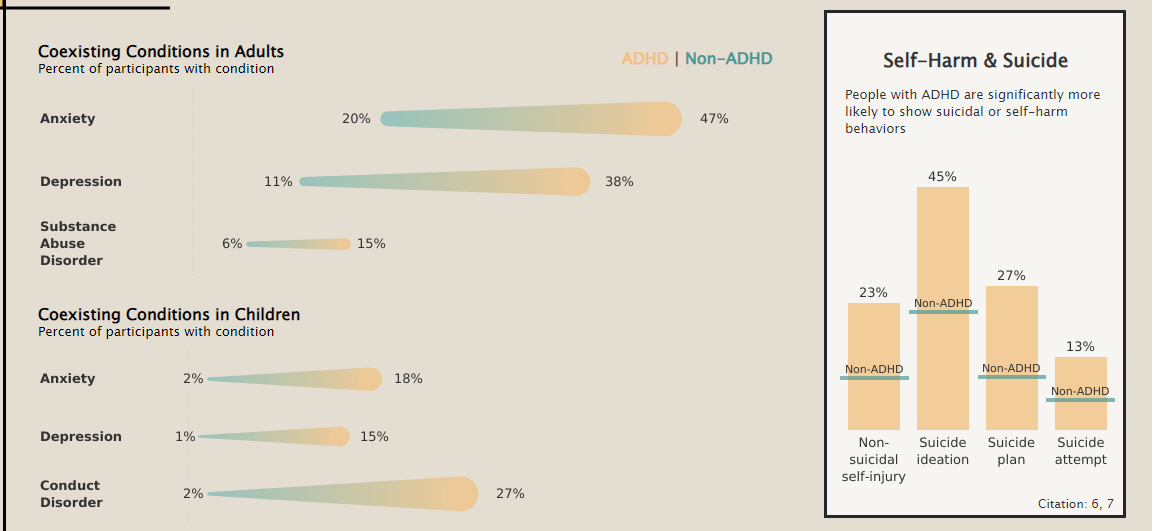
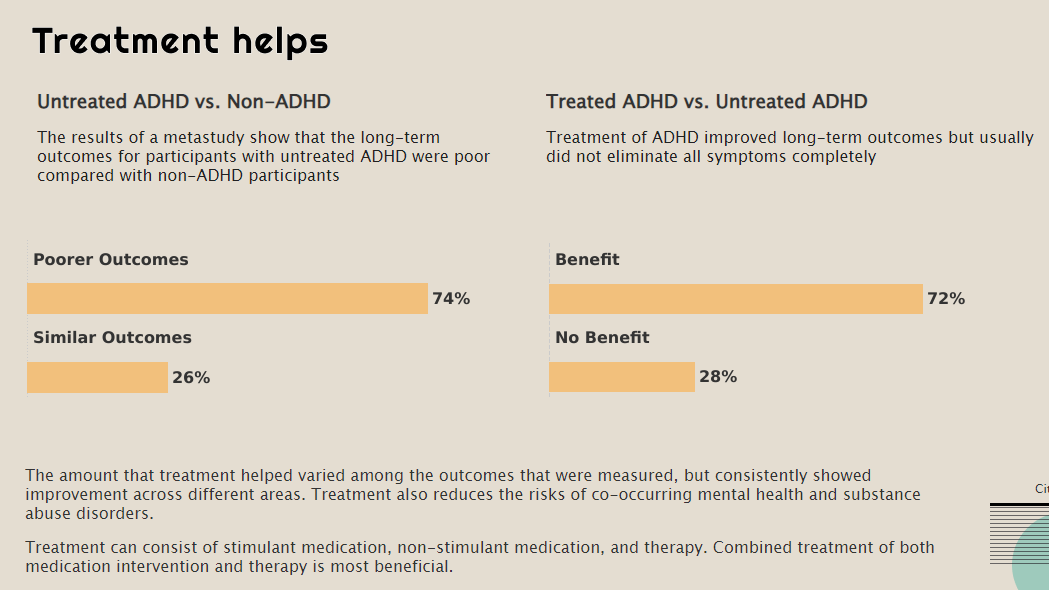
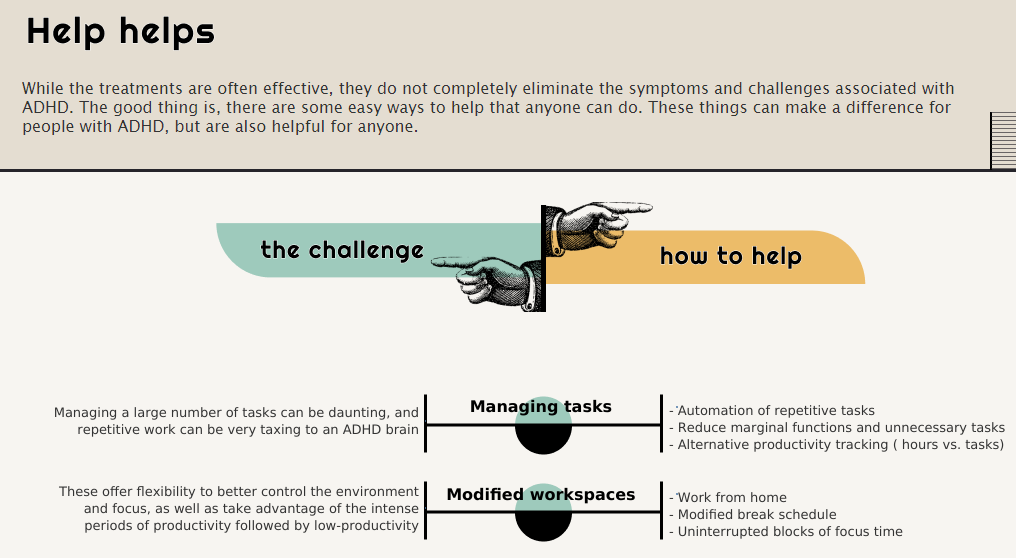
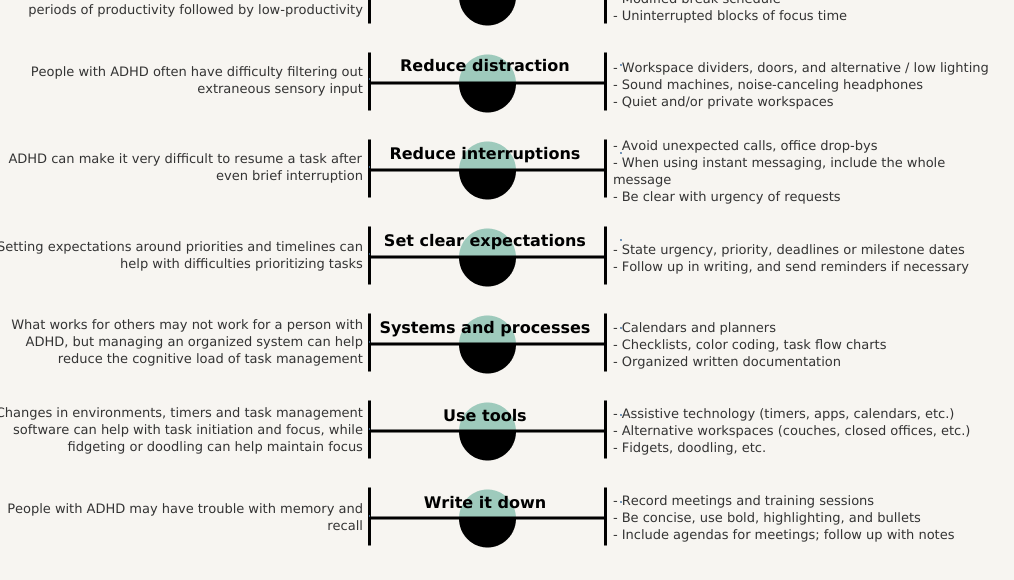
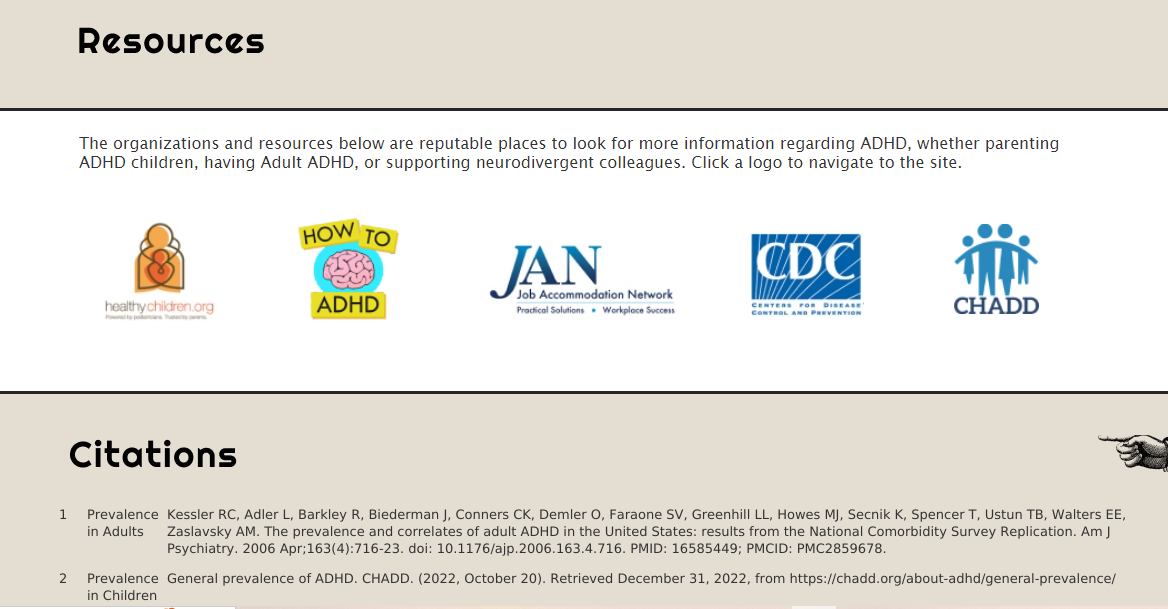
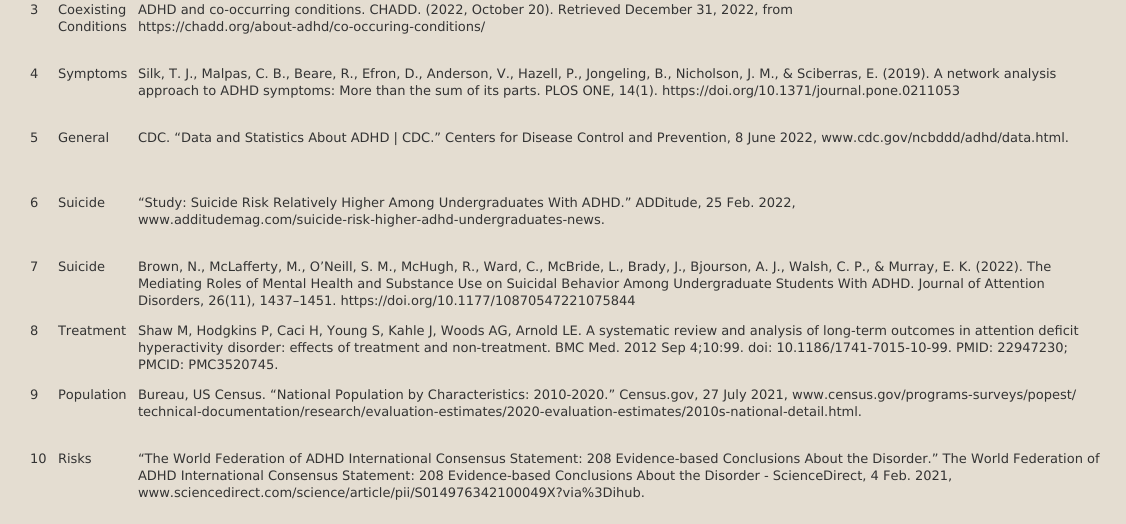
3-2 Discussion: The Importance of Data Visualizations Data visualization methods offer a different landscape for explaining situations using data. Graphical representations of information, if created properly, can make vital information more intuitive, contextualized, and accessible. Visualization plays an essential part in analyzing big data and simplifying complex data-intensive scenarios. In this discussion, using the Viz of the Day webpage, select a business-focused visualization to debate in your post (you may have to toggle to more than one page to see business-specific visualizations). Consider the audience and purpose of the visualization you selected, and think about the strategy used to present the information and analysis visually. In your initial post, make sure to include the link to the visualization you selected, and address the following: Why have you selected this one? How does the author of the visualization address the audience? How is the purpose of the visualization conveyed? How does the visualization use color, ordering, layout, and hierarchy to prioritize information? ADHD by Jacqui Moore go the prevalence & impact of ADHD Designed and Created by Jacqui Moore | 2022 Content Warning: Suicide and mental health conditions. These topics are not discussed in detail, but are mentioned.% of kids & 4.4% of adults have ADHD Disclosure: I am not a medical professional, and this is not medical advice. I am a person who has ADHD and who has loved ones with ADHD. I care deeply about the subject in this visualization. I have included citations to the resources and academic studies for the data and commentary used, as well as additional places to learn more. 10.2% of kids & 4.4% of adults have ADHD This is not a small number Based on 2020 U.S. Census estimates and ADHD rates, approximately 10.9 Million Adults and 7.45 Million Children in the U.S. alone have been diagnosed with ADHD. If this was the U.S. population represented as 100 people, 6 people would have ADHD *based on U.S. population estimates and ADHD rates in these demographic populations Content Warning a a Citation: 1, 2,9 Adult Child ADHD a Male Female What ADHD is not There are many prevalent myths about ADHD, but ADHD is a highly researched disorder, with effective pharmaceutical and non-pharmaceutical treatments. Here are some common ones to avoid: Citation: 1, 2 1 a childhood disorder affecting 2 only males a deficit of 3 attention always 4 negative While the symptoms must be present in childhood, ADHD can often continue into adulthood, and it is not uncommon to have a late diagnosis 4-11 7.7% 12-17 13.5% 18-24 4.5% 25-34 3.8% 35-44 4.6% Boys are more commonly diagnosed than girls -- however, it is believed that ADHD is under- recognized in girls. This may be due to differences in the expression of symptoms, and the fact that much of the early research was on boys. Adults Children ADHD affects executive functioning, which includes, but is not limited to, attention. There is often difficulty in filtering stimuli and controlling attention. A person with ADHD may have difficulty maintaining attention to what is expected or desired. A person with ADHD can also hyperfocus on something of interest or urgency. ADHD brains are different, not defective. According to a 2012 study by the American Psychological Association (APA), adults with ADHD have an increased ability to think outside the box and see things differently than others do. They're more likely to generate original ideas and solutions to problems and tend to be more flexible in their thinking style than people without ADHD. What ADHD is ADHD is a genetic trait that affects executive functioning. ADHD symptoms occur on a spectrum and are expressed differently in different individuals. To further complicate things, not all symptoms can be seen from the outside, or "masking" is used to hide the effects of the disorder from others. While not a complete list of symptoms, the DSM defines the diagnostic criteria in two groups; Inattentive, and Hyperactive/Impulsive. Based on the number and category of symptoms, a person is diagnosed with one of three subtypes: Predominantly Inattentive, Predominantly Hyperactive, and Combined. While everyone will experience these at times, in people with ADHD, they are frequent and can interfere with daily life. inattentive symptoms hyperactive/impulsive symptoms easily distracted 91.78 does not listen 91.10 following instructions 84.25 sustaining attention 82.19 avoids mental effort 81.51 difficulty organizing 79.45 loses things 65.75 forgetful 65.07 fails close attention 61.64 interrupts 84.25 fidgets 76.03 leaves seat 71.92 awaiting turn 65.07 runs excessively 64.38 talks excessively 54.79 driven by motor 50.68 blurts 50.00 ADHD | Non-ADHD difficulty playing quietly 45.21 ADHD | Non-ADHD Citation: 4 ADHD is no joke We've all heard (and made) the jokes... Oh, look! A squirrel! The truth is, ADHD is a significant risk factor for mental health conditions. The research isn't clear on the cause of the relationship, but it is clear that it exists. We need to reduce the stigma of having ADHD and of ADHD treatments, as well as build support for neurodivergence into the way we live and work. Coexisting Conditions in Adults Percent of participants with condition Anxiety Depression Substance Abuse 6% Disorder 11% Coexisting Conditions in Children Percent of participants with condition Anxiety 2% 20% 15% Depression 1% 15% Conduct Disorder 2% 18% ADHD | Non-ADHD 47% Self-Harm & Suicide People with ADHD are significantly more likely to show suicidal or self-harm behaviors 38% 45% 27% 23% Non-ADHD Non-ADHD 13% Non-ADHD Non-ADHD Non- Suicide Suicide Suicide suicidal ideation plan attempt self-injury 27% Citation: 6, 7 Treatment helps Untreated ADHD vs. Non-ADHD The results of a metastudy show that the long-term outcomes for participants with untreated ADHD were poor compared with non-ADHD participants Treated ADHD vs. Untreated ADHD Treatment of ADHD improved long-term outcomes but usually did not eliminate all symptoms completely Poorer Outcomes Similar Outcomes 26% Benefit 74% No Benefit 28% 72% The amount that treatment helped varied among the outcomes that were measured, but consistently showed improvement across different areas. Treatment also reduces the risks of co-occurring mental health and substance abuse disorders. Treatment can consist of stimulant medication, non-stimulant medication, and therapy. Combined treatment of both medication intervention and therapy is most beneficial. Cit Help helps While the treatments are often effective, they do not completely eliminate the symptoms and challenges associated with ADHD. The good thing is, there are some easy ways to help that anyone can do. These things can make a difference for people with ADHD, but are also helpful for anyone. the challenge Managing a large number of tasks can be daunting, and repetitive work can be very taxing to an ADHD brain how to help Managing tasks -Automation of repetitive tasks Reduce marginal functions and unnecessary tasks Alternative productivity tracking (hours vs. tasks) These offer flexibility to better control the environment and focus, as well as take advantage of the intense periods of productivity followed by low-productivity Modified workspaces - Work from home Modified break schedule Uninterrupted blocks of focus time periods of productivity followed by low-productivity People with ADHD often have difficulty filtering out extraneous sensory input Reduce distraction ADHD can make it very difficult to resume a task after even brief interruption Reduce interruptions Setting expectations around priorities and timelines can help with difficulties prioritizing tasks Set clear expectations - Uninterrupted blocks of focus time -Workspace dividers, doors, and alternative/low lighting - Sound machines, noise-canceling headphones - Quiet and/or private workspaces - Avoid unexpected calls, office drop-bys - When using instant messaging, include the whole message - Be clear with urgency of requests State urgency, priority, deadlines or milestone dates - Follow up in writing, and send reminders if necessary What works for others may not work for a person with Systems and processes --Calendars and planners ADHD, but managing an organized system can help reduce the cognitive load of task management - Checklists, color coding, task flow charts - Organized written documentation Changes in environments, timers and task management software can help with task initiation and focus, while fidgeting or doodling can help maintain focus Use tools People with ADHD may have trouble with memory and Write it down recall --Assistive technology (timers, apps, calendars, etc.) - Alternative workspaces (couches, closed offices, etc.) - Fidgets, doodling, etc. --Record meetings and training sessions - Be concise, use bold, highlighting, and bullets Include agendas for meetings; follow up with notes Resources The organizations and resources below are reputable places to look for more information regarding ADHD, whether parenting ADHD children, having Adult ADHD, or supporting neurodivergent colleagues. Click a logo to navigate to the site. HOW AN CDC Job Accommodation Network healthy children.org ADHD Practical Solutions Workplace Success CENTERS FOR DISEASE CONTROL AND PREVENTION CHADD Citations 1 Prevalence Kessler RC, Adler L, Barkley R, Biederman J, Conners CK, Demler O, Faraone SV, Greenhill LL, Howes MJ, Secnik K, Spencer T, Ustun TB, Walters EE, in Adults Zaslavsky AM. The prevalence and correlates of adult ADHD in the United States: results from the National Comorbidity Survey Replication. Am J Psychiatry. 2006 Apr;163(4):716-23. doi: 10.1176/ajp.2006.163.4.716. PMID: 16585449; PMCID: PMC2859678. 2 Prevalence General prevalence of ADHD. CHADD. (2022, October 20). Retrieved December 31, 2022, from https://chadd.org/about-adhd/general-prevalence/ in Children 3 Coexisting ADHD and co-occurring conditions. CHADD. (2022, October 20). Retrieved December 31, 2022, from Conditions https://chadd.org/about-adhd/co-occuring-conditions/ 4 Symptoms Silk, T. J., Malpas, C. B., Beare, R., Efron, D., Anderson, V., Hazell, P., Jongeling, B., Nicholson, J. M., & Sciberras, E. (2019). A network analysis approach to ADHD symptoms: More than the sum of its parts. PLOS ONE, 14(1). https://doi.org/10.1371/journal.pone.0211053 5 General CDC. "Data and Statistics About ADHD | CDC." Centers for Disease Control and Prevention, 8 June 2022, www.cdc.gov/ncbddd/adhd/data.html. 6 Suicide 7 Suicide 8 9 "Study: Suicide Risk Relatively Higher Among Undergraduates With ADHD." ADDitude, 25 Feb. 2022, www.additudemag.com/suicide-risk-higher-adhd-undergraduates-news. Brown, N., McLafferty, M., O'Neill, S. M., McHugh, R., Ward, C., McBride, L., Brady, J., Bjourson, A. J., Walsh, C. P., & Murray, E. K. (2022). The Mediating Roles of Mental Health and Substance Use on Suicidal Behavior Among Undergraduate Students With ADHD. Journal of Attention Disorders, 26(11), 1437-1451. https://doi.org/10.1177/10870547221075844 Treatment Shaw M, Hodgkins P, Caci H, Young S, Kahle J, Woods AG, Arnold LE. A systematic review and analysis of long-term outcomes in attention deficit hyperactivity disorder: effects of treatment and non-treatment. BMC Med. 2012 Sep 4;10:99. doi: 10.1186/1741-7015-10-99. PMID: 22947230; PMCID: PMC3520745. Population Bureau, US Census. "National Population by Characteristics: 2010-2020." Census.gov, 27 July 2021, www.census.gov/programs-surveys/popest/ technical-documentation/research/evaluation-estimates/2020-evaluation-estimates/2010s-national-detail.html. 10 Risks "The World Federation of ADHD International Consensus Statement: 208 Evidence-based Conclusions About the Disorder." The World Federation of ADHD International Consensus Statement: 208 Evidence-based Conclusions About the Disorder - ScienceDirect, 4 Feb. 2021, www.sciencedirect.com/science/article/pii/S014976342100049X?via%3Dihub. Other Inspiration & Credit FlerlageTwins.com - Coxcomb Chart Made in the style of the Bauhaus School (https://en.wikipedia.org/wiki/Bauhaus) Inspired by: https://dribbble.com/shots/10944486-Bauhaus-in-soviet-architecture https://dribbble.com/shots/16488330-Bauhaus-Gallery-Ideation https://dribbble.com/shots/6338746-Bauhaus-G https://dribbble.com/shots/15646432--We-End-Up-Together-Collage Brain Art was generated for this project using Midjourney. Design was created by Jacqui Moore using Figma. 2022
Step by Step Solution
There are 3 Steps involved in it

Get step-by-step solutions from verified subject matter experts
 Study Help