







Question: 6. Fay thinks that while the data in Table 2 may be relevant for industries in the United States, the values do not adequately reflect
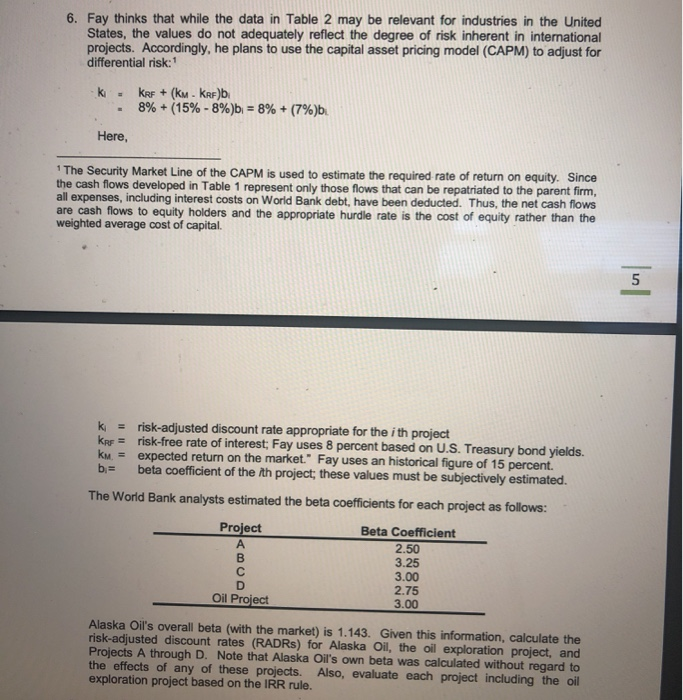
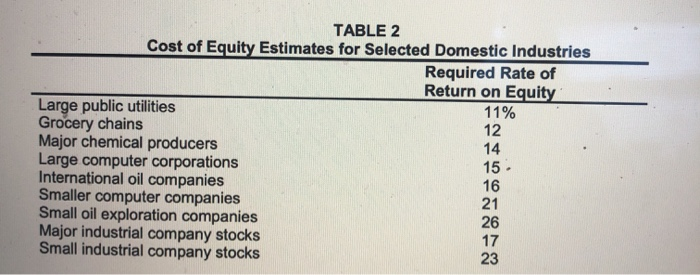
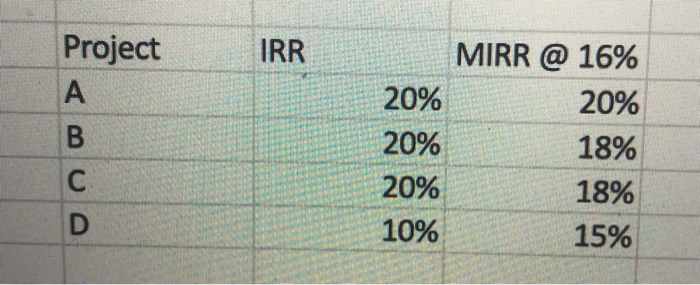
6. Fay thinks that while the data in Table 2 may be relevant for industries in the United States, the values do not adequately reflect the degree of risk inherent in international projects. Accordingly, he plans to use the capital asset pricing model (CAPM) to adjust for differential risk: k . KrF + (km - KRF) 8% + (15%-8%)b = 8% + (7%) Here, 1 The Security Market Line of the CAPM is used to estimate the required rate of return on equity. Since the cash flows developed in Table 1 represent only those flows that can be repatriated to the parent firm, all expenses, including interest costs on World Bank debt, have been deducted. Thus, the net cash flows are cash flows to equity holders and the appropriate hurdle rate is the cost of equity rather than the weighted average cost of capital. k = Kp = km = b risk-adjusted discount rate appropriate for the ith project risk-free rate of interest; Fay uses 8 percent based on U.S. Treasury bond yields. expected return on the market." Fay uses an historical figure of 15 percent. beta coefficient of the ith project; these values must be subjectively estimated. The World Bank analysts estimated the beta coefficients for each project as follows: Project Beta Coefficient 2.50 3.25 3.00 2.75 3.00 Oil Project Alaska Oil's overall beta (with the market) is 1.143. Given this information, calculate the risk-adjusted discount rates (RADRs) for Alaska Oil, the oil exploration project, and Projects A through D. Note that Alaska Oil's own beta was calculated without regard to the effects of any of these projects. Also, evaluate each project including the oil exploration project based on the IRR rule. 11% TABLE 2 Cost of Equity Estimates for Selected Domestic Industries Required Rate of Return on Equity Large public utilities Grocery chains 12 Major chemical producers Large computer corporations International oil companies Smaller computer companies Small oil exploration companies Major industrial company stocks Small industrial company stocks Project IRR MIRR @ 16% 20% 18% 20% 20% 20% 10% 18% 15% 6. Fay thinks that while the data in Table 2 may be relevant for industries in the United States, the values do not adequately reflect the degree of risk inherent in international projects. Accordingly, he plans to use the capital asset pricing model (CAPM) to adjust for differential risk: k . KrF + (km - KRF) 8% + (15%-8%)b = 8% + (7%) Here, 1 The Security Market Line of the CAPM is used to estimate the required rate of return on equity. Since the cash flows developed in Table 1 represent only those flows that can be repatriated to the parent firm, all expenses, including interest costs on World Bank debt, have been deducted. Thus, the net cash flows are cash flows to equity holders and the appropriate hurdle rate is the cost of equity rather than the weighted average cost of capital. k = Kp = km = b risk-adjusted discount rate appropriate for the ith project risk-free rate of interest; Fay uses 8 percent based on U.S. Treasury bond yields. expected return on the market." Fay uses an historical figure of 15 percent. beta coefficient of the ith project; these values must be subjectively estimated. The World Bank analysts estimated the beta coefficients for each project as follows: Project Beta Coefficient 2.50 3.25 3.00 2.75 3.00 Oil Project Alaska Oil's overall beta (with the market) is 1.143. Given this information, calculate the risk-adjusted discount rates (RADRs) for Alaska Oil, the oil exploration project, and Projects A through D. Note that Alaska Oil's own beta was calculated without regard to the effects of any of these projects. Also, evaluate each project including the oil exploration project based on the IRR rule. 11% TABLE 2 Cost of Equity Estimates for Selected Domestic Industries Required Rate of Return on Equity Large public utilities Grocery chains 12 Major chemical producers Large computer corporations International oil companies Smaller computer companies Small oil exploration companies Major industrial company stocks Small industrial company stocks Project IRR MIRR @ 16% 20% 18% 20% 20% 20% 10% 18% 15%
Step by Step Solution
There are 3 Steps involved in it

Get step-by-step solutions from verified subject matter experts
 Study Help