Question: 6258 .I 4? C} Ch7 @D Calculating and Using Dual Charging Rates The expected costs for the Maintenance Department of Stazler, Inc., for the coming
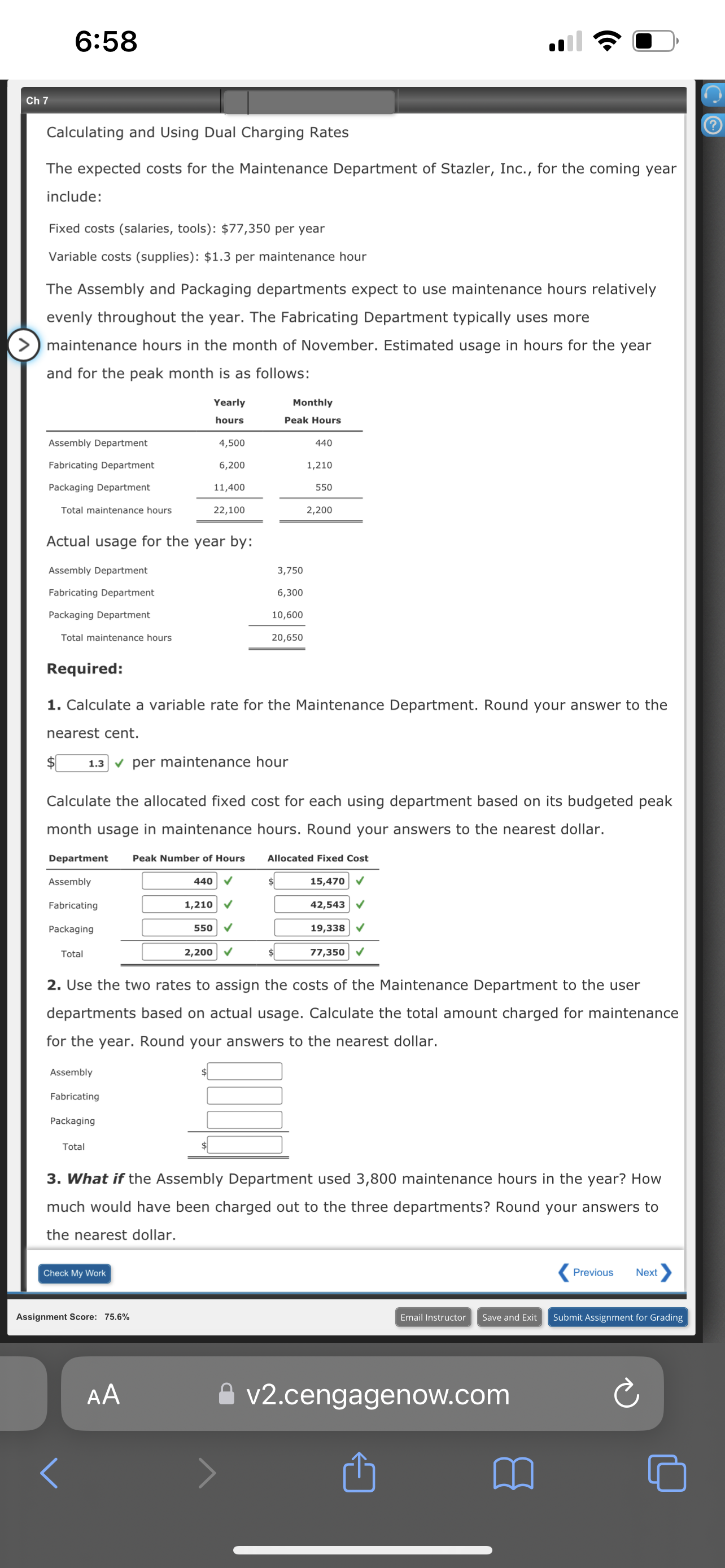
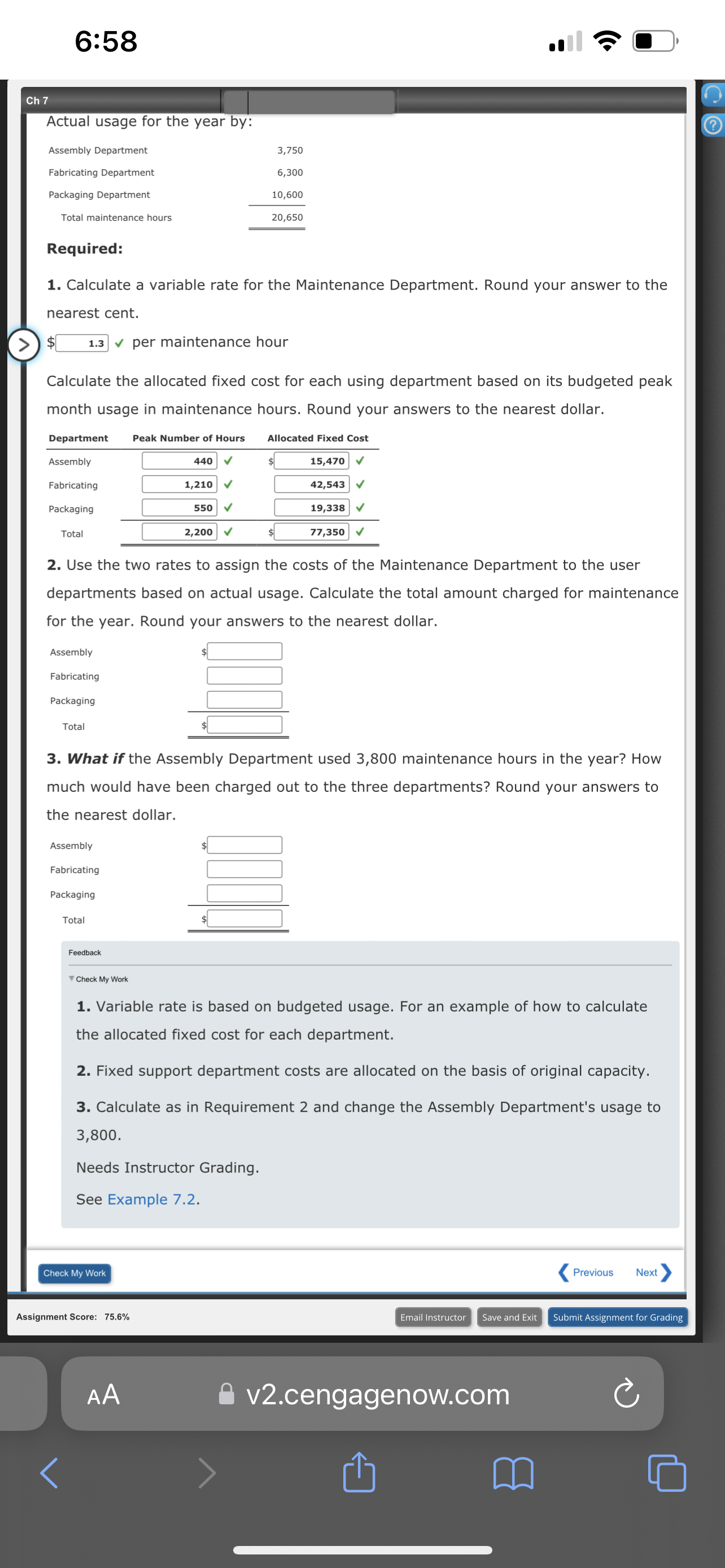
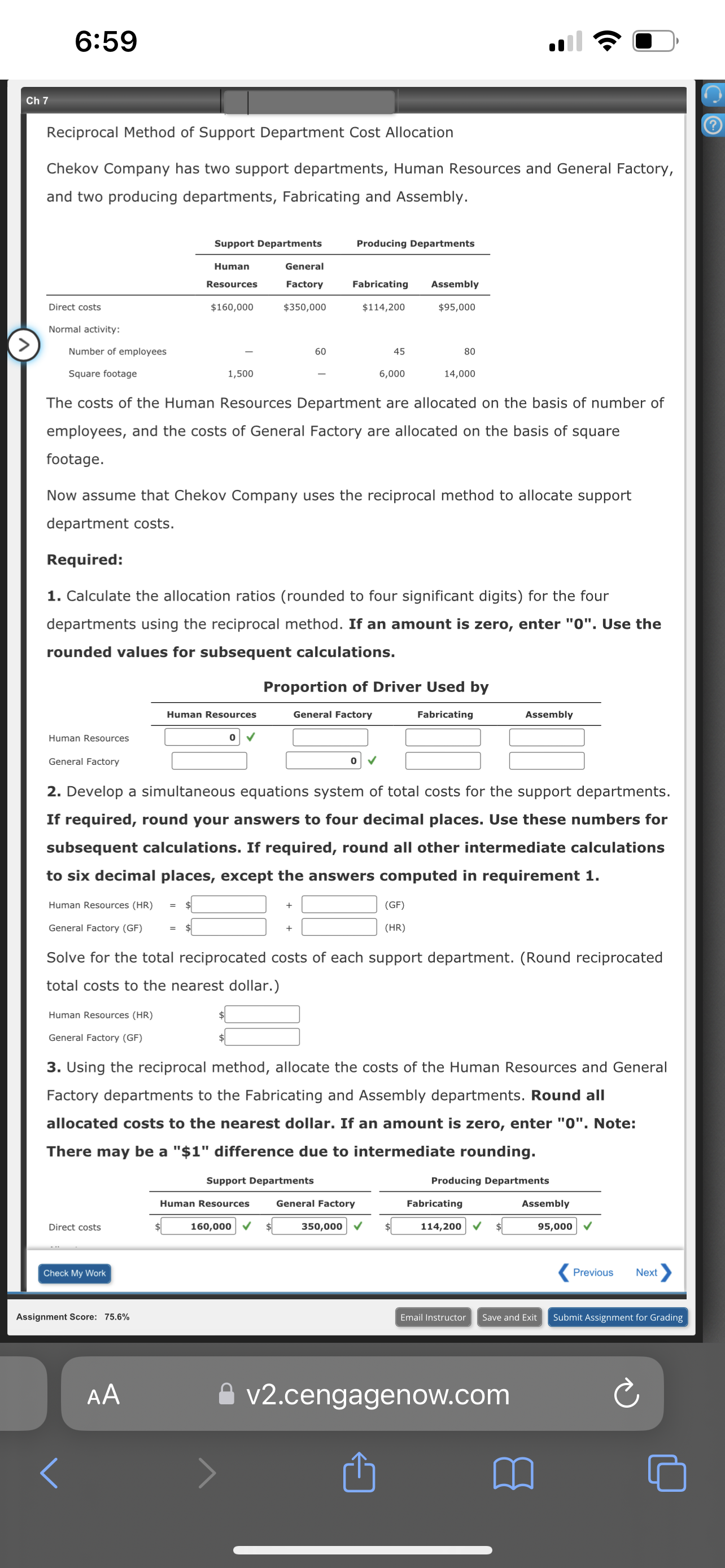
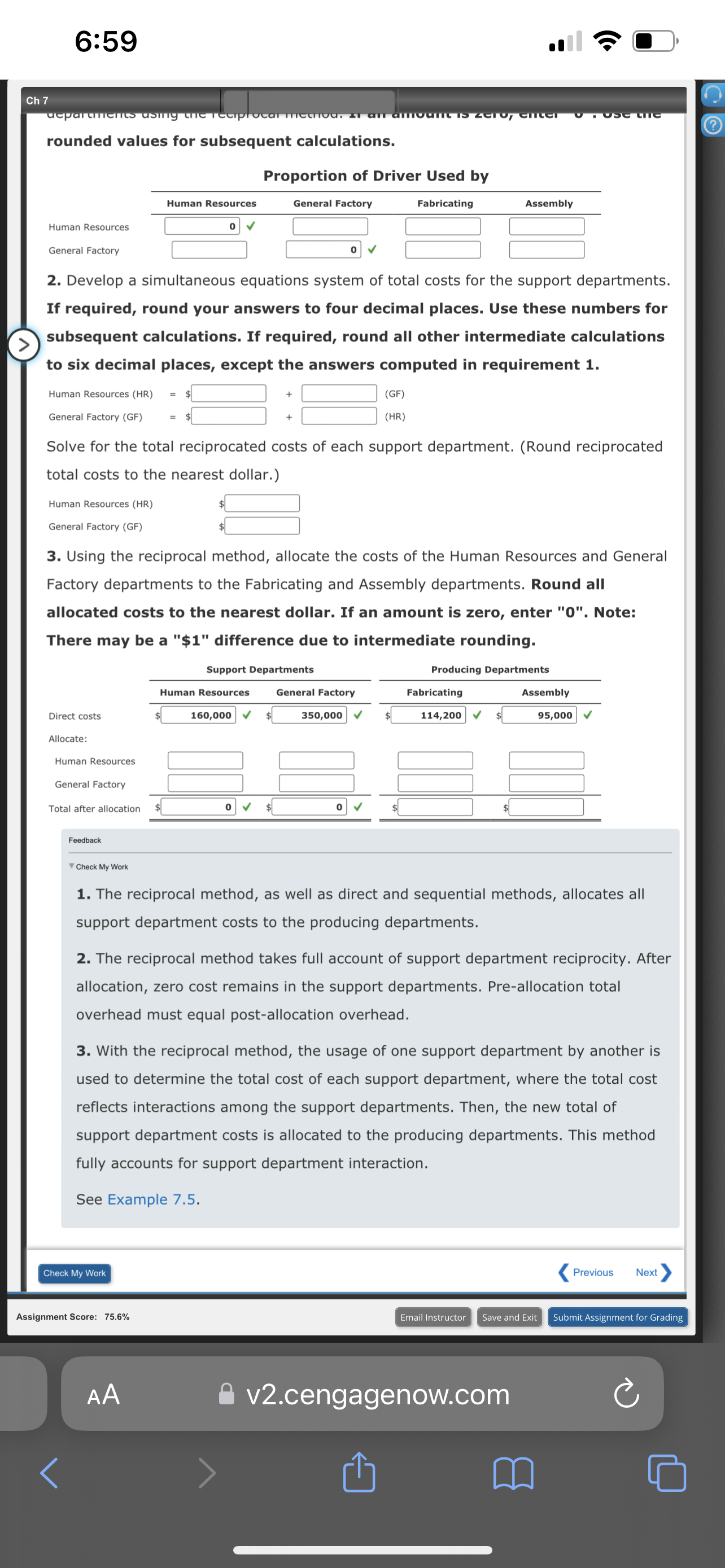
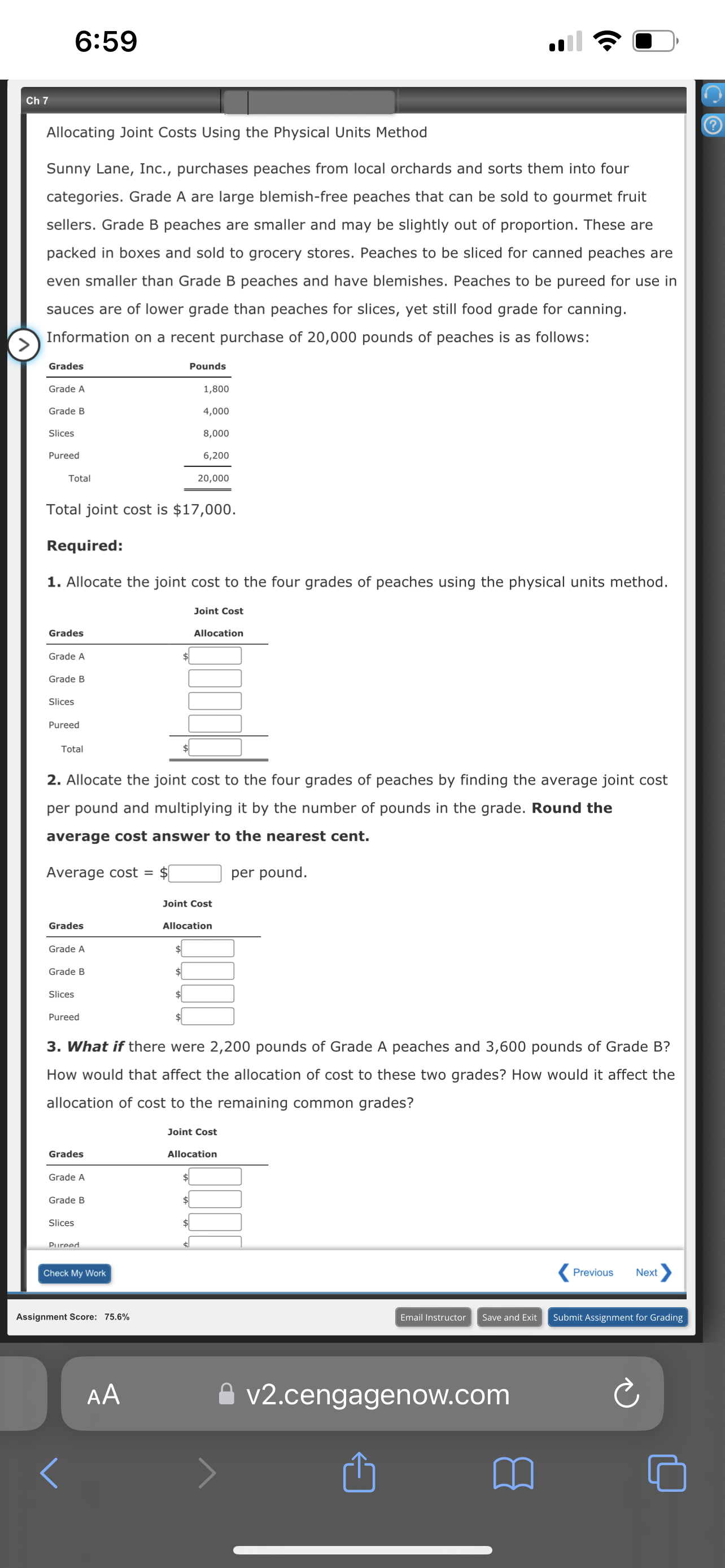
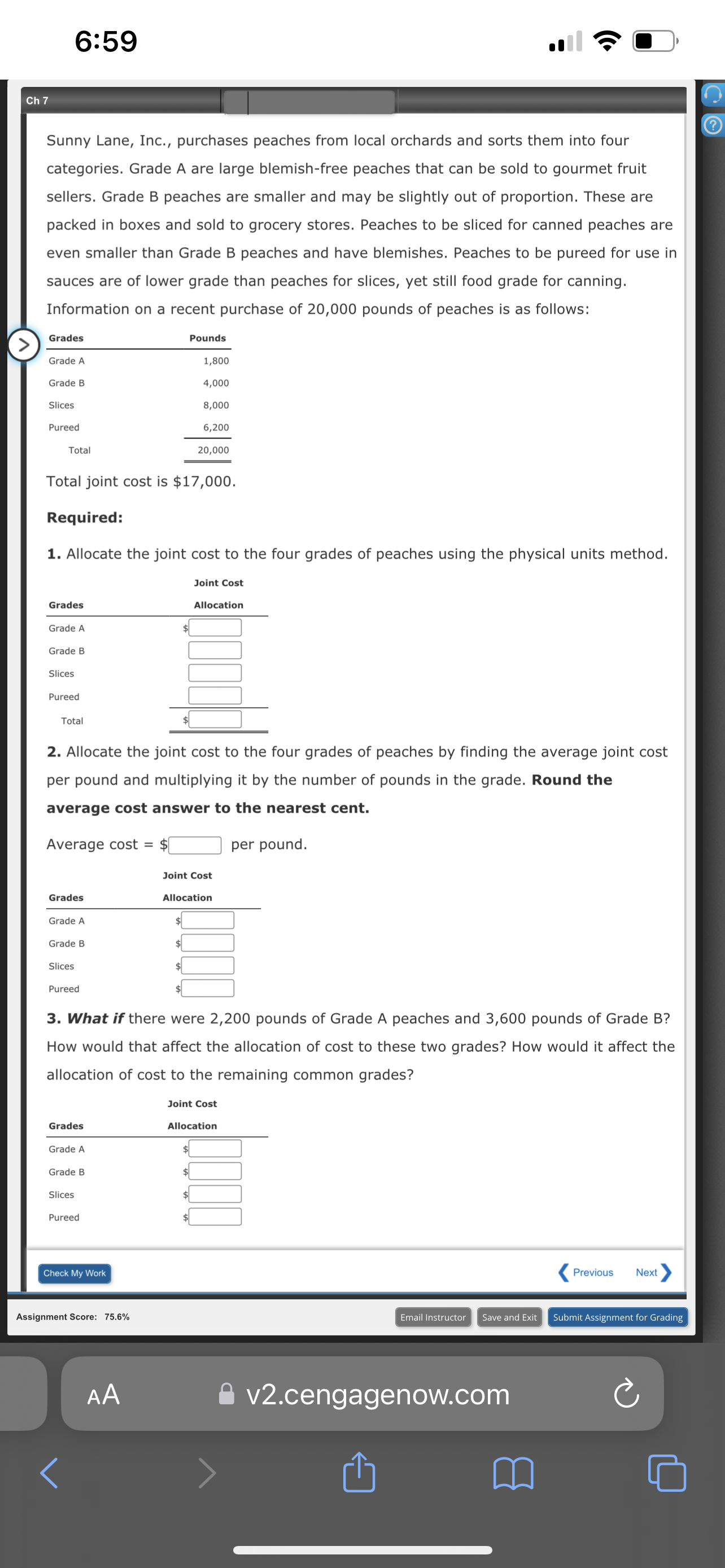
6258 .I 4? C} Ch7 @D Calculating and Using Dual Charging Rates The expected costs for the Maintenance Department of Stazler, Inc., for the coming year include: Fixed costs (salaries, tools): $77,350 per year Variable costs (supplies): $13 per maintenance hour The Assembly and Packaging departments expect to use maintenance hours relatively evenly throughout the year. The Fabricating Department typically uses more 0 maintenance hours in the month of November. Estimated usage in hours for the year and for the peak month is as follows: Yearly Monthly hours Peak Hours Assembly Department 4,500 440 Fabricating Department 6,200 1,210 Packaging Department 11,400 550 Total maintenance hours 22,100 2,200 Actual usage for the year by: Assembly Department 3,750 Fabricating Department 5300 Packaging Department 10,600 Total maintenance hours 20,650 Required: 1. Calculate a variable rate for the Maintenance Department. Round your answer to the nearest cent. :5 1.: 4 per maintenance hour Calculate the allocated fixed cost for each using department based on its budgeted peak month usage in maintenance hours. Round your answers to the nearest dollar. Department Peak Number of Hours Allocated Fixed Cost Fabricating J m V Total 2.100] V S 77,350 V 2. Use the two rates to assign the costs of the Maintenance Department to the user departments based on actual usage. Calculate the total amount charged for maintenance for the year. Round your answers to the nearest dollar. Assembly 4:] Fabricating :] Packaging Total 5 3. What ifthe Assembly Department used 3,800 maintenance hours in the year? How much would have been charged out to the three departments? Round your answers to the nearest dollar. Check My Work ( Previous Next ) Assignment Score: 75.6% Email lnsrructor Save and Exit Siibri'illAssigninanl forGradlng AA 8 v2.0engagenow.com 6:58 Ch 7 Actual usage for the year by: Assembly Department 3,750 Fabricating Department 6,300 Packaging Department 10,600 Total maintenance hours 20,650 Required: 1. Calculate a variable rate for the Maintenance Department. Round your answer to the nearest cent. $ 1.3 v per maintenance hour Calculate the allocated fixed cost for each using department based on its budgeted peak month usage in maintenance hours. Round your answers to the nearest dollar. Department Peak Number of Hours Allocated Fixed Cost Assembly 440 15,470 Fabricating 1,210 42,543 Packaging 550 19,338 Total 2,200 77,350 2. Use the two rates to assign the costs of the Maintenance Department to the user departments based on actual usage. Calculate the total amount charged for maintenance for the year. Round your answers to the nearest dollar. Assembly Fabricating Packaging Total 3. What if the Assembly Department used 3,800 maintenance hours in the year? How much would have been charged out to the three departments? Round your answers to the nearest dollar. Assembly Fabricating Packaging Total Feedback Check My Work 1. Variable rate is based on budgeted usage. For an example of how to calculate the allocated fixed cost for each department. 2. Fixed support department costs are allocated on the basis of original capacity. 3. Calculate as in Requirement 2 and change the Assembly Department's usage to 3,800. Needs Instructor Grading. See Example 7.2. Check My Work Previous Next Assignment Score: 75.6% Email Instructor Save and Exit Submit Assignment for Grading AA A v2.cengagenow.com C m6259 .I 4? C} Ch7 @D Reciprocal Method of Support Department Cost Allocation Chekov Company has two support departments, Human Resources and General Factory, and two producing departments, Fabricating and Assembly. Support Departments Producing Departments Human General Resources Factory Fabricating Assembly Direct costs $150,000 $350,000 $114,200 $95,000 Normal activity: 0 Number of employees 7 60 45 80 Square footage LSOO 7 6,000 14,000 The costs of the Human Resources Department are allocated on the basis of number of employees, and the costs of General Factory are allocated on the basis of square footage. Now assume that Chekov Company uses the reciprocal method to allocate support department costs. Required: 1. Calculate the allocation ratios (rounded to four significant digits) for the four departments using the reciprocal method. If an amount is zero, enter '".0 Use the rounded values for subsequent calculations. Proportion of Driver Used by Human Resources General Factory Fabricating Assern hly Human Resources 9 ' V ' ' ' ' ' ' General Factory ' ' 0 ' '/ ' ' ' ' 2. Develop a simultaneous equations system of total costs for the support departments. If required, round your answers to four decimal places. Use these numbers for subsequent calculations. If required, round all other intermediate calculations to six decimal places, except the answers computed in requirement 1. Human Resources (HR) : $ + E (5F) General Factory (GF) = $ + :] (HR) Solve for the total reciprocated costs of each support department. (Round reciprocated total costs to the nearest dollar.) Hm. as\"... (HR, 4:] General Factory (G F) 3:] 3. Using the reciprocal method, allocate the costs of the Human Resources and General Factory departments to the Fabricating and Assembly departments. Round all allocated costs to the nearest dollar. If an amount is zero, enter "".0 Note: There may be a "$1" difference due to intermediate rounding. Support Departments Producing Departments Human Resources General Factory Fabricating Assembly Direct costs 5 160,000] ~/ s[ 350,000 ' \\l s' 114,200 ' ~/ si 95,000 i -/ Check My Work ( Previous Nexl ) Assignment Score: 75.6% Email instructor Save and Exit SubrrillAssignrnanl forGradlng AA 8 v2.0engagenow.com 6:59 Ch 7 departments using the rounded values for subsequent calculations. Proportion of Driver Used by Human Resources General Factory Fabricating Assembly Human Resources General Factory 2. Develop a simultaneous equations system of total costs for the support departments. If required, round your answers to four decimal places. Use these numbers for subsequent calculations. If required, round all other intermediate calculations to six decimal places, except the answers computed in requirement 1. Human Resources (HR) ( GF ) General Factory (GF) ( HR ) Solve for the total reciprocated costs of each support department. (Round reciprocated total costs to the nearest dollar.) Human Resources (HR) General Factory (GF) 3. Using the reciprocal method, allocate the costs of the Human Resources and General Factory departments to the Fabricating and Assembly departments. Round all allocated costs to the nearest dollar. If an amount is zero, enter "0". Note: There may be a "$1" difference due to intermediate rounding. Support Departments Producing Departments Human Resources General Factory Fabricating Assembly Direct costs 160,000 350,000 114,200 95,000 Allocate: Human Resources General Factory Total after allocation Feedback Check My Work 1. The reciprocal method, as well as direct and sequential methods, allocates all support department costs to the producing departments. 2. The reciprocal method takes full account of support department reciprocity. After allocation, zero cost remains in the support departments. Pre-allocation total overhead must equal post-allocation overhead. 3. With the reciprocal method, the usage of one support department by another is used to determine the total cost of each support department, where the total cost reflects interactions among the support departments. Then, the new total of support department costs is allocated to the producing departments. This method fully accounts for support department interaction. See Example 7.5. Check My Work Previous Next Assignment Score: 75.6% Email Instructor Save and Exit Submit Assignment for Grading AA A v2.cengagenow.com C m6259 .I 4? C} Ch7 @D Allocating Joint Costs Using the Physical Units Method Sunny Lane, Inc., purchases peaches from local orchards and sorts them into four categories. Grade A are large blemish-free peaches that can be sold to gourmet fruit sellers. Grade B peaches are smaller and may be slightly out of proportion. These are packed in boxes and sold to grocery stores. Peaches to be sliced for canned peaches are even smaller than Grade B peaches and have blemishes. Peaches to be pureed for use in sauces are of lower grade than peaches for slices, yet still food grade for canning. 0 Information on a recent purchase of 20,000 pounds of peaches is as follows: Grades Pounds Grade A 1,800 Grade E 4,000 SllCE$ 8,000 Pureed 6,200 Total 20,000 Total joint cost is $17,000. Required: 1. Allocate the joint cost to the four grades of peaches using the physical units method. Joint Cost Grades Allocation Grade A $ Grade E Slices Pureed Mi Total $ 2. Allocate the joint cost to the four grades of peaches by finding the average joint cost per pound and multiplying it by the number of pounds in the grade. Round the average cost answer to the nearest cent. Average cost = $[:] per pound. Joint Cost Grades Allocation Grade A 5:] Grade B $:l Slices 35:] .Ci 3. What ifthere were 2,200 pounds of Grade A peaches and 3,600 pounds of Grade B? How would that affect the allocation of cost to these two grades? How would it affect the allocation of cost to the remaining common grades? Joint Cost Grades Allocation Grade A $:] Grade E $[: Slices $:l a. ma ll Check My Work ( Previous Next ) Assignment Score: 75.6% Email lnslruclor Save and Exit Subrrillsslgnmanl forGradlng AA 8 v2.0engagenow.com 6259 .I 4? C} Ch7 @0 Sunny Lane, Inc., purchases peaches from local orchards and sorts them into four categories. Grade A are large blemish-free peaches that can be sold to gourmet fruit sellers. Grade B peaches are smaller and may be slightly out of proportion. These are packed in boxes and sold to grocery stores. Peaches to be sliced for canned peaches are even smaller than Grade B peaches and have blemishes. Peaches to be pureed for use in sauces are of lower grade than peaches for slices, yet still food grade for canning. Information on a recent purchase of 20,000 pounds of peaches is as follows: 0 Grades Pounds Grade A 1,800 Grade E 4,000 Slices 8, 000 Pureed 6,200 Total 20,000 Total joint cost is $17,000. Required: 1. Allocate the joint cost to the four grades of peaches using the physical units method. Joint C050 Grades Allocation a...\" 4: Grade E [7] 5.... l i m... :i l 9 Total 2. Allocate the joint cost to the four grades of peaches by finding the average joint cost per pound and multiplying it by the number of pounds in the grade. Round the average cost answer to the nearest cent. Average cost = $[: per pound. Joint Cost Grades Allocation Grade A $[ ] Grade E $ Slices 5 Pureed $[:] 3. what ifthere were 2,200 pounds of Grade A peaches and 3,600 pounds of Grade B? How would that affect the allocation of cost to these two grades? How would it affect the allocation of cost to the remaining common grades? Joint Cost Grades Allocation Grade A 3:] Grade E SE Slices $ W... 3:] Check My Work ( Previous Nexl ) Assignment Score: 75.6% Email instructor Save and Exit SllbrriliAsslgnmeni forGradlng AA 8 v2.0engagenow.com
Step by Step Solution
There are 3 Steps involved in it
1 Expert Approved Answer
Step: 1 Unlock
Question Has Been Solved by an Expert!
Get step-by-step solutions from verified subject matter experts
Step: 2 Unlock
Step: 3 Unlock
Students Have Also Explored These Related Accounting Questions!









 Study Help