Question: 92024 . $'E The modernists believed that their world w: utterly different and new and therefore required new forms of literature to describe it. Make
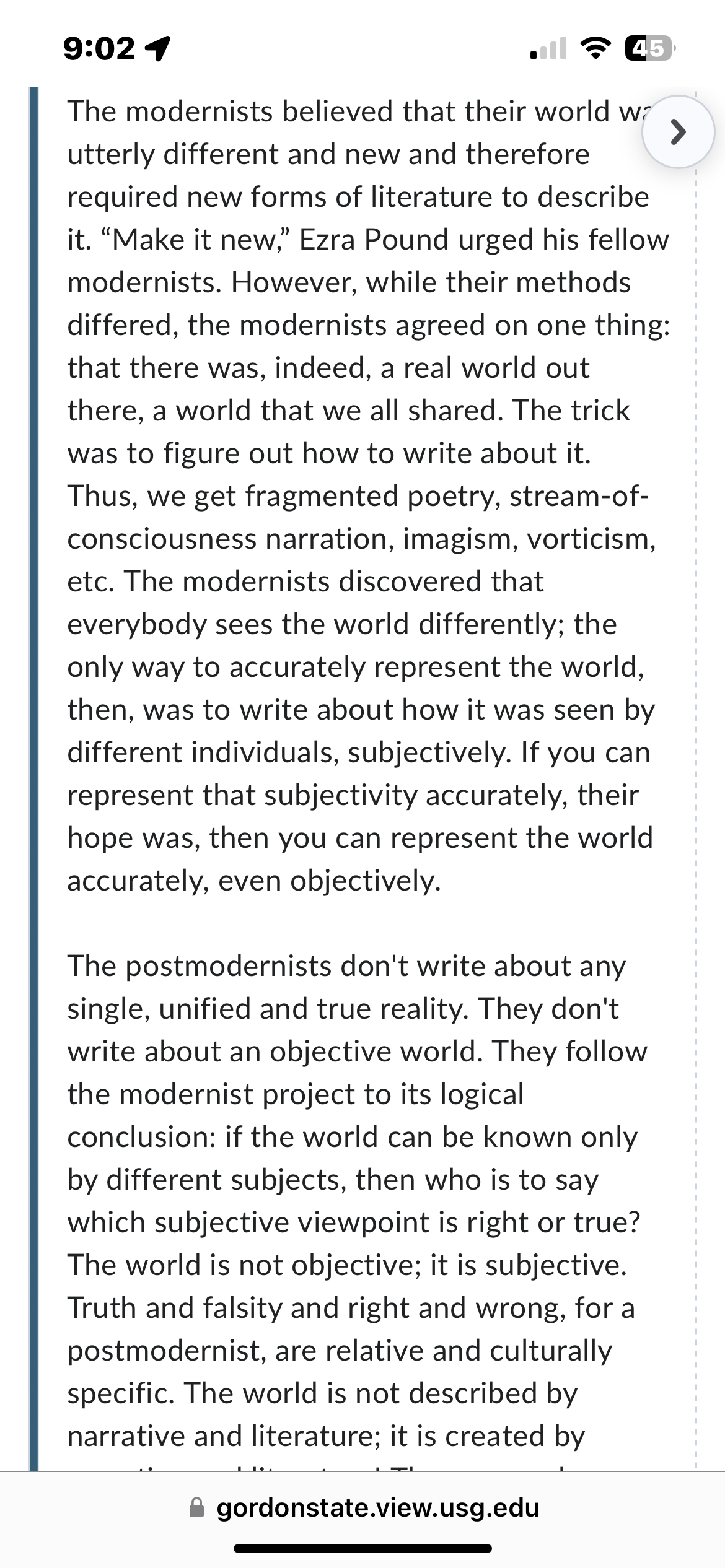
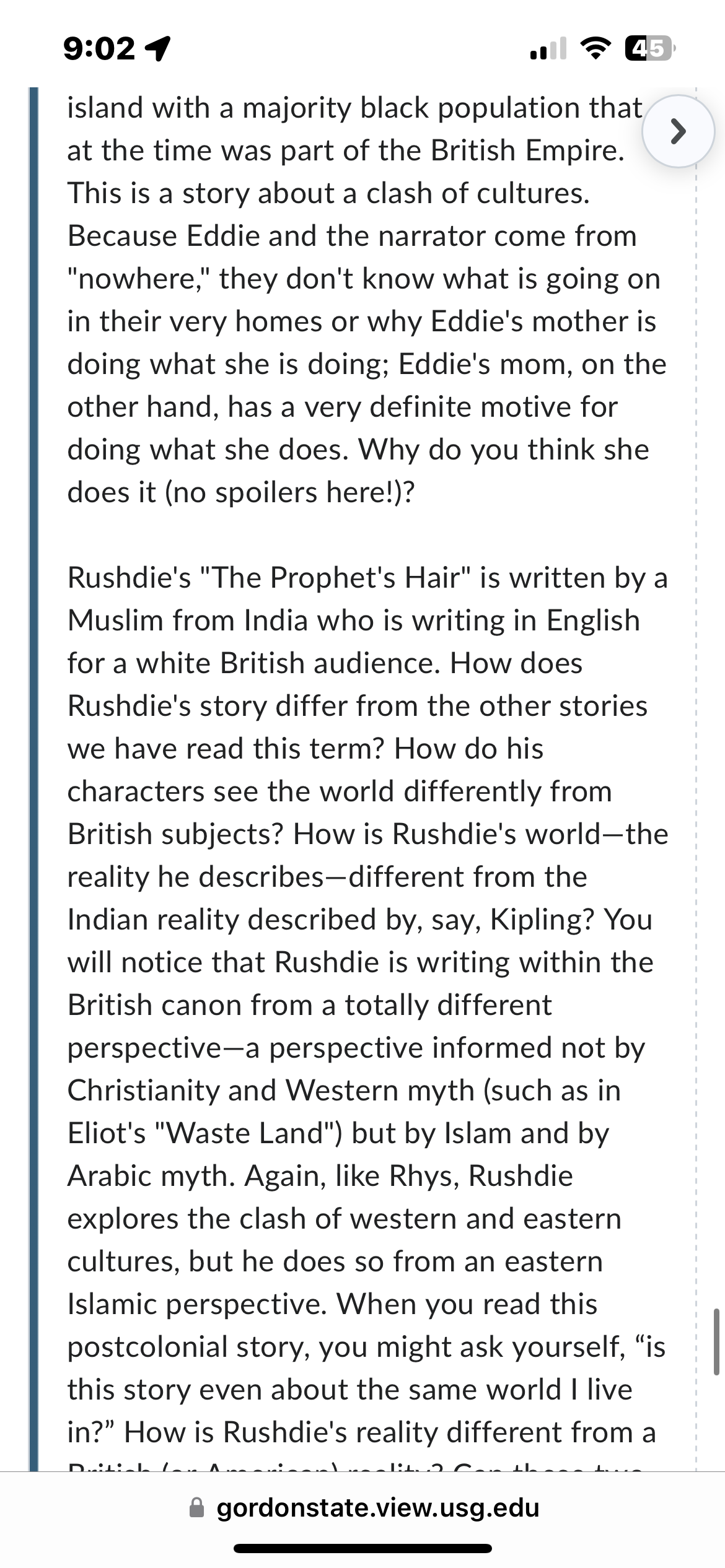
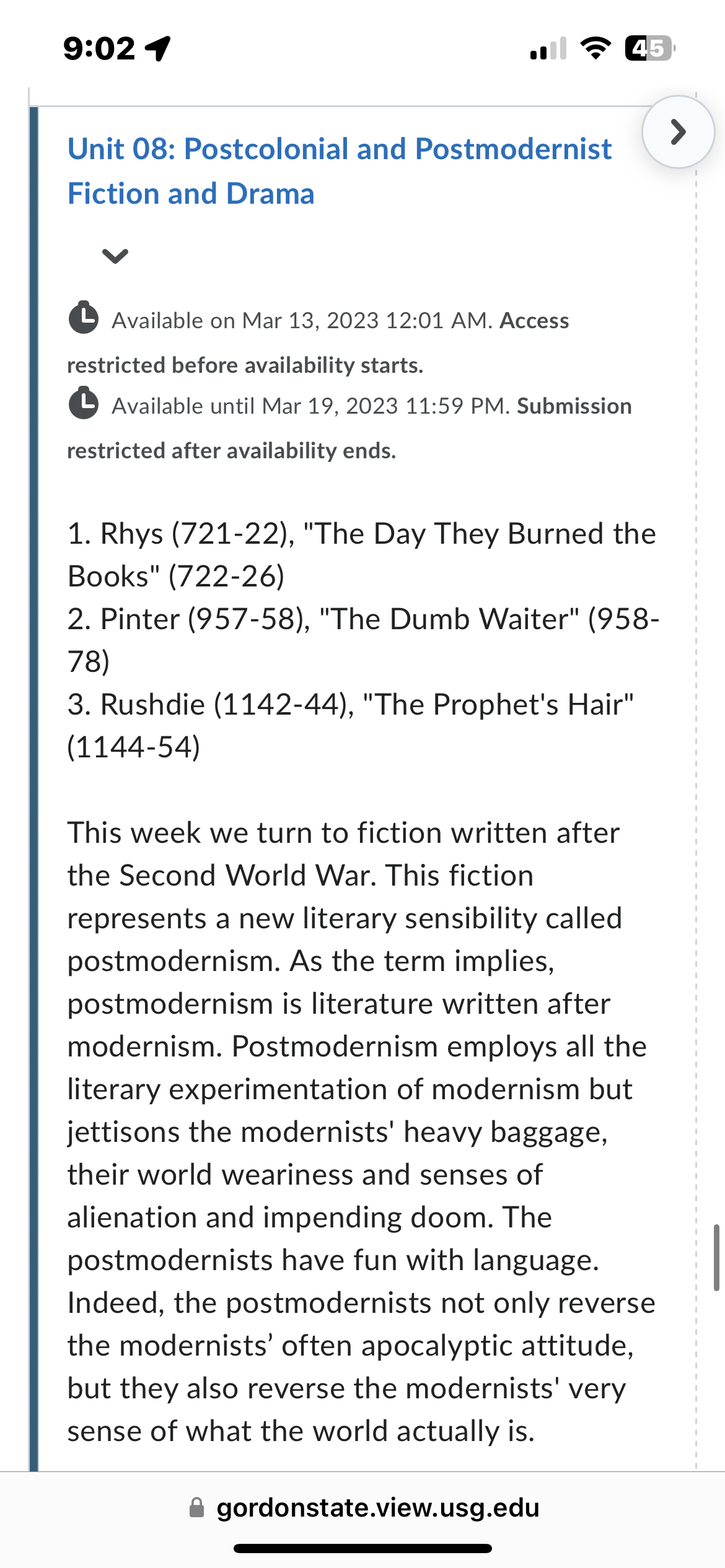
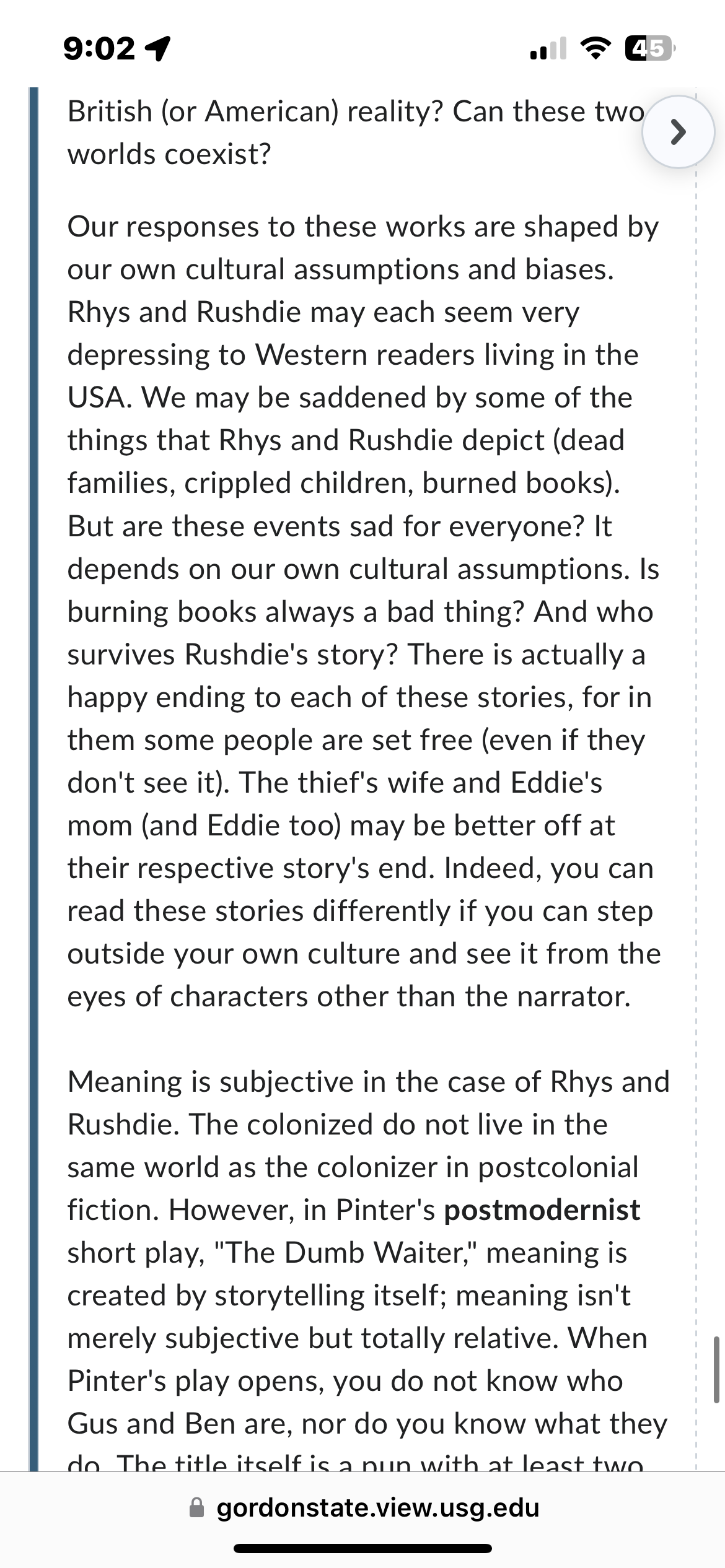
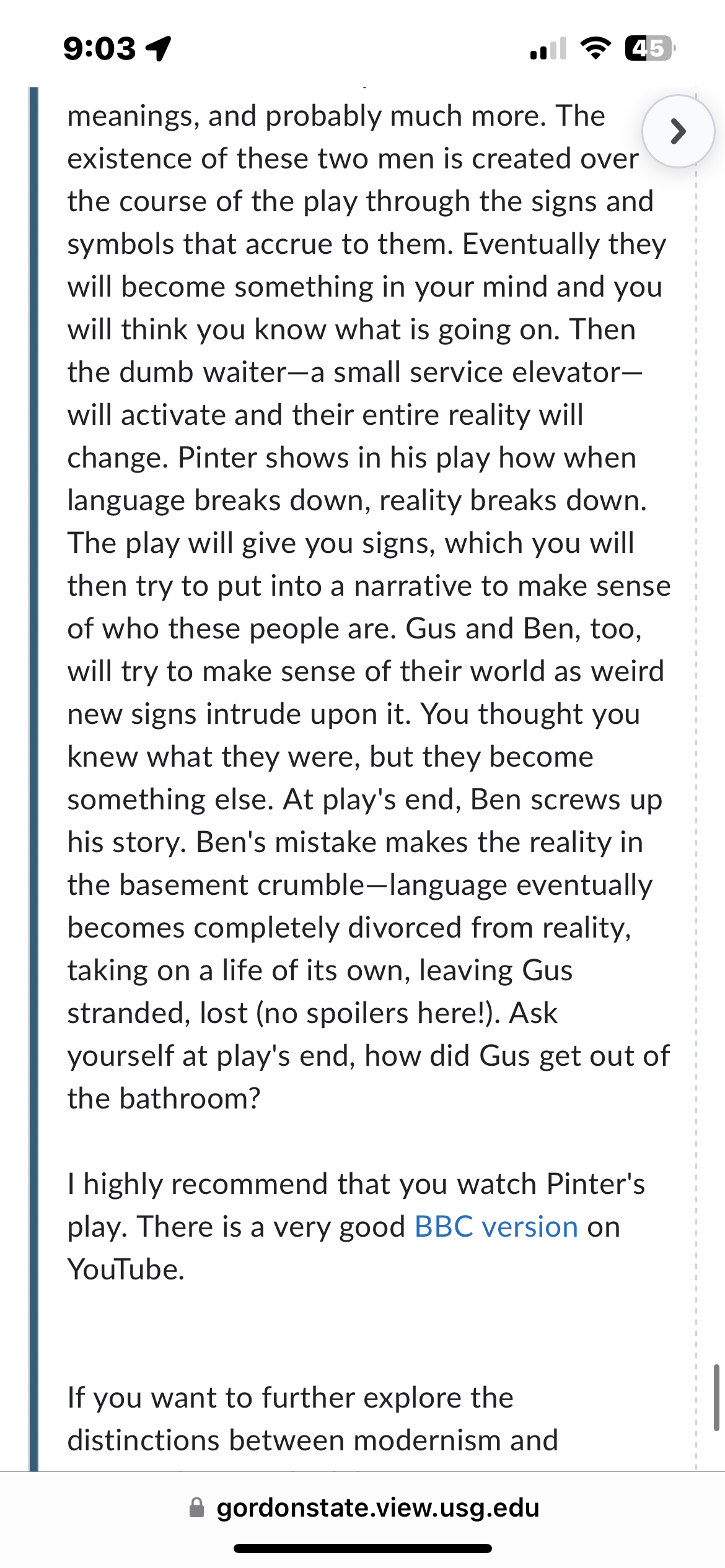
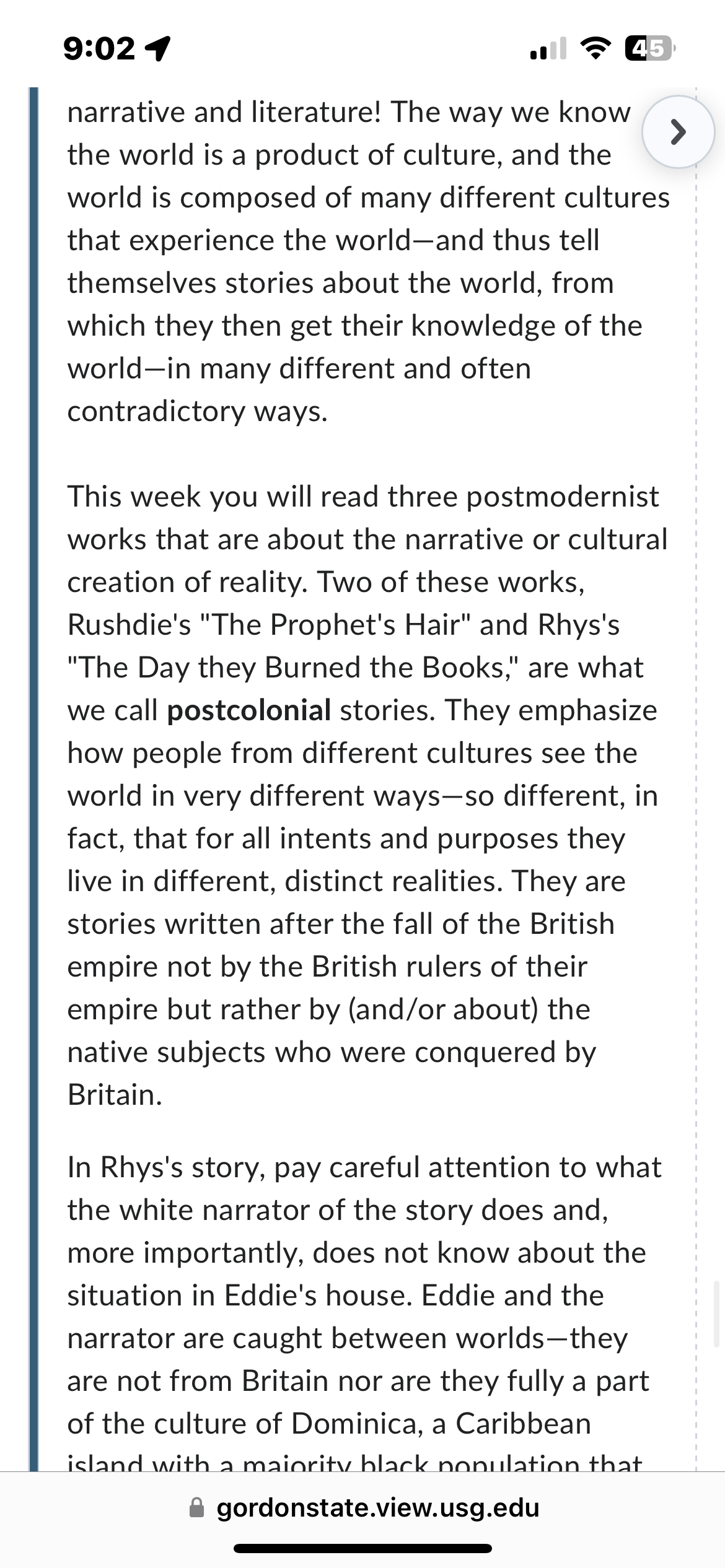
92024 . $'E The modernists believed that their world w: utterly different and new and therefore required new forms of literature to describe it. \"Make it new,\" Ezra Pound urged his fellow modernists. However, while their methods differed, the modernists agreed on one thing: that there was, indeed, a real world out there, a world that we all shared. The trick was to figure out how to write about it. Thus, we get fragmented poetry, stream-of- consciousness narration, imagism, vorticism, etc. The modernists discovered that everybody sees the world differently; the only way to accurately represent the world, then, was to write about how it was seen by different individuals, subjectively. If you can represent that subjectivity accurately, their hope was, then you can represent the world accurately, even objectively. The postmodernists don't write about any single, unified and true reality. They don't write about an objective world. They follow the modernist project to its logical conclusion: if the world can be known only by different subjects, then who is to say which subjective viewpoint is right or true? The world is not objective; it is subjective. Truth and falsity and right and wrong, for a postmodernist, are relative and culturally specific. The world is not described by narrative and literature; it is created by I-I-I B gordonstate.view.usg.edu > 9:02 1 45 island with a majority black population that at the time was part of the British Empire. This is a story about a clash of cultures. Because Eddie and the narrator come from "nowhere," they don't know what is going on in their very homes or why Eddie's mother is doing what she is doing; Eddie's mom, on the other hand, has a very definite motive for doing what she does. Why do you think she does it (no spoilers here!)? Rushdie's "The Prophet's Hair" is written by a Muslim from India who is writing in English for a white British audience. How does Rushdie's story differ from the other stories we have read this term? How do his characters see the world differently from British subjects? How is Rushdie's world-the reality he describes-different from the Indian reality described by, say, Kipling? You will notice that Rushdie is writing within the British canon from a totally different perspective-a perspective informed not by Christianity and Western myth (such as in Eliot's "Waste Land") but by Islam and by Arabic myth. Again, like Rhys, Rushdie explores the clash of western and eastern cultures, but he does so from an eastern Islamic perspective. When you read this postcolonial story, you might ask yourself, "is this story even about the same world I live in?" How is Rushdie's reality different from a - 1:1. . 5 0 . .. LL. .- gordonstate.view.usg.edu9202 '1 .I 9? G Unit 08: Postcolonial and Postmodernist Fiction and Drama V 0 Available on Mar 13, 2023 12:01 AM. Access restricted before availability starts. 0 Available until Mar 19,2023 11:59 PM. Submission restricted after availability ends. 1. Rhys (721-22), "The Day They Burned the Books" (722-26) 2. Pinter (957-58), "The Dumb Waiter" (958- 78) 3. Rushdie (1142-44), "The Prophet's Hair" (1144-54) This week we turn to fiction written after the Second World War. This fiction represents a new literary sensibility called postmodernism. As the term implies, postmodernism is literature written after modernism. Postmodernism employs all the literary experimentation of modernism but jettisons the modernists' heavy baggage, their world weariness and senses of alienation and impending doom. The postmodernists have fun with language. Indeed, the postmodernists not only reverse the modernists' often apocalyptic attitude, but they also reverse the modernists' very sense of what the world actually is. > B gordonstate.view.usg.edu 9:02 4 .I '3' E British (or American) reality? Can these two worlds coexist? Our responses to these works are shaped by our own cultural assumptions and biases. Rhys and Rushdie may each seem very depressing to Western readers living in the USA. We may be saddened by some of the things that Rhys and Rushdie depict (dead families, crippled children, burned books). But are these events sad for everyone? It depends on our own cultural assumptions. ls burning books always a bad thing? And who survives Rushdie's story? There is actually a happy ending to each of these stories, for in them some people are set free (even if they don't see it). The thief's wife and Eddie's mom (and Eddie too) may be better off at their respective story's end. Indeed, you can read these stories differently if you can step outside your own culture and see it from the eyes of characters other than the narrator. Meaning is subjective in the case of Rhys and Rushdie. The colonized do not live in the same world as the colonizer in postcolonial fiction. However, in Pinter's postmodernist short play, "The Dumb Waiter," meaning is created by storytelling itself; meaning isn't merely subjective but totally relative. When Pinter's play opens, you do not know who Gus and Ben are, nor do you know what they d1) Thptipij-qplfiqgmmmdagj-lpgqttmm B gordonstate.view.usg.edu > 9:03 4 II '4? E meanings, and probably much more. The existence of these two men is created over the course of the play through the signs and symbols that accrue to them. Eventually they will become something in your mind and you will think you know what is going on. Then the dumb waitera small service elevator will activate and their entire reality will change. Pinter shows in his play how when language breaks down, reality breaks down. The play will give you signs, which you will then try to put into a narrative to make sense of who these people are. Gus and Ben, too, will try to make sense of their world as weird new signs intrude upon it. You thought you knew what they were, but they become something else. At play's end, Ben screws up his story. Ben's mistake makes the reality in the basement crumblelanguage eventually becomes completely divorced from reality, taking on a life of its own, leaving Gus stranded, lost (no spoilers herel). Ask yourself at play's end, how did Gus get out of the bathroom? I highly recommend that you watch Pinter's play. There is a very good BBC version on YouTube. If you want to further explore the distinctions between modernism and B gordonstate.view.usg.edu 9:02 4 .I '3' E narrative and literature! The way we know the world is a product of culture, and the world is composed of many different cultures that experience the worldand thus tell themselves stories about the world, from which they then get their knowledge of the worldin many different and often contradictory ways. > This week you will read three postmodernist works that are about the narrative or cultural creation of reality. Two of these works, Rushdie's "The Prophet's Hair" and Rhys's "The Day they Burned the Books," are what we call postcolonial stories. They emphasize how people from different cultures see the world in very different waysso different, in fact, that for all intents and purposes they live in different, distinct realities. They are stories written after the fall of the British empire not by the British rulers of their empire but rather by (and/or about) the native subjects who were conquered by Britain. In Rhys's story, pay careful attention to what the white narrator of the story does and, more importantly, does not know about the situation in Eddie's house. Eddie and the narrator are caught between worldsthey are not from Britain nor are they fully a part of the culture of Dominica, a Caribbean iqland mLin g IIIQiDIL'I'V b12141 nonwhi B gordonstate.view.usg.edu
Step by Step Solution
There are 3 Steps involved in it
1 Expert Approved Answer
Step: 1 Unlock
Question Has Been Solved by an Expert!
Get step-by-step solutions from verified subject matter experts
Step: 2 Unlock
Step: 3 Unlock
Students Have Also Explored These Related Mathematics Questions!