







Question: a = (-3, -5) and b = (1,4) Represent a - b using the head-to-tail method. Use the Vector tool to draw the vectors, complete
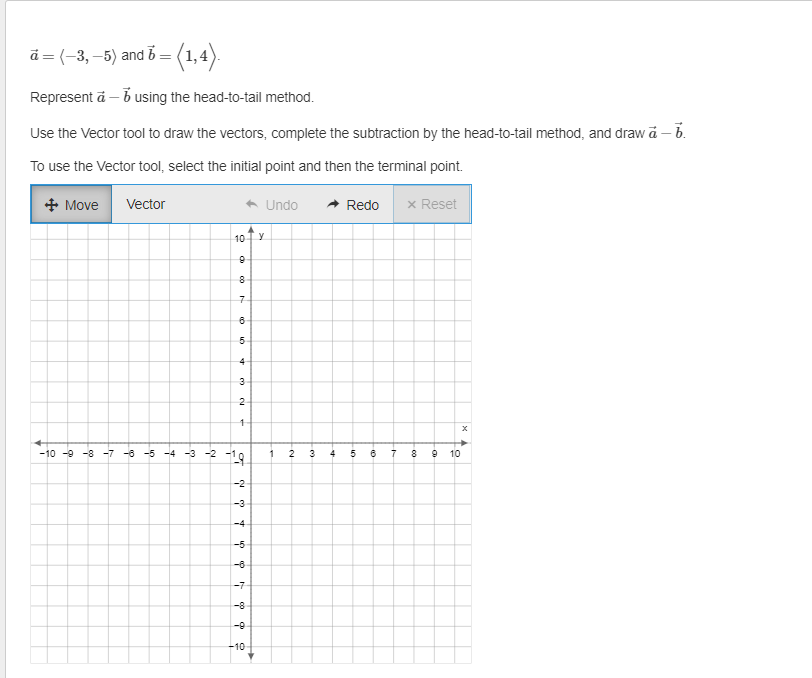
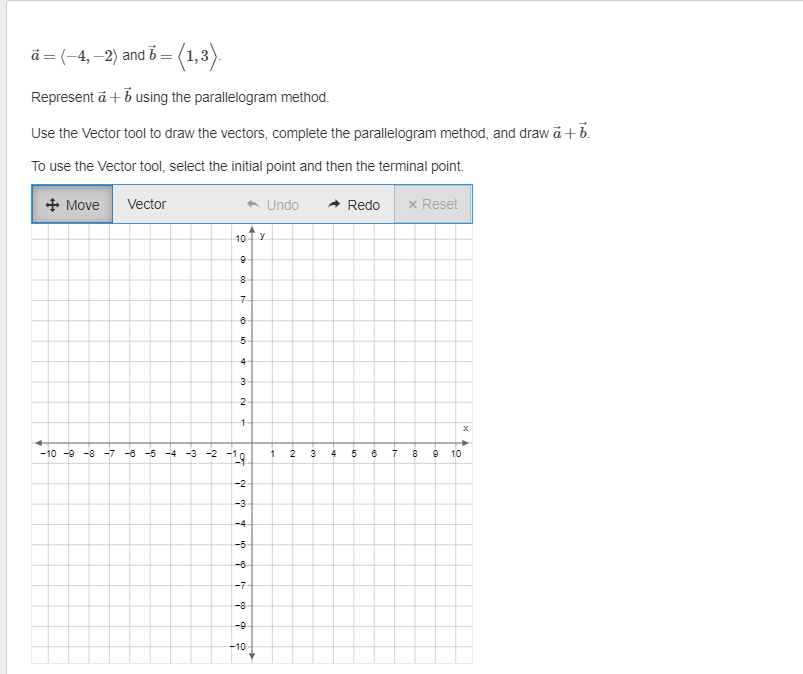
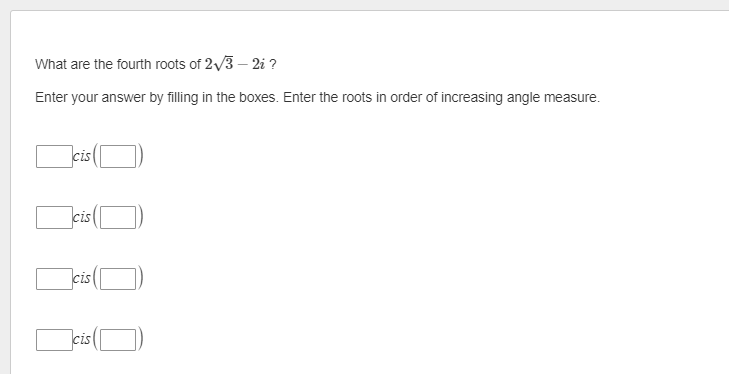
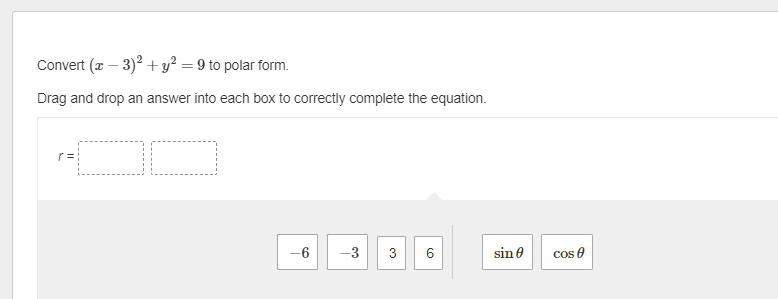
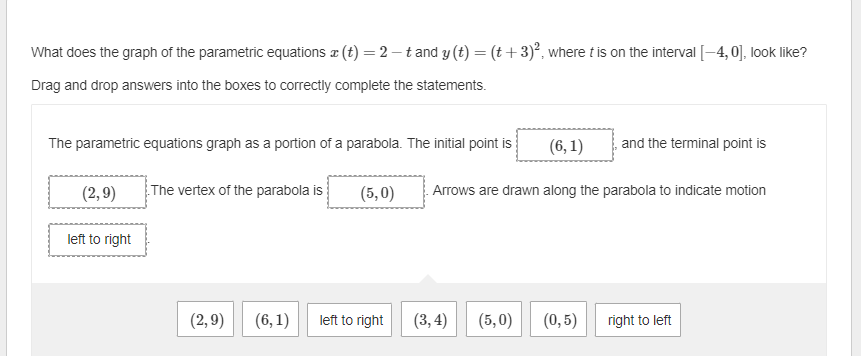
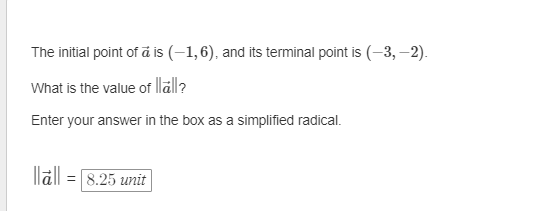
a = (-3, -5) and b = (1,4) Represent a - b using the head-to-tail method. Use the Vector tool to draw the vectors, complete the subtraction by the head-to-tail method, and draw a - b. To use the Vector tool, select the initial point and then the terminal point. + Move Vector + Undo * Redo x Reset 10 X -10 -9 -8 -7 -6 -5 -4 -3 -2 -19 1 2 3 4 5 6 7 8 9 10a = (-4, -2) and b = (1,3) Represent a + b using the parallelogram method. Use the Vector tool to draw the vectors, complete the parallelogram method, and draw a + b. To use the Vector tool, select the initial point and then the terminal point. + Move Vector + Undo Redo x Reset 10 y 7- - N O X -10 -9 -8 -7 -6 -5 -4 -3 -2 -19 1 2 3 5 6 7 8 9 10What are the fourth roots of 24/3 2i ? Enter your answer by filling in the boxes. Enter the roots in order of increasing angle measure. Convert (z 3)? + 3 = 0 to polar form. Drag and drop an answer into each box to correctly complete the equation. o] (2] [=][
Step by Step Solution
There are 3 Steps involved in it

Get step-by-step solutions from verified subject matter experts
 Study Help