







Question: a) A retail chain has 5 stores: A, B, C, D and E in a city. The average number of sales transactions (sales volume) based
a) A retail chain has 5 stores: A, B, C, D and E in a city. The average number of
sales transactions (sales volume) based on a random sample has been calculated
for three periods during the day (morning, afternoon and evening). The retailer
conducts a two-way analysis of variance to investigate whether there appears
to be a difference in the average number of sales transactions in different stores
and at different times of the day.
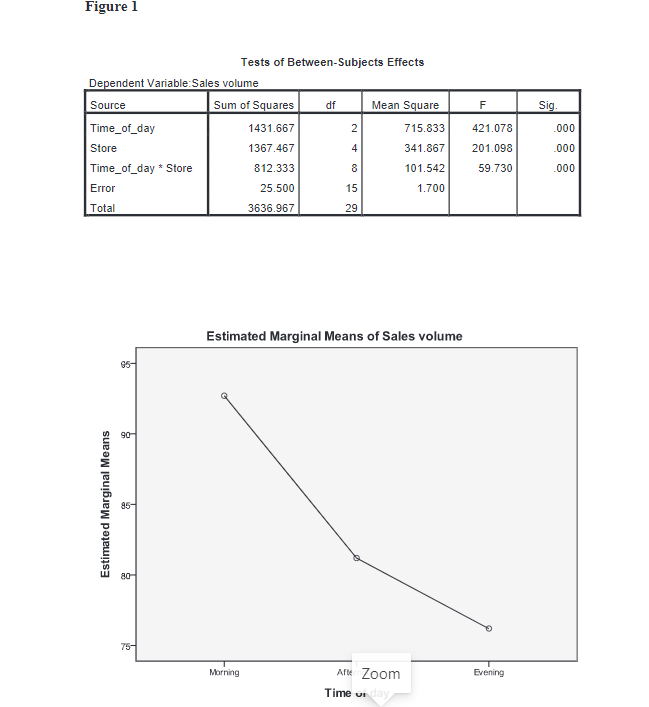
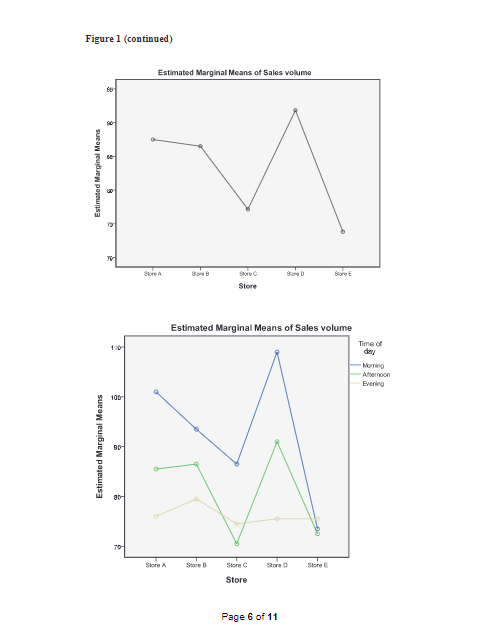
Analyse the selected SPSS output in Figure 1 (spread over the next two pages)
and discuss what conclusions can be drawn from the data.
In your analysis, be sure to address at least the following:
?
Describe the strength of the joint effect of the factors.
?
Test the significance of the variables individually and the interaction
between them.
?
Describe the pattern of interaction.
(20 marks)
(b) Discuss the reasons for the frequent use of cross-tabulations in market research.
What are some of the limitations? Give two examples of cross-tabulations you
might expect to find in a market research study.
(10 marks)
\f\f
Step by Step Solution
There are 3 Steps involved in it

Get step-by-step solutions from verified subject matter experts
 Study Help