







Question: A probability density function for the random variable X is given by Pi = ki, where k is a constant. What value must k
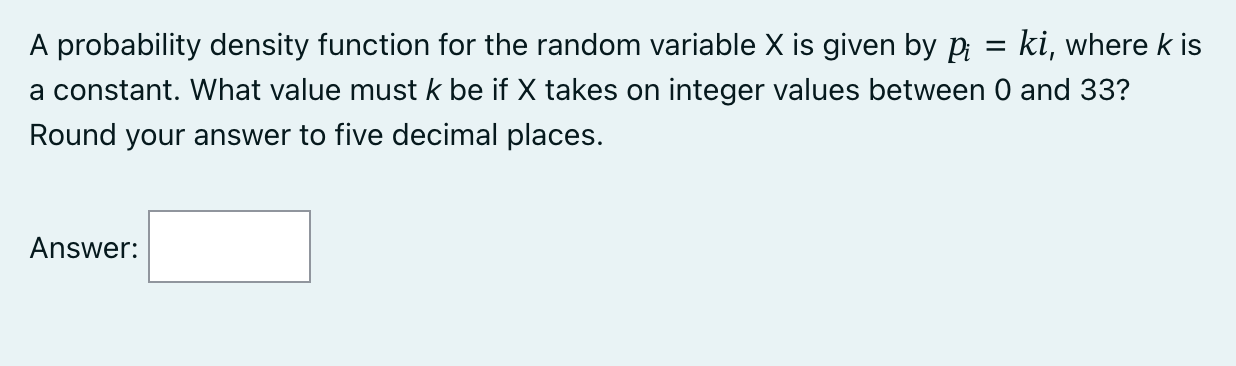


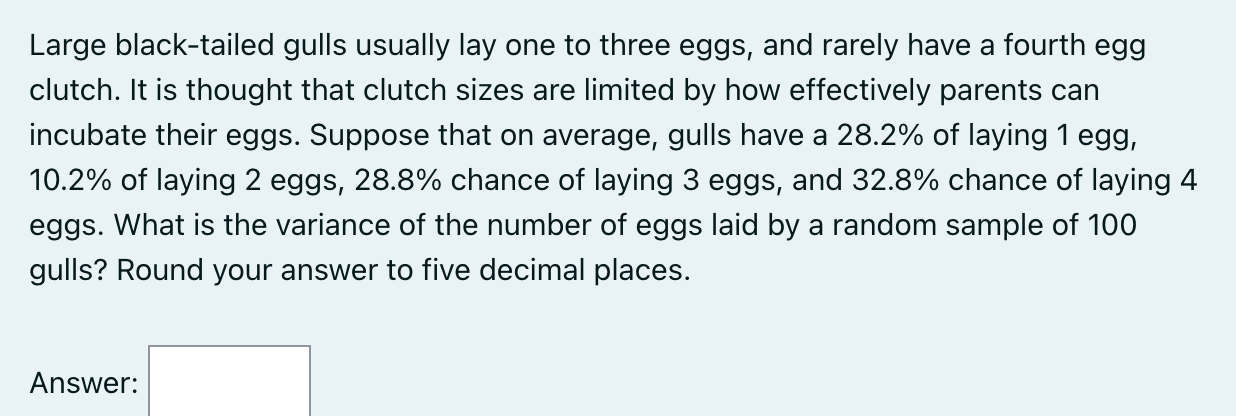
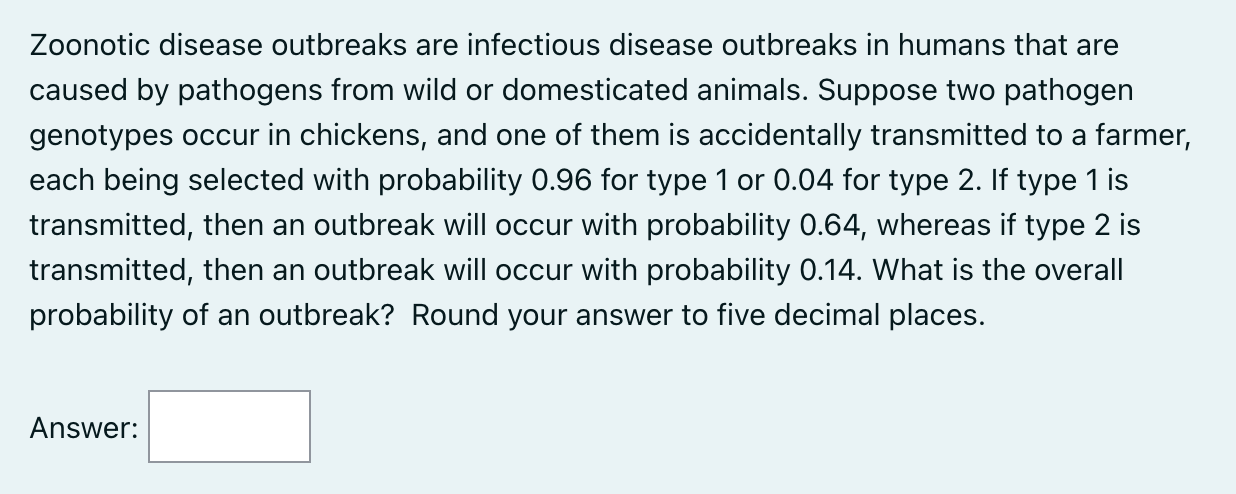
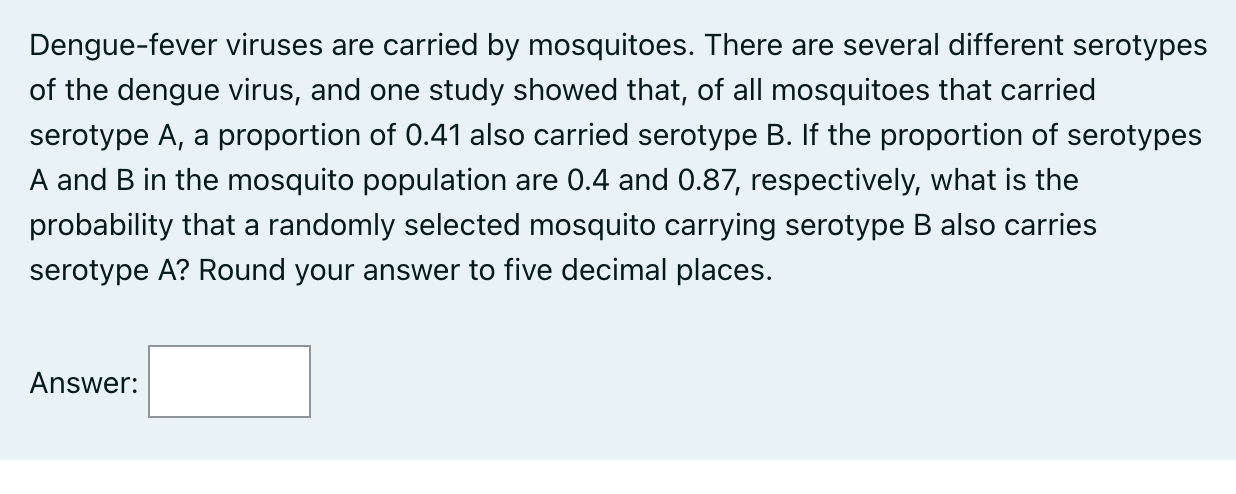
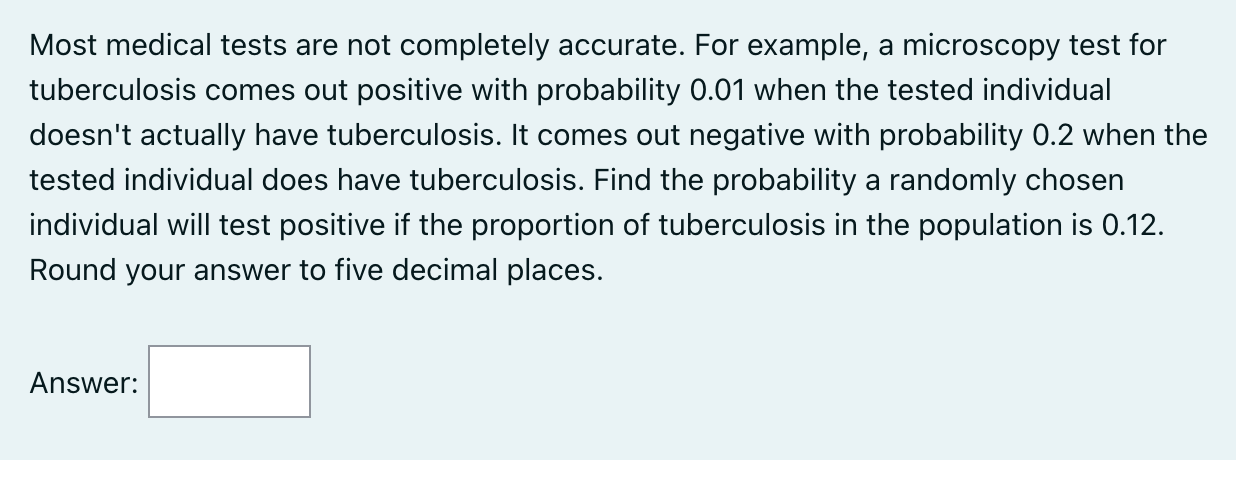
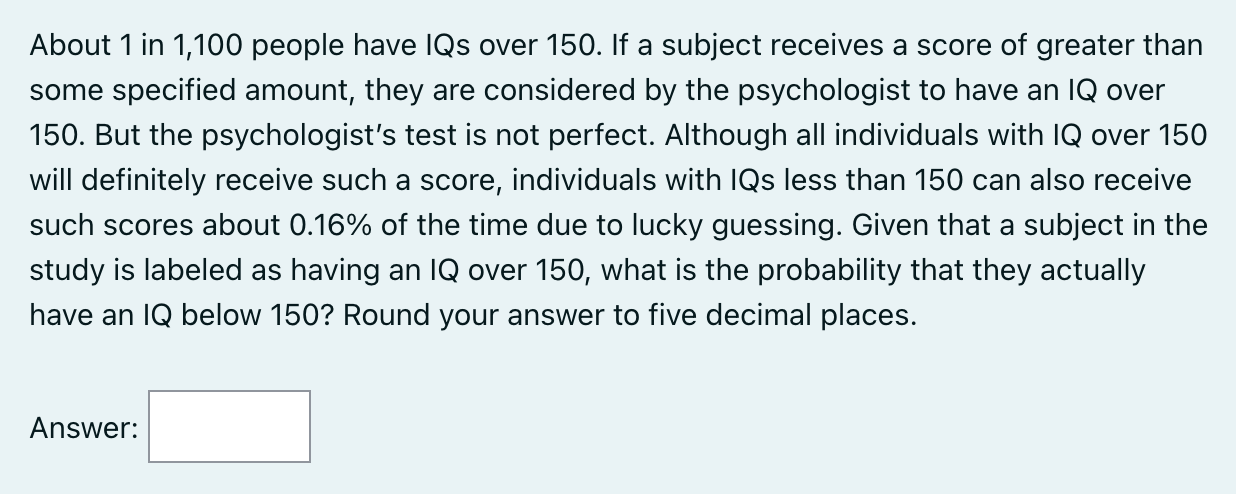
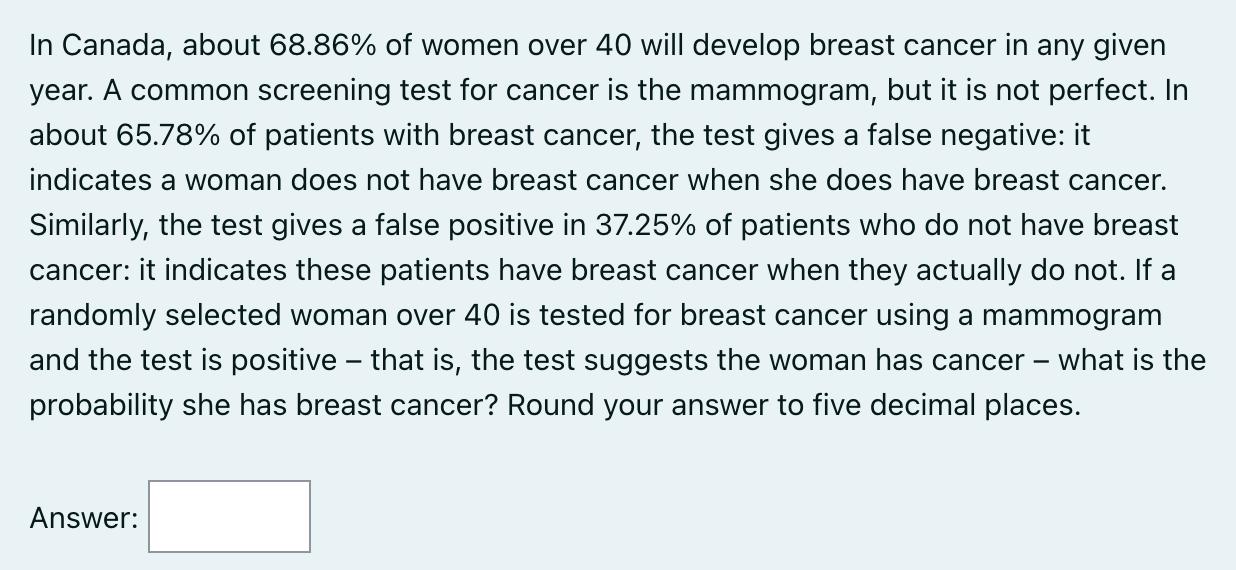
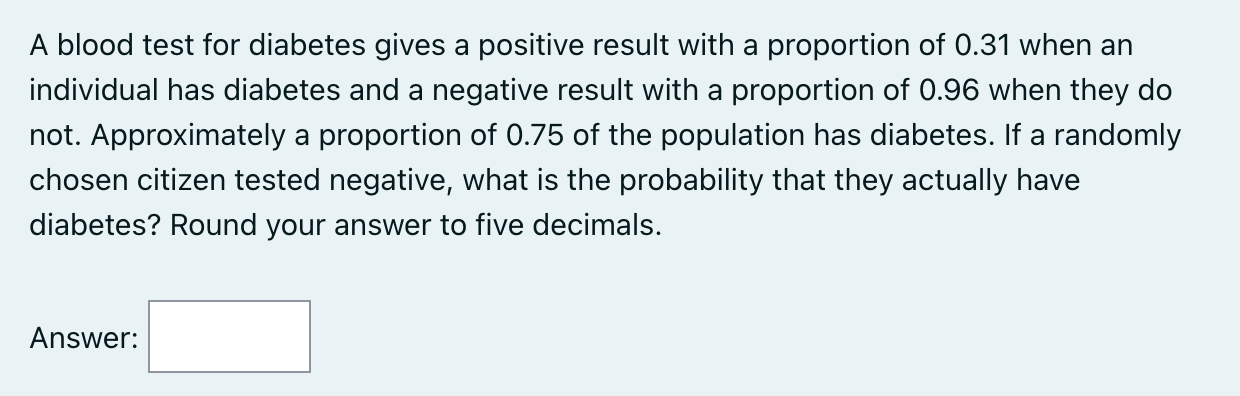
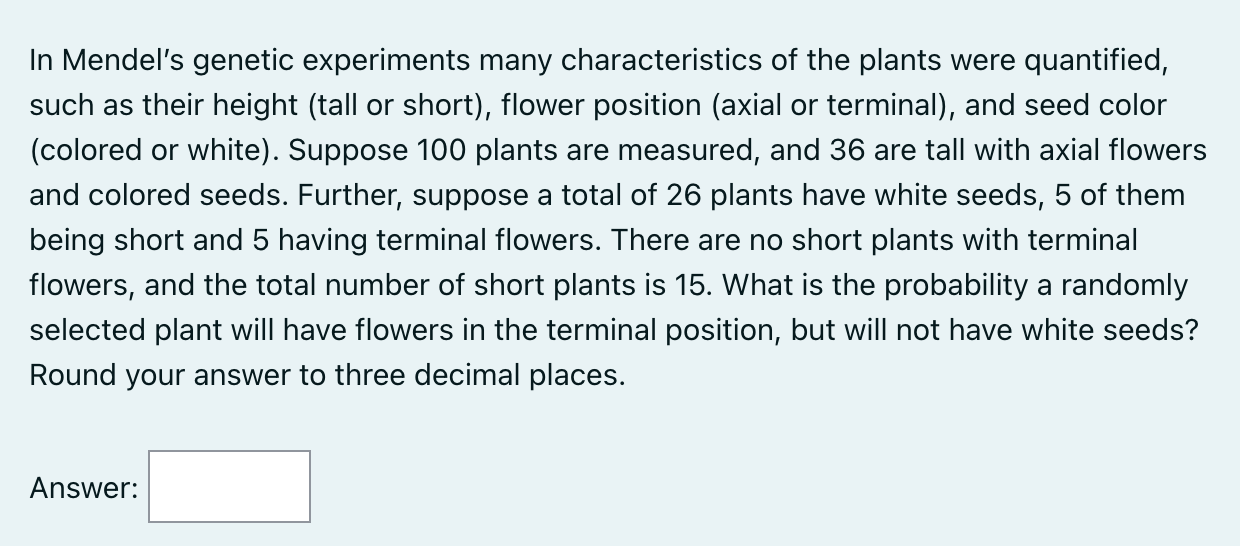
A probability density function for the random variable X is given by Pi = ki, where k is a constant. What value must k be if X takes on integer values between 0 and 33? Round your answer to five decimal places. Answer: Consider the following card game with a well-shuffled deck of cards. If you draw a red card, you win nothing. If you get a spade, you win $45.39. For any club, you win $91.43 plus an extra $21.19 for the ace of clubs. What is the expected value of your winnings if you play the game? Round your answer to five decimal places. Answer: In a new card game, you start by paying $69.39. From a well-shuffled full deck of cards draw 3 cards without replacement. If you draw 3 hearts, you win $245.19. If you draw 3 black cards, you win $208.48. For any other draws, you win nothing. What is your expected winnings in this game? Round your answer to five decimal places. Answer: Large black-tailed gulls usually lay one to three eggs, and rarely have a fourth egg clutch. It is thought that clutch sizes are limited by how effectively parents can incubate their eggs. Suppose that on average, gulls have a 28.2% of laying 1 egg, 10.2% of laying 2 eggs, 28.8% chance of laying 3 eggs, and 32.8% chance of laying 4 eggs. What is the variance of the number of eggs laid by a random sample of 100 gulls? Round your answer to five decimal places. Answer: Zoonotic disease outbreaks are infectious disease outbreaks in humans that are caused by pathogens from wild or domesticated animals. Suppose two pathogen genotypes occur in chickens, and one of them is accidentally transmitted to a farmer, each being selected with probability 0.96 for type 1 or 0.04 for type 2. If type 1 is transmitted, then an outbreak will occur with probability 0.64, whereas if type 2 is transmitted, then an outbreak will occur with probability 0.14. What is the overall probability of an outbreak? Round your answer to five decimal places. Answer: Dengue-fever viruses are carried by mosquitoes. There are several different serotypes of the dengue virus, and one study showed that, of all mosquitoes that carried serotype A, a proportion of 0.41 also carried serotype B. If the proportion of serotypes A and B in the mosquito population are 0.4 and 0.87, respectively, what is the probability that a randomly selected mosquito carrying serotype B also carries serotype A? Round your answer to five decimal places. Answer: Most medical tests are not completely accurate. For example, a microscopy test for tuberculosis comes out positive with probability 0.01 when the tested individual doesn't actually have tuberculosis. It comes out negative with probability 0.2 when the tested individual does have tuberculosis. Find the probability a randomly chosen individual will test positive if the proportion of tuberculosis in the population is 0.12. Round your answer to five decimal places. Answer: About 1 in 1,100 people have IQs over 150. If a subject receives a score of greater than some specified amount, they are considered by the psychologist to have an IQ over 150. But the psychologist's test is not perfect. Although all individuals with IQ over 150 will definitely receive such a score, individuals with IQs less than 150 can also receive such scores about 0.16% of the time due to lucky guessing. Given that a subject in the study is labeled as having an IQ over 150, what is the probability that they actually have an IQ below 150? Round your answer to five decimal places. Answer: In Canada, about 68.86% of women over 40 will develop breast cancer in any given year. A common screening test for cancer is the mammogram, but it is not perfect. In about 65.78% of patients with breast cancer, the test gives a false negative: it indicates a woman does not have breast cancer when she does have breast cancer. Similarly, the test gives a false positive in 37.25% of patients who do not have breast cancer: it indicates these patients have breast cancer when they actually do not. If a randomly selected woman over 40 is tested for breast cancer using a mammogram and the test is positive that is, the test suggests the woman has cancer - what is the probability she has breast cancer? Round your answer to five decimal places. Answer: A blood test for diabetes gives a positive result with a proportion of 0.31 when an individual has diabetes and a negative result with a proportion of 0.96 when they do not. Approximately a proportion of 0.75 of the population has diabetes. If a randomly chosen citizen tested negative, what is the probability that they actually have diabetes? Round your answer to five decimals. Answer: In Mendel's genetic experiments many characteristics of the plants were quantified, such as their height (tall or short), flower position (axial or terminal), and seed color (colored or white). Suppose 100 plants are measured, and 36 are tall with axial flowers and colored seeds. Further, suppose a total of 26 plants have white seeds, 5 of them being short and 5 having terminal flowers. There are no short plants with terminal flowers, and the total number of short plants is 15. What is the probability a randomly selected plant will have flowers in the terminal position, but will not have white seeds? Round your answer to three decimal places. Answer:
Step by Step Solution
There are 3 Steps involved in it

Get step-by-step solutions from verified subject matter experts
 Study Help