







Question: A1: Current situation and problems faced by the company. It presents a detailed diagnosis of the problems faced by the company in the case study.
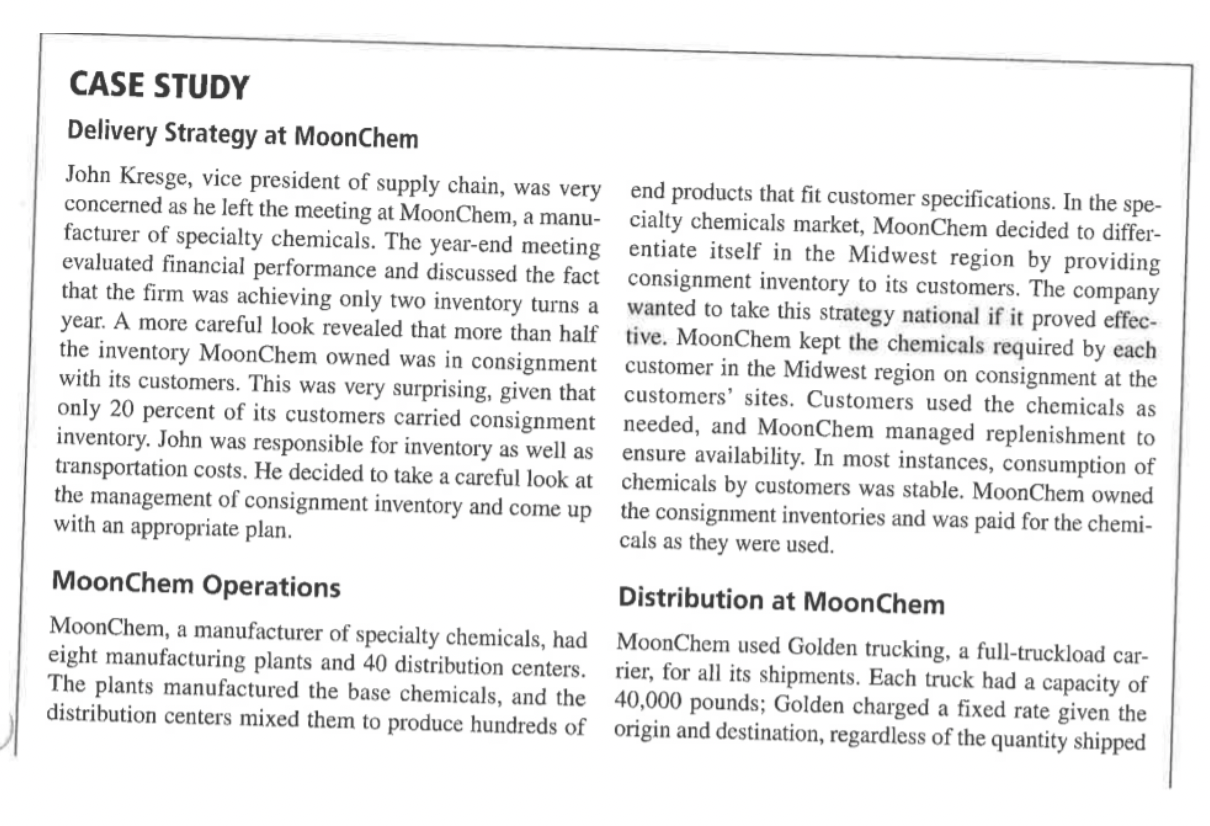
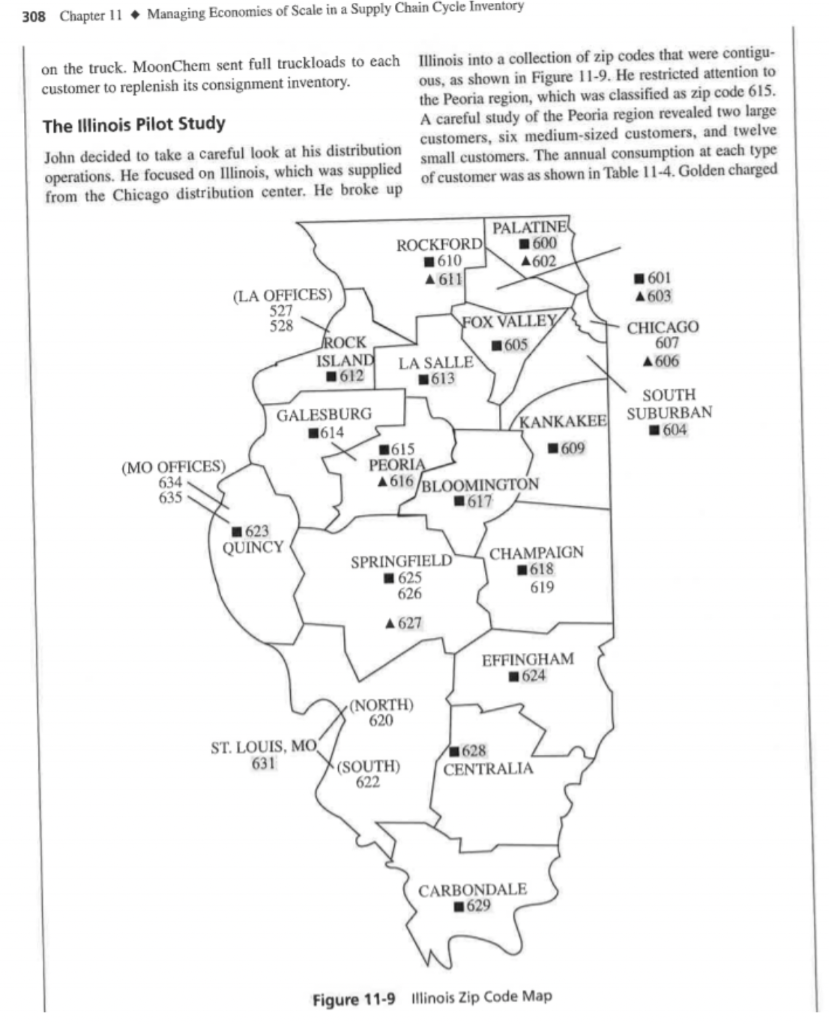
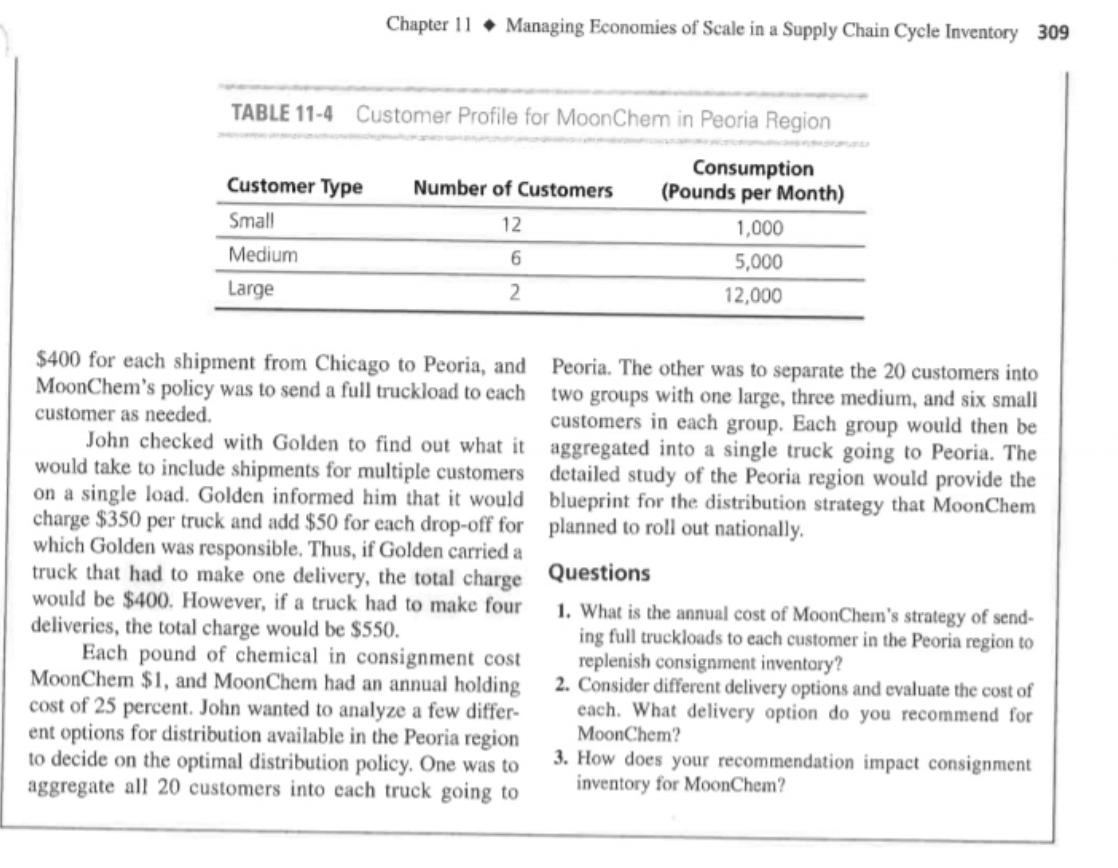
A1: Current situation and problems faced by the company. It presents a detailed diagnosis of the problems faced by the company in the case study. Describes the implications of the problem, its causes and the impact on the competitiveness of the company. A2: Application of specialized quality, productivity and optimization tools in diagnosing a situation. Describes the selection and application of the main diagnostic tools developed in the case study. Complement with the assumptions required for the deployment of models and/or indicators that complement the study. A3. It explains the concepts, processes and results of the diagnosis with orientation to the client and main stakeholders. It presents a comprehensive diagnosis from the perspective of the company and its customers. It complements with a value judgment about the diagnostic process, the tools used for it and the derived conclusions. A4: Selection and combination of methodologies and improvement tools. It presents a detailed justification of the methodologies and tools used in the creation of the solution alternatives. It complements with the identification of the advantages and disadvantages of the methodologies and tools used based on the current conditions of the problem (company). A5: Comparison and selection of the best solution alternative to the current situation. It identifies, defines and describes the best solution, measures it in its main criteria (including total cost of management), compares it against the current situation and highlights the main contributions of the proposed solution compared to the original situation.CASE STUDY Delivery Strategy at MoonChem John Kresge, vice president of supply chain, was very end products that fit customer specifications. In the spe- concerned as he left the meeting at MoonChem, a manu- cialty chemicals market, MoonChem decided to differ- facturer of specialty chemicals. The year-end meeting entiate itself in the Midwest region by providing evaluated financial performance and discussed the fact consignment inventory to its customers. The company that the firm was achieving only two inventory turns a wanted to take this strategy national if it proved effec- year. A more careful look revealed that more than half tive. MoonChem kept the chemicals required by each the inventory MoonChem owned was in consignment customer in the Midwest region on consignment at the with its customers. This was very surprising, given that customers' sites. Customers used the chemicals as only 20 percent of its customers carried consignment needed, and MoonChem managed replenishment to inventory. John was responsible for inventory as well as ensure availability. In most instances, consumption of transportation costs. He decided to take a careful look at chemicals by customers was stable. MoonChem owned the management of consignment inventory and come up the consignment inventories and was paid for the chemi- with an appropriate plan. cals as they were used. MoonChem Operations Distribution at MoonChem MoonChem, a manufacturer of specialty chemicals, had MoonChem used Golden trucking, a full-truckload car- eight manufacturing plants and 40 distribution centers. rier, for all its shipments. Each truck had a capacity of The plants manufactured the base chemicals, and the 40,000 pounds; Golden charged a fixed rate given the distribution centers mixed them to produce hundreds of origin and destination, regardless of the quantity shipped 308 Chapter 11 . Managing Economics of Scale in a Supply Chain Cycle Inventory on the truck. MoonChem sent full truckloads to each Illinois into a collection of zip codes that were contigu- customer to replenish its consignment inventory. ous, as shown in Figure 11-9. He restricted attention to the Peoria region, which was classified as zip code 615. The Illinois Pilot Study A careful study of the Peoria region revealed two large John decided to take a careful look at his distribution customers, six medium-sized customers, and twelve operations. He focused on Illinois, which was supplied small customers. The annual consumption at each type from the Chicago distribution center. He broke up of customer was as shown in Table 11-4. Golden charged PALATINE ROCKFORD 1600 610 A602 A611 (LA OFFICES) 1601 527 A603 528 FOX VALLEY ROCK CHICAGO 1605 ISLAND 607 LA SALLE 1612 A606 1613 GALESBURG SOUTH 1614 KANKAKEE SUBURBAN 604 1615 (MO FFICES) 1609 PEORIA 634 A616 /BLOOMINGTON 635 1617 1623 QUINCY SPRINGFIELD CHAMPAIGN 1625 1618 626 619 OOMING A 627 EFFINGHAM 1624 (NORTH) 620 ST. LOUIS, MO 631 (SOUTH) 622 1628 CENTRALIA CARBONDALE 629 Figure 11-9 Illinois Zip Code Map Chapter 11 . Managing Economies of Scale in a Supply Chain Cycle Inventory 309 TABLE 11-4 Customer Profile for MoonChem in Peoria Region Consumption Customer Type Number of Customers (Pounds per Month) Small 12 1,000 Medium 6 5,000 Large 2 12,000 $400 for each shipment from Chicago to Peoria, and Peoria. The other was to separate the 20 customers into MoonChem's policy was to send a full truckload to each two groups with one large, three medium, and six small customer as needed. customers in each group. Each group would then be John checked with Golden to find out what it aggregated into a single truck going to Peoria. The would take to include shipments for multiple customers detailed study of the Peoria region would provide the on a single load. Golden informed him that it would blueprint for the distribution strategy that MoonChem charge $350 per truck and add $50 for each drop-off for planned to roll out nationally, which Golden was responsible. Thus, if Golden carried a truck that had to make one delivery, the total charge Questions would be $400. However, if a truck had to make four 1. What is the annual cost of MoonChem's strategy of send- deliveries, the total charge would be $550. ing full truckloads to each customer in the Peoria region to Each pound of chemical in consignment cost replenish consignment inventory? MoonChem $1, and MoonChem had an annual holding 2. Consider different delivery options and evaluate the cost of cost of 25 percent. John wanted to analyze a few differ- each. What delivery option do you recommend for ent options for distribution available in the Peoria region MoonChem? to decide on the optimal distribution policy. One was to 3. How does your recommendation impact consignment inventory for MoonChem? aggregate all 20 customers into cach truck going to
Step by Step Solution
There are 3 Steps involved in it
1 Expert Approved Answer
Step: 1 Unlock

Question Has Been Solved by an Expert!
Get step-by-step solutions from verified subject matter experts
Step: 2 Unlock
Step: 3 Unlock
 Study Help