



Question: Accounting 311 In class #1 Based on Case 5-64 in text 5-64. Cost Estimation, CVP Analysis, and Decision Making (LO 5-4, 5, 8) Luke Corporation
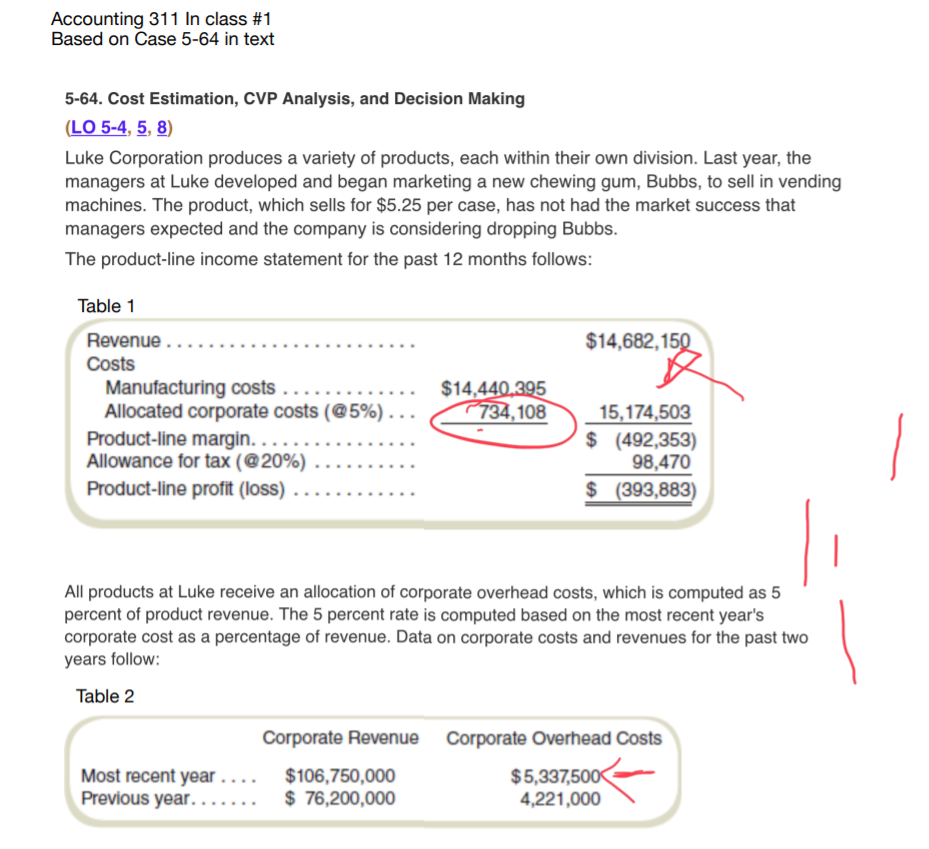

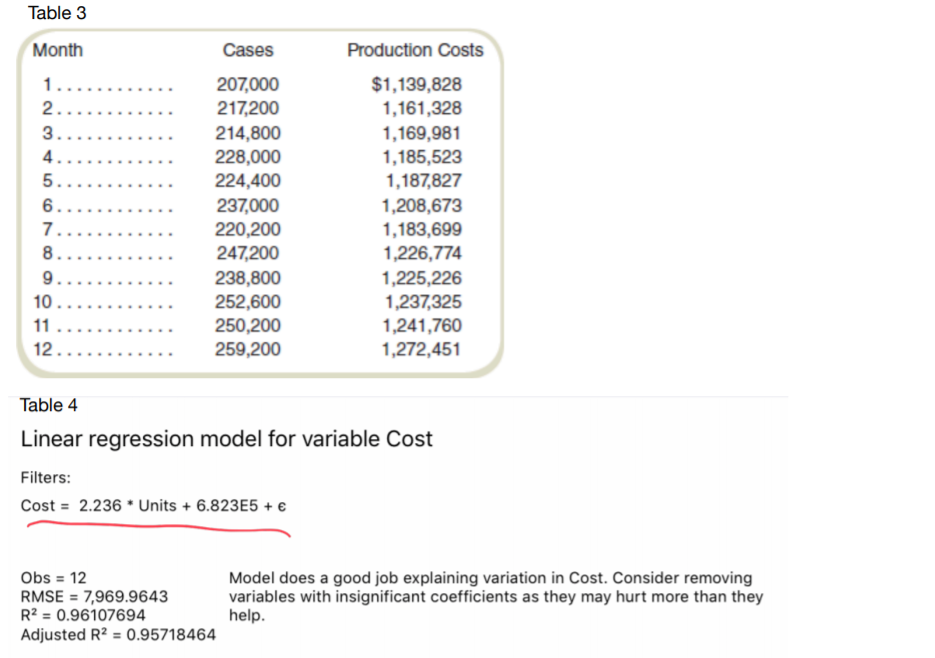
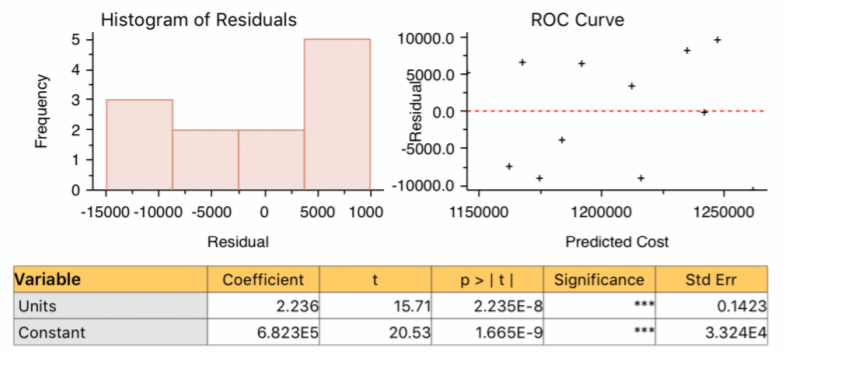
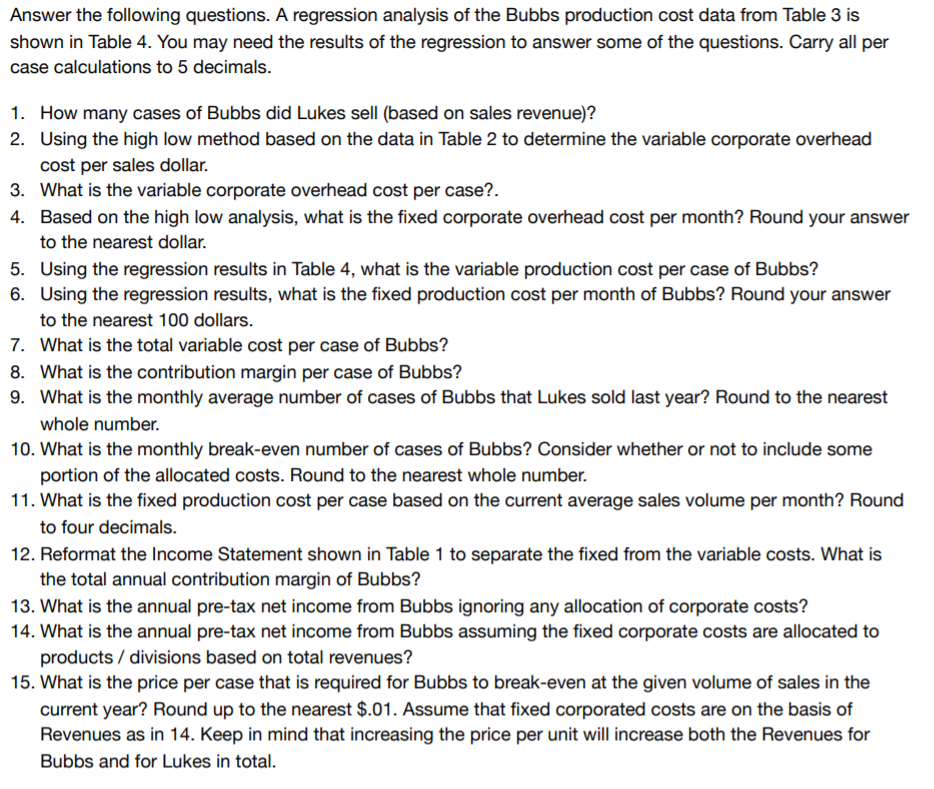
Accounting 311 In class #1 Based on Case 5-64 in text 5-64. Cost Estimation, CVP Analysis, and Decision Making (LO 5-4, 5, 8) Luke Corporation produces a variety of products, each within their own division. Last year, the managers at Luke developed and began marketing a new chewing gum, Bubbs, to sell in vending machines. The product, which sells for $5.25 per case, has not had the market success that managers expected and the company is considering dropping Bubbs. The product-line income statement for the past 12 months follows: Table 1 $14,682,150 Revenue...... Costs Manufacturing costs ...... $14,440.395 Allocated corporate costs (@5%)... C7734,108 Product-line margin...... Allowance for tax (@20%)... Product-line profit (loss) ..... 15,174,503 $ (492,353) 98,470 $ (393,883) All products at Luke receive an allocation of corporate overhead costs, which is computed as 5 percent of product revenue. The 5 percent rate is computed based on the most recent year's corporate cost as a percentage of revenue. Data on corporate costs and revenues for the past two years follow: Table 2 Corporate Overhead Costs Corporate Revenue Most recent year.... $106,750,000 Previous year. ...... $ 76,200,000 $5,337,500 4,221,000 Roy O. Andre, the product manager for Bubbs, is concerned about whether the product will be dropped by the company and has employed you as a financial consultant to help with some analysis. In addition to the information given above, Mr. Andre provides you with the following data on product costs for Bubbs: Table 3 Month Cases 1... 207,000 217,200 214,800 228,000 224,400 237,000 220,200 247,200 238,800 252,600 250,200 259,200 Production Costs $1,139,828 1,161,328 1,169,981 1,185,523 1,187,827 1,208,673 1,183,699 1,226,774 1,225,226 1,237,325 1,241,760 1,272,451 12...... Table 4 Linear regression model for variable Cost Filters: Cost = 2.236 * Units + 6.823E5 + Obs = 12 Model does a good job explaining variation in Cost. Consider removing RMSE = 7,969.9643 variables with insignificant coefficients as they may hurt more than they R2 = 0.96107694 help. Adjusted R2 = 0.95718464 Histogram of Residuals ROC Curve 10000.0 5000.0 + Frequency 0 0.0 -5000.0 - 10000.0 5000 1000 1150000 1250000 - 15000-10000 -50000 Residual 1200000 Predicted Cost t Variable Units Coefficient 2.236 6.82355 p >t. 2.235E-8 1.665E-9 Significance *** Std Err 0.1423 15.71 20.53 Constant 3.3244 Answer the following questions. A regression analysis of the Bubbs production cost data from Table 3 is shown in Table 4. You may need the results of the regression to answer some of the questions. Carry all per case calculations to 5 decimals. 1. How many cases of Bubbs did Lukes sell (based on sales revenue)? 2. Using the high low method based on the data in Table 2 to determine the variable corporate overhead cost per sales dollar. 3. What is the variable corporate overhead cost per case?. 4. Based on the high low analysis, what is the fixed corporate overhead cost per month? Round your answer to the nearest dollar. 5. Using the regression results in Table 4, what is the variable production cost per case of Bubbs? 6. Using the regression results, what is the fixed production cost per month of Bubbs? Round your answer to the nearest 100 dollars. 7. What is the total variable cost per case of Bubbs? 8. What is the contribution margin per case of Bubbs? 9. What is the monthly average number of cases of Bubbs that Lukes sold last year? Round to the nearest whole number. 10. What is the monthly break-even number of cases of Bubbs? Consider whether or not to include some portion of the allocated costs. Round to the nearest whole number. 11. What is the fixed production cost per case based on the current average sales volume per month? Round to four decimals. 12. Reformat the Income Statement shown in Table 1 to separate the fixed from the variable costs. What is the total annual contribution margin of Bubbs? 13. What is the annual pre-tax net income from Bubbs ignoring any allocation of corporate costs? 14. What is the annual pre-tax net income from Bubbs assuming the fixed corporate costs are allocated to products / divisions based on total revenues? 15. What is the price per case that is required for Bubbs to break-even at the given volume of sales in the current year? Round up to the nearest $.01. Assume that fixed corporated costs are on the basis of Revenues as in 14. Keep in mind that increasing the price per unit will increase both the Revenues for Bubbs and for Lukes in total
Step by Step Solution
There are 3 Steps involved in it

Get step-by-step solutions from verified subject matter experts