







Question: ****Additional infomation as requested from the Chegg Expert****** ****I have included Chapter 6, I need to make a graphics and which will accompany a written
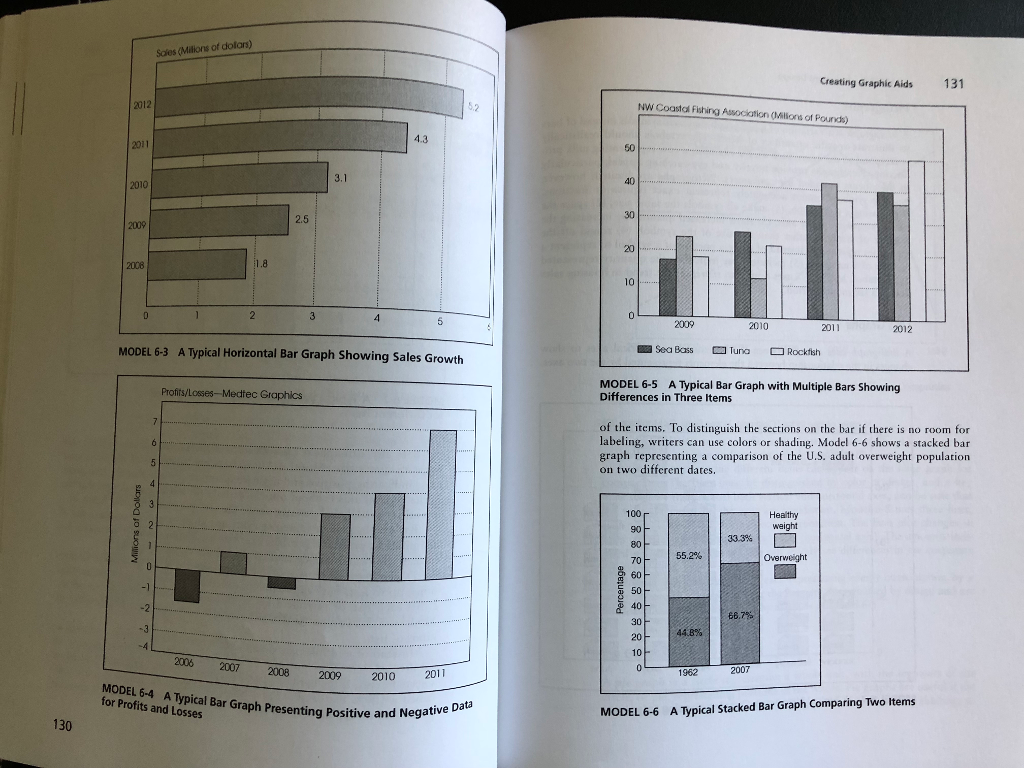
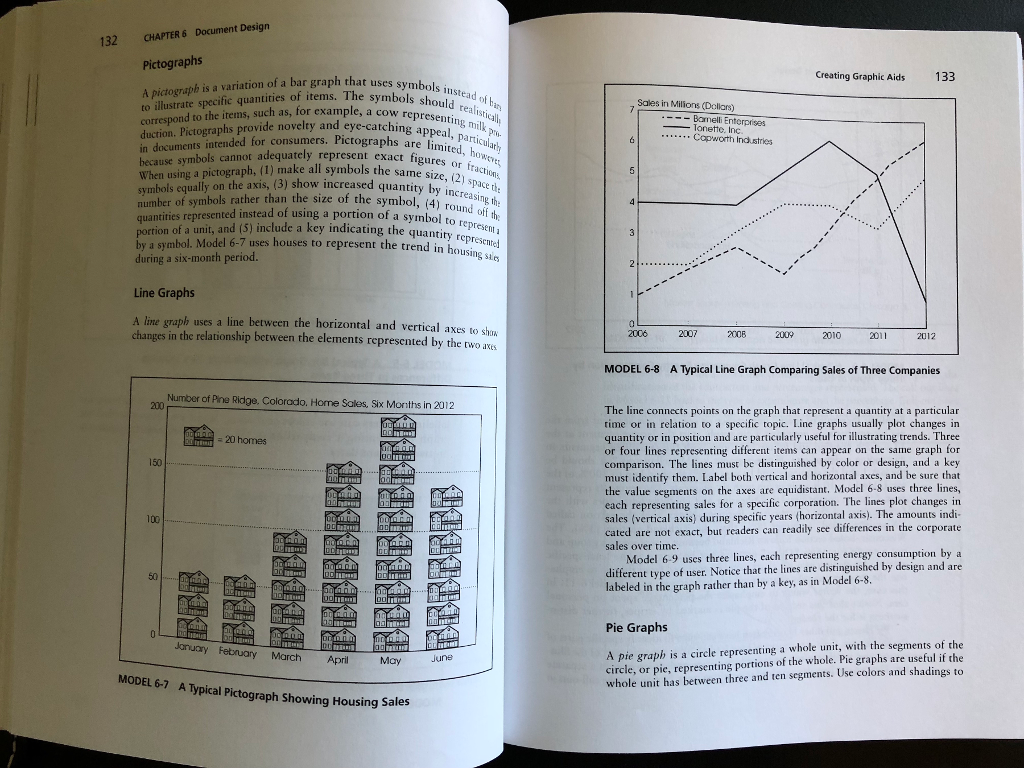
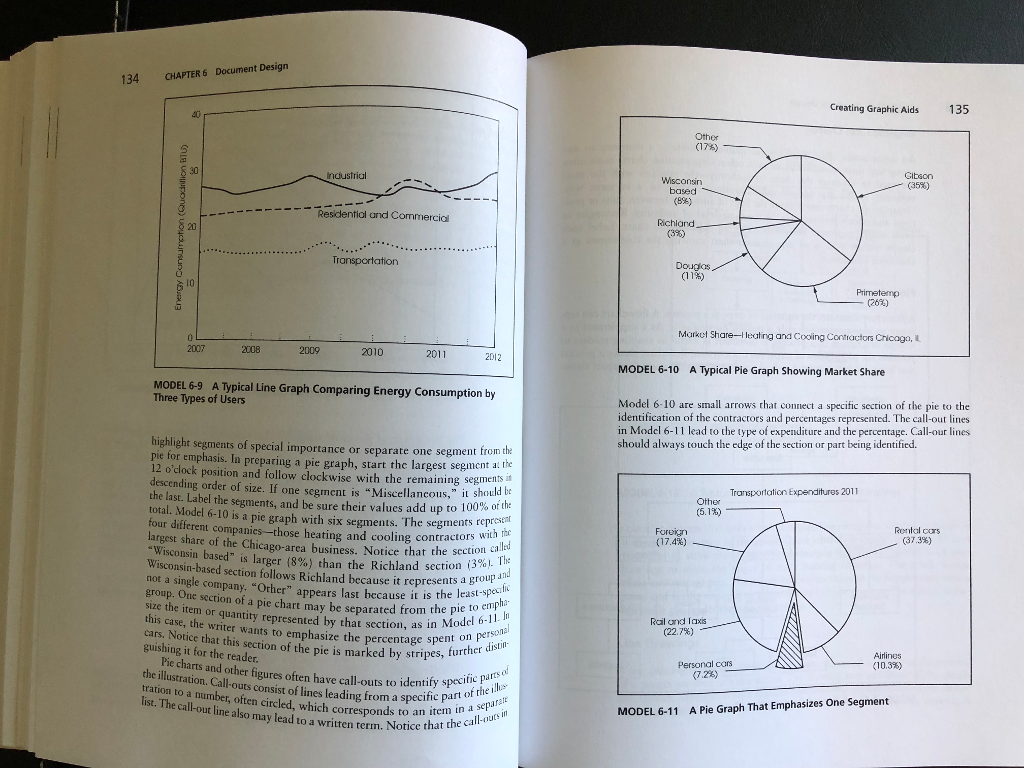
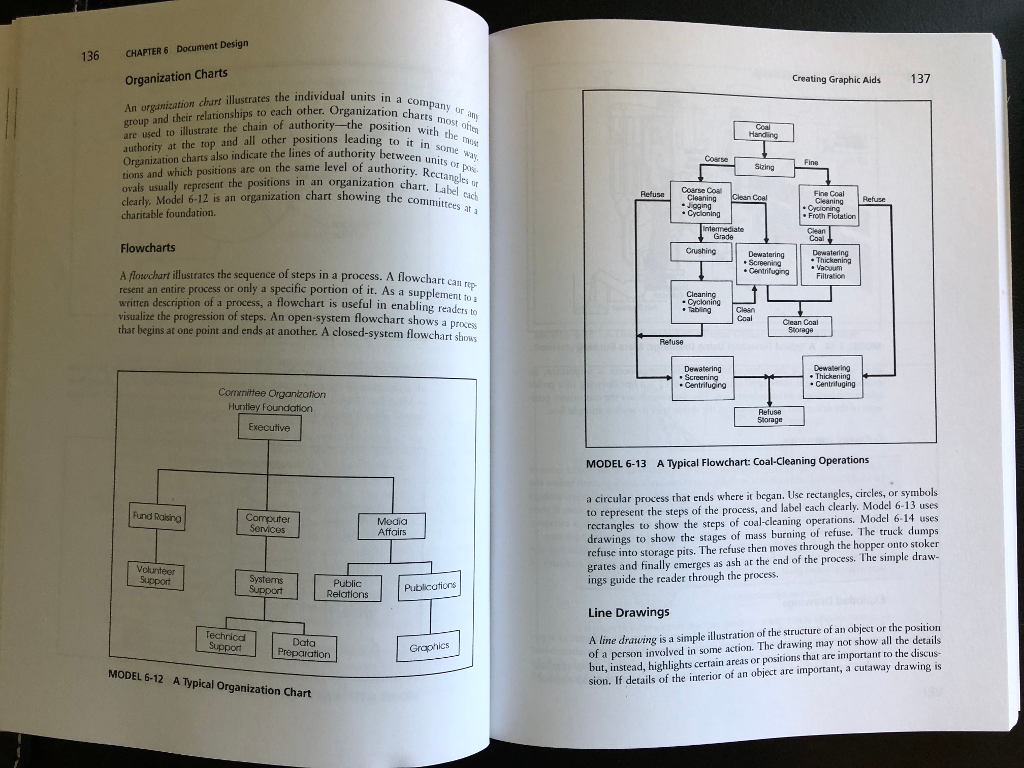
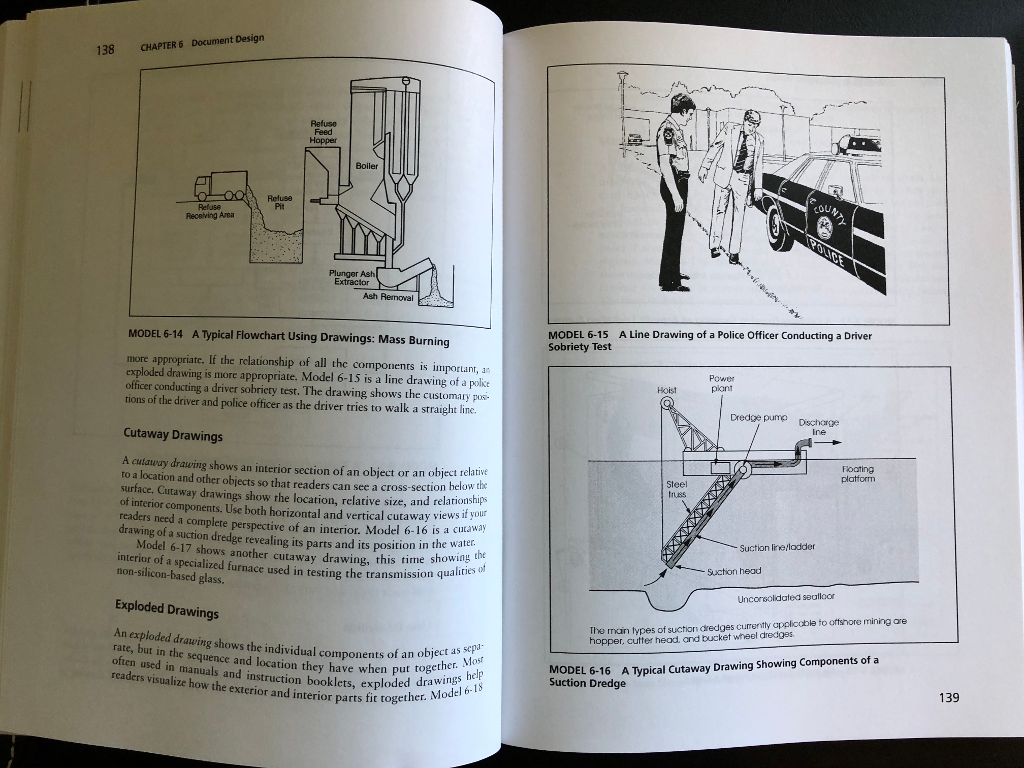
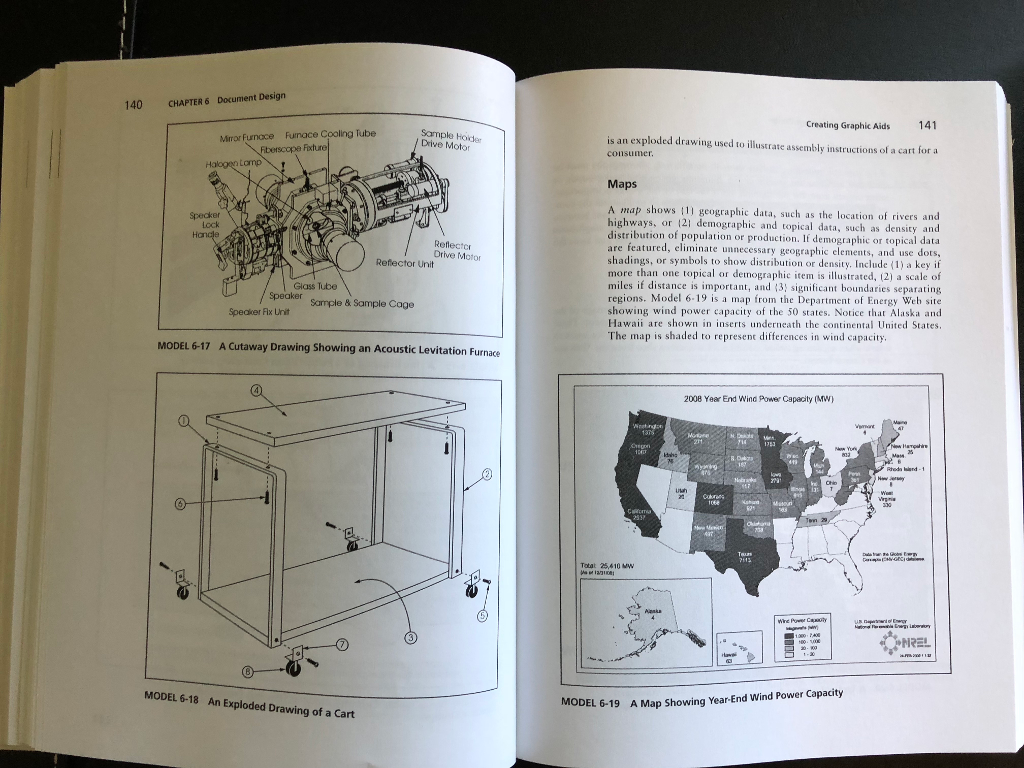
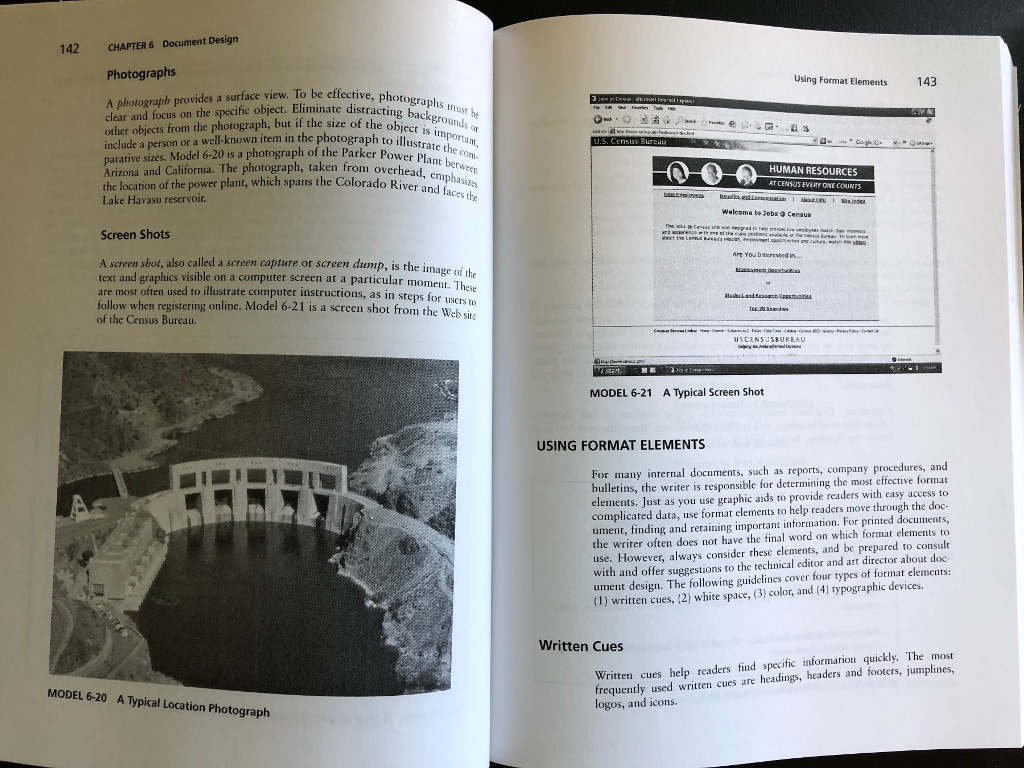
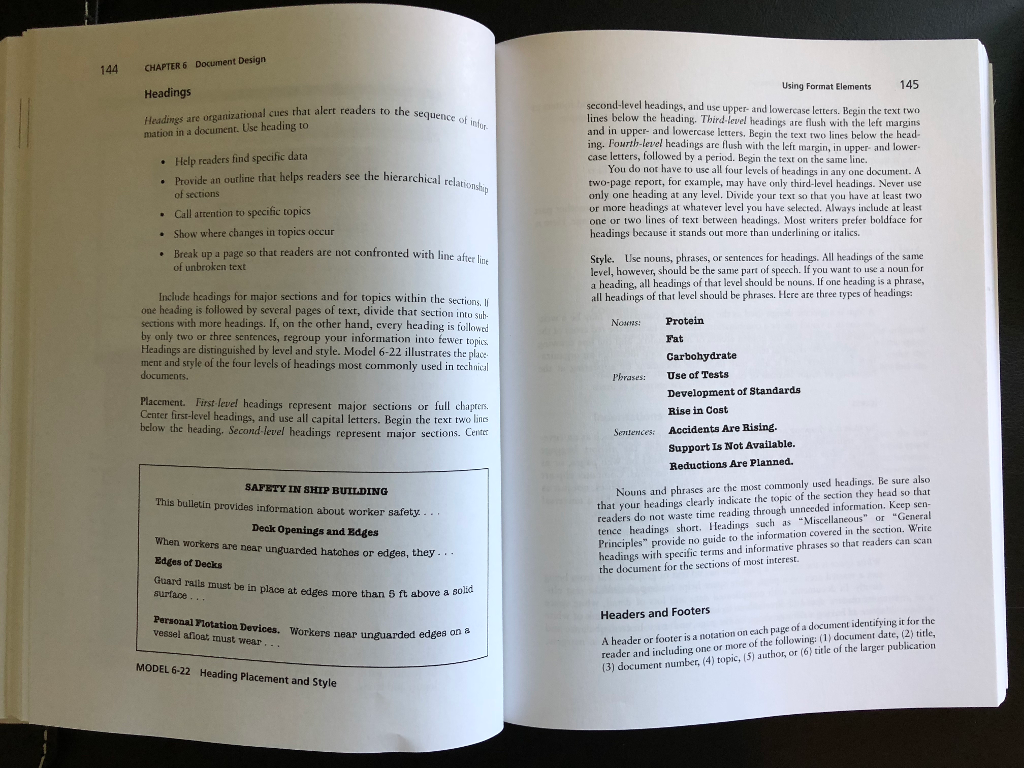
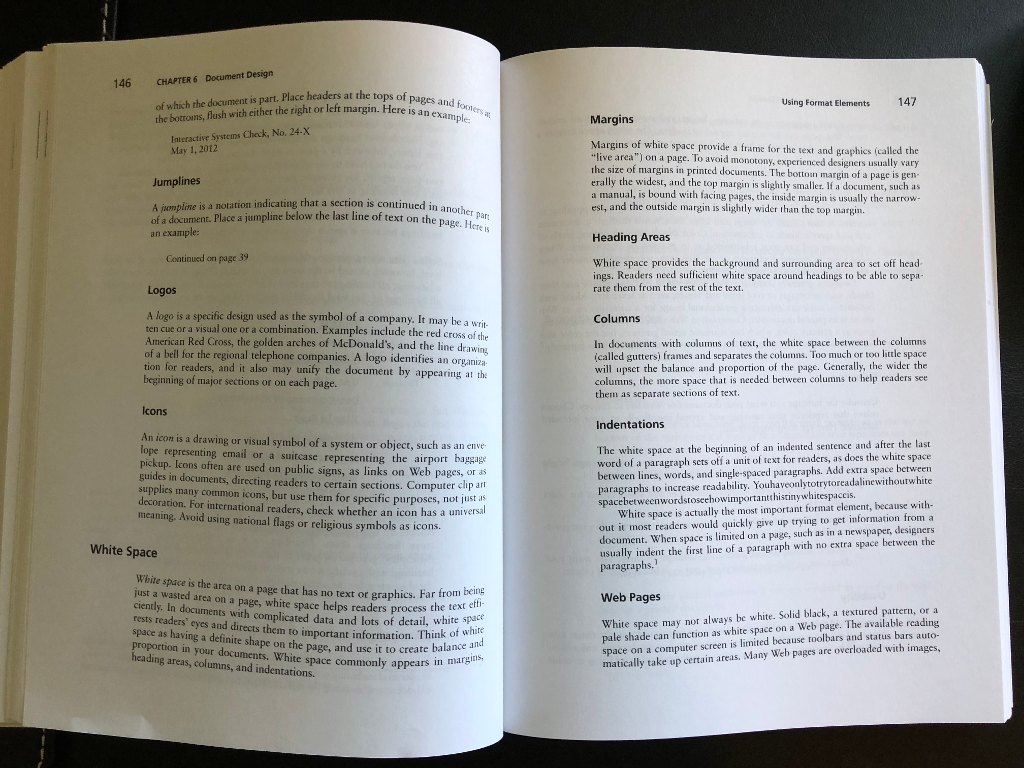
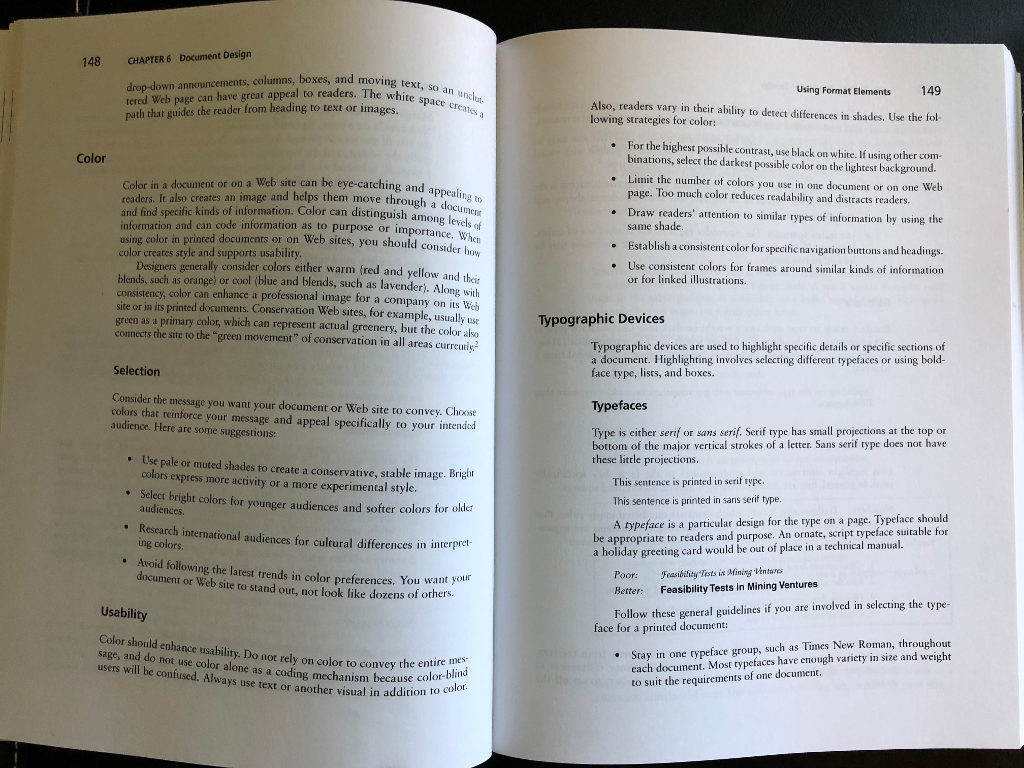
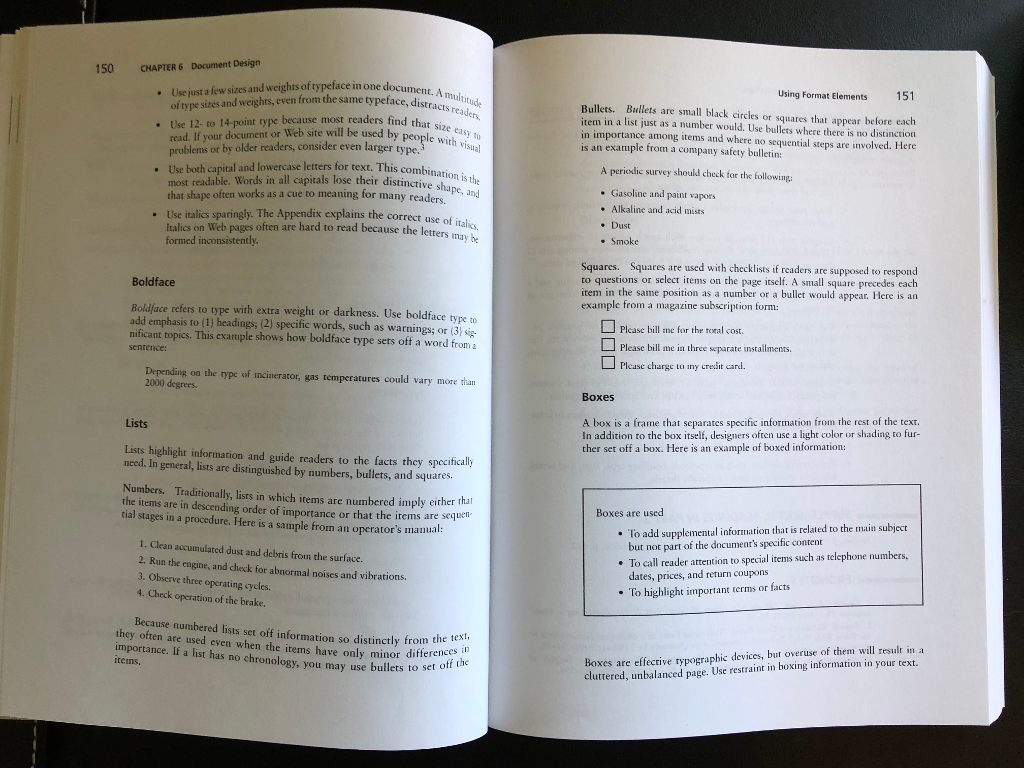
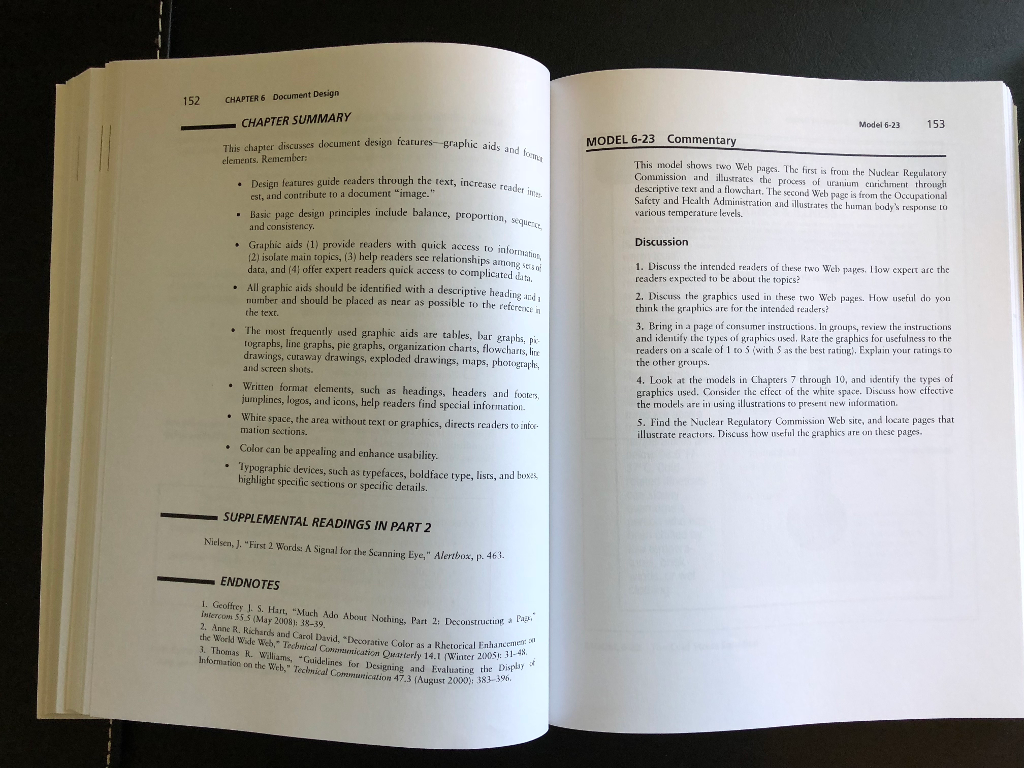
****Additional infomation as requested from the Chegg Expert******
****I have included Chapter 6, I need to make a graphics and which will accompany a written report of the information below*******
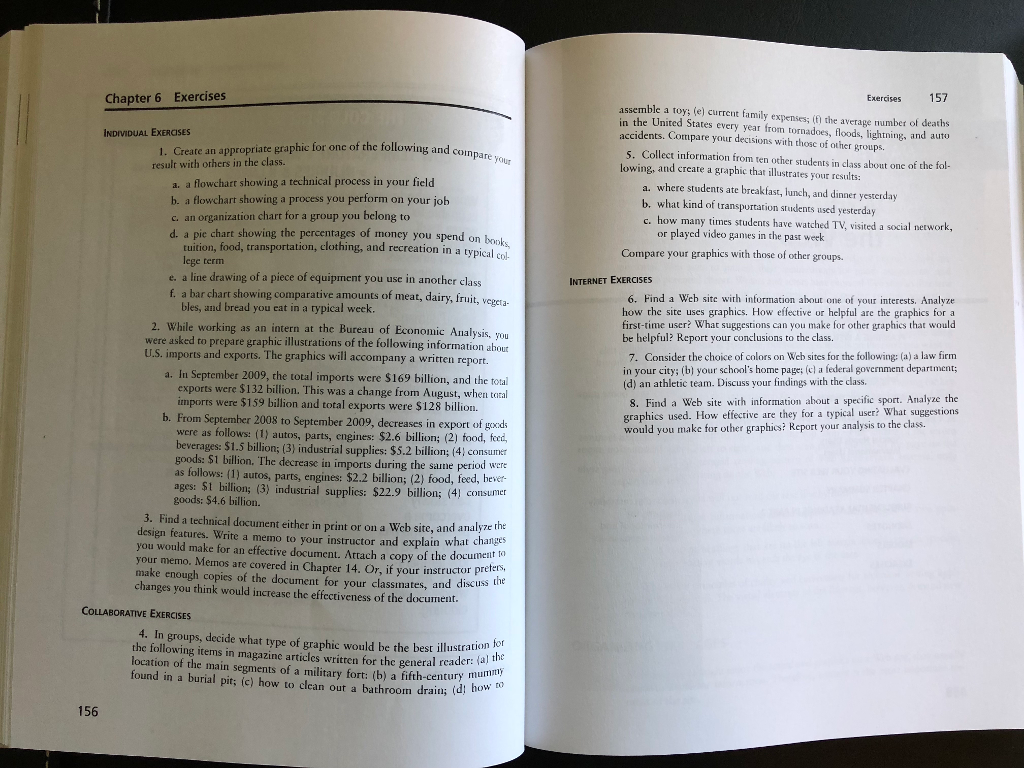
Read Chapter 6 in Technical Writing: Principles, Strategies and Readings. Answer Question 2 on page 156.
2. While working as an intern at the Bureau of Economic Analysis, you were asked to prepare graphic illustrations of the following information about U.S. imports and exports. The graphics will accompany a writen report.
a. In September 2009, the total imports were $169 billion, and the total exports were $132 billion. This was a change from August, when total imports were $159 billion and total exports were $128 billiion.
b. From Sepetember 2008 to September 2009, decreases in export of goods were as follows: (1) autos, parts, engines: $2.6 billion; (2) food, feed, beverages: $1.5 billion; (3) industrial supplies: $5.2 billion; (4) consumer goods: $1 billion. The decrease in imports during the same period were as follows: (1) autos, parts, engines: $2.2 billion; (2) food, feed, beverages: $1 billion; (3) inndustrial suppplies: $22.9 billion; (4) consumer goods: $4.6 billion.
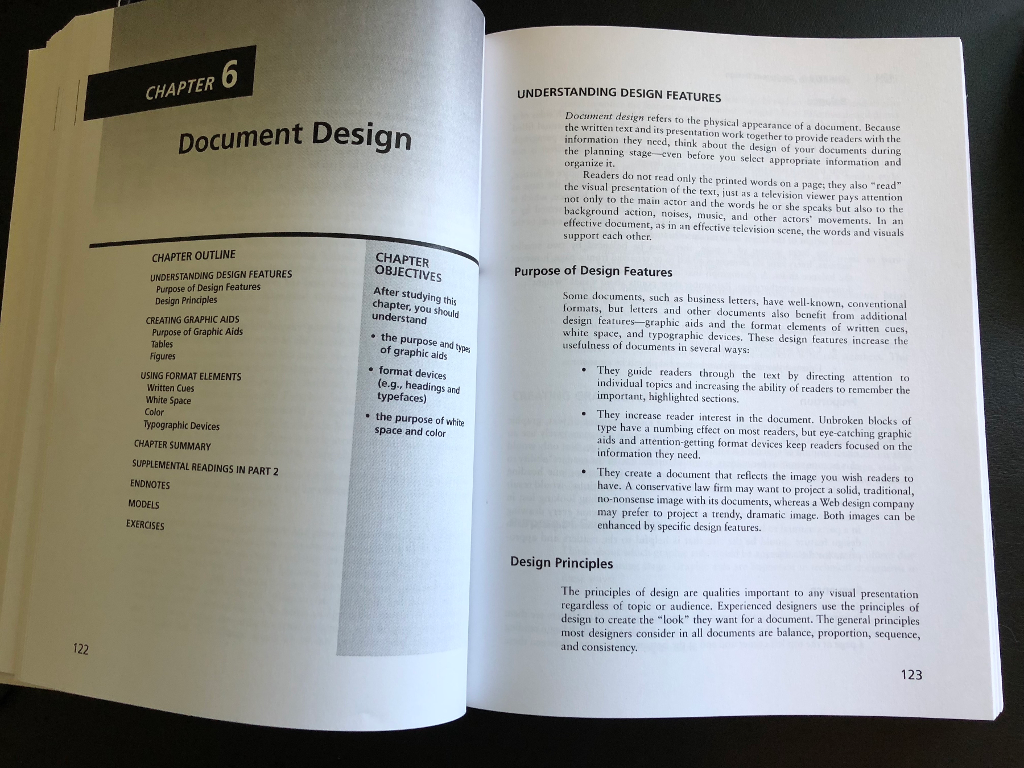
UNDERSTANDING DESIGN FEATURES CHAPTER Document design refers to the physical appearance of a document. Because the written text and its presentation work together to provide readers with the information they need, think about the design of your documents during the planning stage -even before you select appropriate information and organize it. Document Design Readers do not read only the printed words on a page, they also "read" the visual presentation of the text, just as a television viewer pays attention not only to the main actor and the words he or she speaks but also to the background action, noises, music, and other actors movements. In an effective document, as in an effective television scene, the words and visuals support each other. CHAPTER OBJECTIVES CHAPTER OUTLINE Purpose of Design Features UNDERSTANDING DESIGN FEATURES Some documents, such as business letters, have well-known, conventional formats, but letters and other documents also benefit from additional design features-graphic aids and the format elements of written cues, white space, and typographic devices. These design features increase the usefulness of documents in several ways: Purpose of Design Features Design Principles After studying this chapter, you should understand CREATING GRAPHIC AIDS , the purpose and types Purpose of Graphic Aids Tables of graphic alds Figures They guide readers through the ext by directing attention to format devices (e.g., headings and typefaces) individual topics and increasing the ability of readers to remember the important, highlighted sections. USING FORMAT ELEMENTS Written Cues They increase reader interest in the document. Unbroken blocks of , the purpose of white type have a numbing effect on most readers, but eye-catching graphic aids and attention-getting format devices keep readers focused on the information they need. Typographic Devices CHAPTER SUMMARY SUPPLEMENTAL READINGS IN PART 2 ENDNOTES MODELS space and color They create a document that reflects the image you wish readers to have. A conservative law firm may want to project a solid, traditional, no-nonsense image with its documents, whereas a Web design company may prefer to project a trendy, dramatic image. Both images can be enhanced by specific design features. EXERCISES Design Principles The principles of design are qualities important to any visual presentation regardless of topic or audience. Experienced designers use the principles of design to create the "look" they want for a document. The general principles most designers consider in all documents are balance, proportion, sequence, and consistency 122 123 UNDERSTANDING DESIGN FEATURES CHAPTER Document design refers to the physical appearance of a document. Because the written text and its presentation work together to provide readers with the information they need, think about the design of your documents during the planning stage -even before you select appropriate information and organize it. Document Design Readers do not read only the printed words on a page, they also "read" the visual presentation of the text, just as a television viewer pays attention not only to the main actor and the words he or she speaks but also to the background action, noises, music, and other actors movements. In an effective document, as in an effective television scene, the words and visuals support each other. CHAPTER OBJECTIVES CHAPTER OUTLINE Purpose of Design Features UNDERSTANDING DESIGN FEATURES Some documents, such as business letters, have well-known, conventional formats, but letters and other documents also benefit from additional design features-graphic aids and the format elements of written cues, white space, and typographic devices. These design features increase the usefulness of documents in several ways: Purpose of Design Features Design Principles After studying this chapter, you should understand CREATING GRAPHIC AIDS , the purpose and types Purpose of Graphic Aids Tables of graphic alds Figures They guide readers through the ext by directing attention to format devices (e.g., headings and typefaces) individual topics and increasing the ability of readers to remember the important, highlighted sections. USING FORMAT ELEMENTS Written Cues They increase reader interest in the document. Unbroken blocks of , the purpose of white type have a numbing effect on most readers, but eye-catching graphic aids and attention-getting format devices keep readers focused on the information they need. Typographic Devices CHAPTER SUMMARY SUPPLEMENTAL READINGS IN PART 2 ENDNOTES MODELS space and color They create a document that reflects the image you wish readers to have. A conservative law firm may want to project a solid, traditional, no-nonsense image with its documents, whereas a Web design company may prefer to project a trendy, dramatic image. Both images can be enhanced by specific design features. EXERCISES Design Principles The principles of design are qualities important to any visual presentation regardless of topic or audience. Experienced designers use the principles of design to create the "look" they want for a document. The general principles most designers consider in all documents are balance, proportion, sequence, and consistency 122 123
Step by Step Solution
There are 3 Steps involved in it

Get step-by-step solutions from verified subject matter experts
 Study Help