



Question: advanced finance View Help Layout References Mailings Review Acrobat BATHIELD MUD LUMANI In November, John Wells, a customer service representative of Bayfield Mud Company, was
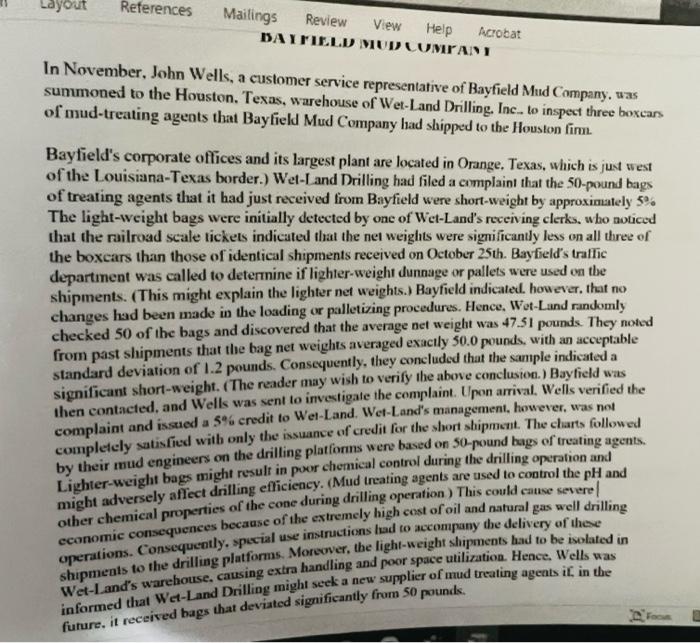
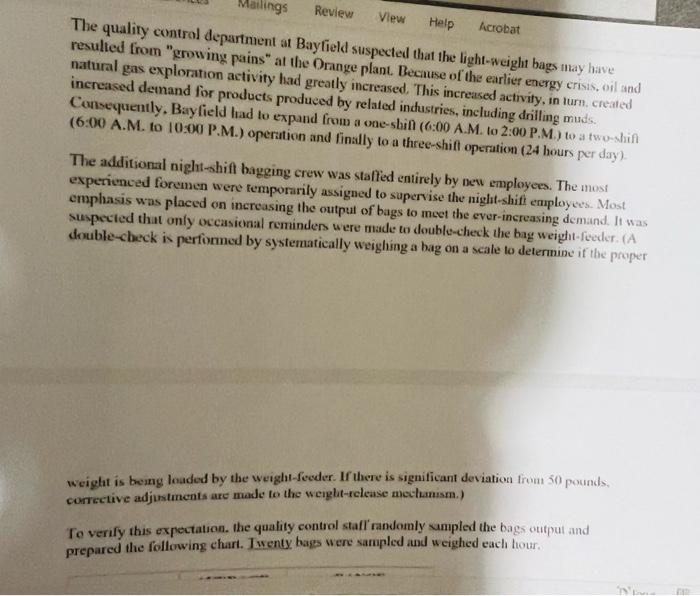
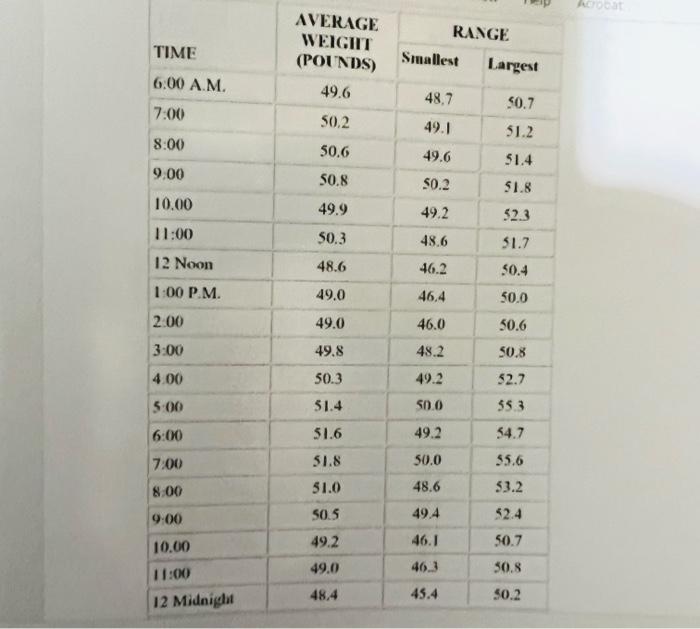
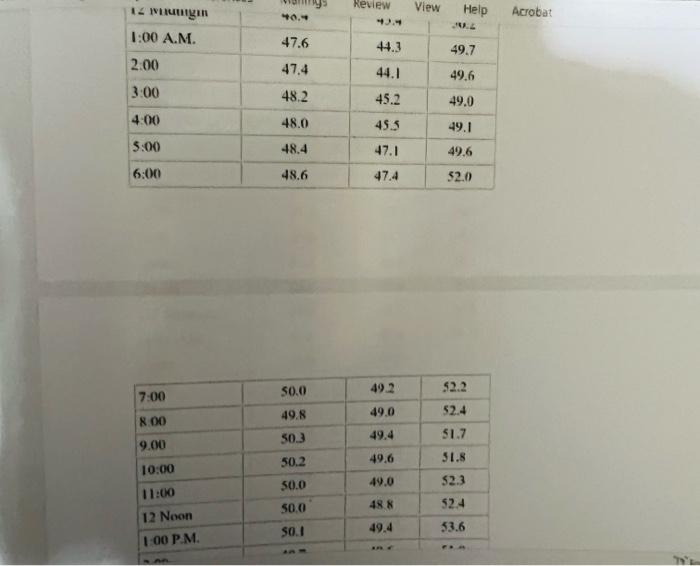
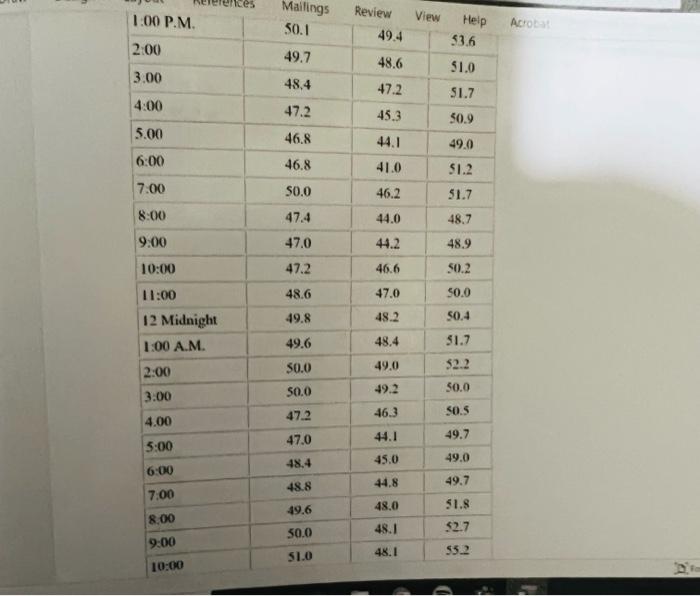
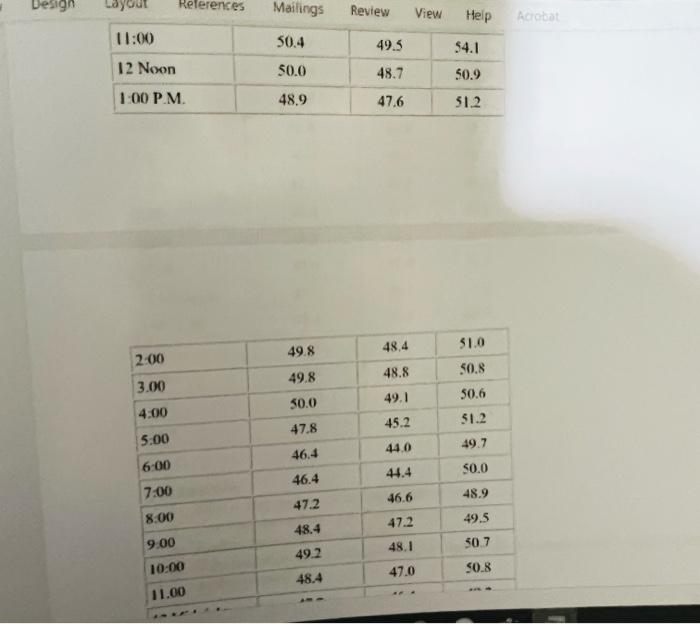
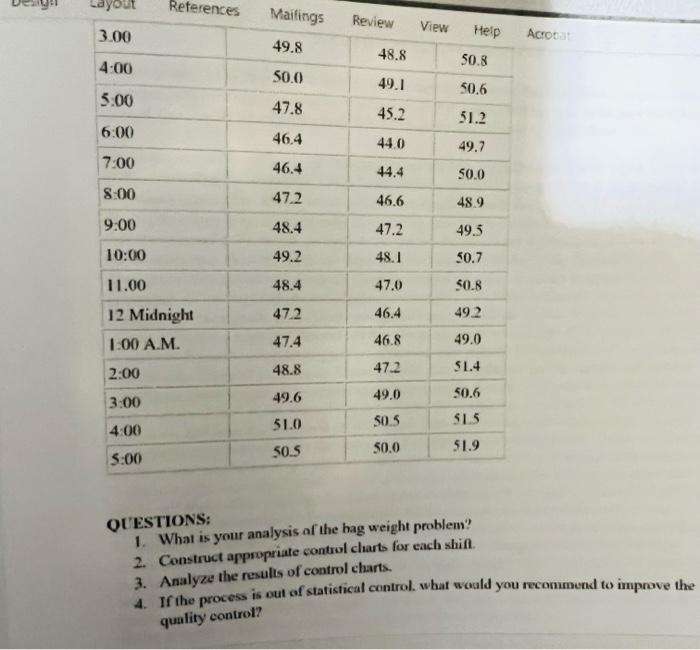
View Help Layout References Mailings Review Acrobat BATHIELD MUD LUMANI In November, John Wells, a customer service representative of Bayfield Mud Company, was summoned to the Houston, Texas, warehouse of Wet-Land Drilling, Inc. to inspect three boxcars of mud-treating agents that Bayfield Mud Company had shipped to the Houston fim. Bayfield's corporate offices and its largest plant are located in Orange, Texas, which is just west of the Louisiana-Texas border.) Wet-Land Drilling had filed a complaint that the 50-pound bags of treating agents that it had just received from Bayfield were short-weight by approximately 5%. The light weight bags were initially detected by one of Wet-Land's receiving clerks, who noticed that the railroad scale tickets indicated that the net weights were significantly less on all three of the boxcars than those of identical shipments received on October 25th. Bayfield's traffic department was called to determine if lighter-weight dunnage or pallets were used on the shipments. (This might explain the lighter net weights. Bayfield indicateul. however, that no changes had been made in the loading or palletizing procedures. Hence, Wet-Land randomly checked 50 of the bags and discovered that the average net weight was 47.31 pounds. They noted from past shipments that the bag net weights averaged exactly 50.0 pounds, with an acceptable standard deviation of 1.2 pounds. Consequently, they concluded that the sample indicated a significant short-weight. (The reader may wish to verify the above conclusion.) Bayfield was then contacted, and Wells was sent to investigate the complaint. Upon arrival. Wells verified the complaint and issued a 5% credit to Wel-Land. Wet-Land's management, however, was not completely satisfied with only the issuance of credit for the short shipment. The charts followed by their mud engineers on the drilling platforms were based on 50-pound bags of treating agents . Lighter-weight bags might result in poor chemical control during the drilling operation and might adversely affect drilling efficiency. (Mud treating agents are used to control the pH and other chemical properties of the cone during drilling operation. This could cause severe economic consequences because of the extremely high cost of oil and natural gas well drilling operations. Consequently, special use instructions and to accompany the delivery of these shipments to the drilling platforms. Moreover, the light-weight shipments had to be isolated in Wet-Land's warehouse, causing extra handling and poor space utilization. Hence. Wells was informed that Wet-Land Drilling might seek a new supplier of mad treating agents it in the future, it received bags that deviated significantly from 50 pounds. Mailings Review View Help Acrobat The quality control department at Bayfield suspected that the light-weight bags inay have resulted from "growing pains" at the Orange plant. Because of the earlier energy crisis, oil and natural gas exploration activity had greatly increased. This increased activity, in turn, created increased demand for products produced by related industries, including driling muds. Consequently, Bayfield had to expand from a one-shin (6:00 A.M to 2:00 P.M.) to a two-shin (6:00 A.M. to 10:00 P.M.) operation and finally to a three-shift operation (24 hours per day) The additional night-shift bagging crew was staffed entirely by new employees. The most experienced foremen were temporarily assigned to supervise the night-shift employees. Most emphasis was placed on increasing the output of bags to meet the ever-increasing demand. It was suspected that only occasional reminders were made to double-check the bag weight-feeder. (A double-check is performed by systematically weighing a bag on a scale to determine if the proper weight is being louded by the weight-fooder If there is significant deviation from 50 pounds, corrective adjustments are made to the weight-release meclunism.) To verify this expectation, the quality control stafl'randomly sampled the bags output and prepared the following chart. Twenty bags were sampled and weighed each hour. RANGE TIME AVERAGE WEIGHT (POUNDS) 49.6 Smallest Largest 6:00 A.M. 48,7 30.7 7:00 50.2 49.1 51.2 8:00 50.6 49.6 51.4 9.00 50.8 50.2 51.8 10.00 49.9 49.2 523 11:00 50.3 48.6 51.7 12 Noon 48.6 46.2 50.4 1:00 PM 49.0 46.4 50.0 2.00 49.0 46.0 50.6 49.8 48.2 50.8 3:00 4.00 5:00 50.3 49.2 52.7 51.4 50.0 353 6:00 51.6 49.2 54.7 7:00 51.8 55.6 50.0 48.6 8:00 51.0 53.2 9:00 50.5 49.4 52.4 49.2 46.1 50.7 46,3 10.00 11:00 12 Midnight 30.8 49.0 48.4 45.4 50.2 Review 12 wungen View Help Acrobat 0. 1:00 AM 47.6 44.3 49.7 2.00 47.4 44.1 49.6 3:00 48,2 45.2 49.0 4:00 48.0 453 49.1 5:00 48.4 47.1 49.6 6:00 48.6 47.4 52.0 7:00 50.0 49.2 49.0 49.8 8.00 9.00 52.2 52.4 51.7 31.8 50.3 49.4 50.2 49.6 49.0 10:00 11:00 12 Noon 1:00 PM 50.0 50.0 48.8 49.4 $2.3 524 33.6 $0.1 1.00 P.M. Mailings 50.1 Review 49.4 View Help Acrobat 53.6 2.00 49.7 48.6 51.0 3.00 48.4 47.2 SL.7 4:00 47.2 45.3 50.9 5.00 46.8 44.1 6:00 46.8 49.0 51.2 41.0 7.00 50.0 46.2 51.7 8:00 47.4 44.0 48.7 48.9 9:00 47.0 44.2 10:00 47.2 46.6 50.2 50.0 11:00 48.6 47.0 49.8 48.2 50.4 12 Midnight 1:00 AM 49.6 48.4 $1.7 2:00 3.00 50.0 50.0 49.0 49.2 46.3 $2.2 50.0 472 4.00 SOS 47.0 44.1 5:00 49.7 48,4 45.0 49.0 6:00 48.8 44.8 7.00 49.6 48.0 8.00 49.7 51.8 $2.7 55.2 50.0 48.1 9:00 51.0 48.1 10:00 Design References Mailings Review View Help Acrobat 11:00 50.4 49.5 54.1 12 Noon 50.0 48.7 50.9 1:00 PM 48.9 47,6 51.2 49.8 48.4 2:00 49.8 48.8 3.00 51.0 50.8 50.6 51.2 49.7 30.0 49.1 45.2 4:00 47.8 5:00 46.4 44.0 6-00 46.4 44.4 50.0 7:00 46.6 48.9 47.2 8:00 47.2 49.5 48.4 9.00 48.1 30.7 49.2 10:00 47.0 50.8 48.4 11.00 yout References Mailings Review View 3.00 Help Acrobat 49.8 48.8 50.8 4:00 50.0 49.1 50.6 5.00 47.8 45.2 51.2 6.00 46.4 44.0 49.7 7.00 46.4 44.4 50.0 8:00 47.2 46.6 48.9 9:00 48.4 47.2 49.5 10:00 49.2 48.1 50.7 $0.8 11.00 48.4 47.0 47.2 46.4 49.2 12 Midnight 1:00 AM 47.4 46.8 49.0 2:00 48.8 47.2 51.4 49.6 49.0 3.00 50.6 51.0 50.5 4:00 $1.5 50.5 50.0 51.9 5:00 QUESTIONS: 1. What is your analysis of the hag weight problem? 2. Construct appropriate control charts for each shin 3. Analyze the results of control charts. 4. If the process is out of statistical control. what would you recommend to improve the quality control? View Help Layout References Mailings Review Acrobat BATHIELD MUD LUMANI In November, John Wells, a customer service representative of Bayfield Mud Company, was summoned to the Houston, Texas, warehouse of Wet-Land Drilling, Inc. to inspect three boxcars of mud-treating agents that Bayfield Mud Company had shipped to the Houston fim. Bayfield's corporate offices and its largest plant are located in Orange, Texas, which is just west of the Louisiana-Texas border.) Wet-Land Drilling had filed a complaint that the 50-pound bags of treating agents that it had just received from Bayfield were short-weight by approximately 5%. The light weight bags were initially detected by one of Wet-Land's receiving clerks, who noticed that the railroad scale tickets indicated that the net weights were significantly less on all three of the boxcars than those of identical shipments received on October 25th. Bayfield's traffic department was called to determine if lighter-weight dunnage or pallets were used on the shipments. (This might explain the lighter net weights. Bayfield indicateul. however, that no changes had been made in the loading or palletizing procedures. Hence, Wet-Land randomly checked 50 of the bags and discovered that the average net weight was 47.31 pounds. They noted from past shipments that the bag net weights averaged exactly 50.0 pounds, with an acceptable standard deviation of 1.2 pounds. Consequently, they concluded that the sample indicated a significant short-weight. (The reader may wish to verify the above conclusion.) Bayfield was then contacted, and Wells was sent to investigate the complaint. Upon arrival. Wells verified the complaint and issued a 5% credit to Wel-Land. Wet-Land's management, however, was not completely satisfied with only the issuance of credit for the short shipment. The charts followed by their mud engineers on the drilling platforms were based on 50-pound bags of treating agents . Lighter-weight bags might result in poor chemical control during the drilling operation and might adversely affect drilling efficiency. (Mud treating agents are used to control the pH and other chemical properties of the cone during drilling operation. This could cause severe economic consequences because of the extremely high cost of oil and natural gas well drilling operations. Consequently, special use instructions and to accompany the delivery of these shipments to the drilling platforms. Moreover, the light-weight shipments had to be isolated in Wet-Land's warehouse, causing extra handling and poor space utilization. Hence. Wells was informed that Wet-Land Drilling might seek a new supplier of mad treating agents it in the future, it received bags that deviated significantly from 50 pounds. Mailings Review View Help Acrobat The quality control department at Bayfield suspected that the light-weight bags inay have resulted from "growing pains" at the Orange plant. Because of the earlier energy crisis, oil and natural gas exploration activity had greatly increased. This increased activity, in turn, created increased demand for products produced by related industries, including driling muds. Consequently, Bayfield had to expand from a one-shin (6:00 A.M to 2:00 P.M.) to a two-shin (6:00 A.M. to 10:00 P.M.) operation and finally to a three-shift operation (24 hours per day) The additional night-shift bagging crew was staffed entirely by new employees. The most experienced foremen were temporarily assigned to supervise the night-shift employees. Most emphasis was placed on increasing the output of bags to meet the ever-increasing demand. It was suspected that only occasional reminders were made to double-check the bag weight-feeder. (A double-check is performed by systematically weighing a bag on a scale to determine if the proper weight is being louded by the weight-fooder If there is significant deviation from 50 pounds, corrective adjustments are made to the weight-release meclunism.) To verify this expectation, the quality control stafl'randomly sampled the bags output and prepared the following chart. Twenty bags were sampled and weighed each hour. RANGE TIME AVERAGE WEIGHT (POUNDS) 49.6 Smallest Largest 6:00 A.M. 48,7 30.7 7:00 50.2 49.1 51.2 8:00 50.6 49.6 51.4 9.00 50.8 50.2 51.8 10.00 49.9 49.2 523 11:00 50.3 48.6 51.7 12 Noon 48.6 46.2 50.4 1:00 PM 49.0 46.4 50.0 2.00 49.0 46.0 50.6 49.8 48.2 50.8 3:00 4.00 5:00 50.3 49.2 52.7 51.4 50.0 353 6:00 51.6 49.2 54.7 7:00 51.8 55.6 50.0 48.6 8:00 51.0 53.2 9:00 50.5 49.4 52.4 49.2 46.1 50.7 46,3 10.00 11:00 12 Midnight 30.8 49.0 48.4 45.4 50.2 Review 12 wungen View Help Acrobat 0. 1:00 AM 47.6 44.3 49.7 2.00 47.4 44.1 49.6 3:00 48,2 45.2 49.0 4:00 48.0 453 49.1 5:00 48.4 47.1 49.6 6:00 48.6 47.4 52.0 7:00 50.0 49.2 49.0 49.8 8.00 9.00 52.2 52.4 51.7 31.8 50.3 49.4 50.2 49.6 49.0 10:00 11:00 12 Noon 1:00 PM 50.0 50.0 48.8 49.4 $2.3 524 33.6 $0.1 1.00 P.M. Mailings 50.1 Review 49.4 View Help Acrobat 53.6 2.00 49.7 48.6 51.0 3.00 48.4 47.2 SL.7 4:00 47.2 45.3 50.9 5.00 46.8 44.1 6:00 46.8 49.0 51.2 41.0 7.00 50.0 46.2 51.7 8:00 47.4 44.0 48.7 48.9 9:00 47.0 44.2 10:00 47.2 46.6 50.2 50.0 11:00 48.6 47.0 49.8 48.2 50.4 12 Midnight 1:00 AM 49.6 48.4 $1.7 2:00 3.00 50.0 50.0 49.0 49.2 46.3 $2.2 50.0 472 4.00 SOS 47.0 44.1 5:00 49.7 48,4 45.0 49.0 6:00 48.8 44.8 7.00 49.6 48.0 8.00 49.7 51.8 $2.7 55.2 50.0 48.1 9:00 51.0 48.1 10:00 Design References Mailings Review View Help Acrobat 11:00 50.4 49.5 54.1 12 Noon 50.0 48.7 50.9 1:00 PM 48.9 47,6 51.2 49.8 48.4 2:00 49.8 48.8 3.00 51.0 50.8 50.6 51.2 49.7 30.0 49.1 45.2 4:00 47.8 5:00 46.4 44.0 6-00 46.4 44.4 50.0 7:00 46.6 48.9 47.2 8:00 47.2 49.5 48.4 9.00 48.1 30.7 49.2 10:00 47.0 50.8 48.4 11.00 yout References Mailings Review View 3.00 Help Acrobat 49.8 48.8 50.8 4:00 50.0 49.1 50.6 5.00 47.8 45.2 51.2 6.00 46.4 44.0 49.7 7.00 46.4 44.4 50.0 8:00 47.2 46.6 48.9 9:00 48.4 47.2 49.5 10:00 49.2 48.1 50.7 $0.8 11.00 48.4 47.0 47.2 46.4 49.2 12 Midnight 1:00 AM 47.4 46.8 49.0 2:00 48.8 47.2 51.4 49.6 49.0 3.00 50.6 51.0 50.5 4:00 $1.5 50.5 50.0 51.9 5:00 QUESTIONS: 1. What is your analysis of the hag weight problem? 2. Construct appropriate control charts for each shin 3. Analyze the results of control charts. 4. If the process is out of statistical control. what would you recommend to improve the quality control
Step by Step Solution
There are 3 Steps involved in it

Get step-by-step solutions from verified subject matter experts