



Question: After Reading the Washington Post article on the Supreme Court's June 2019 decision in Kisor v. Wilkie , please address the following questions: Why would
After Reading the Washington Post article on the Supreme Court's June 2019 decision in Kisor v. Wilkie, please address the following questions:
- Why would conservatives be characterized as attacking Auer deference?
- What do they have to gain?
- Did Kisorchange Auer deference in any way? If so, how?
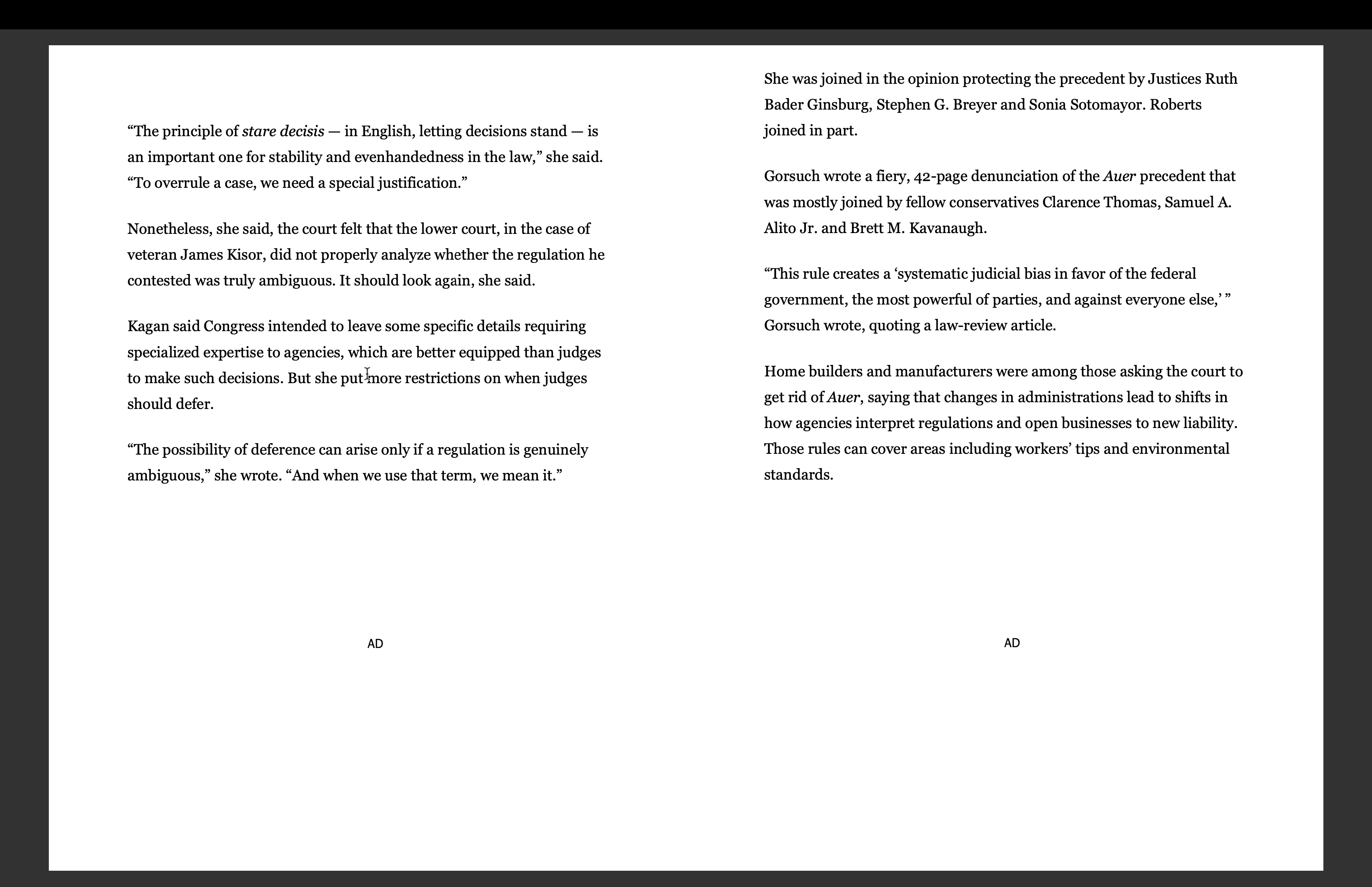
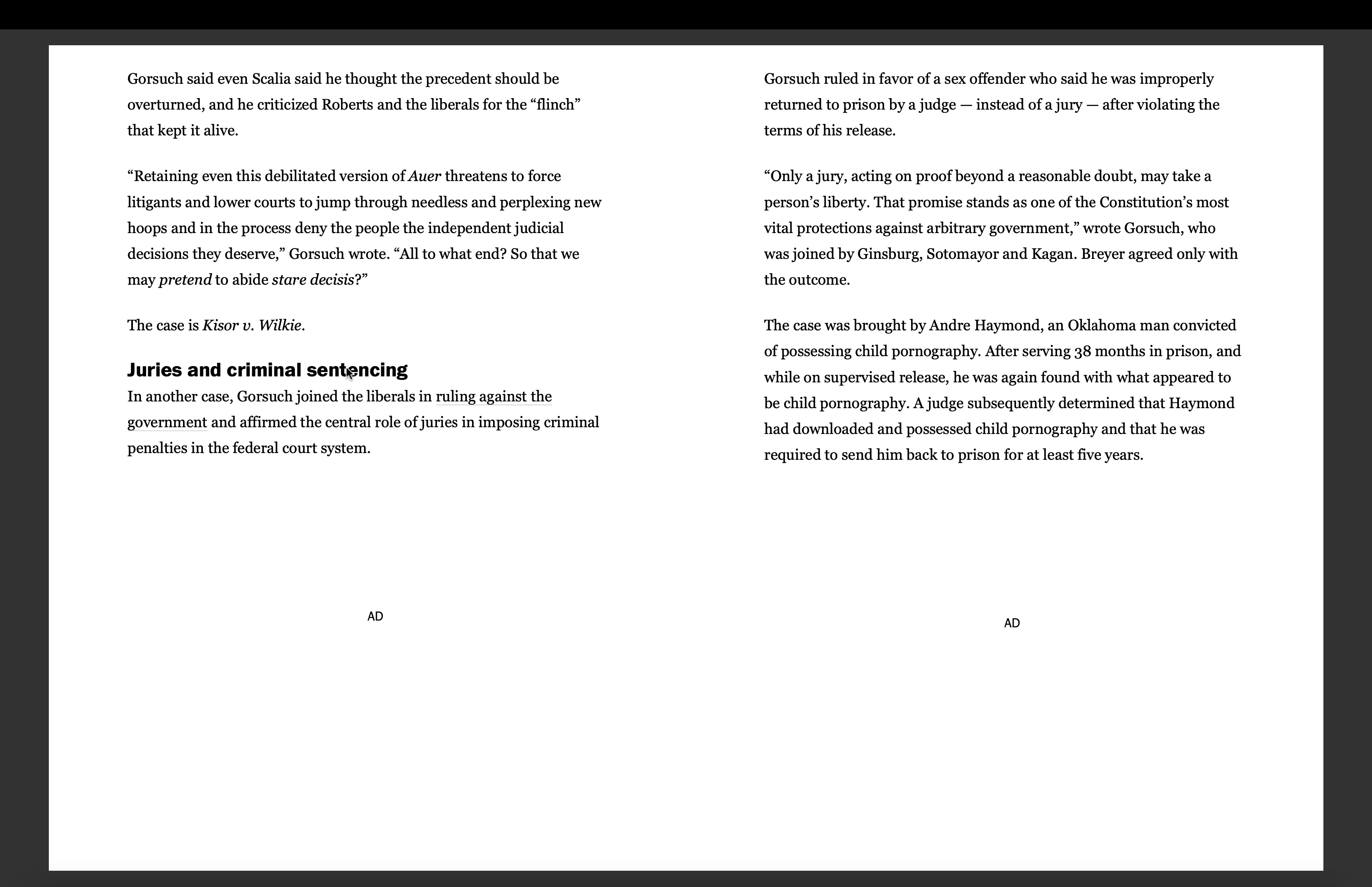
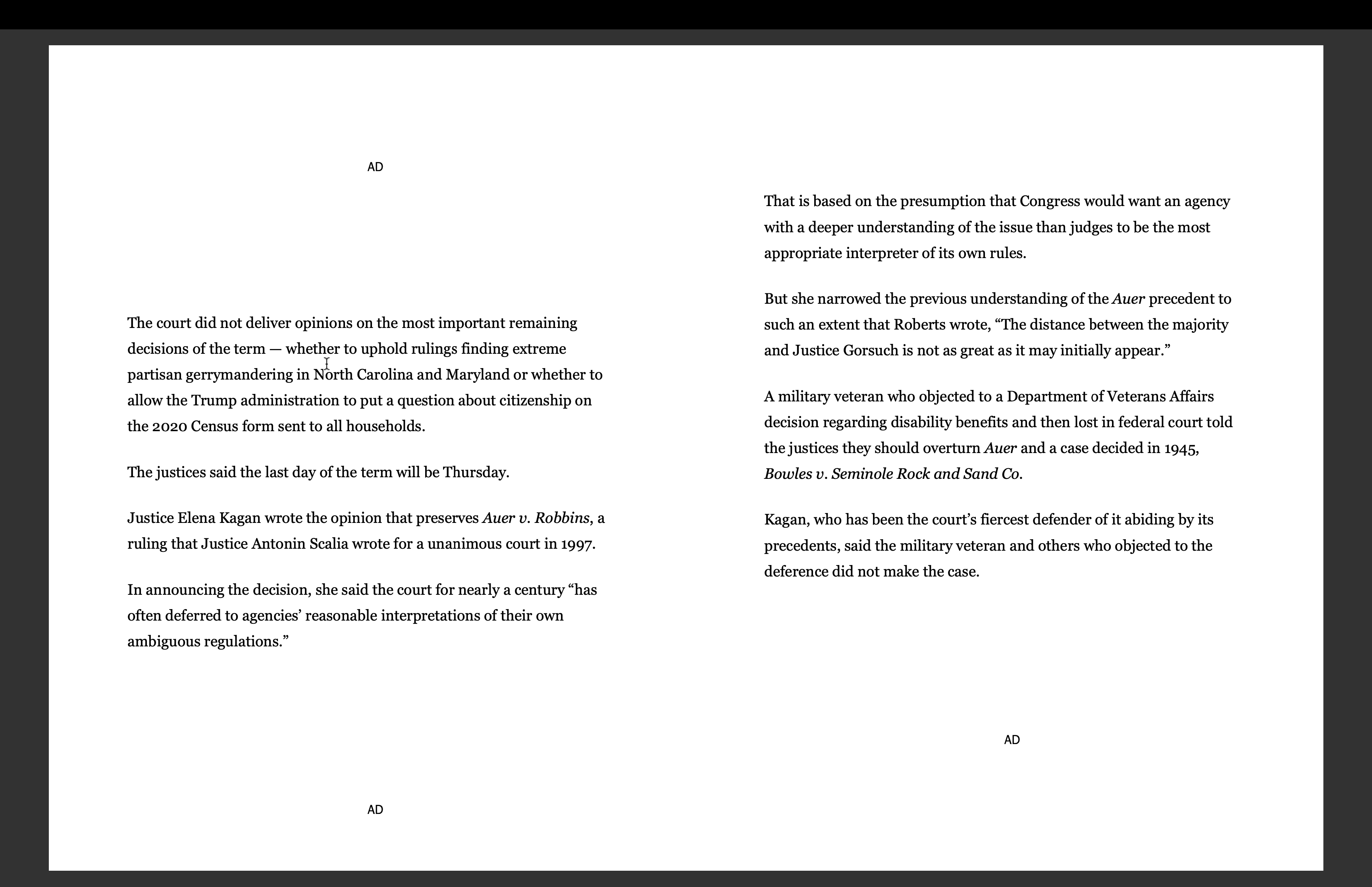
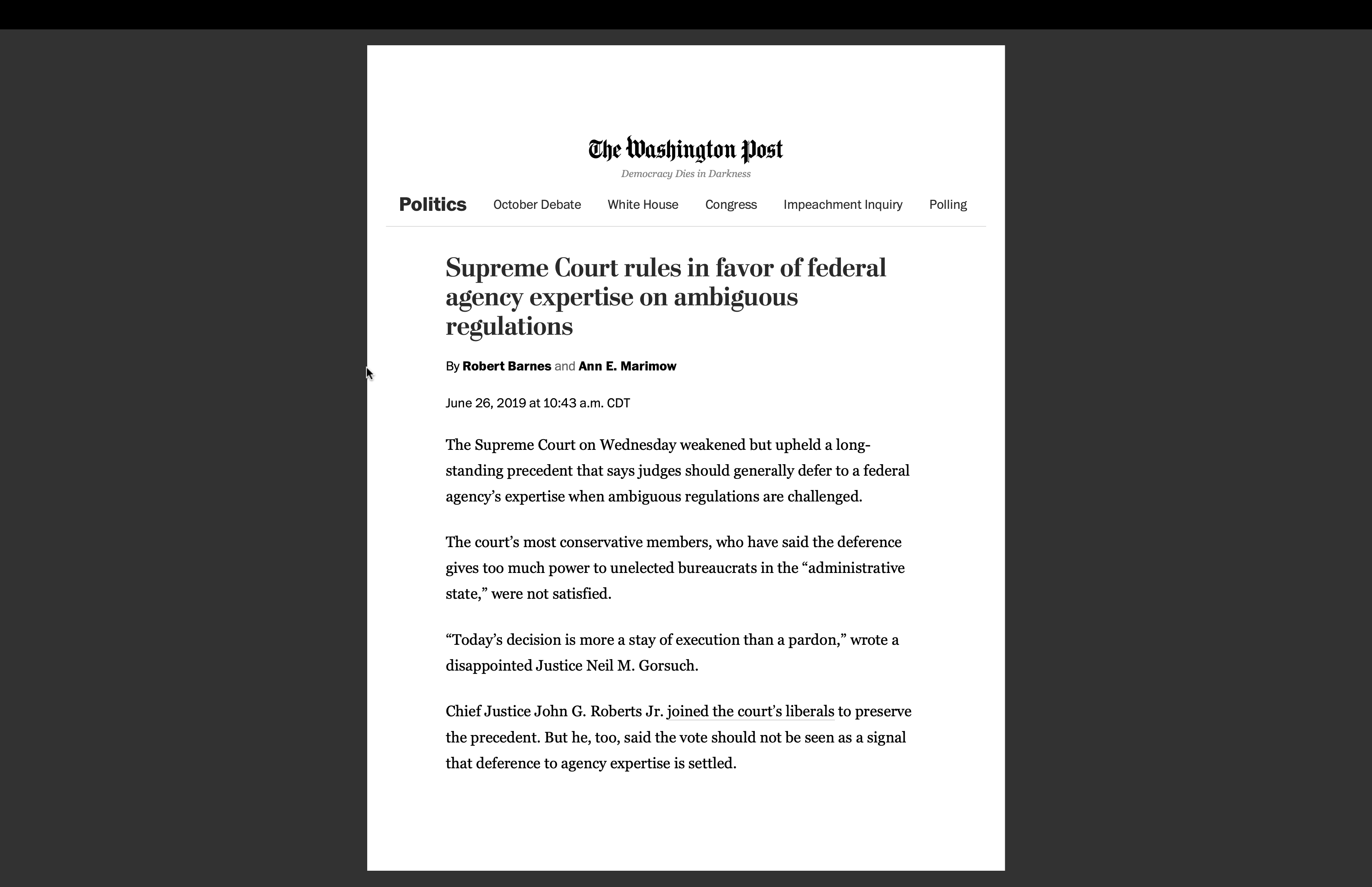
"The principle of stare decisis - in English, letting decisions stand - is an important one for stability and evenhandedness in the law," she said. "To overrule a case, we need a special justification." Nonetheless, she said, the court felt that the lower court, in the case of veteran James Kisor, did not properly analyze whether the regulation he contested was truly ambiguous. It should look again, she said. Kagan said Congress intended to leave some specific details requiring specialized expertise to agencies, which are better equipped than judges to make such decisions. But she put more restrictions on when judges should defer. "The possibility of deference can arise only if a regulation is genuinely ambiguous," she wrote. "And when we use that term, we mean it." She was joined in the opinion protecting the precedent by Justices Ruth Bader Ginsburg, Stephen G. Breyer and Sonia Sotomayor. Roberts joined in part. Gorsuch wrote a fiery, 42-page denunciation of the Auer precedent that was mostly joined by fellow conservatives Clarence Thomas, Samuel A. Alito Jr. and Brett M. Kavanaugh. "This rule creates a 'systematic judicial bias in favor of the federal government, the most powerful of parties, and against everyone else," " Gorsuch wrote, quoting a law-review article. Home builders and manufacturers were among those asking the court to get rid of Auer, saying that changes in administrations lead to shifts in how agencies interpret regulations and open businesses to new liability. Those rules can cover areas including workers' tips and environmental standards. AD AD
Step by Step Solution
There are 3 Steps involved in it
After reviewing the article excerpts here are my thoughts on the questions related to the Supreme Courts Kisor v Wilkie decision Why would conservativ... View full answer

Get step-by-step solutions from verified subject matter experts