







Question: all questions shd be well explained Question 4 The town of Concord must decide how much to spend on its local schools, and it decides
![million on the schools, where X c [0, 10]. Suppose further that](https://s3.amazonaws.com/si.experts.images/answers/2024/06/66699d0d40743_51766699d0d268a4.jpg)
all questions shd be well explained
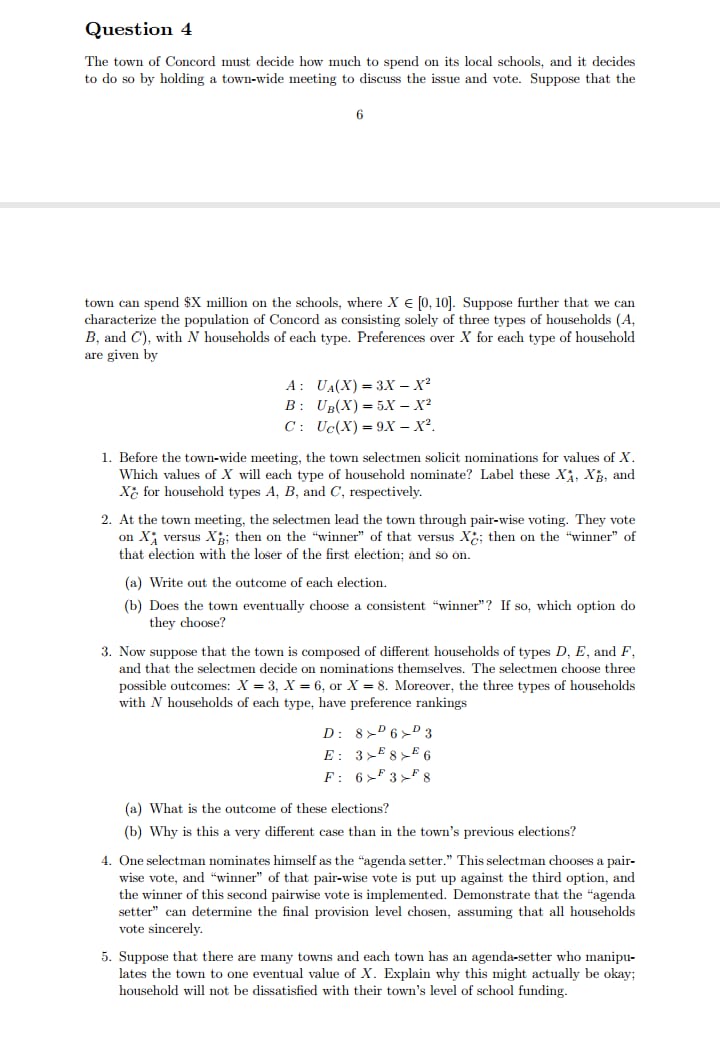
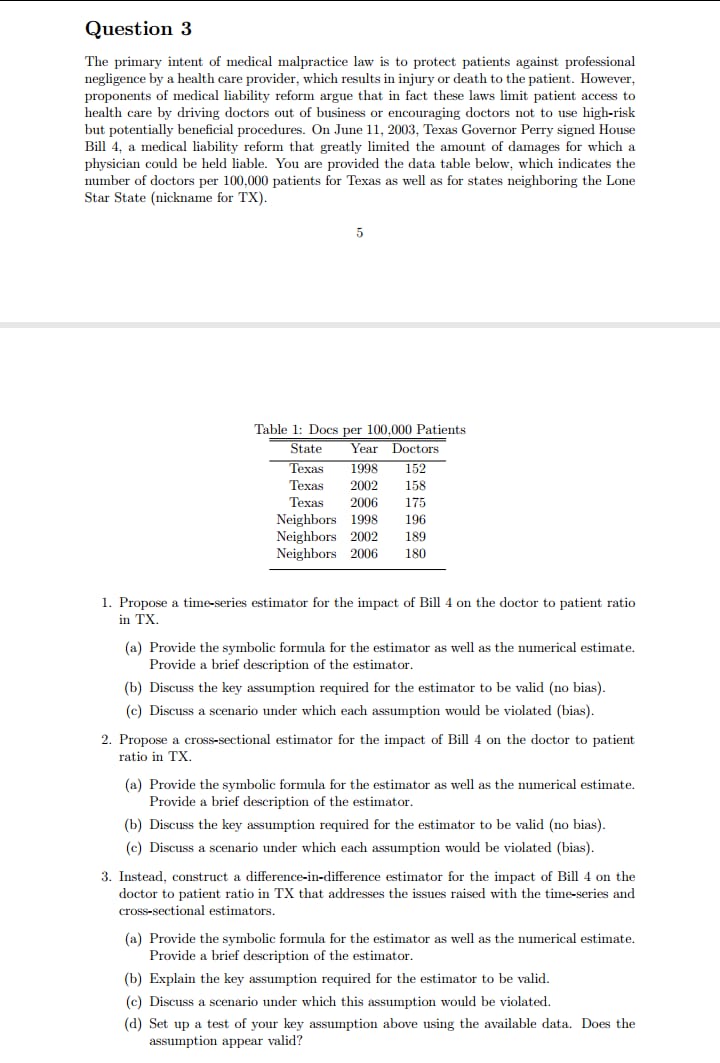
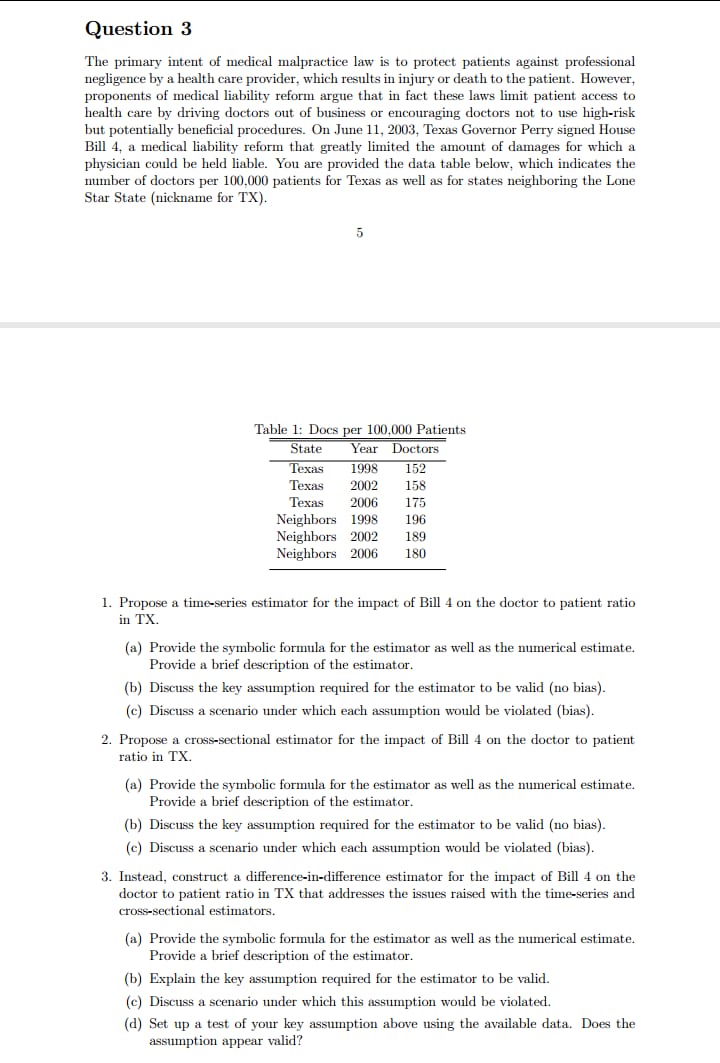
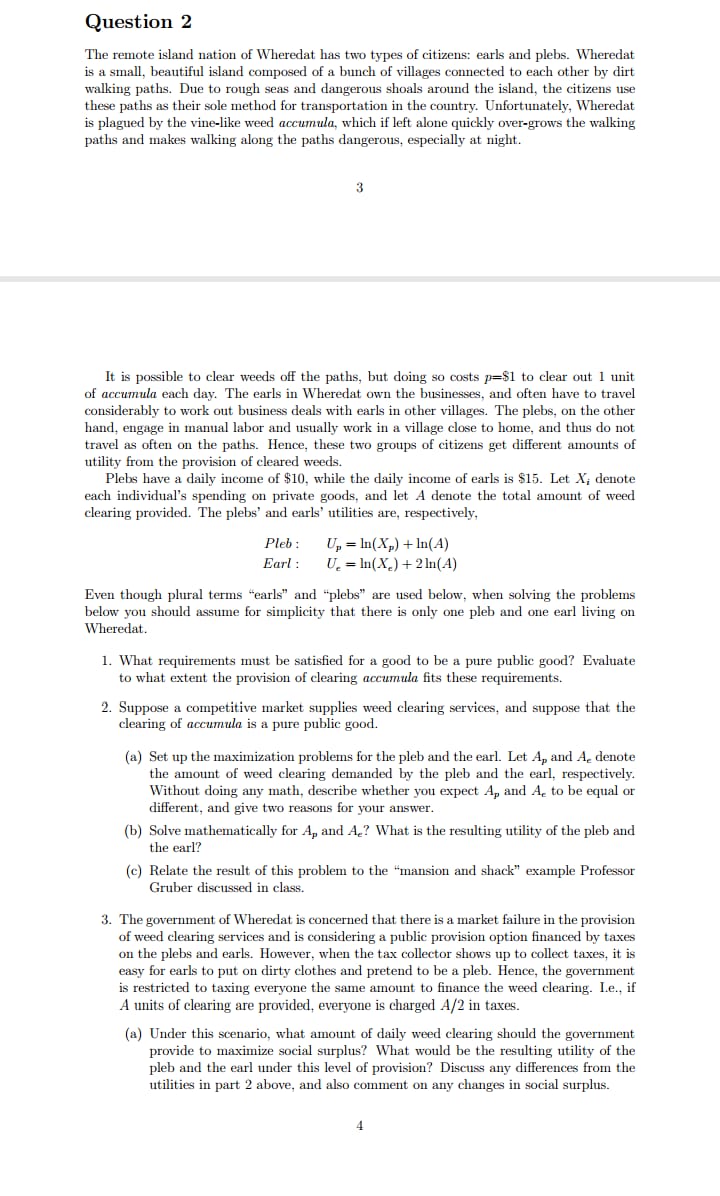
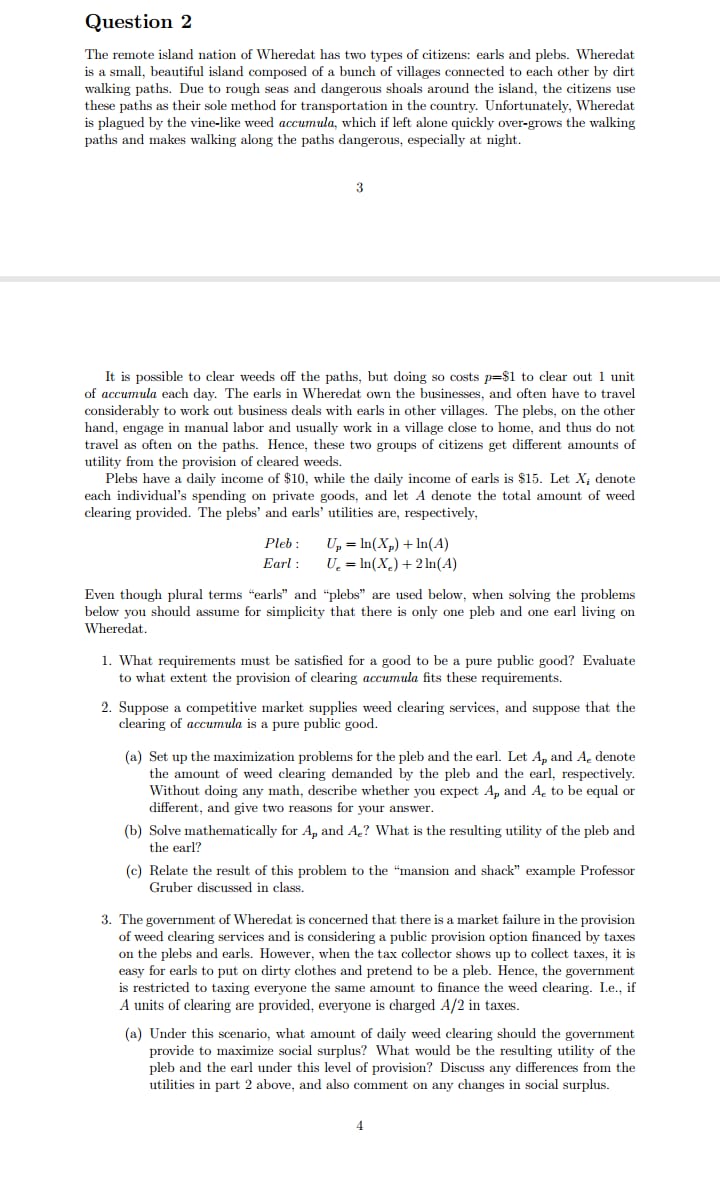
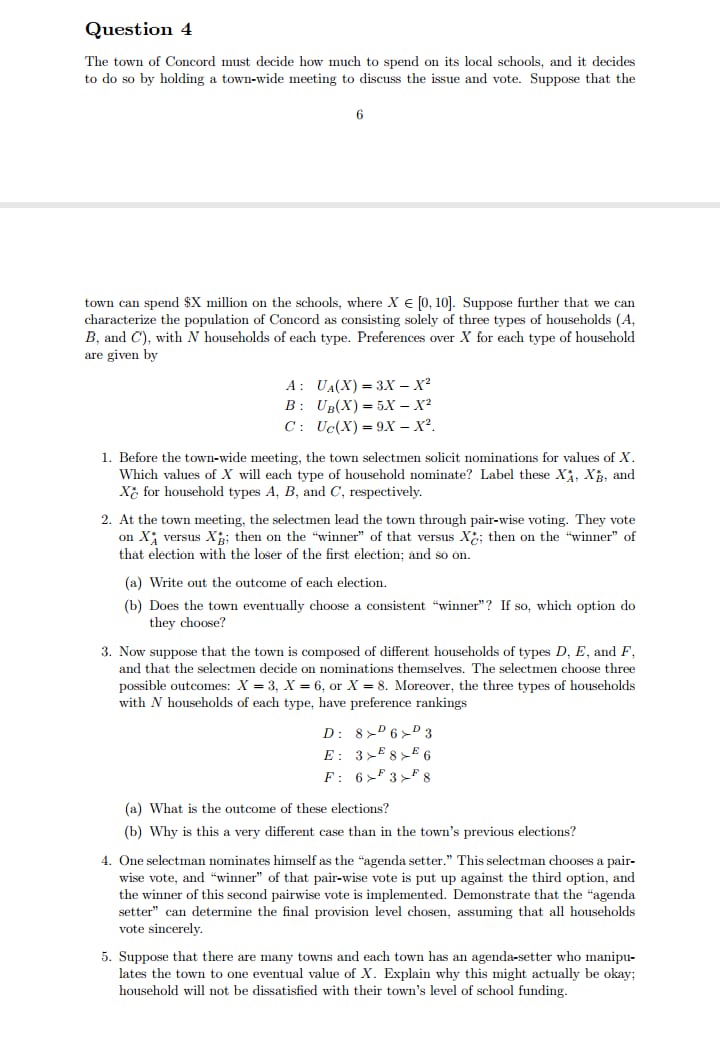
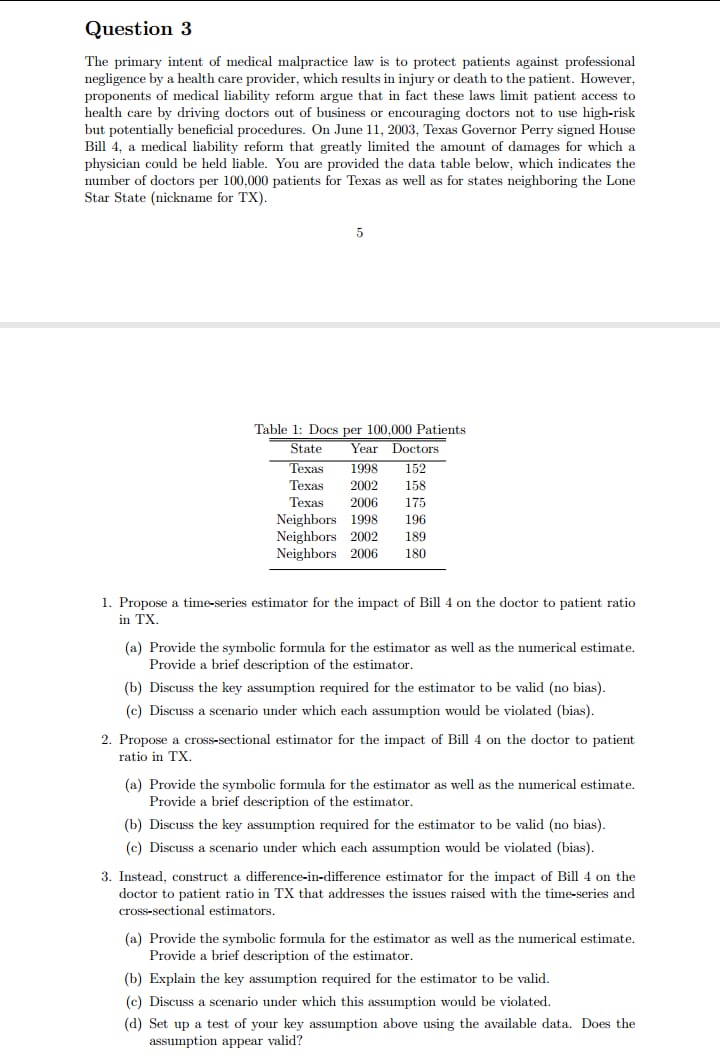
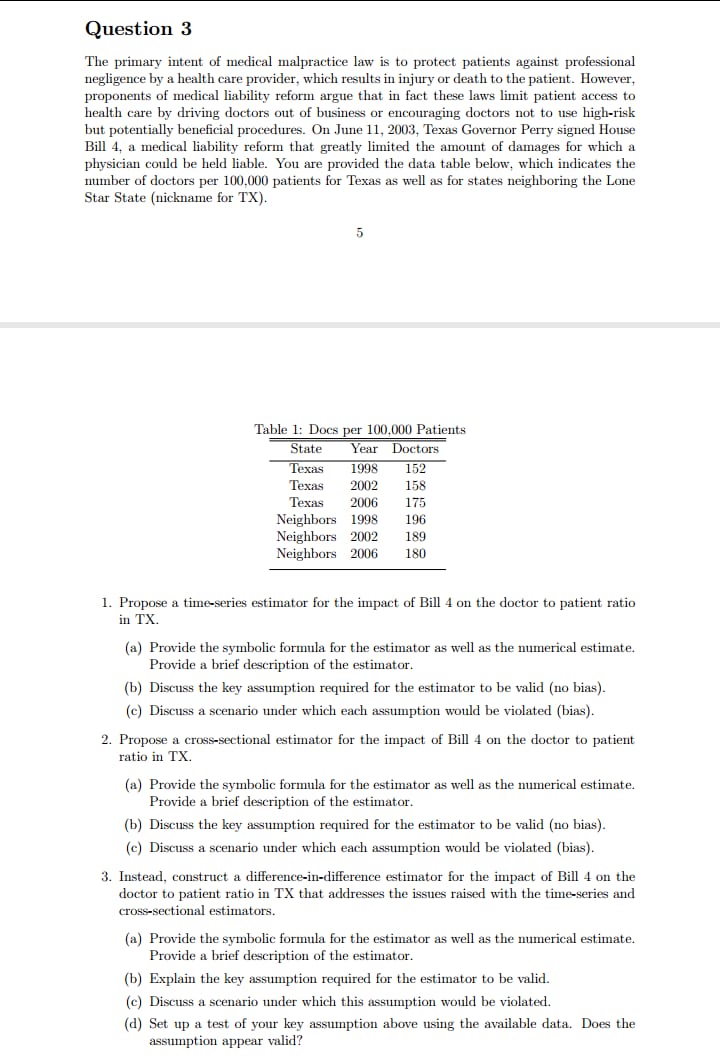
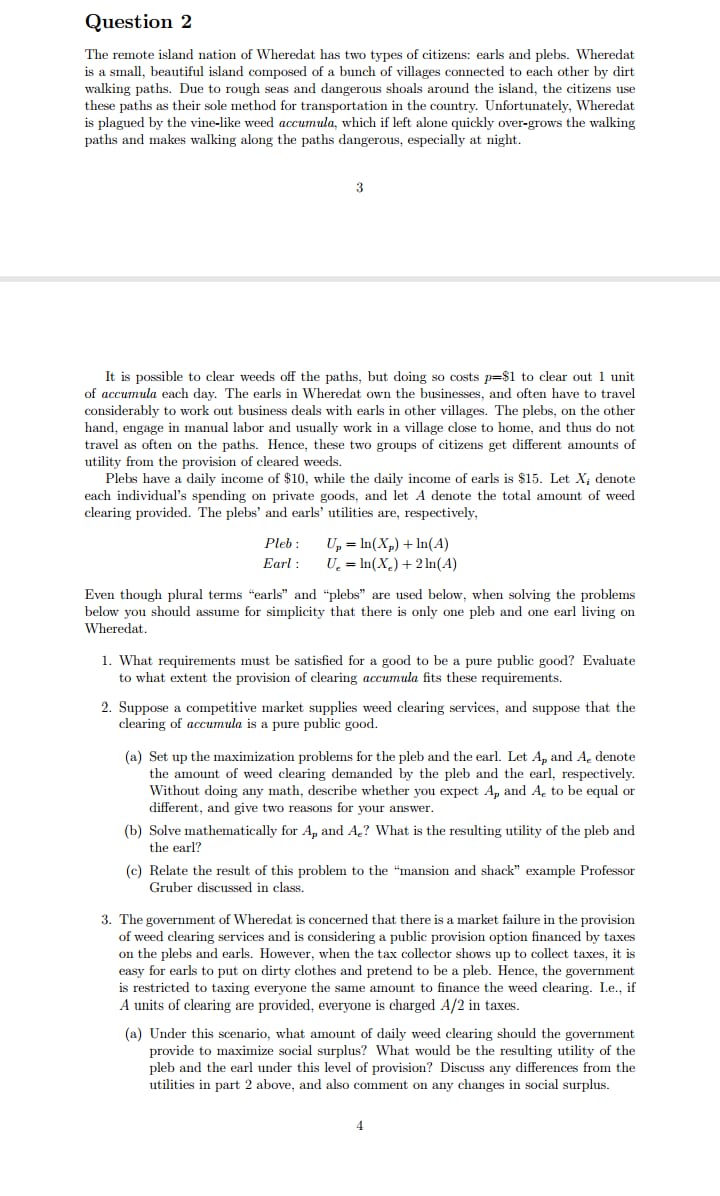
Question 4 The town of Concord must decide how much to spend on its local schools, and it decides to do so by holding a town-wide meeting to discuss the issue and vote. Suppose that the 6 town can spend $X million on the schools, where X c [0, 10]. Suppose further that we can characterize the population of Concord as consisting solely of three types of households (A, B, and C), with N households of each type. Preferences over X for each type of household are given by A: UA(X) = 3X - X2 B: UB(X) = 5X - X2 C: Uc(X) =9X - X?. 1. Before the town-wide meeting, the town selectmen solicit nominations for values of X. Which values of X will each type of household nominate? Label these XA, X;, and Xe for household types A, B, and C, respectively. 2. At the town meeting, the selectmen lead the town through pair-wise voting. They vote on X* versus X;; then on the "winner" of that versus X2; then on the "winner" of that election with the loser of the first election; and so on. (a) Write out the outcome of each election. (b) Does the town eventually choose a consistent "winner"? If so, which option do they choose? 3. Now suppose that the town is composed of different households of types D, E, and F, and that the selectmen decide on nominations themselves. The selectmen choose three possible outcomes: X =3, X =6, or X =8. Moreover, the three types of households with / households of each type, have preference rankings D: 8>"6>D3 E: 35856 F: 6>F3-F8 (a) What is the outcome of these elections? (b) Why is this a very different case than in the town's previous elections? 4. One selectman nominates himself as the "agenda setter." This selectman chooses a pair- wise vote, and "winner" of that pair-wise vote is put up against the third option, and the winner of this second pairwise vote is implemented. Demonstrate that the "agenda setter" can determine the final provision level chosen, assuming that all households vote sincerely. 5. Suppose that there are many towns and each town has an agenda-setter who manipu- lates the town to one eventual value of X. Explain why this might actually be okay; household will not be dissatisfied with their town's level of school funding.Question 3 The primary intent of medical malpractice law is to protect patients against professional negligence by a health care provider, which results in injury or death to the patient. However, proponents of medical liability reform argue that in fact these laws limit patient access to health care by driving doctors out of business or encouraging doctors not to use high-risk but potentially beneficial procedures. On June 11, 2003, Texas Governor Perry signed House Bill 4, a medical liability reform that greatly limited the amount of damages for which a physician could be held liable. You are provided the data table below, which indicates the number of doctors per 100,000 patients for Texas as well as for states neighboring the Lone Star State (nickname for TX). 5 Table 1: Does per 100,000 Patients State Year Doctors Texas 1998 152 Texas 2002 158 Texas 2006 175 Neighbors 1998 196 Neighbors 2002 189 Neighbors 2006 180 1. Propose a time-series estimator for the impact of Bill 4 on the doctor to patient ratio in TX. (a) Provide the symbolic formula for the estimator as well as the numerical estimate. Provide a brief description of the estimator. (b) Discuss the key assumption required for the estimator to be valid (no bias). (c) Discuss a scenario under which each assumption would be violated (bias). 2. Propose a cross-sectional estimator for the impact of Bill 4 on the doctor to patient ratio in TX. (a) Provide the symbolic formula for the estimator as well as the numerical estimate. Provide a brief description of the estimator. (b) Discuss the key assumption required for the estimator to be valid (no bias). (c) Discuss a scenario under which each assumption would be violated (bias). 3. Instead, construct a difference-in-difference estimator for the impact of Bill 4 on the doctor to patient ratio in TX that addresses the issues raised with the time-series and cross-sectional estimators. (a) Provide the symbolic formula for the estimator as well as the numerical estimate. Provide a brief description of the estimator. (b) Explain the key assumption required for the estimator to be valid. (c) Discuss a scenario under which this assumption would be violated. (d) Set up a test of your key assumption above using the available data. Does the assumption appear valid?Question 3 The primary intent of medical malpractice law is to protect patients against professional negligence by a health care provider, which results in injury or death to the patient. However, proponents of medical liability reform argue that in fact these laws limit patient access to health care by driving doctors out of business or encouraging doctors not to use high-risk but potentially beneficial procedures. On June 11, 2003, Texas Governor Perry signed House Bill 4, a medical liability reform that greatly limited the amount of damages for which a physician could be held liable. You are provided the data table below, which indicates the number of doctors per 100,000 patients for Texas as well as for states neighboring the Lone Star State (nickname for TX). 5 Table 1: Does per 100,000 Patients State Year Doctors Texas 1998 152 Texas 2002 158 Texas 2006 175 Neighbors 1998 196 Neighbors 2002 189 Neighbors 2006 180 1. Propose a time-series estimator for the impact of Bill 4 on the doctor to patient ratio in TX. (a) Provide the symbolic formula for the estimator as well as the numerical estimate. Provide a brief description of the estimator. (b) Discuss the key assumption required for the estimator to be valid (no bias). (c) Discuss a scenario under which each assumption would be violated (bias). 2. Propose a cross-sectional estimator for the impact of Bill 4 on the doctor to patient ratio in TX. (a) Provide the symbolic formula for the estimator as well as the numerical estimate. Provide a brief description of the estimator. (b) Discuss the key assumption required for the estimator to be valid (no bias). (c) Discuss a scenario under which each assumption would be violated (bias). 3. Instead, construct a difference-in-difference estimator for the impact of Bill 4 on the doctor to patient ratio in TX that addresses the issues raised with the time-series and cross-sectional estimators. (a) Provide the symbolic formula for the estimator as well as the numerical estimate. Provide a brief description of the estimator. (b) Explain the key assumption required for the estimator to be valid. (c) Discuss a scenario under which this assumption would be violated. (d) Set up a test of your key assumption above using the available data. Does the assumption appear valid?Question 2 The remote island nation of Wheredat has two types of citizens: earls and plebs. Wheredat is a small, beautiful island composed of a bunch of villages connected to each other by dirt walking paths. Due to rough seas and dangerous shoals around the island, the citizens use these paths as their sole method for transportation in the country. Unfortunately, Wheredat is plagued by the vine-like weed accumulation if left alone quickly over-grows the walking paths and makes walking along the paths dangerous, especially at night. 3 It is possible to clear weeds off the paths, but doing so costs p=$1 to clear out 1 unit of accumulateh day. The earls in Wheredat own the businesses, and often have to travel considerably to work out business deals with earls in other villages. The plebs, on the other hand, engage in manual labor and usually work in a village close to home, and thus do not travel as often on the paths. Hence, these two groups of citizens get different amounts of utility from the provision of cleared weeds. Plebs have a daily income of $10, while the daily income of earls is $15. Let X, denote each individual's spending on private goods, and let A denote the total amount of weed clearing provided. The plebs' and earls' utilities are, respectively, Pleb : Up = In(Xp) + In(A) Earl : U. = In(X.) + 2In(A) Even though plural terms "earls" and "plebs" are used below, when solving the problems below you should assume for simplicity that there is only one pleb and one earl living on Wheredat. 1. What requirements must be satisfied for a good to be a pure public good? Evaluate to what extent the provision of clearing accumulationese requirements. 2. Suppose a competitive market supplies weed clearing services, and suppose that the clearing of accumulating pure public good. (a) Set up the maximization problems for the pleb and the earl. Let Ap and A denote the amount of weed clearing demanded by the pleb and the earl, respectively. Without doing any math, describe whether you expect A, and A, to be equal or different, and give two reasons for your answer. (b) Solve mathematically for A, and Ae? What is the resulting utility of the pleb and the earl? (c) Relate the result of this problem to the "mansion and shack" example Professor Gruber discussed in class. 3. The government of Wheredat is concerned that there is a market failure in the provision of weed clearing services and is considering a public provision option financed by taxes on the plebs and earls. However, when the tax collector shows up to collect taxes, it is easy for earls to put on dirty clothes and pretend to be a pleb. Hence, the government is restricted to taxing everyone the same amount to finance the weed clearing. Le., if A units of clearing are provided, everyone is charged A/2 in taxes. (a) Under this scenario, what amount of daily weed clearing should the government provide to maximize social surplus? What would be the resulting utility of the pleb and the earl under this level of provision? Discuss any differences from the utilities in part 2 above, and also comment on any changes in social surplus.Question 2 The remote island nation of Wheredat has two types of citizens: earls and plebs. Wheredat is a small, beautiful island composed of a bunch of villages connected to each other by dirt walking paths. Due to rough seas and dangerous shoals around the island, the citizens use these paths as their sole method for transportation in the country. Unfortunately, Wheredat is plagued by the vine-like weed accumulation if left alone quickly over-grows the walking paths and makes walking along the paths dangerous, especially at night. 3 It is possible to clear weeds off the paths, but doing so costs p=$1 to clear out 1 unit of accumulateh day. The earls in Wheredat own the businesses, and often have to travel considerably to work out business deals with earls in other villages. The plebs, on the other hand, engage in manual labor and usually work in a village close to home, and thus do not travel as often on the paths. Hence, these two groups of citizens get different amounts of utility from the provision of cleared weeds. Plebs have a daily income of $10, while the daily income of earls is $15. Let X, denote each individual's spending on private goods, and let A denote the total amount of weed clearing provided. The plebs' and earls' utilities are, respectively, Pleb : Up = In(Xp) + In(A) Earl : U. = In(X.) + 2In(A) Even though plural terms "earls" and "plebs" are used below, when solving the problems below you should assume for simplicity that there is only one pleb and one earl living on Wheredat. 1. What requirements must be satisfied for a good to be a pure public good? Evaluate to what extent the provision of clearing accumulationese requirements. 2. Suppose a competitive market supplies weed clearing services, and suppose that the clearing of accumulating pure public good. (a) Set up the maximization problems for the pleb and the earl. Let Ap and A denote the amount of weed clearing demanded by the pleb and the earl, respectively. Without doing any math, describe whether you expect A, and A, to be equal or different, and give two reasons for your answer. (b) Solve mathematically for A, and Ae? What is the resulting utility of the pleb and the earl? (c) Relate the result of this problem to the "mansion and shack" example Professor Gruber discussed in class. 3. The government of Wheredat is concerned that there is a market failure in the provision of weed clearing services and is considering a public provision option financed by taxes on the plebs and earls. However, when the tax collector shows up to collect taxes, it is easy for earls to put on dirty clothes and pretend to be a pleb. Hence, the government is restricted to taxing everyone the same amount to finance the weed clearing. Le., if A units of clearing are provided, everyone is charged A/2 in taxes. (a) Under this scenario, what amount of daily weed clearing should the government provide to maximize social surplus? What would be the resulting utility of the pleb and the earl under this level of provision? Discuss any differences from the utilities in part 2 above, and also comment on any changes in social surplus
Step by Step Solution
There are 3 Steps involved in it

Get step-by-step solutions from verified subject matter experts
 Study Help