



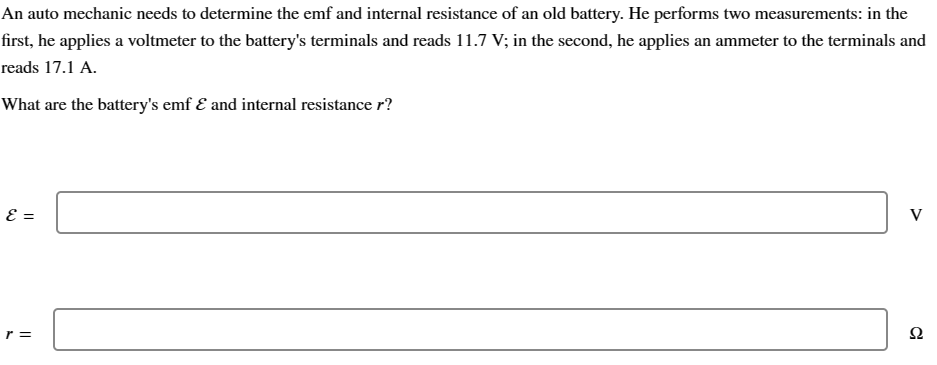
Question: An auto mechanic needs to determine the emf and internal resistance of an old battery. He performs two measurements: in the first, he applies a

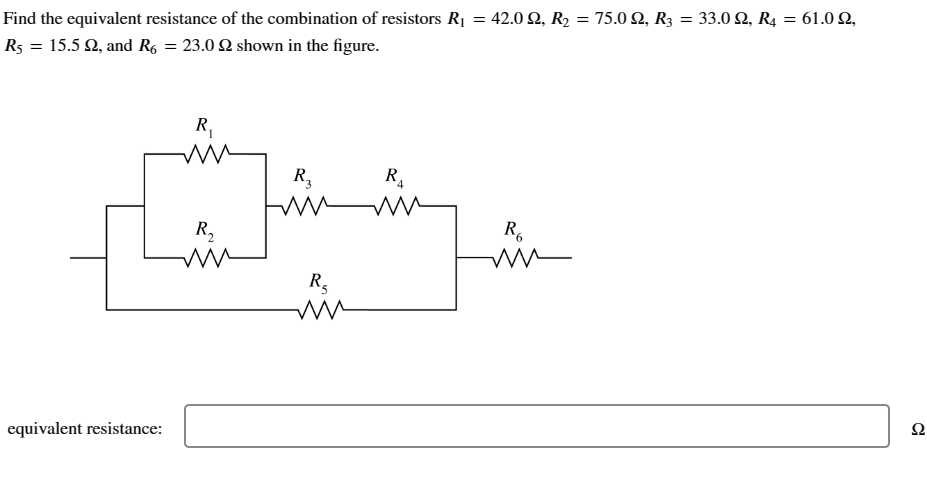
![= 42.0 Q. R; = T10 E], R3 = 33.0 9., R4](https://s3.amazonaws.com/si.experts.images/answers/2024/06/667cbf8b7b689_531667cbf8b56b8f.jpg)
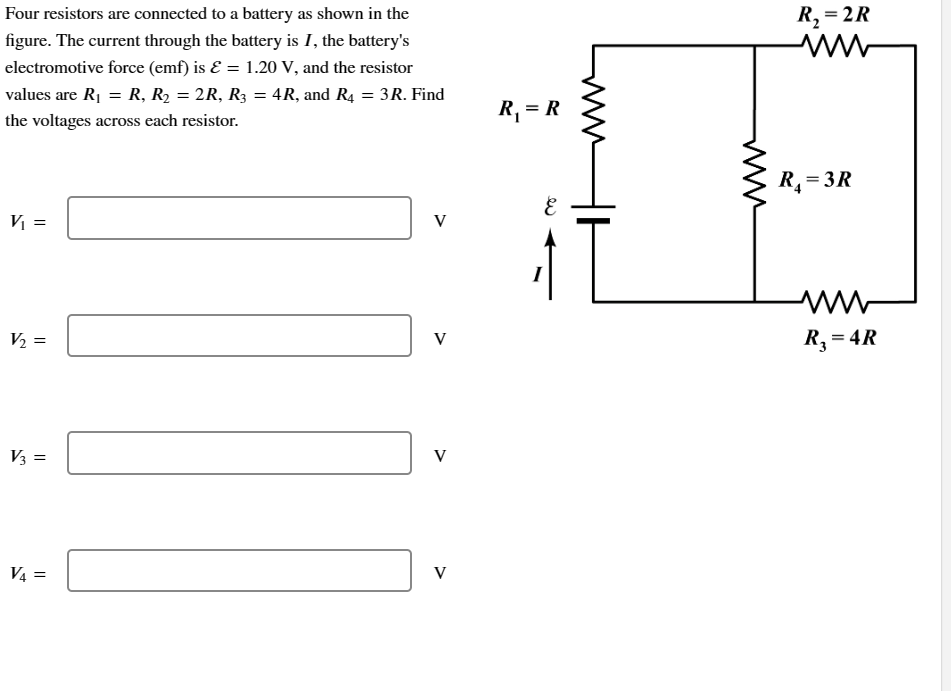
![I, the battery's electromotive force [emf] is 5 : 1.20 V. and](https://s3.amazonaws.com/si.experts.images/answers/2024/06/667cbf8cb3ede_532667cbf8ca258d.jpg)

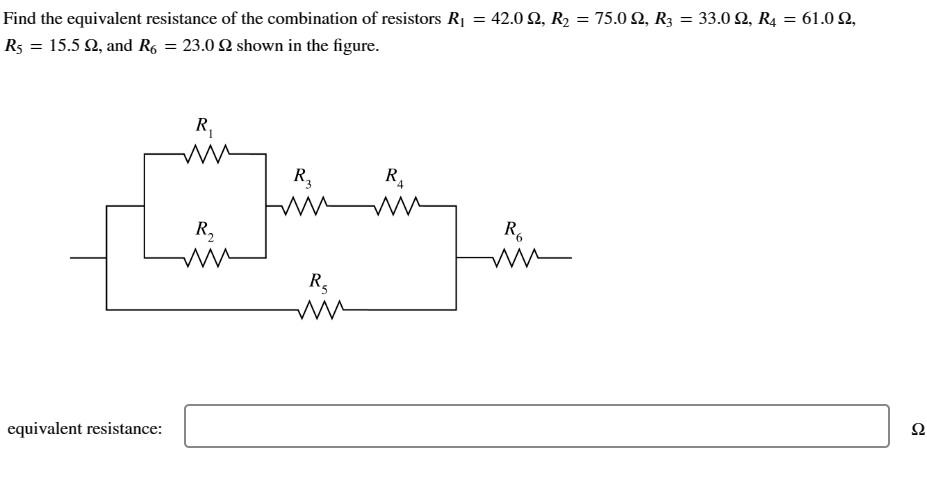
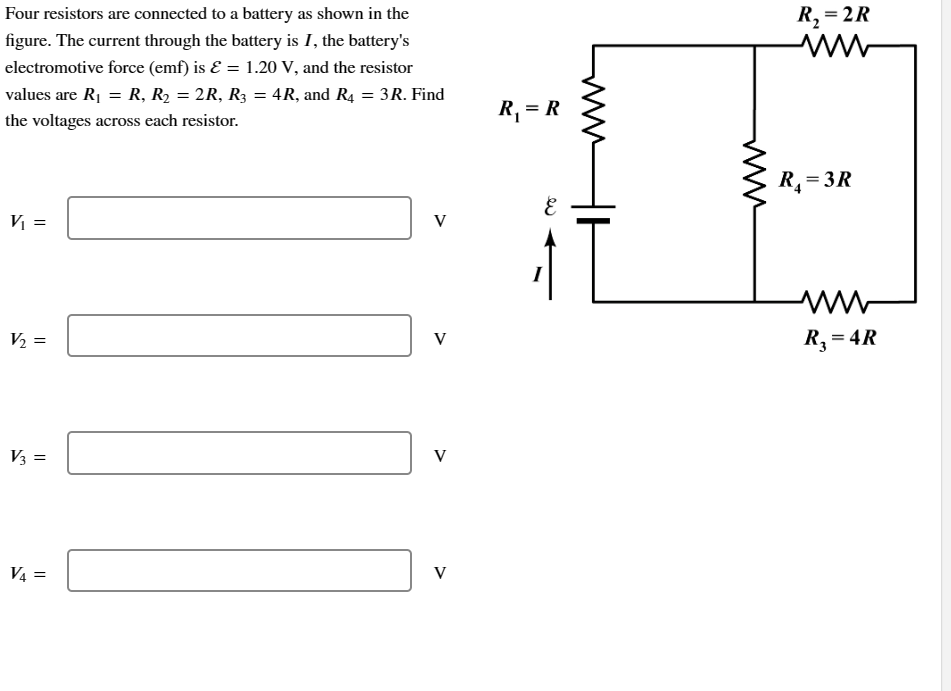
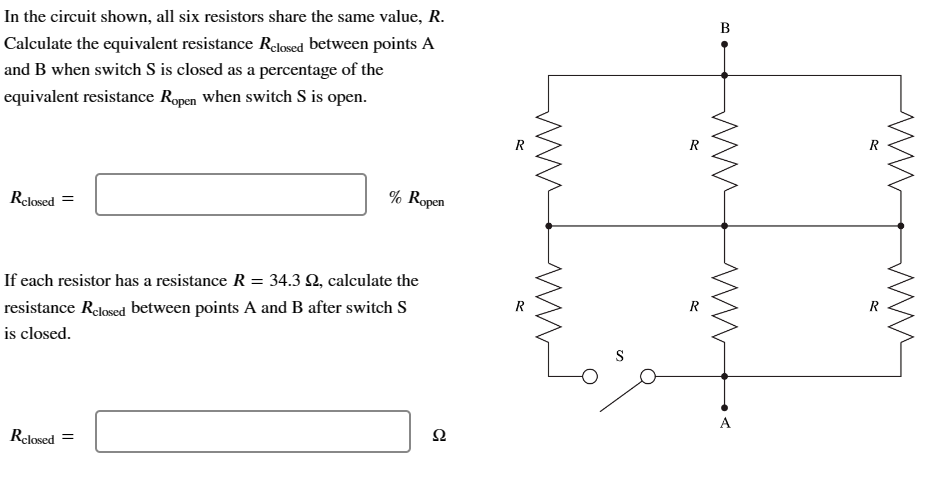
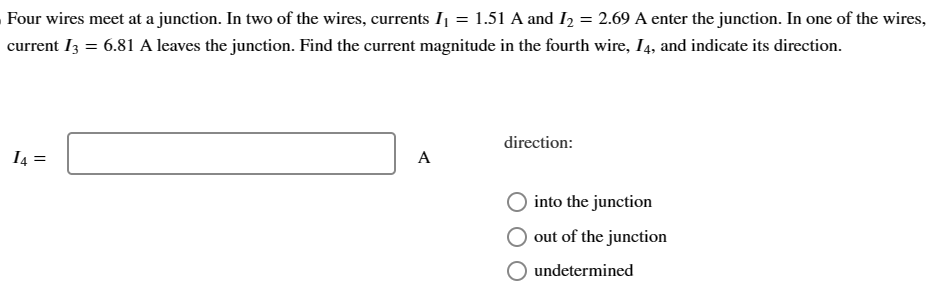
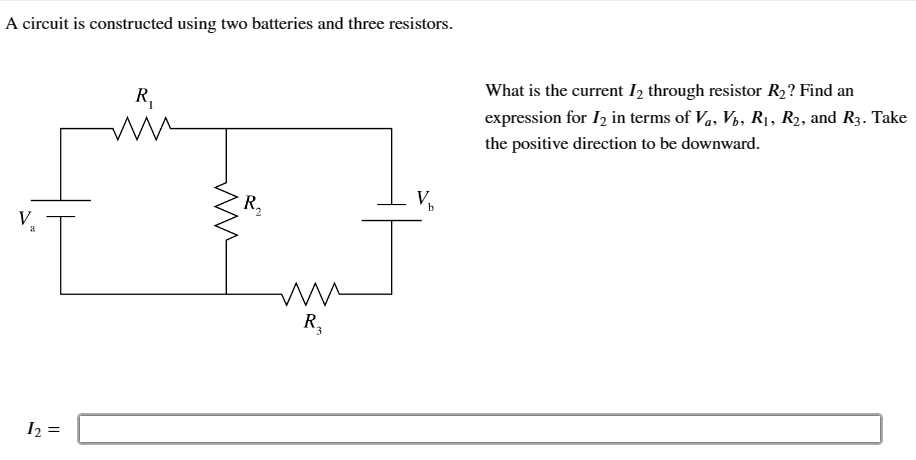
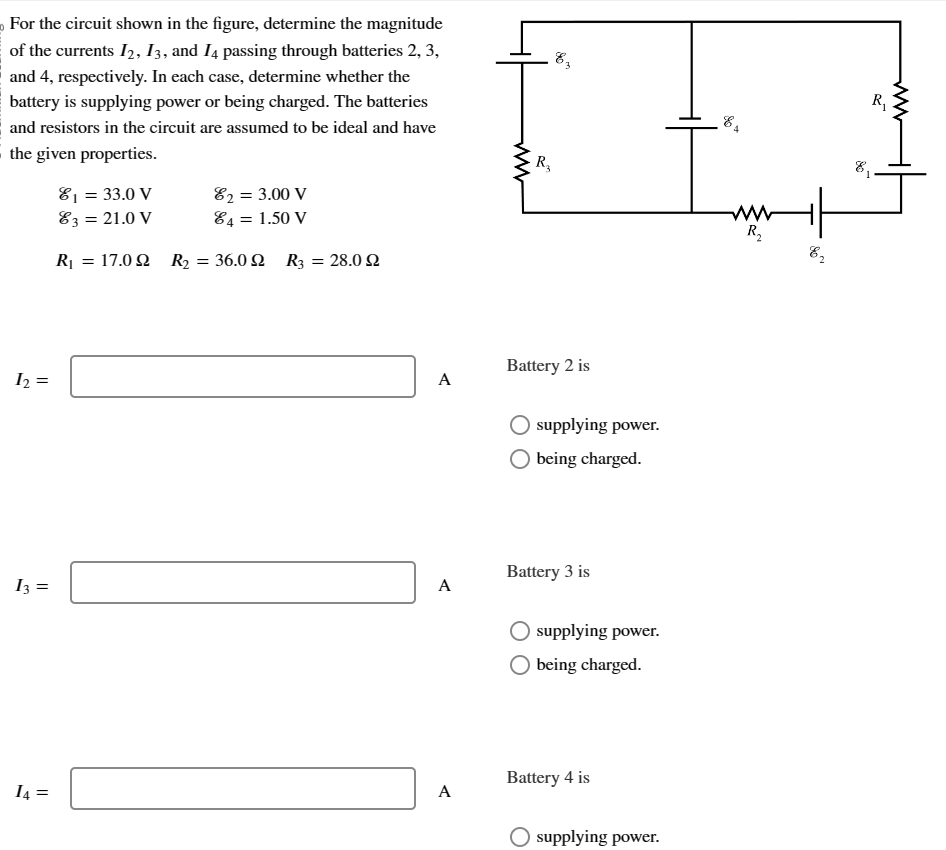
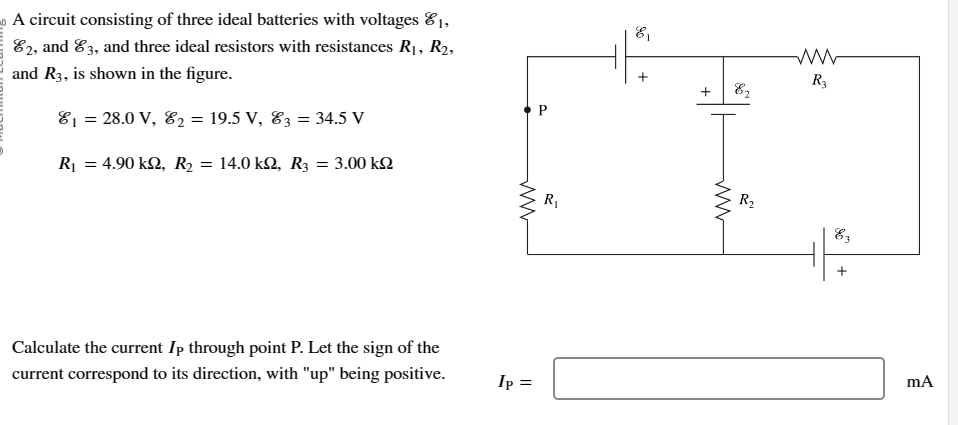
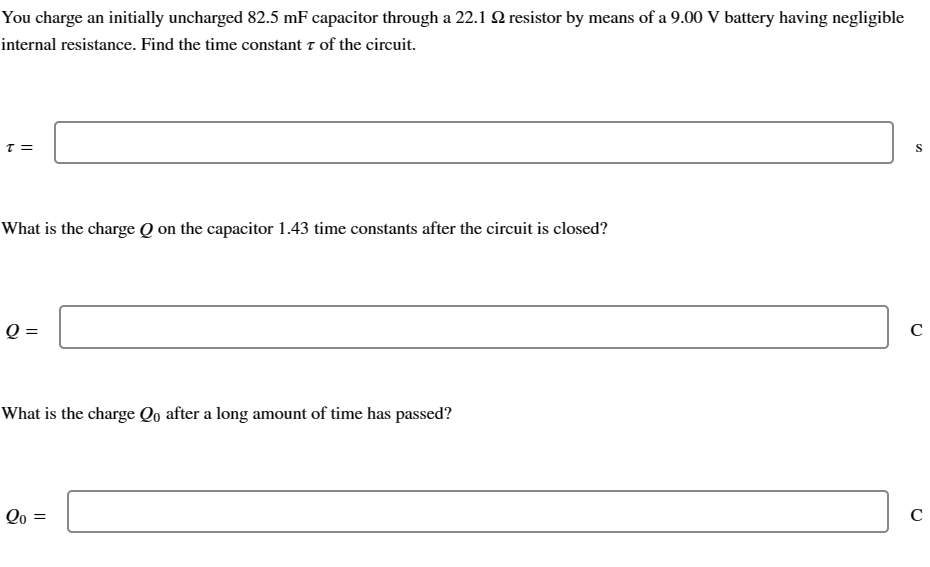
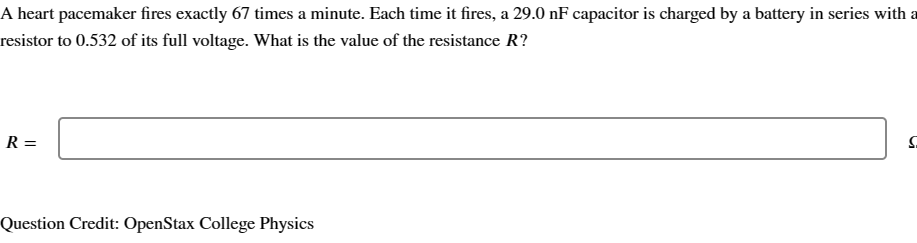
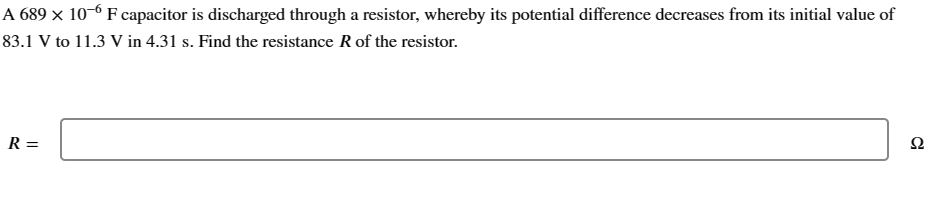
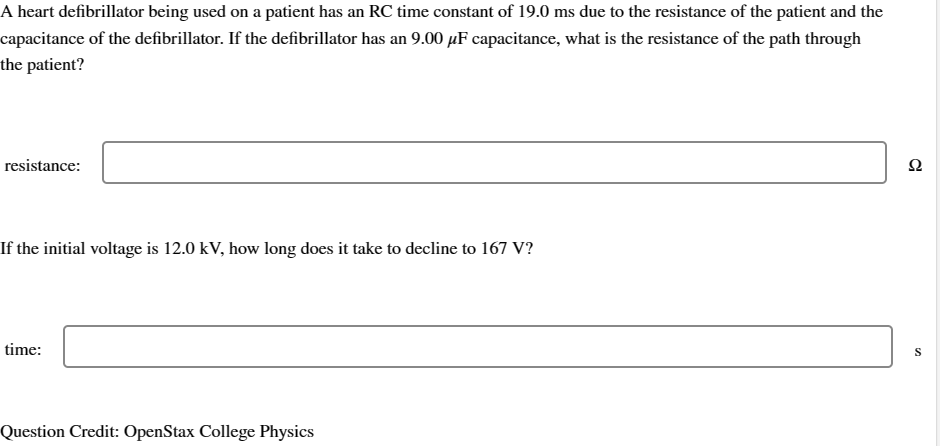
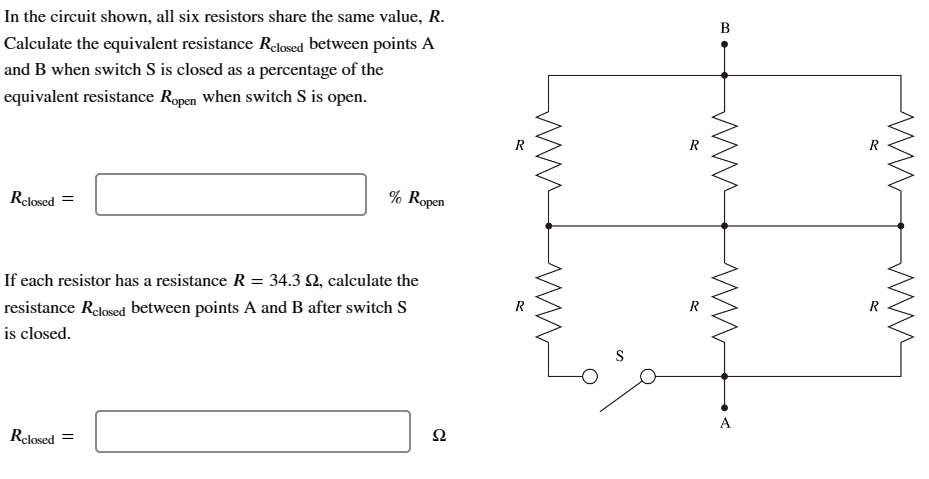
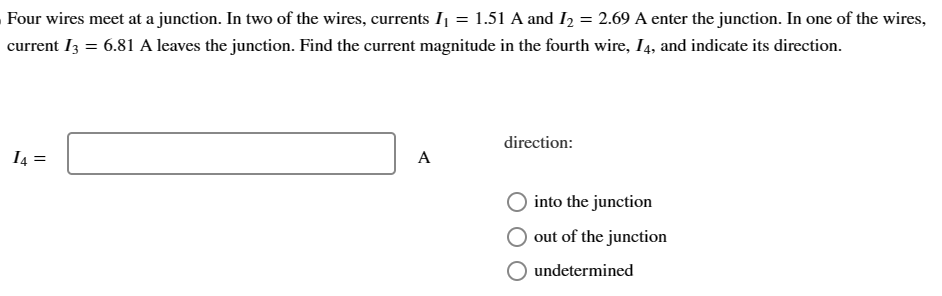
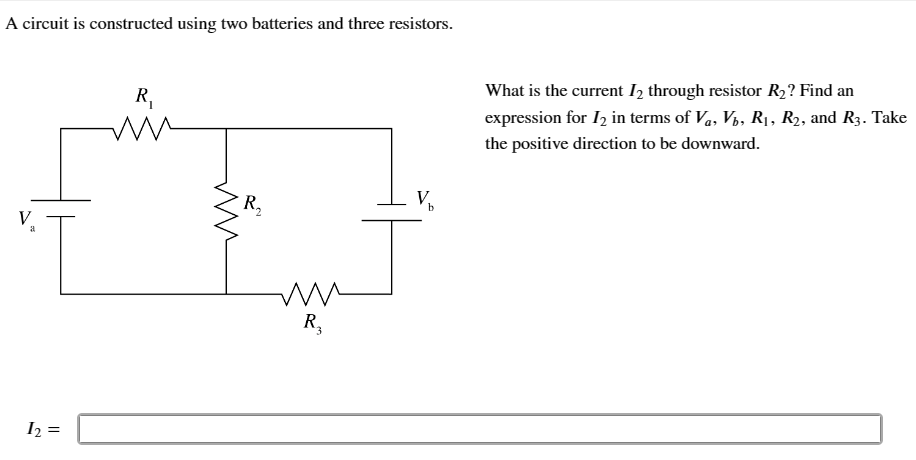
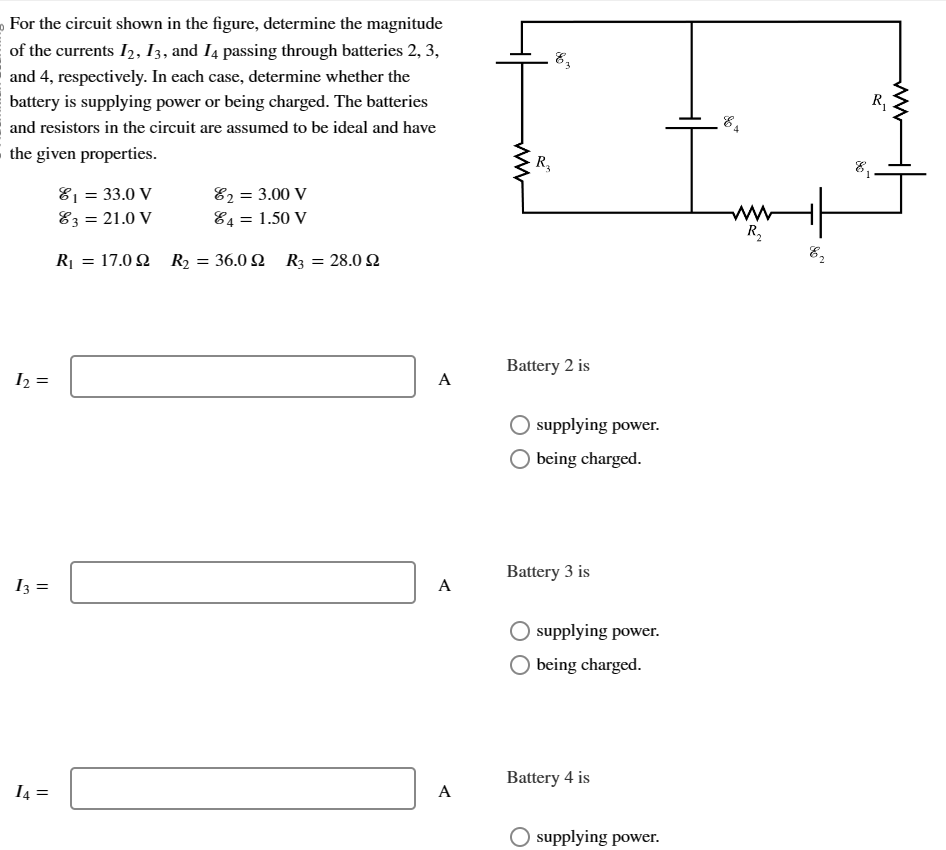
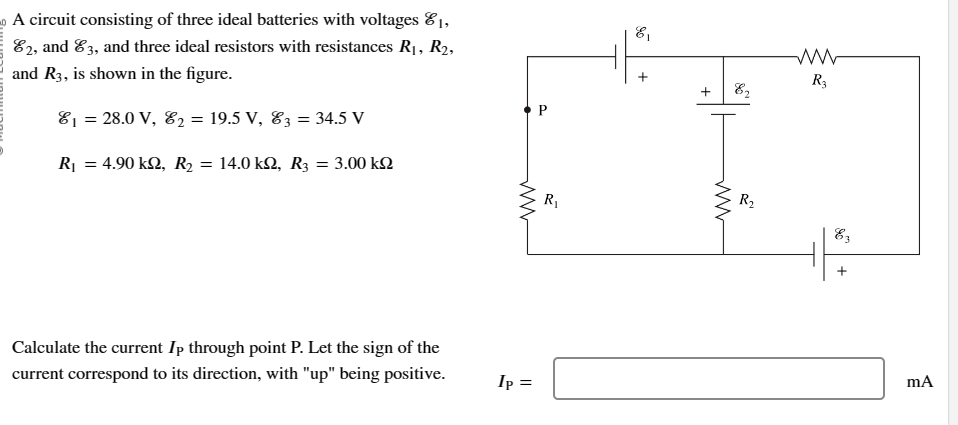
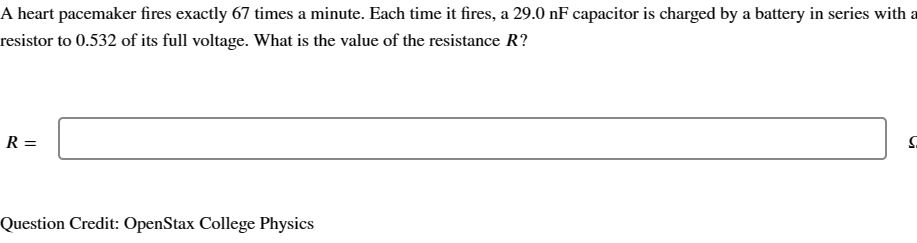
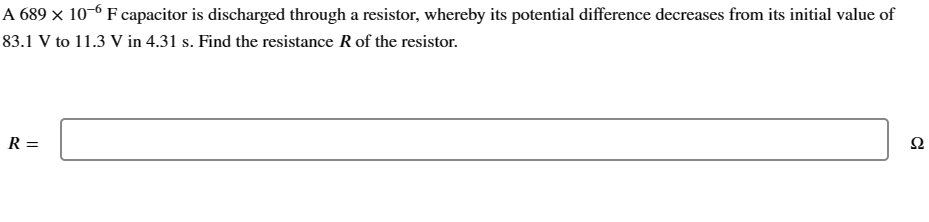
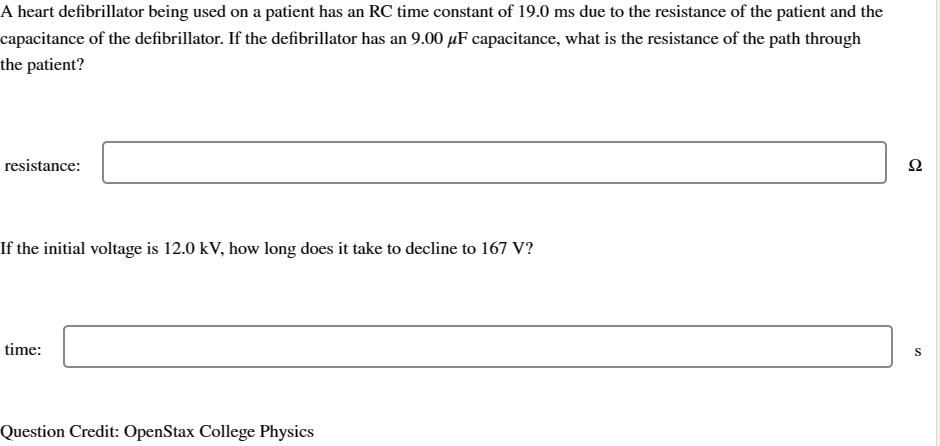
An auto mechanic needs to determine the emf and internal resistance of an old battery. He performs two measurements: in the first, he applies a voltmeter to the battery's terminals and reads 11.\":' V; in the second, he applies an ammeter to the terminals and reads 17.1 A. 1What are the battery's emf E and internal resistance r? You have a battery marked "6.00 V." When you draw a current of 0.233 A from it, the potential difference between its terminals is 5.03 V. What is the potential difference AV when you draw 0.521 A? AV = VFind the equivalent resistance of the combination of resistors R1 = 42.0 Q. R; = T10 E], R3 = 33.0 9., R4 = 61.0 51. R5 : 15.5 9.. and R5 : 23.0 9 shown in the gure. equivalent resistance: Four resistors are oonnected to a battery as shown in the gure. The current through the battery is I, the battery's electromotive force [emf] is 5 : 1.20 V. and the resistor values are R. = R, R2 2 2R, R3 2 4R, and R4 2 3R. Find the voltages across each resistor. R l R M: 32:25? =3R R =4R In the circuit shown, all six resistors share the same value, R. Calculate the equivalent resistance Rchmd between points A and B when switch 5 is closed as a percentage of the equivalent resistance R",pen when switch 5 is open. W E W If each resistor has a resistance R = 34.3 9., calculate the resistance Rdmad between points A and B after switch 5 R is closed. Rm: :l a Four wires meet at a junction. In two of the wires, currents /1 = 1.51 A and /2 = 2.69 A enter the junction. In one of the wires, current 13 = 6.81 A leaves the junction. Find the current magnitude in the fourth wire, 14, and indicate its direction. direction: I4 = A into the junction O out of the junction O undeterminedA circuit is constructed using two batteries and three resistors. R What is the current [2 through resistor R2? Find an expression for lg in terms of Va, V5, RI , R2, and R3. Take the positive direction to be duwnward. 9 For the circuit shown in the gure, determine the magnitude 5 of the currents 12, I3 . and 14 passing through batteries 2, 3, f and 4. respectively. In each case, determine whether the battery is supplying power or being charged. The batteries i and resistors in the circuit are assumed to be ideal and have . the given properties. a. = 33.0 V 32 = 3.00 V e3=2L0V a4=L50V R. :1109 R2 : 36.051 33 : 23.09 Battery 2 is O supplying power. 0 being charged. 0 supplying power. 0 being charged. Battery 4 is Battery 3 is I; = A O supplying power. ._n A circuit consisting of three ideal batteries with voltages g., i 3'2, and 3'3, and three ideal resistors with resistances R.. R2, and R3, is shown in the gure. \"nu.- |_\\_u $1 = 28.0 v. e; = 19.5 v. 3*; = 34.5 v -._u_. R1: 4.90m, R2 :14.0ko. R3 : 3.00m Calculate the current Ip through point P. Let the sign of the current correspond to its direction. with "up" being positive. op You charge an initially uncharged 82.5 mF capacitor thmugh a 22.] resistor by means of a 9.00 V battery having negligible internal resistance. Find the time constant r of the circuit. What is the charge Q on the capacitor 1.43 time constants after the circuit is closed? What is the charge Q9 after a long amount of time has passed? Qu=l:|c A heart pacemaker res exactly 67 limes a minute. Each time it res, a 29.0 nF capacitor is charged by a battery in series with a resistor In 0.532 of its full voltage. What is the value of the resistance R? Question Credit: OpenStax College Physics A 689 x 10- F capacitor is discharged through a resistor, whereby its potential difference decreases from its initial value of 83.1 V to 11.3 V in 4.31 s. Find the resistance R of the resistor. R =A heart defibrillator being used on a patient has an RC time constant of 19.0 ms due to the resistance of the patient and the capacitance of the defibrillator. If the defibrillator has an 9.00 #F capacitance, what is the resistance of the path through the patient? resistance: If the initial voltage is 12.0 k V, how long does it take to decline to 167 V? time: S Question Credit: OpenStax College Physics
Step by Step Solution
There are 3 Steps involved in it

Get step-by-step solutions from verified subject matter experts