







Question: Answer all parts to eacg answer 1-4. Won't count if all are not answered with written solutions. Ferrier Chemical Company makes three products, B7,K6, and
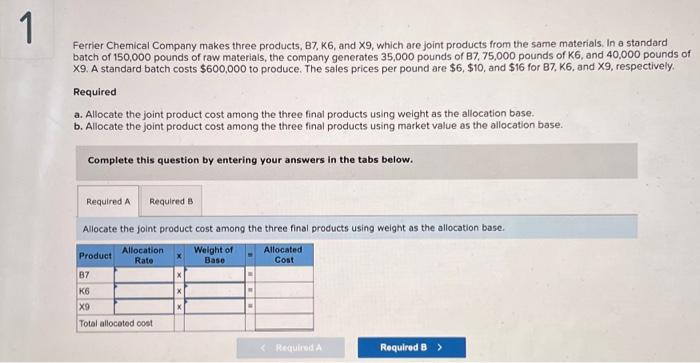
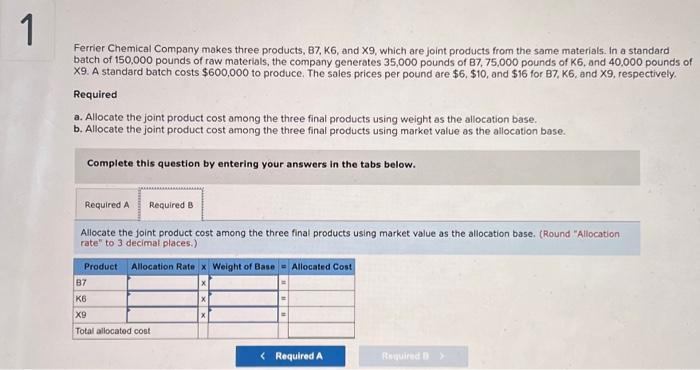
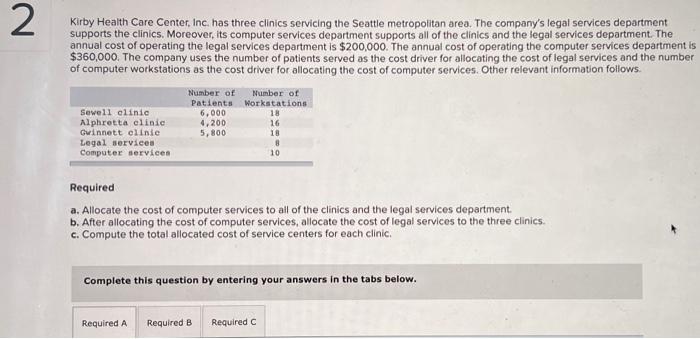
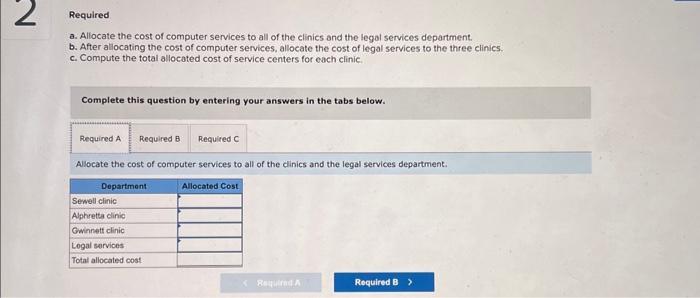
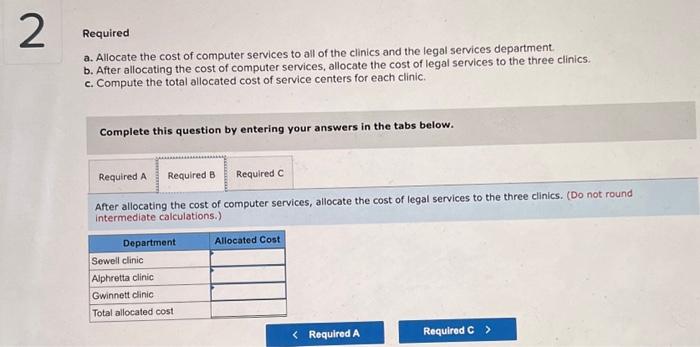
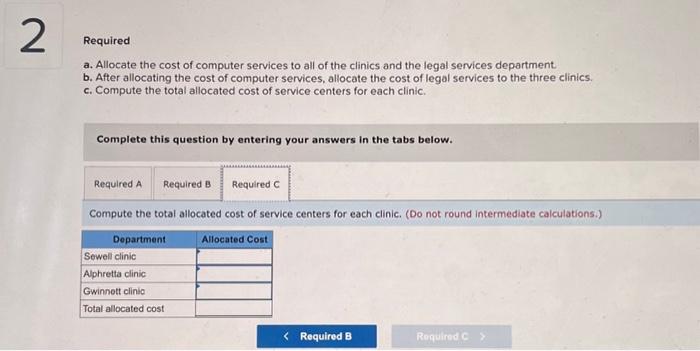
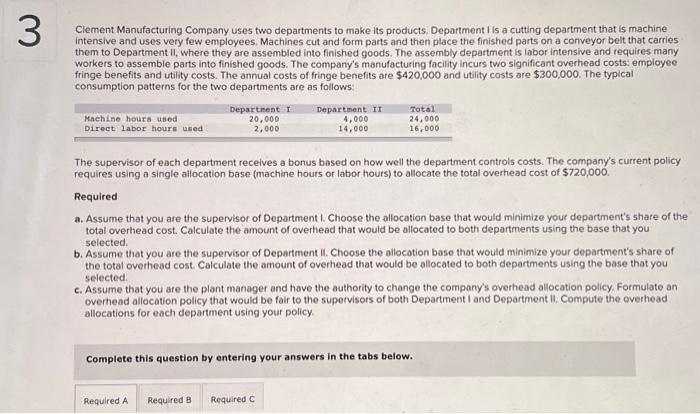
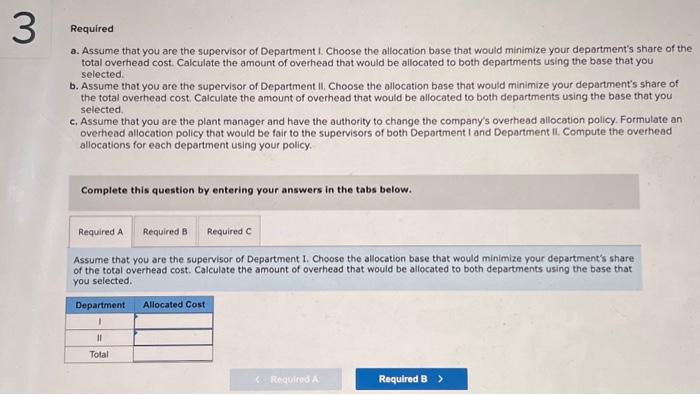
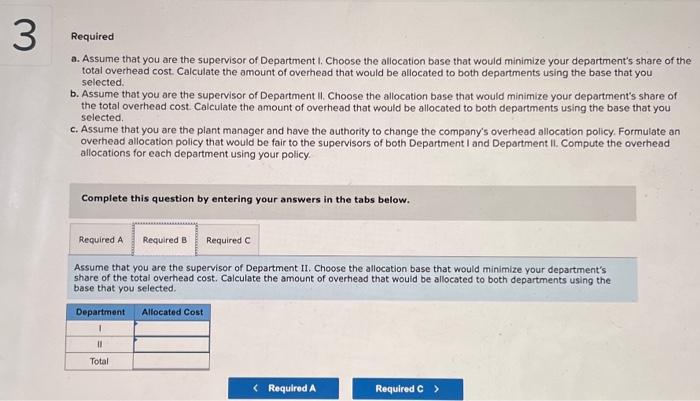
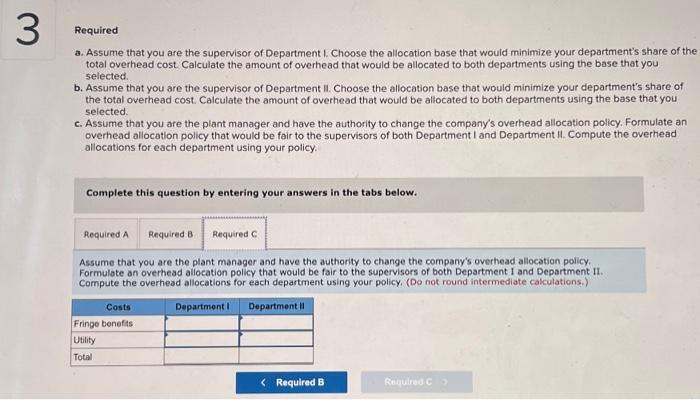
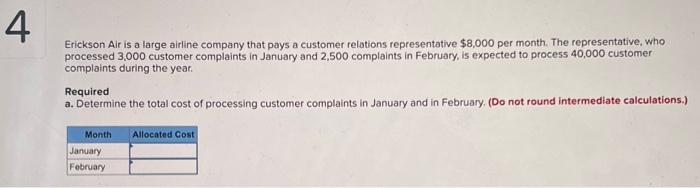
Ferrier Chemical Company makes three products, B7,K6, and X9, which are joint products from the same materials. In a standard batch of 150,000 pounds of raw materials, the company generates 35,000 pounds of B7,75,000 pounds of K6, and 40,000 pounds of X9. A standard batch costs $600,000 to produce. The sales prices per pound are $6,$10, and $16 for 87,K6, and X9, respectively. Required a. Allocate the joint product cost among the three final products using weight as the allocation base. b. Allocate the joint product cost among the three final products using market value as the allocation base. Complete this question by entering your answers in the tabs below. Allocate the joint product cost among the three final products using weight as the allocation base. Ferrier Chemical Company makes three products, B7,K6, and X9, which are joint products from the same materials. In a standard batch of 150,000 pounds of raw materials, the company generates 35,000 pounds of B7,75,000 pounds of K6, and 40,000 pounds of 9. A standard batch costs $600,000 to produce. The sales prices per pound are $6,$10, and $16 for B7, K6, and 9, respectively. Required a. Allocate the joint product cost among the three final products using weight as the allocation base. b. Allocate the joint product cost among the three final products using market value as the allocation base. Complete this question by entering your answers in the tabs below. Allocate the joint product cost among the three final products using market value as the allocation base. (Round "Allocation rate" to 3 decimal places.) Kirby Health Care Center, Inc, has three clinics servicing the Seattle metropolitan area. The company's legal services department supports the clinics. Moreover, its computer services department supports all of the clinics and the legal services department. The annual cost of operating the legal services department is $200,000. The annual cost of operating the computer services department is $360,000. The company uses the number of patients served as the cost driver for allocating the cost of legal services and the number of computer workstations as the cost driver for allocating the cost of computer services. Other relevant information follows. Required a. Allocate the cost of computer services to all of the clinics and the legal services department. b. After allocating the cost of computer services, allocate the cost of legal services to the three clinics. c. Compute the total allocated cost of service centers for each clinic. Complete this question by entering your answers in the tabs below. Required a. Allocate the cost of computer services to all of the clinics and the legal services department. b. After allocating the cost of computer services, allocate the cost of legal services to the three clinics. c. Compute the total allocated cost of service centers for each clinic. Complete this question by entering your answers in the tabs below. Alocate the cost of computer services to all of the clinics and the legal services department. Required a. Allocate the cost of computer services to all of the clinics and the legal services department. b. After allocating the cost of computer services, allocate the cost of legal services to the three clinics. c. Compute the total allocated cost of service centers for each clinic. Complete this question by entering your answers in the tabs below. After allocating the cost of computer services, allocate the cost of legal services to the three clinics. (Do not round intermediate calculations.) Required a. Allocate the cost of computer services to all of the clinics and the legal services department b. After allocating the cost of computer services, allocate the cost of legal services to the three clinics. c. Compute the total allocated cost of service centers for each clinic. Complete this question by entering your answers in the tabs below. Compute the total allocated cost of service centers for each clinic. (Do not round intermediate calculations:) Clement Manufacturing Company uses two departments to make its products. Department 1 is a cutting department that is machine intensive and uses very few employees. Machines cut and form parts and then place the finished parts on a conveyor belt that carries them to Department 11 , where they are assembled into finished goods. The assembly department is labor intensive and requires many workers to assemble parts into finished goods. The company's manufacturing facility incurs two significant overhead costs: employee fringe benefits and utility costs. The annual costs of fringe benefits are $420,000 and utility costs are $300,000. The typical consumption patterns for the two departments are as follows: The supervisor of each department receives a bonus based on how well the department controls costs. The company's current policy requires using a single allocation base (machine hours or labor hours) to allocate the total overhead cost of $720,000. Required a. Assume that you are the supervisor of Department I. Choose the allocation base that would minimize your department's share of the total overhead cost. Calculate the amount of overhead that would be allocated to both departments using the base that you selected. b. Assume that you are the supervisor of Department il. Choose the allocotion base that would minimize your department's share of the total overhead cost. Calculate the amount of overhead that would be allocated to both departments using the base that you selected. c. Assume that you are the plant manager and have the authority to change the company's overhead allocation policy. Formulate an overhead allocation policy thot would be fair to the supervisors of both Department I and Department II. Compute the overhead allocations for each department using your policy. Complete this question by entering your answers in the tabs below. Required a. Assume that you are the supervisor of Department 1. Choose the allocation base that would minimize your department's share of the total overhead cost. Calculate the amount of overhead that would be allocated to both departments using the base that you selected. b. Assume that you are the supervisor of Department II. Choose the allocation base that would minimize your department's share of the total overhead cost. Calculate the amount of overhead that would be allocated to both departments using the base that you selected. c. Assume that you are the plant manager and have the authority to change the company's overhead allocation policy. Formulate an overhead allocation policy that would be fair to the supervisors of both Department I and Department il. Compute the overhead allocations for each department using your policy. Complete this question by entering your answers in the tabs below. Assume that you are the supervisor of Department I. Choose the allocation base that would minimize your department's share of the total overhead cost. Calculate the amount of overhead that would be allocated to both departments using the base that you selected. Required a. Assume that you are the supervisor of Department 1. Choose the allocation base that would minimize your department's share of the total overhead cost. Calculate the amount of overhead that would be allocated to both departments using the base that you selected. b. Assume that you are the supervisor of Department II. Choose the allocation base that would minirnize your department's share of the total overhead cost. Calculate the amount of overhead that would be allocated to both departments using the base that you selected. c. Assume that you are the plant manager and have the authority to change the company's overhead allocation policy. Formulate an overhead allocation policy that would be fair to the supervisors of both Department I and Department II. Compute the overhead allocations for each department using your policy. Complete this question by entering your answers in the tabs below. Assume that you are the supervisor of Department II. Choose the allocation base that would minimize your department's share of the total overhead cost. Calculate the amount of overhead that would be allocated to both departments using the base that you selected. a. Assume that you are the supervisor of Department 1 . Choose the allocation base that would minimize your department's share of the total overhead cost. Calculate the amount of overhead that would be allocated to both departments using the base that you selected. b. Assume that you are the supervisor of Department II. Choose the allocation base that would minimize your department's share of the total overhead cost Calculate the amount of overhead that would be allocated to both departments using the base that you selected. c. Assume that you are the plant manager and have the authority to change the company's overhead allocation policy. Formulate an overhead allocation policy that would be fair to the supervisors of both Department I and Department II. Compute the overhead allocations for each department using your policy. Complete this question by entering your answers in the tabs below. Assume that you are the plant manager and have the authority to change the company's overhead allocation policy. Formulate an overhead allocation policy that would be fair to the supervisors of both Department I and Department II. Compute the overhead allocations for each department using your policy. (Do not round intermediate calculations.) Erickson Air is a large airline company that pays a customer relations representative $8,000 per month. The representative, who processed 3,000 customer complaints in January and 2,500 complaints in February, is expected to process 40,000 customer complaints during the year. Required a. Determine the total cost of processing customer complaints in January and in February. (Do not round intermediate calculations
Step by Step Solution
There are 3 Steps involved in it

Get step-by-step solutions from verified subject matter experts
 Study Help