







Question: Answer Below Multiple Choice Questions Only That Which Is Not Earned Is Never Valued DXT Famous for its reliable service and low price campaigns, DXT
Answer Below Multiple Choice Questions Only
That Which Is Not Earned Is Never Valued
DXT
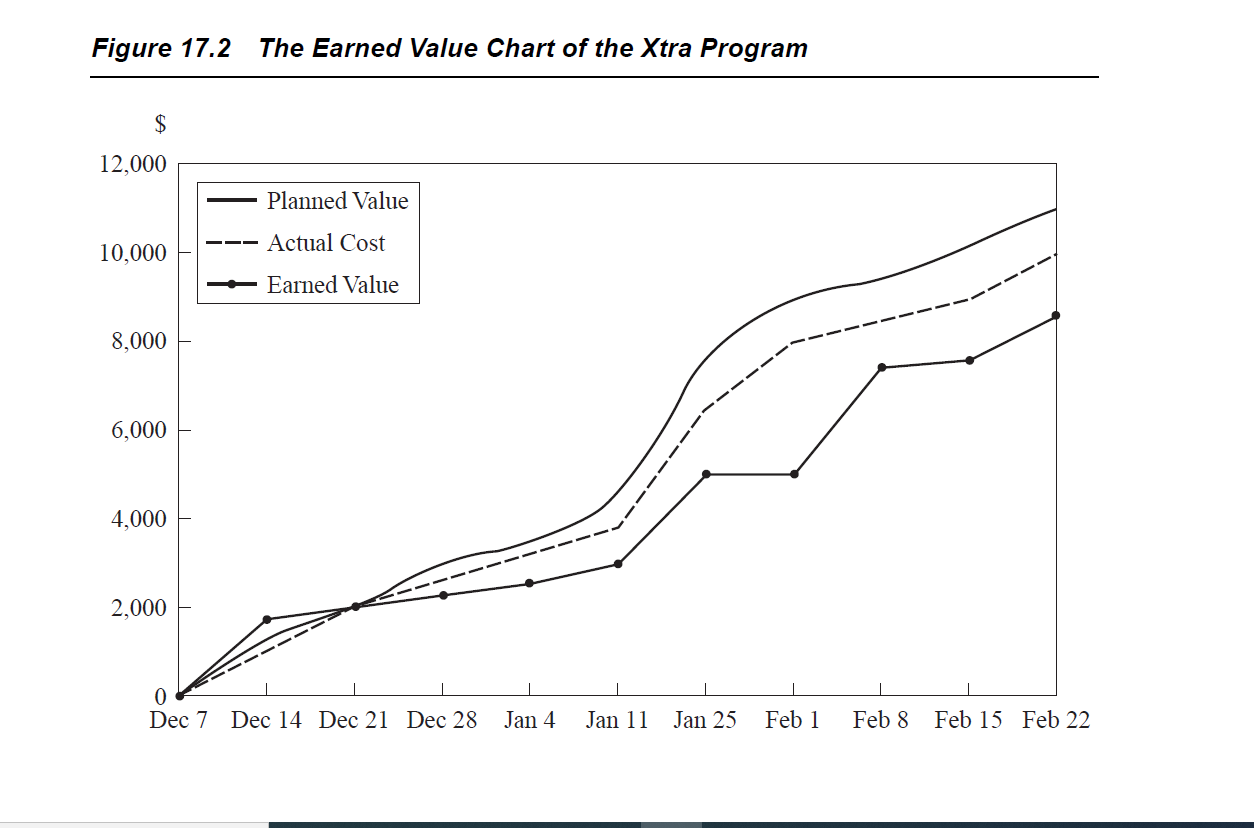
Famous for its reliable service and low price campaigns, DXT was one of the well - known mobile operators in the area. The company customer base comprises prepaid customers, and it was doing well in this territory. To take the company into another level, the management team started looking at expanding the company business into an uncharted area the postpaid customer segment. DXT was a program - driven company. Last year, DXT initiated more than 40 programs, addressing various issues from the organizational structure to the competition perspectives. This year, many programs were dedicated to the postpaid customer segment as efforts in diversifying the company business. However, the postpaid customer segment was something that DXT wasn t familiar with. And the company was still unclear as to what competitive advantage it would and should provide to its postpaid customers. As a result, several programs were moving in different directions, and the company ended up nowhere. The deadlines for many programs were clearly defined from the beginning. Nevertheless, DXT failed to provide a clear idea of what kind of strategies and actions they really wanted to see. Eventually, many programs failed. The lack of the alignment seemed to be a major issue at DXT these days. XTRA AND THE EARNED VALUE CONCEPT Xtra was a program that was carried out at the end of the year. Because of its strategic importance, the program delay wasn t acceptable. To make sure the program would be completed on time, the program team decided to use the Earned Value concept. Although it was a good intention, the program team faced one big challenge: the earned value concept had never been implemented in the company before! And as one could expect, the team ran into multiple problems and diffi culties not only in managing the program itself, but also ununderstanding and using the earned value concept. Figure 17.2 is the Earned Value Chart of the recently closed - out Xtra program. The program objective was to develop a set of marketing projects for DXT s postpaid customer segment over a period of three months.
WHAT WENT WRONG? Trying to understand what went wrong and the earned value concept better for future programs, the team looked back at the history of the Earned Value Chart. Although the Xtra program status appeared to be ahead of the schedule and budget plans at the beginning, the turning point was around December 21, the long vacation period, because of a lack of the company s clear direction. Since then, things got worse as the program progressed. As an effort to recover the program status, the Xtra program team tried to cut down several program scopes with hopes of improving the earned value. But problems never ceased coming. In the end, the program was not fully able to recover, and less work was accomplished than planned. In other words, the program was not able to deliver its full results. Eventually, the program was called off. At the termination time (February 22), the program was behind both schedule and budget. The Xtra program ended up spending $ 10,000, but only accomplished $ 8,600 worth of work, while the forecasted budget at completion was $ 13,000 (March 8). One major lesson learned was that in implementing the earned value concept both the Schedule Performance Index (SPI) and Cost Performance Index (CPI)
 were important indicators to watch, but the CPI was clearly the more sensitive factor because a poor CPI was likely to be nonrecoverable. The program team should have monitored closely the trend of the CPI throughout the program life cycle. The SPI, on the other hand, was more important during the early phases, but became less significant as the program neared completion.
Questions
1. If the project delays beyond the due date
A. SPI will be helpful to control
B. SPI will not change
C. CPI will not change
2. Refer to fig 17.2, what is CPI on Feb 8
A. 89.5%
B. 90.5%
C. 92.5%
D. 94.5%
3. Which one is less significant close to completion?
A. CPI
B. SPI
C. EV
4. This case study is about
A. Project Risk management
B. Project budget estimation
C. Project monitoring and control
5. What could have been done when the cost and time overrun were detected? Choose the best statement.
A. Rescheduling activities, and additional resources could help to finish the project on time.
B. Revising project scope to reduce cost and time will help to finish project with in budget and on time
C. Prepare new budget and new time scheduling
Step by Step Solution
There are 3 Steps involved in it

Get step-by-step solutions from verified subject matter experts
 Study Help