Question: Assignment : Case Study: Disorganization at Semco Assignment Instructions Assignment Overview Please read the Integrative Case 1.0 on pages 623-632 of the Daft text and
Assignment : Case Study: Disorganization at Semco Assignment Instructions
Assignment Overview
Please read the Integrative Case 1.0 on pages 623-632 of the Daft text and respond to all four questions on page 632.
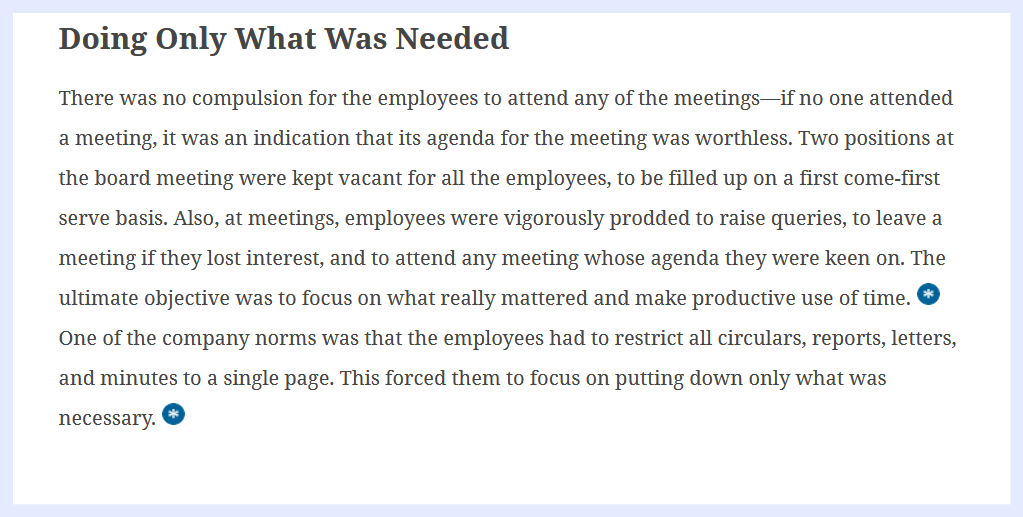
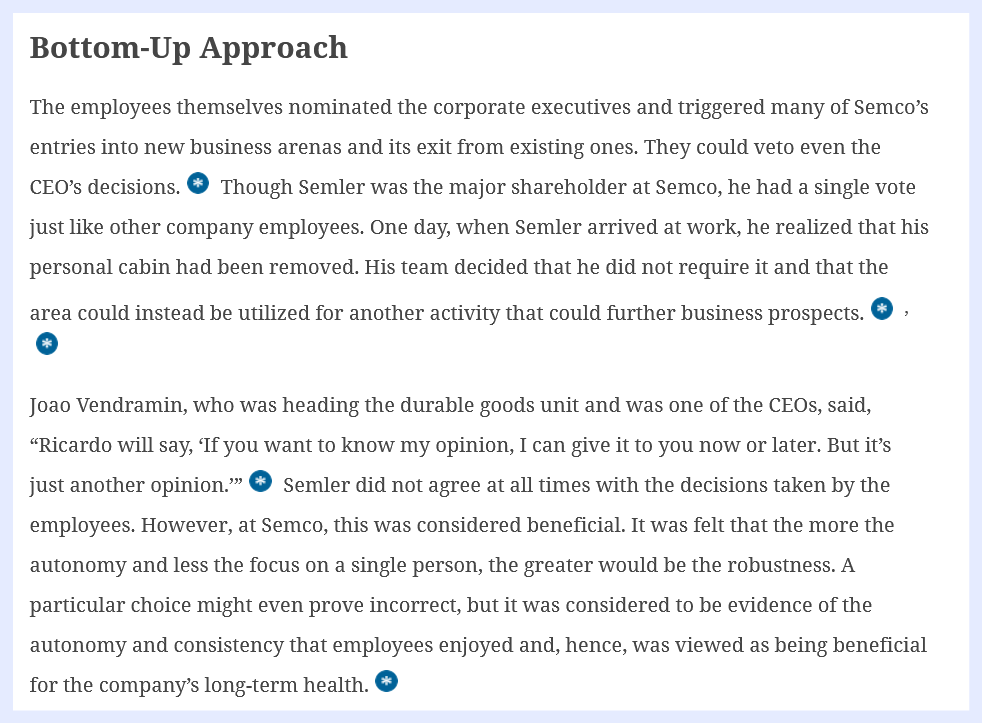
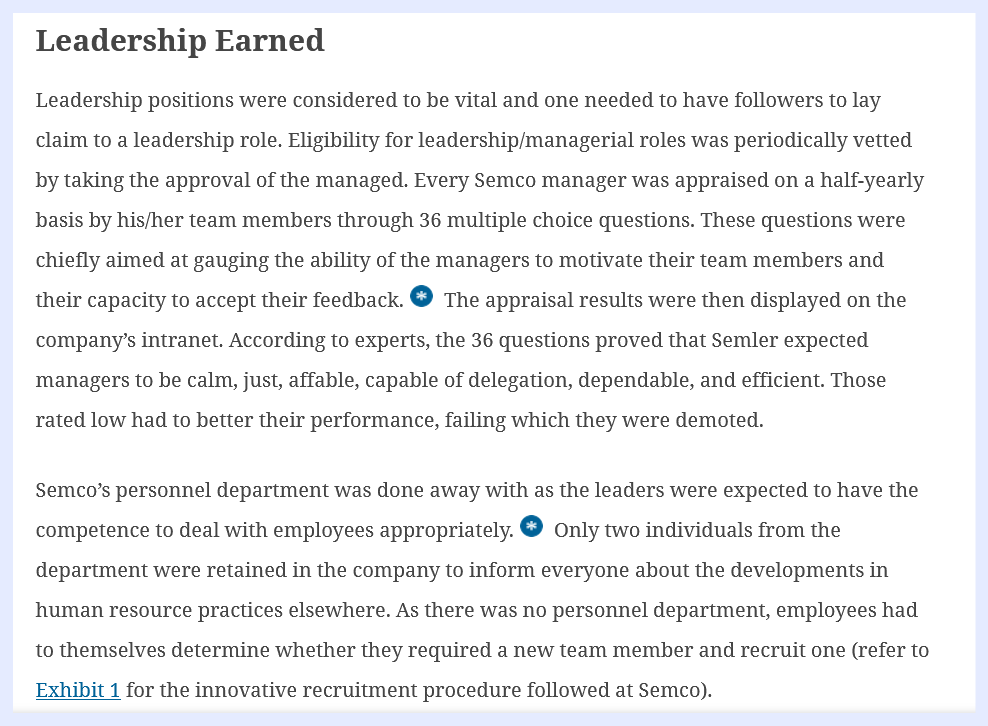
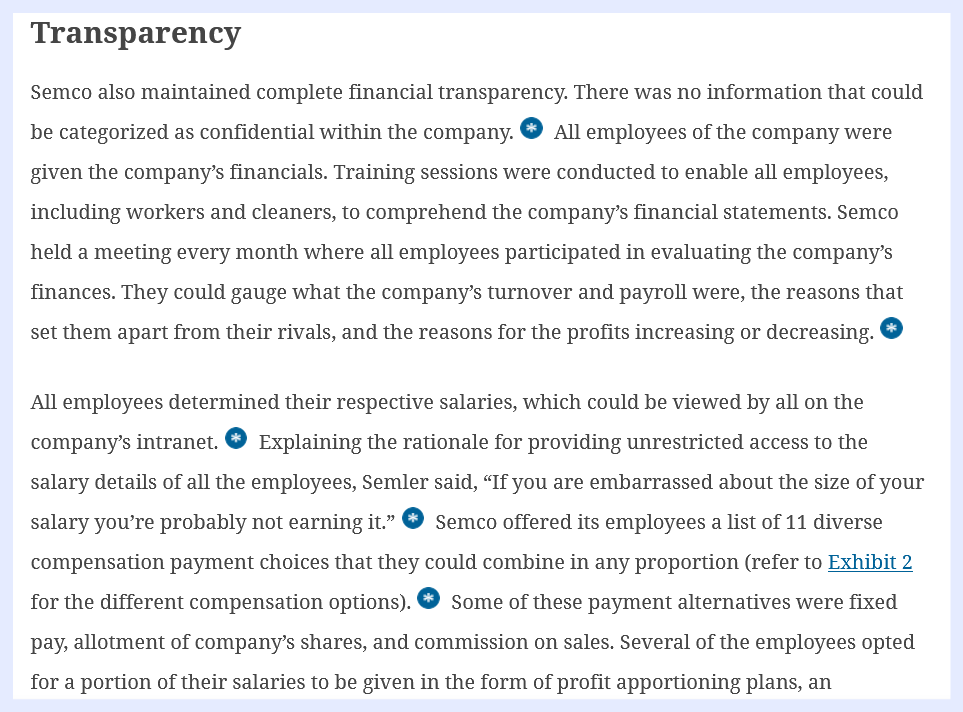
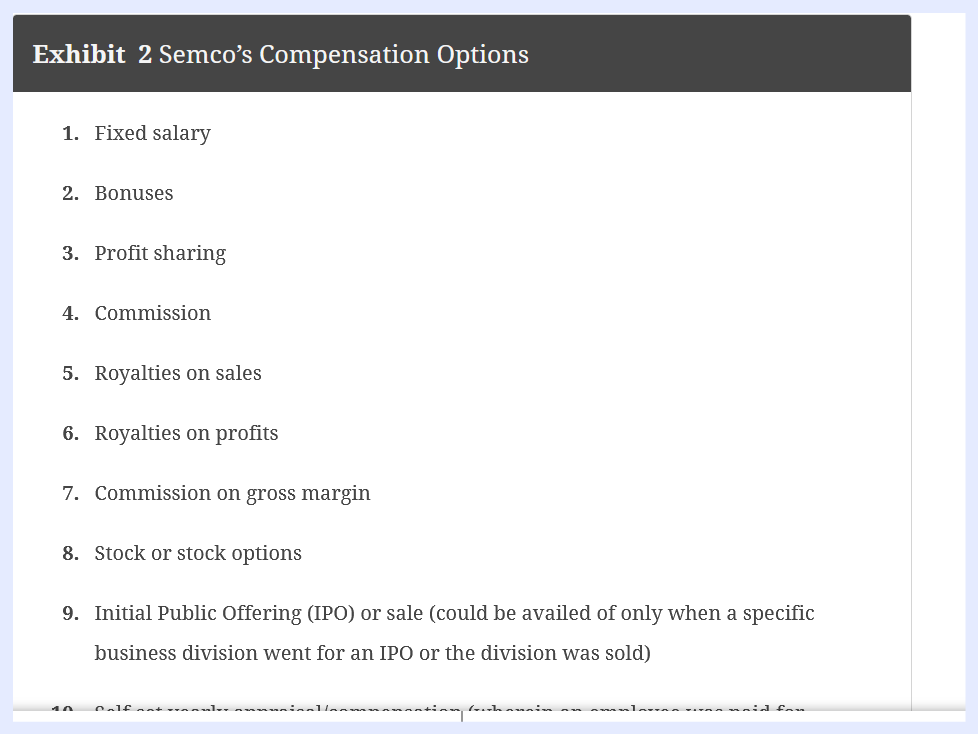
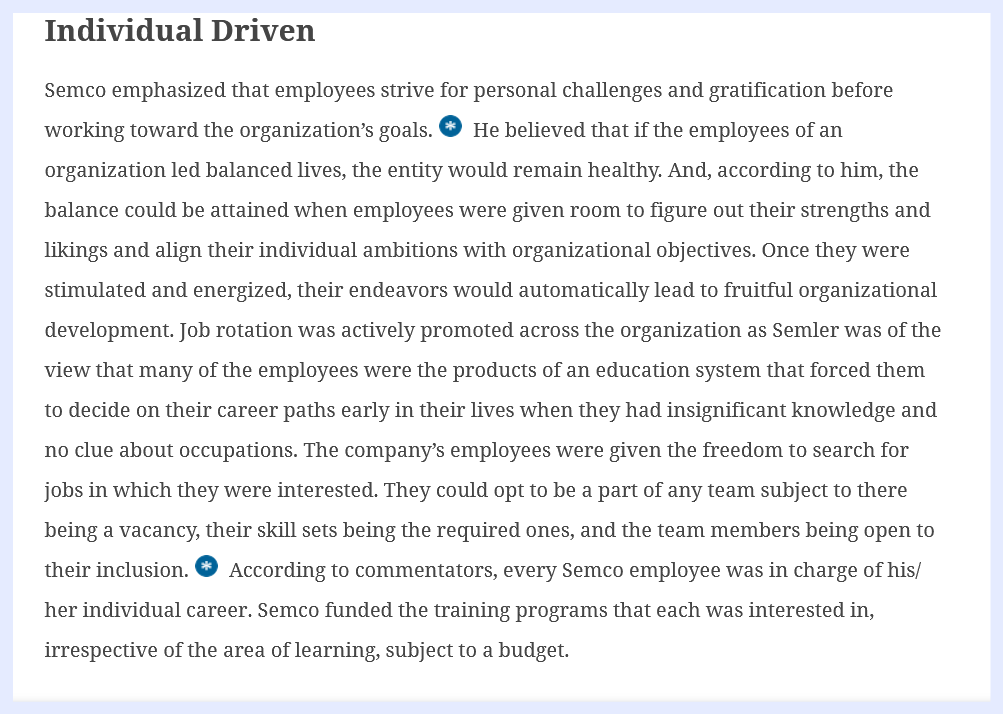
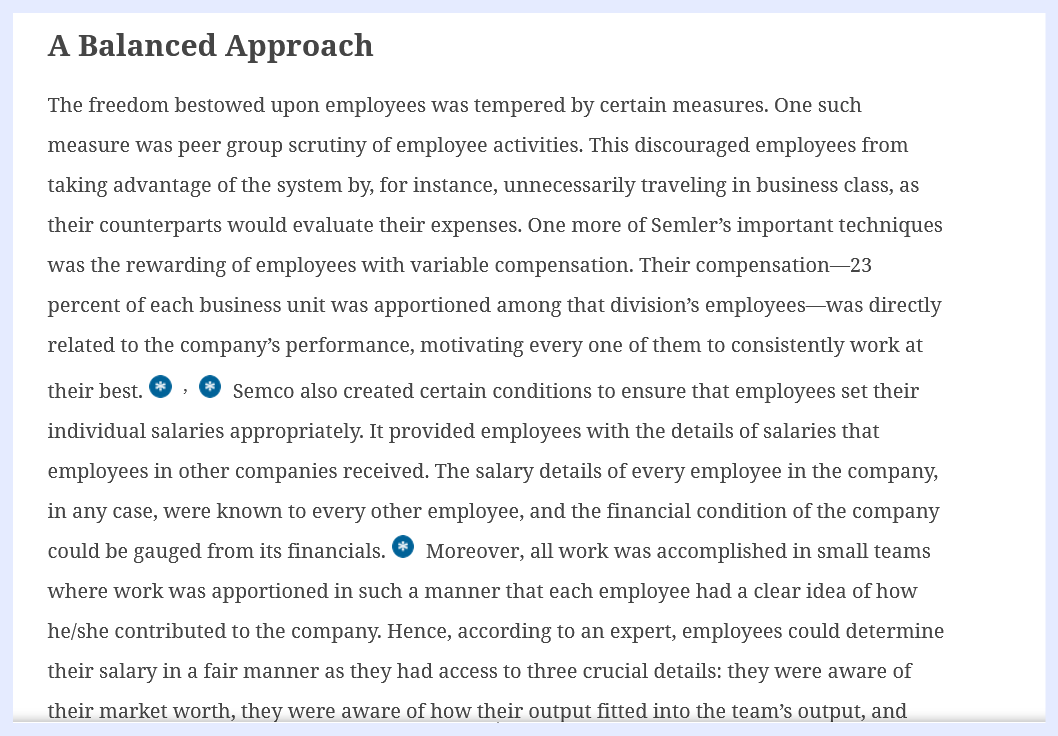
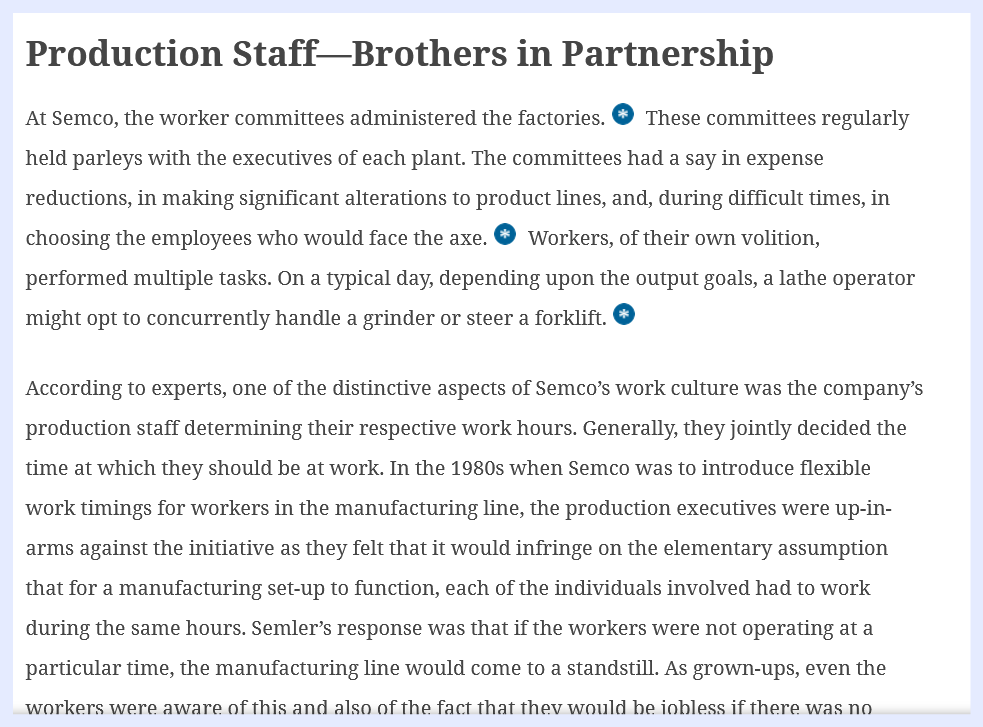
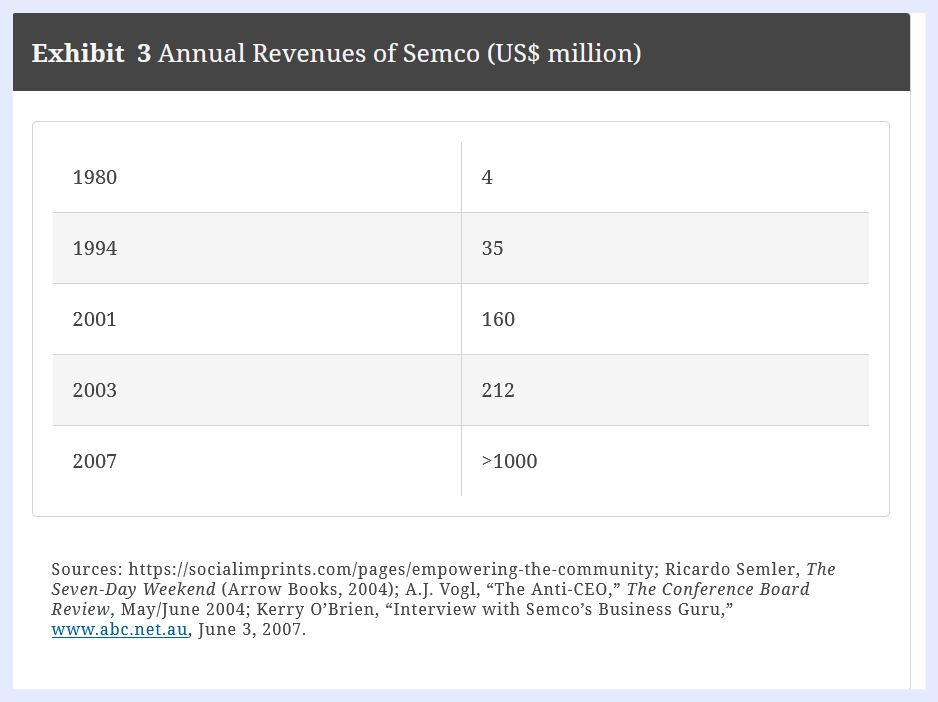
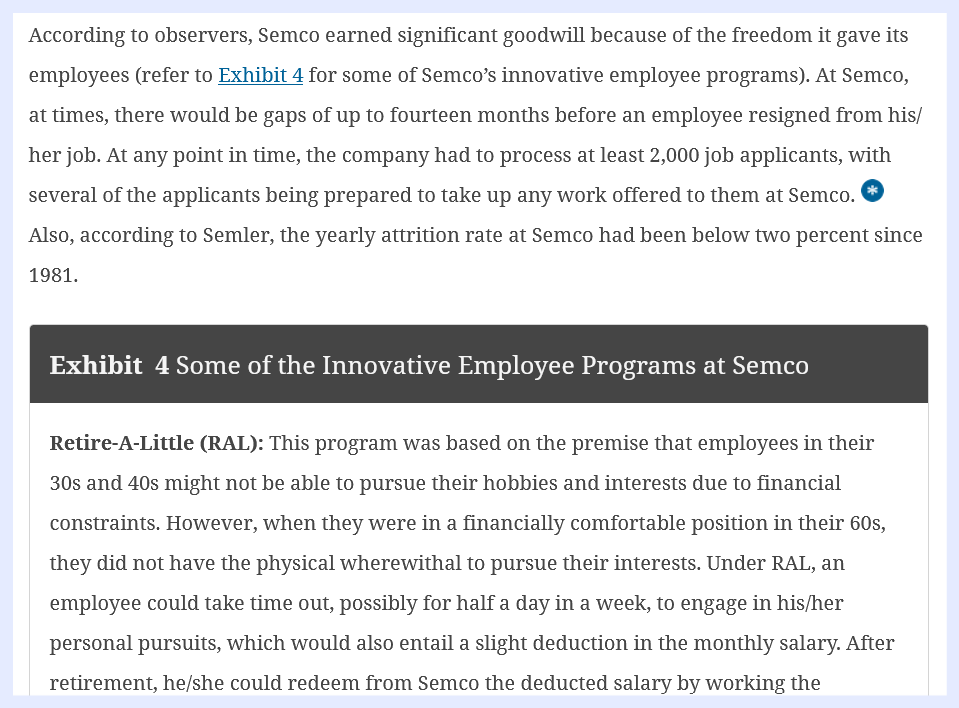
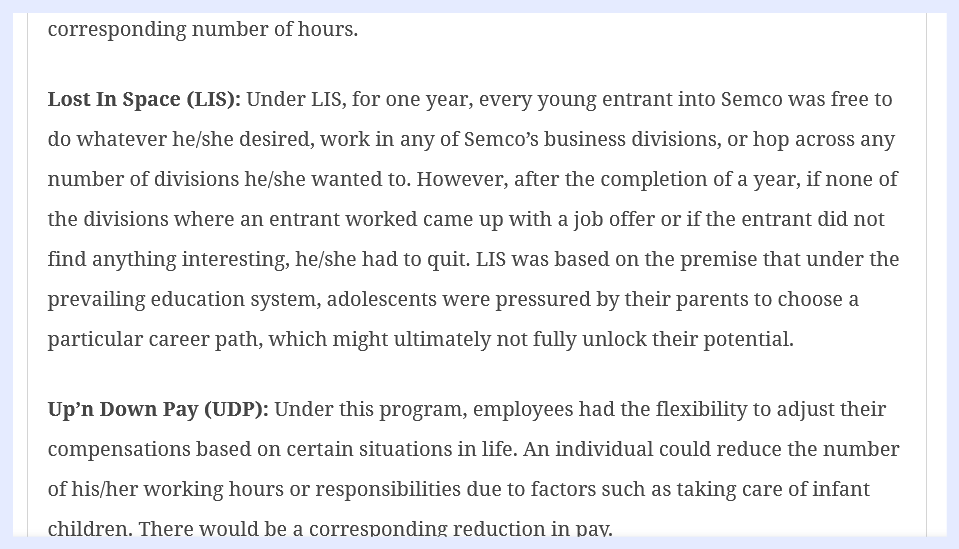
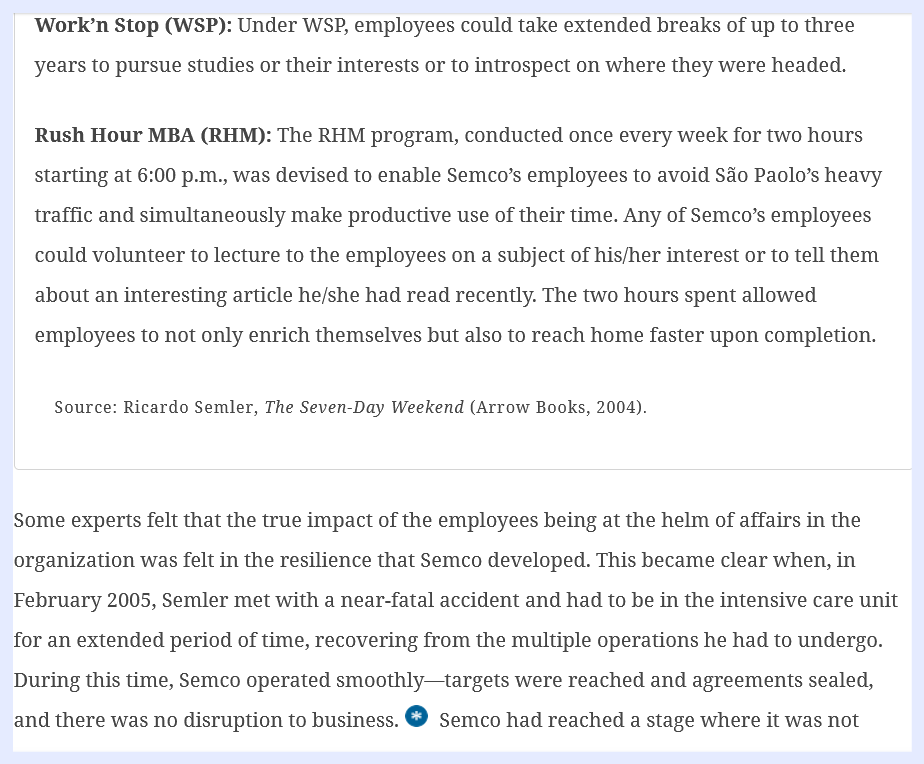
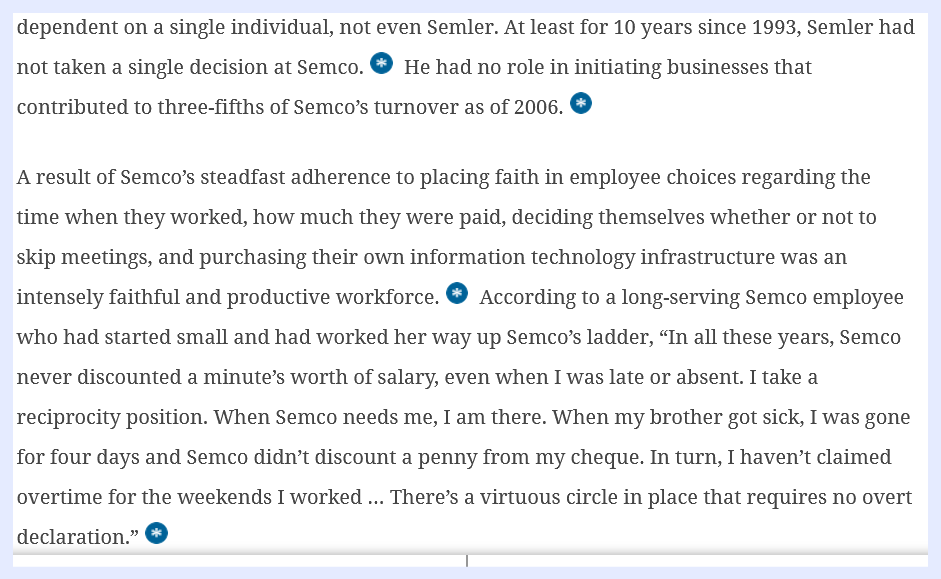
\fOrganization Theory & Design 13th Edition Richard L. Daft Erin Joyner Senior Vice President, Higher Education Mike Schenk Vice President, Product Management Joe Sabatino Senior Product Team Manager Michael Giffen Senior Product Manager Julia Chase Senior Content Manager Nick Perez Product Assistant Kimberly Kanakes Marketing DirectorIntegrative Case 1.0. Disorganization at Semco: Human Resource Practices as a Strategic Advantageo Introduction \"There is no contest between the company that buys the grudging compliance of its workforce and the company that enjoys the enterprising participation of its employees.\" - Ricardo Semler , CEO, Semco, in 1989 \"For the past thirty years, this company owner has essentially blocked a \"real\" CEO from ruining his company by holding the position himself and refusing to rule. Instead. his emplovees rule. in what is one of the few truly democratic \"For the past thirty years, this company owner has essentially blocked a \"real\" CEO from ruining his company by holding the position himself and refusing to rule. Instead, his employees rule, in what is one of the few truly democratic workplaces in all the world.\" oO - Ted Coine , Author and Speaker, in May 2011 Semco, based in Sdo Paolo, Brazil, was considered by experts as one of the most innovative democratic workplaces in the world. Ricardo Semler, the majority stockholder of the privately-owned company, had essentially handed over total control of the company to the company's workforce. The company actively promoted the principles of democracy, transparent communications, constructive dissent, creativity, and employee growth. The outcome was noteworthySemco's revenue, margins, employee strength, and business segments had expanded significantly. The fact that the company had an inspired workforce was reflected in its low attrition rates. As of 2003, Semco's businesses comprised the production of industrial mixers, manufacturing of cooling towers for commercial estates, property and facility management services, environmental consulting, e-businesses, and inventory management. In 2007, Semco was also getting its hospitality business started and was dabbling in hospital and airport ventures. several observers were especially startled by the cultural metamorphosis that Semco had achieved, given the fact that, to begin with, it was a top-down-driven autocratic set-up. But experts wondered if the transformations at Semco would work in other organizations. Background Note Semco was established in 1953 in Sao Paulo, Brazil, by Antonio Curt Semler (Antonio), an immigrant from Austria. The company was most popular for the marine pumps that it manufactured. Nine-tenths of these pumps were supplied to Brazil's shipbuilders. @ Semco was a strictly hierarchy-based company, which had regulations and policies governing every issue. Fear was the overriding maxim of the company at that time. Guards scouted the shop floor, regulated workers' visits to the washroom, and checked workers when they exited the factory premises. In 1982, Antonio's son, Ricardo Semler (Semler), aged 24, took charge of Semco. At the time of Semler's entry, the company was financially in dire straits. Semler started his stint as the new CEO by dismissing around 66 percent of the company's executives, many of them his father's confidants. @ Initially, he focused on ensuring that the company remained solvent. After the company's financial condition improved, he moved to purchase other companies and explore new businesses. * To begin with, Semler, too, followed authoritarian practices, appointed managers who pushed the employees hard, and put in long hours himself. Despite Semco's speedv expansion. the overwhelming stress on output and on reaching stiff expansion targetsOrganizational Strategy At Semco, there was no vision/mission statement or regulations manual. It also had no official organizational chart. When it was critical to portray the architecture of the organization, it was only drawn with pencil and was disposed of immediately. The company's course was almost completely reliant on the zeal and creativity of its employees. Every business division of Semco had complete autonomy to expend its allocated finance as it deemed fit. Each of these business divisions had only a few hundred employees. Within each of these divisions, the practice was to form self-run teams, comprising 10 to 12 individuals, which manufactured a complete product and not merely an individual part. These teams themselves decided their strategies, courses of action, and outcomes and were answerable for them. @ The small team sizes ensured that employees knew their coworkers well. Since 1981, Semco had not budgeted for a period exceeding six months. Assessing the status of its business on a half-yearly basis enabled the company to keep up with the changing business scenario. @ By means of a thorough budgeting and planning mechanism, each business was required to substantiate its continuation. The questions taken into account would be whether Organizational Structure Semler's efforts to change Semco's DNA partly included his tinkering with its organizational structure. Semco's initial structure was a functional one. This was a traditional pyramidal structure where the power was concentrated at the top and where it was difficult for employees to move up the ladder. Employees of each functional area such as manufacturing, sales, and accounts reported to the respective functional heads at the head office. Semler found that Semco's expansion was being slowed down by the bureaucracies and interdepartmental frictions inherent in a functional system. Semco briefly experimented with the matrix structure but found it ineffective. In 1986, Semco adopted a structure comprising independent business divisions, each headed by a general manager. It then decided to revert to the functional structure. After 1998, Semco designed for itself a radical organizational architecture comprising three concentric circles-a small one in the middle and two relatively bigger ones. The tiny circle in the middle comprised six individuals including Semler, akin to the vice presidential and higher cadres in traditional organizations. They were responsible for aligning Semco's overall nlane and stratorios and woro roforrod to as Chuncolors The cornnd rirelo comnricard theHuman Resource PracticesThe Essence of Semco Autonomy All Semco employees were free to do what they desired. They individually determined their respective salaries/wages, their respective work timings, and their respective attires. Employees were not evaluated on the basis of the number of work hours that they clocked but on the basis of their meeting the set output targets. Clovis Bojikian, Semco's director of human resources as of 2003, explained, \"We don't know how many hours any of our employees work weekly. Not even if they work at all. As long as you're getting the job done for yourself and the company, you're free to manage your own time.\" According to Semler, Semco had been allowing its employees to work from home since 1981. Employees were even encouraged to relax on Monday morning at the beach in case they had to stay back in the office on Saturday afternoon for work. Some experts appreciated Semco for providing hammocks in its gardens where employees could relax whenever they wanted. Semco's principal policy was not to have any written policies and regulations, except for a Doing Only What Was Needed There was no compulsion for the employees to attend any of the meetingsif no one attended a meeting, it was an indication that its agenda for the meeting was worthless. Two positions at the board meeting were kept vacant for all the employees, to be filled up on a first come-first serve basis. Also, at meetings, employees were vigorously prodded to raise queries, to leave a meeting if they lost interest, and to attend any meeting whose agenda they were keen on. The ultimate objective was to focus on what really mattered and make productive use of time. One of the company norms was that the employees had to restrict all circulars, reports, letters, and minutes to a single page. This forced them to focus on putting down only what was necessary. Bottom-Up Approach The employees themselves nominated the corporate executives and triggered many of Semco's entries into new business arenas and its exit from existing ones. They could veto even the CEO's decisions. 9 Though Semler was the major shareholder at Semco, he had a single vote just like other company employees. One day, when Semler arrived at work, he realized that his personal cabin had been removed. His team decided that he did not require it and that the area could instead be utilized for another activity that could further business prospects. Q . 0 Joao Vendramin, who was heading the durable goods unit and was one of the CEOs, said, \"Ricardo will say, 'If you want to know my opinion, I can give it to you now or later. But it's just another opinion.\" semler did not agree at all times with the decisions taken by the employees. However, at Semco, this was considered beneficial. It was felt that the more the autonomy and less the focus on a single person, the greater would be the robustness. A particular choice might even prove incorrect, but it was considered to be evidence of the autonomy and consistency that employees enjoyed and, hence, was viewed as being beneficial for the company's long-term health. o Leadership Earned Leadership positions were considered to be vital and one needed to have followers to lay claim to a leadership role. Eligibility for leadership/managerial roles was periodically vetted by taking the approval of the managed. Every Semco manager was appraised on a half-yearly basis by his/her team members through 36 multiple choice questions. These questions were chiefly aimed at gauging the ability of the managers to motivate their team members and their capacity to accept their feedback. The appraisal results were then displayed on the company's intranet. According to experts, the 36 questions proved that Semler expected managers to be calm, just, affable, capable of delegation, dependable, and efficient. Those rated low had to better their performance, failing which they were demoted. Semco's personnel department was done away with as the leaders were expected to have the competence to deal with employees appropriately. Only two individuals from the department were retained in the company to inform everyone about the developments in human resource practices elsewhere. As there was no personnel department, employees had to themselves determine whether they required a new team member and recruit one (refer to Exhibit 1 for the innovative recruitment procedure followed at Semco). Transparency Semco also maintained complete financial transparency. There was no information that could be categorized as confidential within the company. 0 all employees of the company were given the company's financials. Training sessions were conducted to enable all employees, including workers and cleaners, to comprehend the company's financial statements. Semco held a meeting every month where all employees participated in evaluating the company's finances. They could gauge what the company's turnover and payroll were, the reasons that set them apart from their rivals, and the reasons for the profits increasing or decreasing. o All employees determined their respective salaries, which could be viewed by all on the company's intranet. o Explaining the rationale for providing unrestricted access to the salary details of all the employees, Semler said, \"If you are embarrassed about the size of your salary you're probably not earning it.\" semco offered its employees a list of 11 diverse compensation payment choices that they could combine in any proportion (refer to Exhibit 2 for the different compensation options). some of these payment alternatives were fixed pay, allotment of company's shares, and commission on sales. Several of the employees opted for a portion of their salaries to be given in the form of profit apportioning plans, an Exhibit 2 Semco's Compensation Options 1. Fixed salary 2. Bonuses 3. Profit sharing 4. Commission 5. Royalties on sales 6. Royalties on profits 7. Commission on gross margin 8. Stock or stock options 9. Initial Public Offering (IPO) or sale (could be availed of only when a specific business division went for an IPO or the division was sold) half - mid fomIndividual Driven Semco emphasized that employees strive for personal challenges and gratification before working toward the organization's goals. He believed that if the employees of an organization led balanced lives, the entity would remain healthy. And, according to him, the balance could be attained when employees were given room to figure out their strengths and likings and align their individual ambitions with organizational objectives. Once they were stimulated and energized, their endeavors would automatically lead to fruitful organizational development. Job rotation was actively promoted across the organization as Semler was of the view that many of the employees were the products of an education system that forced them to decide on their career paths early in their lives when they had insignificant knowledge and no clue about occupations. The company's employees were given the freedom to search for jobs in which they were interested. They could opt to be a part of any team subject to there being a vacancy, their skill sets being the required ones, and the team members being open to their inclusion. @ According to commentators, every Semco employee was in charge of his/ her individual career. Semco funded the training programs that each was interested in, irrespective of the area of learning, subject to a budget. A Balanced Approach The freedom bestowed upon employees was tempered by certain measures. One such measure was peer group scrutiny of employee activities. This discouraged employees from taking advantage of the system by, for instance, unnecessarily traveling in business class, as their counterparts would evaluate their expenses. One more of Semler's important techniques was the rewarding of employees with variable compensation. Their compensation23 percent of each business unit was apportioned among that division's employeeswas directly related to the company's performance, motivating every one of them to consistently work at their best. @ @ semco also created certain conditions to ensure that employees set their individual salaries appropriately. It provided employees with the details of salaries that employees in other companies received. The salary details of every employee in the company, in any case, were known to every other employee, and the financial condition of the company could be gauged from its financials. Moreover, all work was accomplished in small teams where work was apportioned in such a manner that each employee had a clear idea of how he/she contributed to the company. Hence, according to an expert, employees could determine their salary in a fair manner as they had access to three crucial details: they were aware of their market worth, they were aware of how their output fitted into the team's output, and Production StaffBrothers in Partnership At Semco, the worker committees administered the factories. @ These committees regularly held parleys with the executives of each plant. The committees had a say in expense reductions, in making significant alterations to product lines, and, during difficult times, in choosing the employees who would face the axe. o Workers, of their own volition, performed multiple tasks. On a typical day, depending upon the output goals, a lathe operator might opt to concurrently handle a grinder or steer a forklift. oO According to experts, one of the distinctive aspects of Semco's work culture was the company's production staff determining their respective work hours. Generally, they jointly decided the time at which they should be at work. In the 1980s when Semco was to introduce flexible work timings for workers in the manufacturing line, the production executives were up-in- arms against the initiative as they felt that it would infringe on the elementary assumption that for a manufacturing set-up to function, each of the individuals involved had to work during the same hours. Semler's response was that if the workers were not operating at a particular time, the manufacturing line would come to a standstill. As grown-ups, even the workers were aware of this and also of the fact that thev would he iobless if there was no Single-Minded Focus on Performance The Semco employees who contributed little did not remain unscathed. To remain in the organization, an individual had to be required by any of the teams for the subsequent six months, which could not be achieved by indulging in politics. Semler explained, \"It's as free market as we can make it. People bring their talents and we rely on their self-interest to use the company to develop themselves in any way they see fit. In return, they must have the self- discipline to perform.\" Q It was not lost on some observers that the freedom given to employees to determine their respective work hours ultimately enhanced the organizational productivity. Semler elaborated, \"... if you wake up in a bad mood on Monday morning, you don't have to come to work. We don't even want you to come because you simply don't feel like it and will therefore not make a contribution. We want employees who are ready and willing to work. If that means they only come twice a week, that's okay. It's about results.\" The overwhelming stress on objectivity also led to the company's head office being dismantled and replaced by satellite offices akin to the airport lounges scattered across Sao Paulo. Lessons in Surviving Economic Crises According to observers, Semco's robustness was in full display during the 1990s when the Brazilian economy was in the doldrums. At a time when Brazil's gross industrial product declined by 14 percent, 11 percent, and 9 percent in 1990, 1991, and 1992, respectively, when the country's capital equipment production contracted to the 1977 position, and when 28 percent of its capital equipment producers went bust, Semco managed to maintain its revenue and profit momentum. This was made possible by certain radical shifts implemented by Semco and, more importantly, its employees. In 1990, Semco too had frequently been staring at nil monthly sales and employee retrenchment had become imminent. At that stage, Semco's workers took the initiative and proposed to take a 30 percent reduction in wages, subject to their slice of profits being enhanced to 39 percent, management pay being reduced by 40 percent, and their being entitled to vet every expense. They also themselves executed several tasks that had previously been outsourced, like preparing meals, cleaning, guarding the plants, delivering the end products to the customers, and hawking the replaced components. The changes brought about during that period resulted in a 65 percent decline in inventories, a significant compression of product delivery times, and a product defect Impact Semco was a privately held company that did not disclose its financials. Its turnover had increased from US$4 million in 1982 to more than US$1 billion by 2007 , (refer to Exhibit 3 for the increase in Semco's revenues over the years). And, according to Semler, Semco was clocking average yearly revenue and bottom-line growth of 40 percent. semco's success could also be gauged from the fact that an investment of US$100,000 in 1985 would have yielded an additional US$5.3 million by 2005. @ Its employee strength had increased from 90 in 1982 to 5000 by 2007. o.90 And, according to experts, the fact that repeat clients accounted for nearly four-fifths of Semco's yearly turnover of 2003 indicated the company's client retention abilities. Exhibit 3 Annual Revenues of Semco (US$ million) 1980 4 Exhibit 3 Annual Revenues of Semco (US$ million) 1980 4 1994 35 2001 160 2003 212 2007 >1000 Sources: https://socialimprints.com/pages/empowering-the-community; Ricardo Semler, The Seven-Day Weekend (Arrow Books, 2004); A.J. Vogl, "The Anti-CEO," The Conference Board Review, May/June 2004; Kerry O'Brien, "Interview with Semco's Business Guru," www.abc.net.au, June 3, 2007.According to observers, Semco earned significant goodwill because of the freedom it gave its employees (refer to Exhibit 4 for some of Semco's innovative employee programs). At Semco, at times, there would be gaps of up to fourteen months before an employee resigned from his/ her job. At any point in time, the company had to process at least 2,000 job applicants, with several of the applicants being prepared to take up any work offered to them at Semco. Q Also, according to Semler, the yearly attrition rate at Semco had been below two percent since 1981. Exhibit 4 Some of the Innovative Employee Programs at Semco Retire-A-Little (RAL): This program was based on the premise that employees in their 30s and 40s might not be able to pursue their hobbies and interests due to financial constraints. However, when they were in a financially comfortable position in their 60s, they did not have the physical wherewithal to pursue their interests. Under RAL, an employee could take time out, possibly for half a day in a week, to engage in his/her personal pursuits, which would also entail a slight deduction in the monthly salary. After retirement, he/she could redeem from Semco the deducted salary by working the corresponding number of hours. Lost In Space (LIS): Under LIS, for one year, every young entrant into Semco was free to do whatever he/she desired, work in any of Semco's business divisions, or hop across any number of divisions he/she wanted to. However, after the completion of a year, if none of the divisions where an entrant worked came up with a job offer or if the entrant did not find anything interesting, he/she had to quit. LIS was based on the premise that under the prevailing education system, adolescents were pressured by their parents to choose a particular career path, which might ultimately not fully unlock their potential. Up'n Down Pay (UDP): Under this program, employees had the flexibility to adjust their compensations based on certain situations in life. An individual could reduce the number of his/her working hours or responsibilities due to factors such as taking care of infant children. There would be a corresponding reduction in pay. Work'n Stop (WSP): Under WSP, employees could take extended breaks of up to three years to pursue studies or their interests or to introspect on where they were headed. Rush Hour MBA (RHM): The RHM program, conducted once every week for two hours starting at 6:00 p.m., was devised to enable Semco's employees to avoid Sdo Paolo's heavy traffic and simultaneously make productive use of their time. Any of Semco's employees could volunteer to lecture to the employees on a subject of his/her interest or to tell them about an interesting article he/she had read recently. The two hours spent allowed employees to not only enrich themselves but also to reach home faster upon completion. Source: Ricardo Semler, The Seven-Day Weekend (Arrow Books, 2004). Some experts felt that the true impact of the employees being at the helm of affairs in the organization was felt in the resilience that Semco developed. This became clear when, in February 2005, Semler met with a near-fatal accident and had to be in the intensive care unit for an extended period of time, recovering from the multiple operations he had to undergo. During this time, Semco operated smoothlytargets were reached and agreements sealed, and there was no disruption to business. semco had reached a stage where it was not dependent on a single individual, not even Semler. At least for 10 years since 1993, Semler had not taken a single decision at Semco. He had no role in initiating businesses that contributed to three-fifths of Semco's turnover as of 2006. Aresult of Semco's steadfast adherence to placing faith in employee choices regarding the time when they worked, how much they were paid, deciding themselves whether or not to skip meetings, and purchasing their own information technology infrastructure was an intensely faithful and productive workforce. o According to a long-serving Semco employee who had started small and had worked her way up Semco's ladder, \"In all these years, Semco never discounted a minute's worth of salary, even when I was late or absent. I take a reciprocity position. When Semco needs me, I am there. When my brother got sick, I was gone for four days and Semco didn't discount a penny from my cheque. In turn, I haven't claimed overtime for the weekends I worked ... There's a virtuous circle in place that requires no overt declaration.\" Constraints to Replication? Though Semco's radical management practices had indicated that they could result in profitable and sustainable growth, experts were skeptical about the extent to which these tenets could result in similar successes in other companies, genuine though their efforts might be. Their skepticism had its roots in the deliberate strategy chosen by Semco of being present only in businesses that entailed significant levels of engineering/complexity (this ensured that the barriers to entry for other aspirants in terms of technological competence required were high); of being only a premium player in each of its product/service segments; and of carving out a distinct niche in each product/service segment, which ensured that Semco was a prominent player in the concerned industry. oO Experts wondered whether a company operating in a product/service segment that was easy for others to enter, which was not present in a premium or a niche segmentthis meant that economies of scale could not be ignoredcould afford to bestow similar freedoms upon its employees. Some commentators also observed that Semler, being the majority shareholder in a privately held company, had the luxury of trying out his radical ideas. Would it be within the realm of possibility, they wondered, for a large public company with diffused ownership to embark on such a journey? wondered, for a large public company with diffused ownership to embark on such a journey? So, would relinquishing control, described by Semler as Semco's competitive advantage, be limited to just one company? Questions 1. How would you describe Semco's organization design before and after the changes implemented by Ricardo Semler? 2. In what ways is Semco's design similar to and different from the holacracy structure described in Chapter 3? 3. Describe the rather unusual Human Resource policies now in effect at Semco. 4. How did Semco handle downsizing during a weak economy? How did that approach benefit the company
Step by Step Solution
There are 3 Steps involved in it
1 Expert Approved Answer
Step: 1 Unlock
Question Has Been Solved by an Expert!
Get step-by-step solutions from verified subject matter experts
Step: 2 Unlock
Step: 3 Unlock
Students Have Also Explored These Related General Management Questions!










 Study Help