







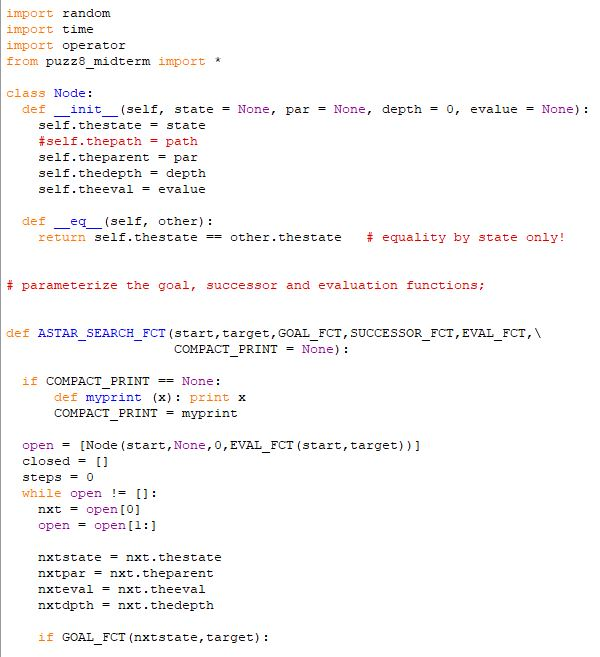
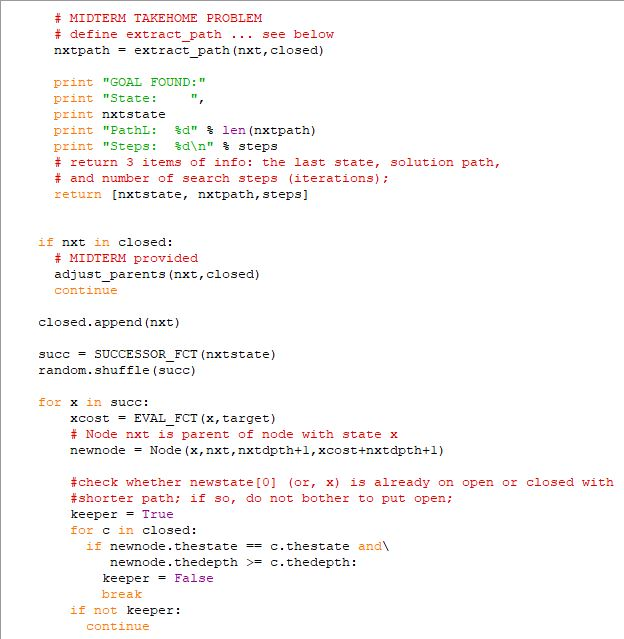
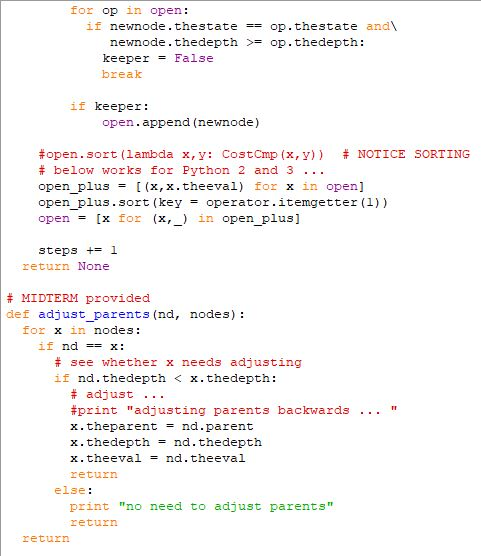
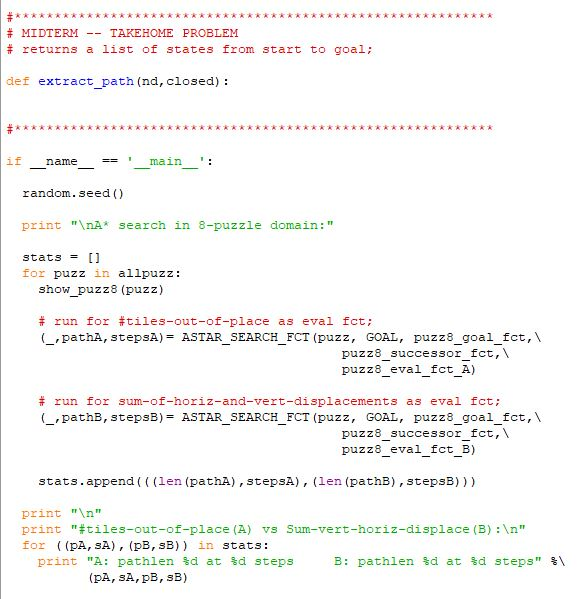
Question: astar_midterm.py ************************************************************************************************************************************************* puzz8_midterm.py **************************************************************************************************************************************************** TH-2: Complete function extract path(,) in file astar-midterm.py. This function takes two arguments, the last state from open (which matches the

astar_midterm.py
*************************************************************************************************************************************************
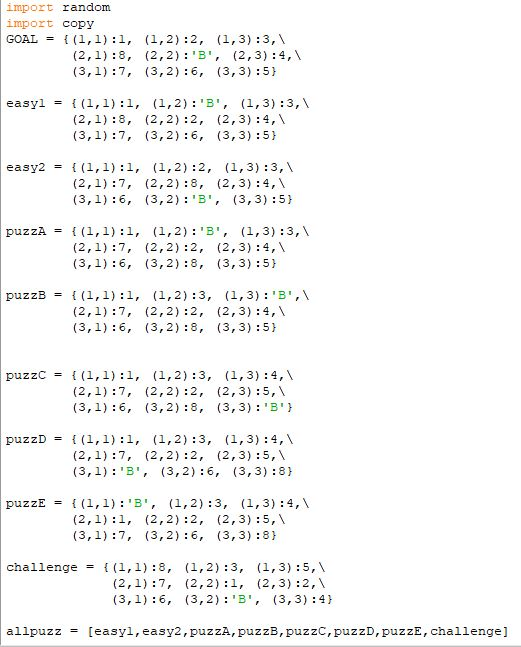
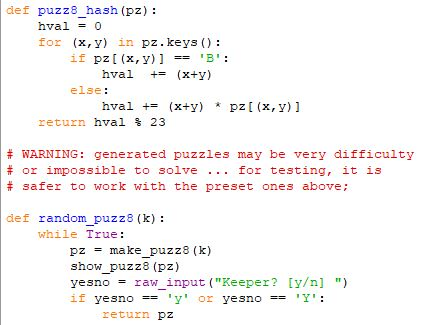
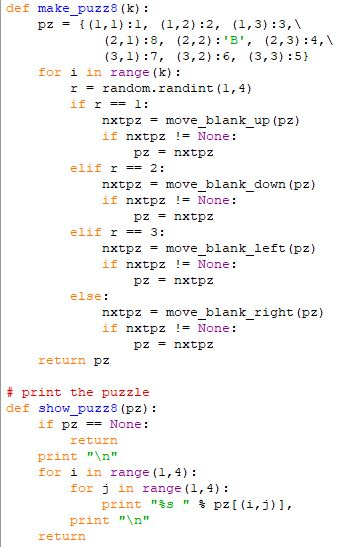
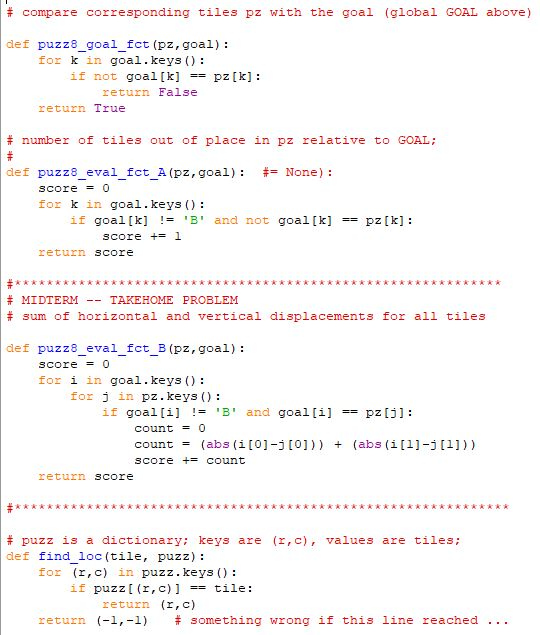
puzz8_midterm.py
![[nxtstate, nxtpath, steps] if nxt in closed: # MIDTERM provided adjust parents](https://s3.amazonaws.com/si.experts.images/answers/2024/07/66a74f4d4c494_84466a74f4cb4818.jpg)
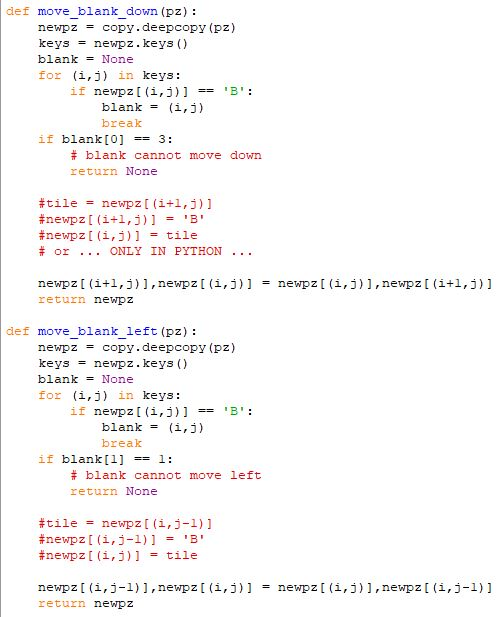
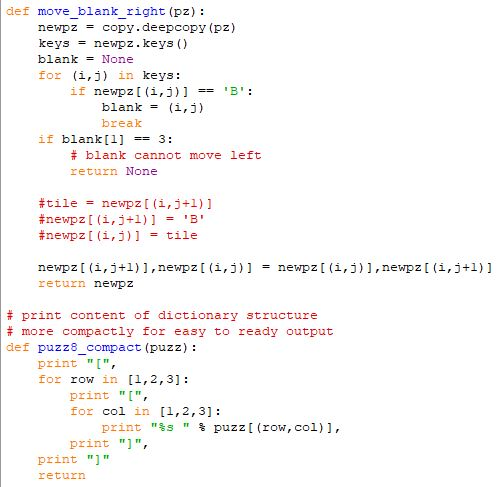
****************************************************************************************************************************************************
TH-2: Complete function extract path(,) in file astar-midterm.py. This function takes two arguments, the last state from open (which matches the goal state) and list of nodes closed. Its purpose is to extract the path between the starting state and the goal state from the nodes stored on closed. # MIDTERM TAKEHOME PROBLEM # define extractpath see below nxtpath extract path (nxt, closed) - print GOAL FOUND: " print "State: print nxtstate print "PathL : %d" % len(nxtpath) print "Steps: %d " % steps # return 3 items of info: the last state, solution path, # and number of search steps (iterations); return [nxtstate, nxtpath, steps] if nxt in closed: # MIDTERM provided adjust parents (nxt, closed) continue closed.append (nxt) succ SUCCESSOR FCT (nxtstate) random. shuffle (succ) for x in succ: xcost = EVAL FCT(x, target) # Node nxt is parent of node with state x newnodeNode (x,nxt, nxtdpth+1,xcosttnxtdpth+1) #check whether news tate [0] (or, x) is already on open or closed with #shorter path; if so, do not bother to put open; keeper = True for c in closed: if newnode.thestate == c.the state and\ newnode.thedepth > c.thedepth: keeper = False break if not keeper: continue for op in open: if newnode.thestateop.thestate and newnode.thedepth > op.thedepth: keeperFalse break if keeper: open.append (newnode) #open. sort (lambda x,y: CostCmp(x,y)) # NOTICE SORTING # below works for Python 2 and 3 open_plus [ (x,x.theeval) for x in open] open plus.sort (key operator.itemgetter (1)) open = [x for (x, ) in open plus] steps 1 return None # MIDTERM provided def adjust_parents (nd, nodes): for x in nodes: if nd =-x: # see whether x needs adjusting if nd.thedepth
Step by Step Solution
There are 3 Steps involved in it

Get step-by-step solutions from verified subject matter experts
 Study Help