



Question: Background: Set the scene: background information, relevant facts, and the most important issues and Demonstrate that you have researched the problems in this case study.
Background: Set the scene: background information, relevant facts, and the most important issues and Demonstrate that you have researched the problems in this case study. I just need the back ground for this case study. Thanks! 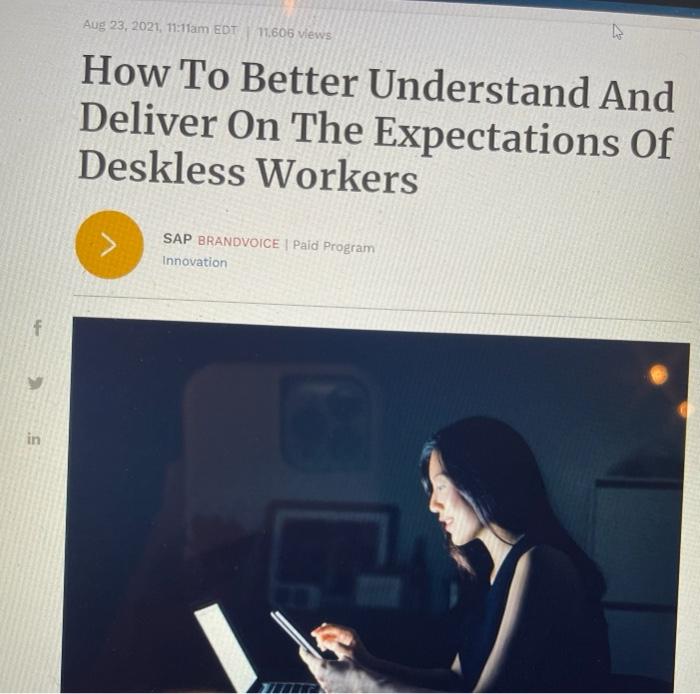
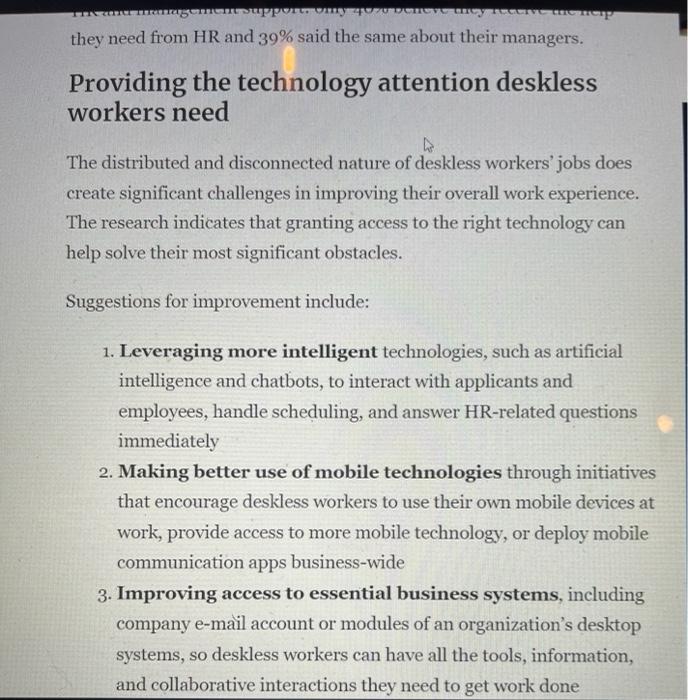
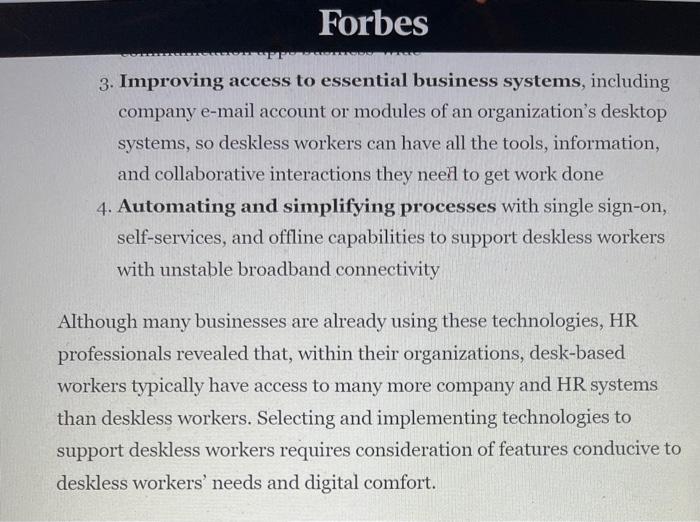
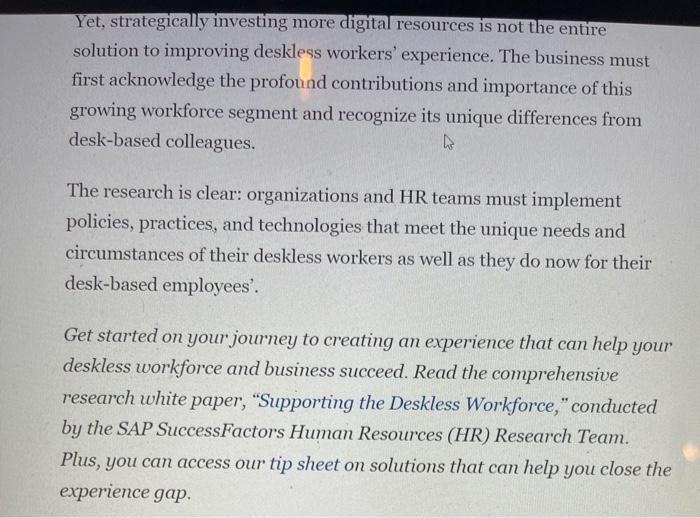
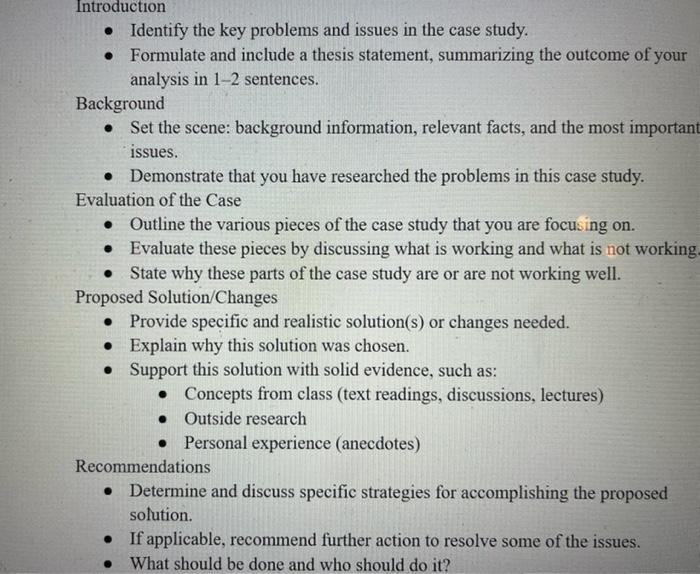
Aug 23, 2021, 11:11am EDT 11,606 views How To Better Understand And Deliver On The Expectations of Deskless Workers SAP BRANDVOICE Paid Program Innovation f in Lauren S. Park, PhD. pplied Organizational and Quantitative Psychologist, SAP Though deskless workers make up the majority of the global workforce, HR organizations continue to struggle with managing and engaging the unique needs of this population. New research from SAP SuccessFactors reveals what business leaders should know about their deskless workers and how to support them personally and professionally. It is an unfortunate truth that not all workers are treated the same, and organizations are rightfully focusing on different workplace experiences based on demographic differences or internal versus external designation. However, little attention is paid to the stark discrepancie in the employee experience between desk-based and deskless workers, according to the recent study, "Supporting the Deskless Workforce." a Deskless workers are employees who complete their work tasks away from a desk or company headquarters and lack consistent access to technology. It is important to note that this growing workforce segment does not include employees who work from home or other remote locations. In most cases, deskless workers do not have the consistent access to internal enterprise systems and communication technology that their remote and desk-based counterparts have. *The deskless workforce rej "esents one of the most challenging employee populations for organizations, and particularly HR, to support," said Jill Popelka, SAP SuccessFactors President. "Because of these challenges, the deskless worker is often left out of important organizational initiatives or development opportunities. Improving their experience is not the product of a single intervention. It requires a multifaceted approach of knowledge gathering, information sharing, and continuous transformation." Breaking through the "us" versus "them mentality a Through a series of interviews with HR leaders and functional managers and surveys of 3,000 deskless and desk-based workers, this research uncovered a lack of prioritization, resources, and satisfying work experiences for the deskless worker. This disparity fuels an "us" versus "them" mentality - also referred to as a "two-tier workforce" in recent SAP SuccessFactors, The Society for Human Resource Management (SHRM) and Oxford Economics research - that strains the underlying foundation of workplace cohesion and culture. - Interviewed HR professionals confirmed this perception, noting the presence of a two-class system of people: those who are connected to the underlying foundation of workplace cohesion and culture. Interviewed HR professionals confirmed this perception, noting the presence of a two-class system of people: those who are connected to the company (desk-based workers) and those who are not (deskless workers). D Although supporting a deskless workforce is difficult compared to desk- based workers due to their location, the most common challenges that HR leaders and managers face are even more complex. Interviewed HR professionals cited communicating with deskless workers and keeping them connected and engaged as top challenges. Meanwhile, managers of deskless workers feel unable to adequately manage deskless workers in terms of their performance, development, well-being, and engagement. Because of these challenges, deskless workers may feel that their employer views them as disposable and temporary. Our research suggests that this sentiment is indeed pervasive. Surveys of deskless workers indicated that only 41% are engaged at work and 55% are highly satisfied. Contributing to their negative employee experience is a perceived lack of HR and management support: only 40% believe they receive the help they need from HR and 39% said the same about their managers. Providing the technology attention deskless workers need umuporomon Go they need from HR and 39% said the same about their managers. Providing the technology attention deskless workers need The distributed and disconnected nature of deskless workers' jobs does create significant challenges in improving their overall work experience. The research indicates that granting access to the right technology can help solve their most significant obstacles. Suggestions for improvement include: 1. Leveraging more intelligent technologies, such as artificial intelligence and chatbots, to interact with applicants and employees, handle scheduling, and answer HR-related questions immediately 2. Making better use of mobile technologies through initiatives that encourage deskless workers to use their own mobile devices at work, provide access to more mobile technology, or deploy mobile communication apps business-wide 3. Improving access to essential business systems, including company e-mail account or modules of an organization's desktop systems, so deskless workers can have all the tools, information, and collaborative interactions they need to get work done Forbes OTT VNS 3. Improving access to essential business systems, including company e-mail account or modules of an organization's desktop systems, so deskless workers can have all the tools, information, and collaborative interactions they need to get work done 4. Automating and simplifying processes with single sign-on, self-services, and offline capabilities to support deskless workers with unstable broadband connectivity Although many businesses are already using these technologies, HR professionals revealed that, within their organizations, desk-based workers typically have access to many more company and HR systems than deskless workers. Selecting and implementing technologies to support deskless workers requires consideration of features conducive to deskless workers' needs and digital comfort. Yet, strategically investing more digital resources is not the entire solution to improving deskless workers' experience. The business must first acknowledge the profound contributions and importance of this growing workforce segment and recognize its unique differences from desk-based colleagues. The research is clear: organizations and HR teams must implement policies, practices, and technologies that meet the unique needs and circumstances of their deskless workers as well as they do now for their desk-based employees'. Get started on your journey to creating an experience that can help your deskless workforce and business succeed. Read the comprehensive research white paper, "Supporting the Deskless Workforce," conducted by the SAP SuccessFactors Human Resources (HR) Research Team. Plus, you can access our tip sheet on solutions that can help you close the experience gap. a Introduction Identify the key problems and issues in the case study. Formulate and include a thesis statement, summarizing the outcome of your analysis in 1-2 sentences. Background Set the scene: background information, relevant facts, and the most important issues. Demonstrate that you have researched the problems in this case study. Evaluation of the Case Outline the various pieces of the case study that you are focusing on. Evaluate these pieces by discussing what is working and what is not working. State why these parts of the case study are or are not working well. Proposed Solution Changes Provide specific and realistic solution(s) or changes needed. Explain why this solution was chosen. Support this solution with solid evidence, such as: Concepts from class (text readings, discussions, lectures) Outside research Personal experience anecdotes) Recommendations Determine and discuss specific strategies for accomplishing the proposed solution. If applicable, recommend further action to resolve some of the issues. What should be done and who should do it
Step by Step Solution
There are 3 Steps involved in it
1 Expert Approved Answer
Step: 1 Unlock

Question Has Been Solved by an Expert!
Get step-by-step solutions from verified subject matter experts
Step: 2 Unlock
Step: 3 Unlock