







Question: Based on the given information below, please answer questions (1-4) accurately and in great detail. Thumbs up guaranteed. 1. Which of the following is the
Based on the given information below, please answer questions (1-4) accurately and in great detail. Thumbs up guaranteed.
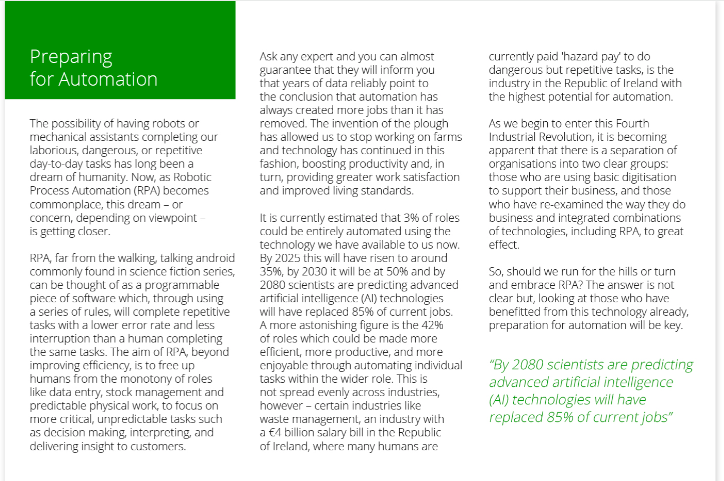
1. Which of the following is the largest number of jobs that could theoretically be within the software industry at present, based on the information available?
a) 400,000
b) 900,000
c) 1,200,000
d) 1,500,000
e) 1,800,000
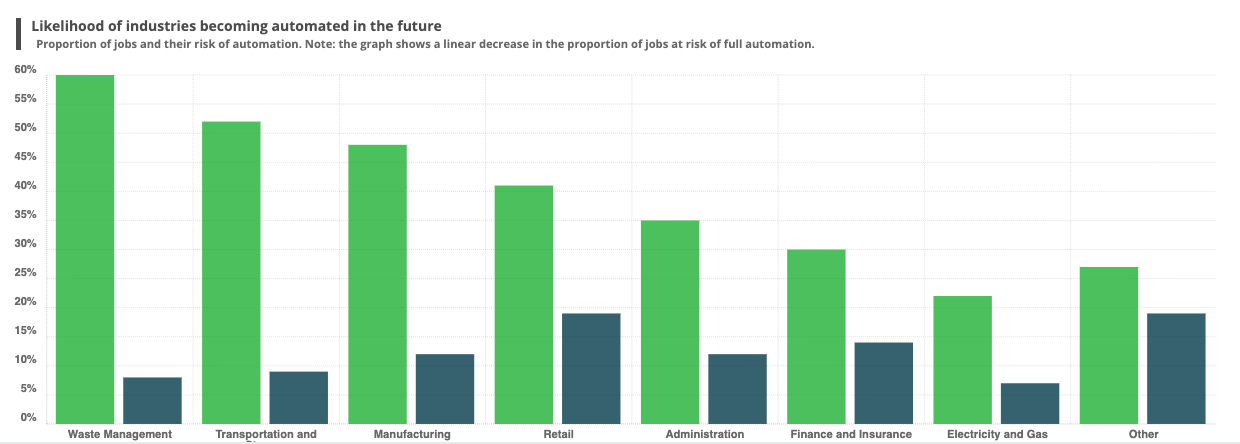
2. What timescale is the title of the graph in source 4 most likely to be referring to when it says Future?
a) 2021
b) 2029
c) 2031
d) 2050
e) 2080
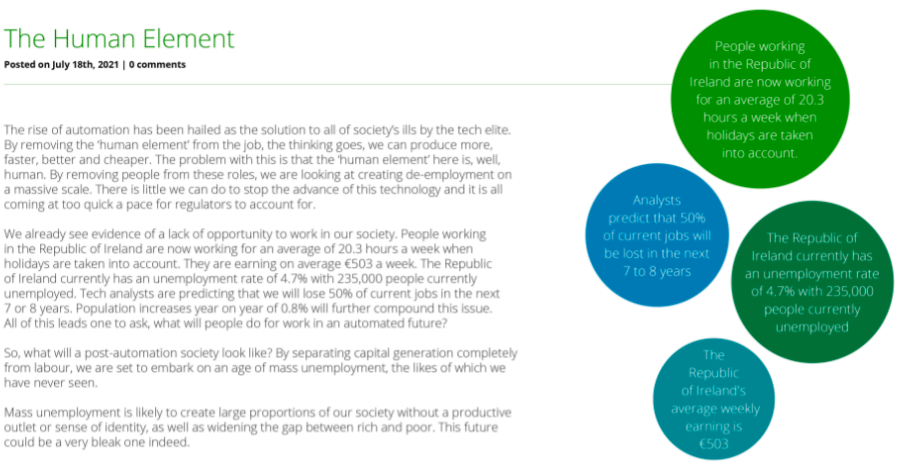
3. How does Source 2 most strongly show its point of view?
a) Interpretation of statistics
b) The choice of title
c) Choice of timeframes discussed
d) Choice of language
e) Choice of language and interpretation of statistics
4. According to Source 1, which of the following time periods will have the largest annual average increase in the percentage of jobs that could be fully automated? (Note: Assume the current year is 2021)
a) 2021-2019
b) 2029-2031
c) 2030-2035
d) 2035-2040
e) 2040-2050
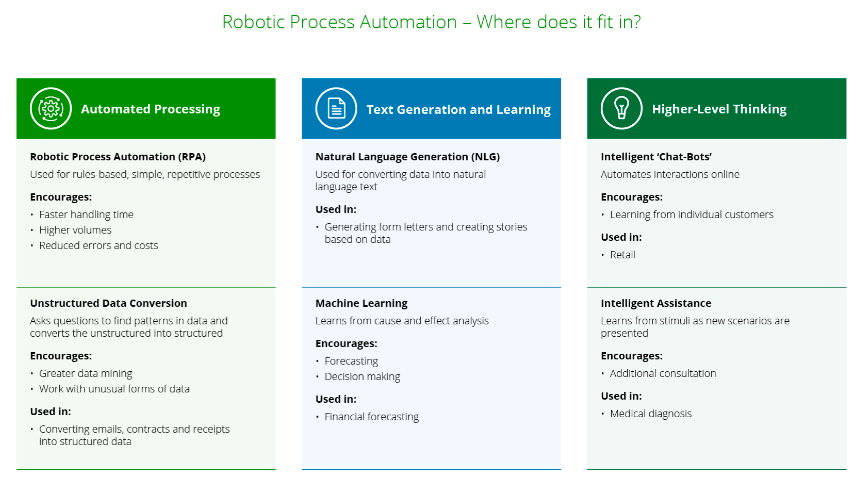
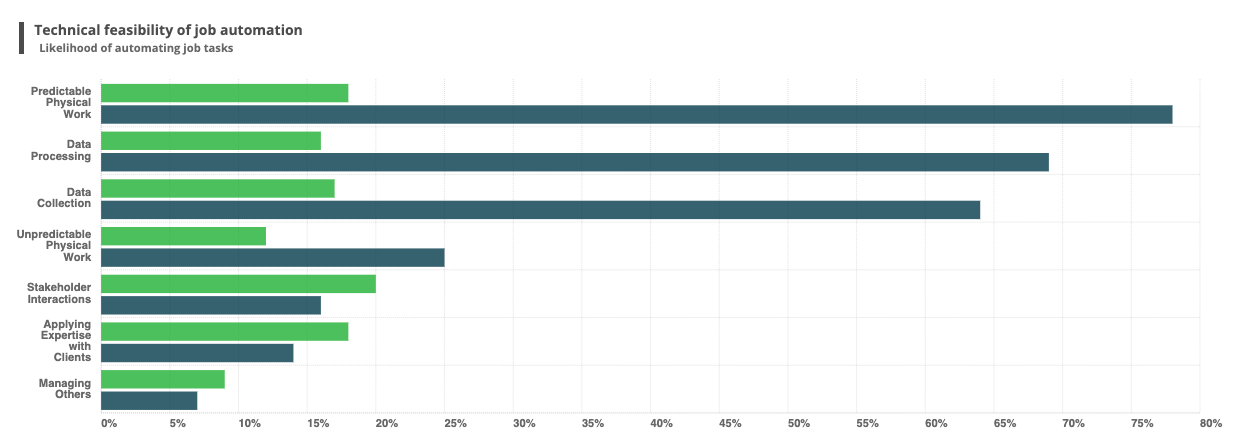
The rise of automation has been hailed as the solution to all of society's ills by the tech elite. By removing the 'human element' from the job, the thinking goes, we can produce more, faster, better and cheaper. The problem with this is that the 'human element' here is, well, human. By removing people from these roles, we are looking at creating de-employment on a massive scale. There is little we can do to stop the advance of this technology and it is all coming at too quick a pace for regulators to account for. We already see evidence of a lack of opportunity to work in our society. People working in the Republic of Ireland are now working for an average of 20.3 hours a week when holidays are taken into account. They are earning on average 503 a week. The Republic of Ireland currently has an unemployment rate of 4.7% with 235,000 people currently unemployed. Tech analysts are predicting that we will lose 50% of current jobs in the next 7 or 8 years. Population increases year on year of 0.8% will further compound this issue. All of this leads one to ask, what will people do for work in an automated future? So, what will a post-automation society look like? By separating capital generation completely from labour, we are set to embark on an age of mass unemployment, the likes of which we have never seen. Mass unemployment is likely to create large proportions of our society without a productive outlet or sense of identity, as well as widening the gap between rich and poor. This future could be a very bleak one indeed. Robotic Process Automation - Where does it fit in? Text Generation and Learning Higher-Level Thinking Likelihood of industries becoming automated in the future Proportion of jobs and their risk of automation. Note: the graph shows a linear decrease in the proportion of jobs at risk of full automation. Technical feasibilitv of iob automation
Step by Step Solution
There are 3 Steps involved in it

Get step-by-step solutions from verified subject matter experts
 Study Help