







Question: below is my project charter.. i need integration ,scope plan and wbs(from level 1 to 4) below is my project charter, I need Integration ,scope
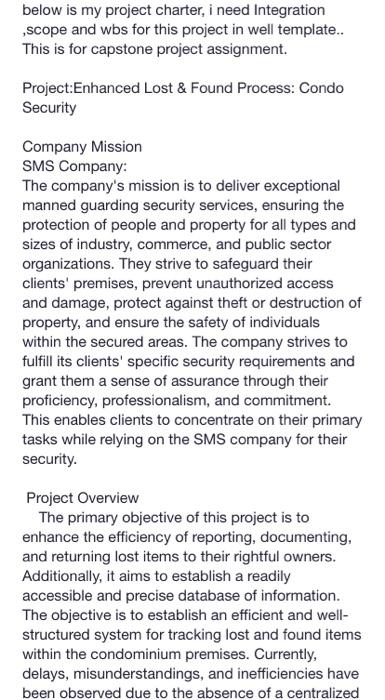
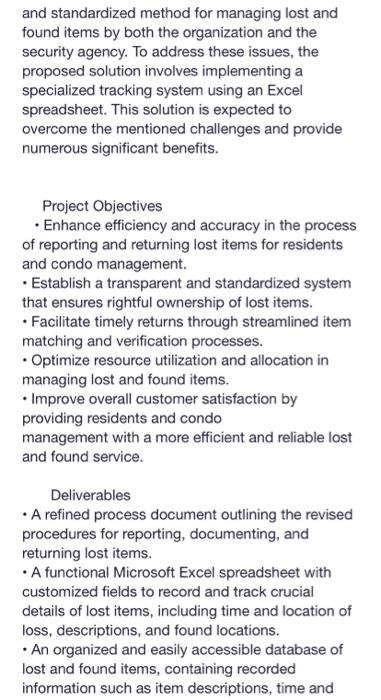
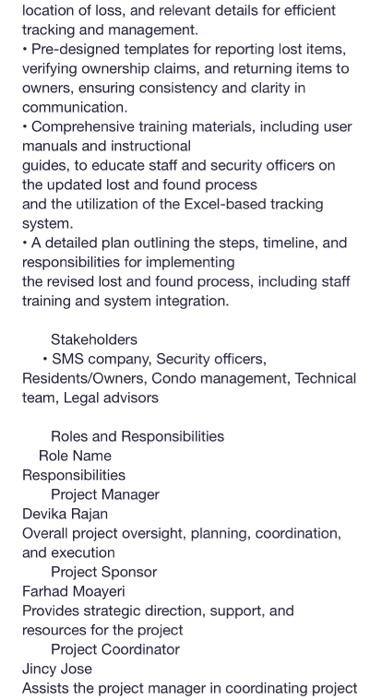
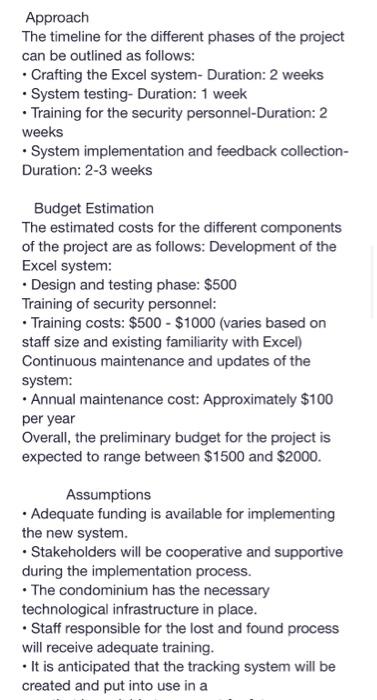
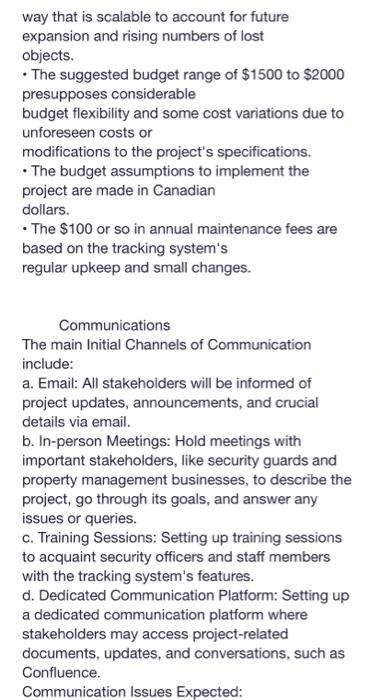
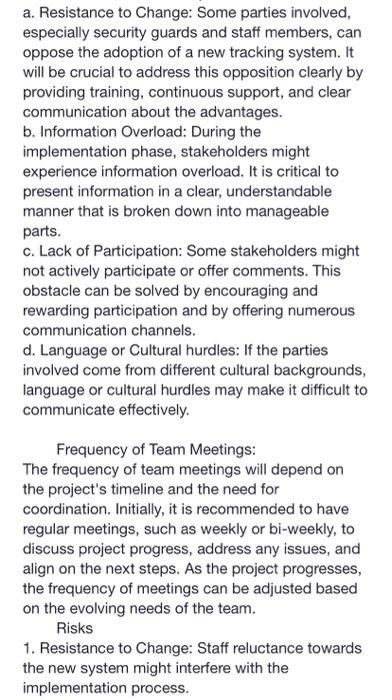
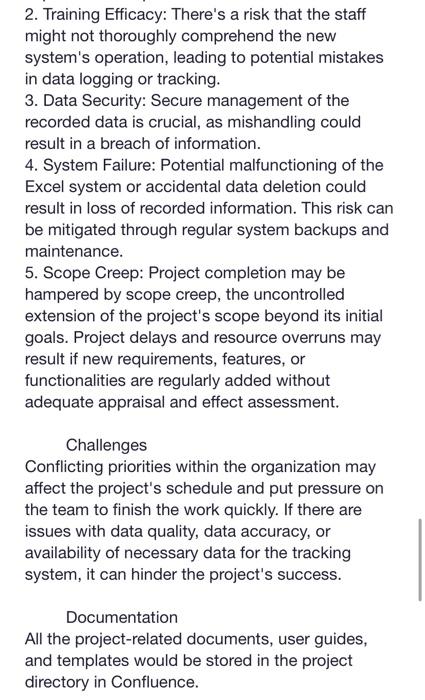
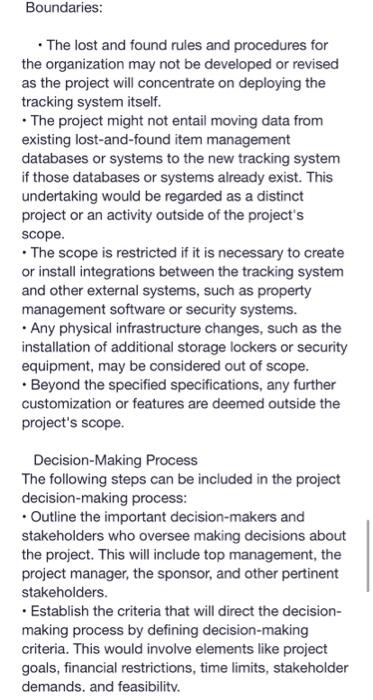
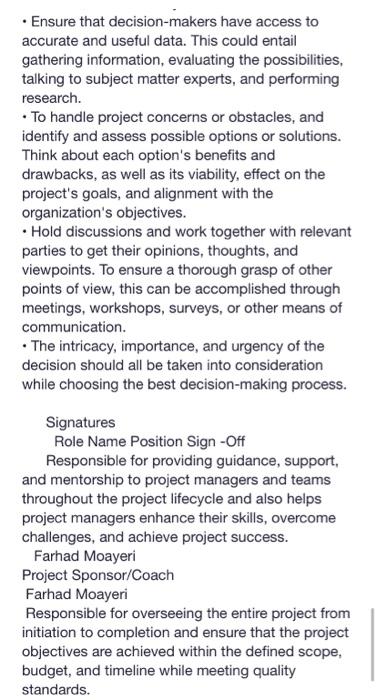
below is my project charter, I need Integration ,scope and wbs for this project in well template.. This is for capstone project assignment. Project:Enhanced Lost \& Found Process: Condo Security Company Mission SMS Company: The company's mission is to deliver exceptional manned guarding security services, ensuring the protection of people and property for all types and sizes of industry, commerce, and public sector organizations. They strive to safeguard their clients' premises, prevent unauthorized access and damage, protect against theft or destruction of property, and ensure the safety of individuals within the secured areas. The company strives to fulfill its clients' specific security requirements and grant them a sense of assurance through their proficiency, professionalism, and commitment. This enables clients to concentrate on their primary tasks while relying on the SMS company for their security. Project Overview The primary objective of this project is to enhance the efficiency of reporting, documenting, and returning lost items to their rightful owners. Additionally, it aims to establish a readily accessible and precise database of information. The objective is to establish an efficient and wellstructured system for tracking lost and found items within the condominium premises. Currently, delays, misunderstandings, and inefficiencies have been observed due to the absence of a centralized and standardized method for managing lost and found items by both the organization and the security agency. To address these issues, the proposed solution involves implementing a specialized tracking system using an Excel spreadsheet. This solution is expected to overcome the mentioned challenges and provide numerous significant benefits. Project Objectives - Enhance efficiency and accuracy in the process of reporting and returning lost items for residents and condo management. - Establish a transparent and standardized system that ensures rightful ownership of lost items. - Facilitate timely returns through streamlined item matching and verification processes. - Optimize resource utilization and allocation in managing lost and found items. - Improve overall customer satisfaction by providing residents and condo management with a more efficient and reliable lost and found service. Deliverables - A refined process document outlining the revised procedures for reporting, documenting, and returning lost items. - A functional Microsoft Excel spreadsheet with customized fields to record and track crucial details of lost items, including time and location of loss, descriptions, and found locations. - An organized and easily accessible database of lost and found items, containing recorded location of loss, and relevant details for efficient tracking and management. - Pre-designed templates for reporting lost items, verifying ownership claims, and returning items to owners, ensuring consistency and clarity in communication. - Comprehensive training materials, including user manuals and instructional guides, to educate staff and security officers on the updated lost and found process and the utilization of the Excel-based tracking system. - A detailed plan outlining the steps, timeline, and responsibilities for implementing the revised lost and found process, including staff training and system integration. Stakeholders - SMS company, Security officers, Residents/Owners, Condo management, Technical team, Legal advisors Roles and Responsibilities Role Name Responsibilities Project Manager Devika Rajan Overall project oversight, planning, coordination, and execution Project Sponsor Farhad Moayeri Provides strategic direction, support, and resources for the project Project Coordinator Jincy Jose Assists the project manager in coordinating project Approach The timeline for the different phases of the project can be outlined as follows: - Crafting the Excel system- Duration: 2 weeks - System testing- Duration: 1 week - Training for the security personnel-Duration: 2 weeks - System implementation and feedback collectionDuration: 2-3 weeks Budget Estimation The estimated costs for the different components of the project are as follows: Development of the Excel system: - Design and testing phase: $500 Training of security personnel: - Training costs: $500 - $1000 (varies based on staff size and existing familiarity with Excel) Continuous maintenance and updates of the system: - Annual maintenance cost: Approximately $100 per year Overall, the preliminary budget for the project is expected to range between $1500 and $2000. Assumptions - Adequate funding is available for implementing the new system. - Stakeholders will be cooperative and supportive during the implementation process. - The condominium has the necessary technological infrastructure in place. - Staff responsible for the lost and found process will receive adequate training. - It is anticipated that the tracking system will be created and put into use in a way that is scalable to account for future expansion and rising numbers of lost objects. - The suggested budget range of $1500 to $2000 presupposes considerable budget flexibility and some cost variations due to unforeseen costs or modifications to the project's specifications. - The budget assumptions to implement the project are made in Canadian dollars. - The $100 or so in annual maintenance fees are based on the tracking system's regular upkeep and small changes. Communications The main Initial Channels of Communication include: a. Email: All stakeholders will be informed of project updates, announcements, and crucial details via email. b. In-person Meetings: Hold meetings with important stakeholders, like security guards and property management businesses, to describe the project, go through its goals, and answer any issues or queries. c. Training Sessions: Setting up training sessions to acquaint security officers and staff members with the tracking system's features. d. Dedicated Communication Platform: Setting up a dedicated communication platform where stakeholders may access project-related documents, updates, and conversations, such as Confluence. Communication Issues Expected: a. Resistance to Change: Some parties involved, especially security guards and staff members, can oppose the adoption of a new tracking system. It will be crucial to address this opposition clearly by providing training, continuous support, and clear communication about the advantages. b. Information Overload: During the implementation phase, stakeholders might experience information overload. It is critical to present information in a clear, understandable manner that is broken down into manageable parts. c. Lack of Participation: Some stakeholders might not actively participate or offer comments. This obstacle can be solved by encouraging and rewarding participation and by offering numerous communication channels. d. Language or Cultural hurdles: If the parties involved come from different cultural backgrounds, language or cultural hurdles may make it difficult to communicate effectively. Frequency of Team Meetings: The frequency of team meetings will depend on the project's timeline and the need for coordination. Initially, it is recommended to have regular meetings, such as weekly or bi-weekly, to discuss project progress, address any issues, and align on the next steps. As the project progresses, the frequency of meetings can be adjusted based on the evolving needs of the team. Risks 1. Resistance to Change: Staff reluctance towards the new system might interfere with the implementation process. 2. Training Efficacy: There's a risk that the staff might not thoroughly comprehend the new system's operation, leading to potential mistakes in data logging or tracking. 3. Data Security: Secure management of the recorded data is crucial, as mishandling could result in a breach of information. 4. System Failure: Potential malfunctioning of the Excel system or accidental data deletion could result in loss of recorded information. This risk can be mitigated through regular system backups and maintenance. 5. Scope Creep: Project completion may be hampered by scope creep, the uncontrolled extension of the project's scope beyond its initial goals. Project delays and resource overruns may result if new requirements, features, or functionalities are regularly added without adequate appraisal and effect assessment. Challenges Conflicting priorities within the organization may affect the project's schedule and put pressure on the team to finish the work quickly. If there are issues with data quality, data accuracy, or availability of necessary data for the tracking system, it can hinder the project's success. Documentation All the project-related documents, user guides, and templates would be stored in the project directory in Confluence. Boundaries: - The lost and found rules and procedures for the organization may not be developed or revised as the project will concentrate on deploying the tracking system itself. - The project might not entail moving data from existing lost-and-found item management databases or systems to the new tracking system if those databases or systems already exist. This undertaking would be regarded as a distinct project or an activity outside of the project's scope. - The scope is restricted if it is necessary to create or install integrations between the tracking system and other external systems, such as property management software or security systems. - Any physical infrastructure changes, such as the installation of additional storage lockers or security equipment, may be considered out of scope. - Beyond the specified specifications, any further customization or features are deemed outside the project's scope. Decision-Making Process The following steps can be included in the project decision-making process: - Outline the important decision-makers and stakeholders who oversee making decisions about the project. This will include top management, the project manager, the sponsor, and other pertinent stakeholders. - Establish the criteria that will direct the decisionmaking process by defining decision-making criteria. This would involve elements like project goals, financial restrictions, time limits, stakeholder demands. and feasibilitv. - Ensure that decision-makers have access to accurate and useful data. This could entail gathering information, evaluating the possibilities, talking to subject matter experts, and performing research. - To handle project concerns or obstacles, and identify and assess possible options or solutions. Think about each option's benefits and drawbacks, as well as its viability, effect on the project's goals, and alignment with the organization's objectives. - Hold discussions and work together with relevant parties to get their opinions, thoughts, and viewpoints. To ensure a thorough grasp of other points of view, this can be accomplished through meetings, workshops, surveys, or other means of communication. - The intricacy, importance, and urgency of the decision should all be taken into consideration while choosing the best decision-making process. Signatures Role Name Position Sign -Off Responsible for providing guidance, support, and mentorship to project managers and teams throughout the project lifecycle and also helps project managers enhance their skills, overcome challenges, and achieve project success. Farhad Moayeri Project Sponsor/Coach Farhad Moayeri Responsible for overseeing the entire project from initiation to completion and ensure that the project objectives are achieved within the defined scope, budget, and timeline while meeting quality standards
Step by Step Solution
There are 3 Steps involved in it

Get step-by-step solutions from verified subject matter experts
 Study Help