



Question: By the time he got back to his office, Mark was fairly confused about some of the comments he had received from several of the
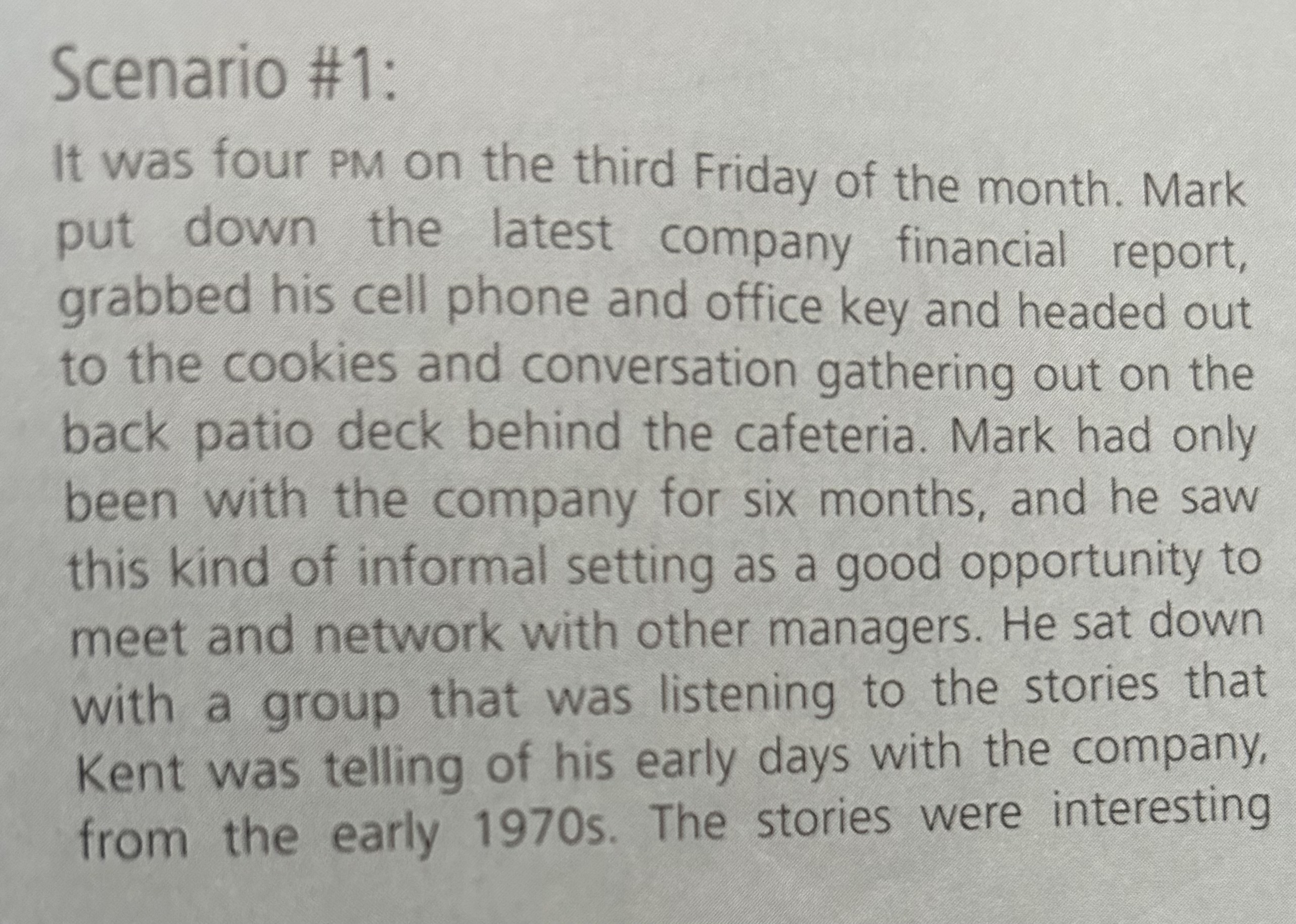
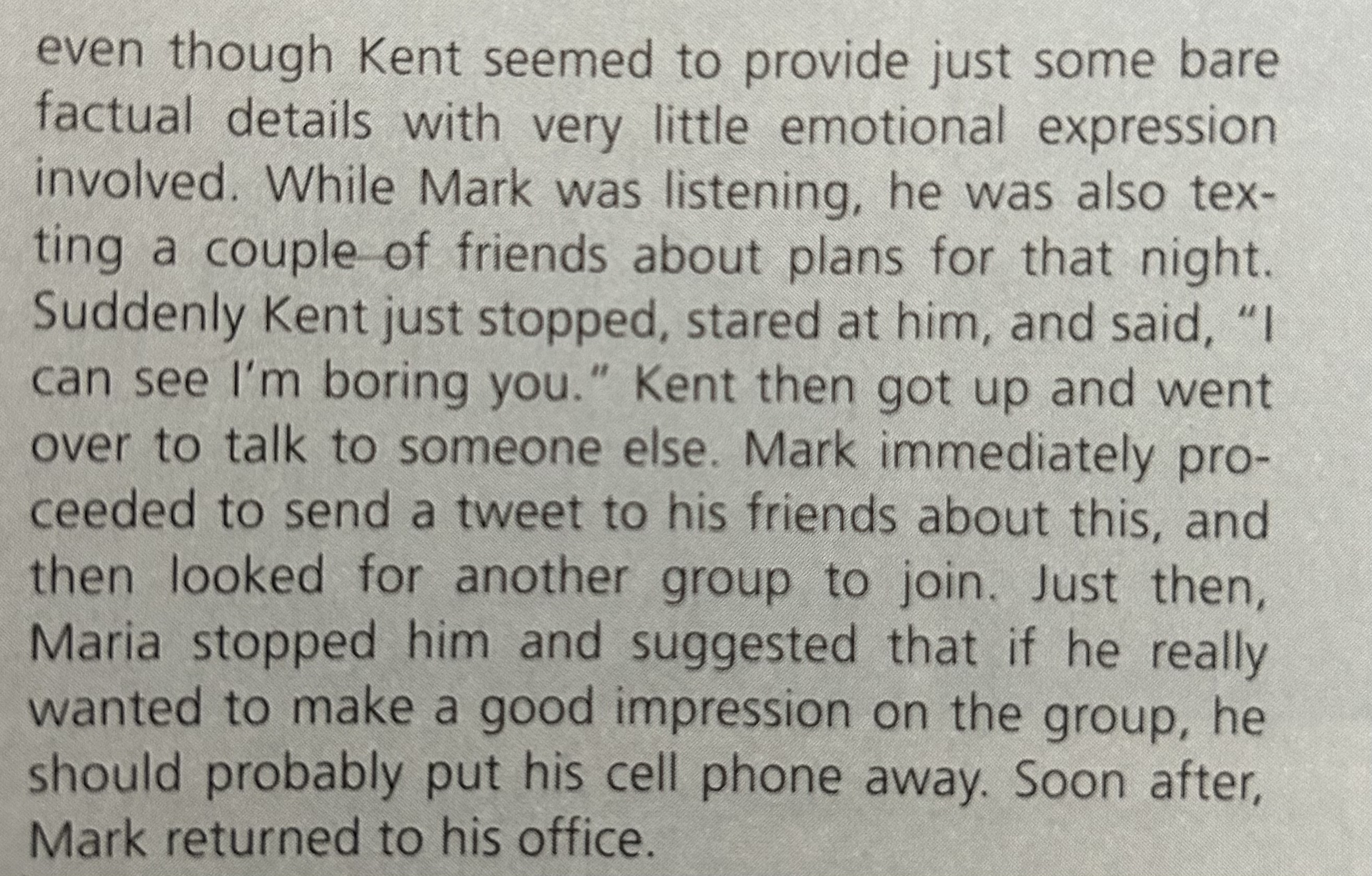
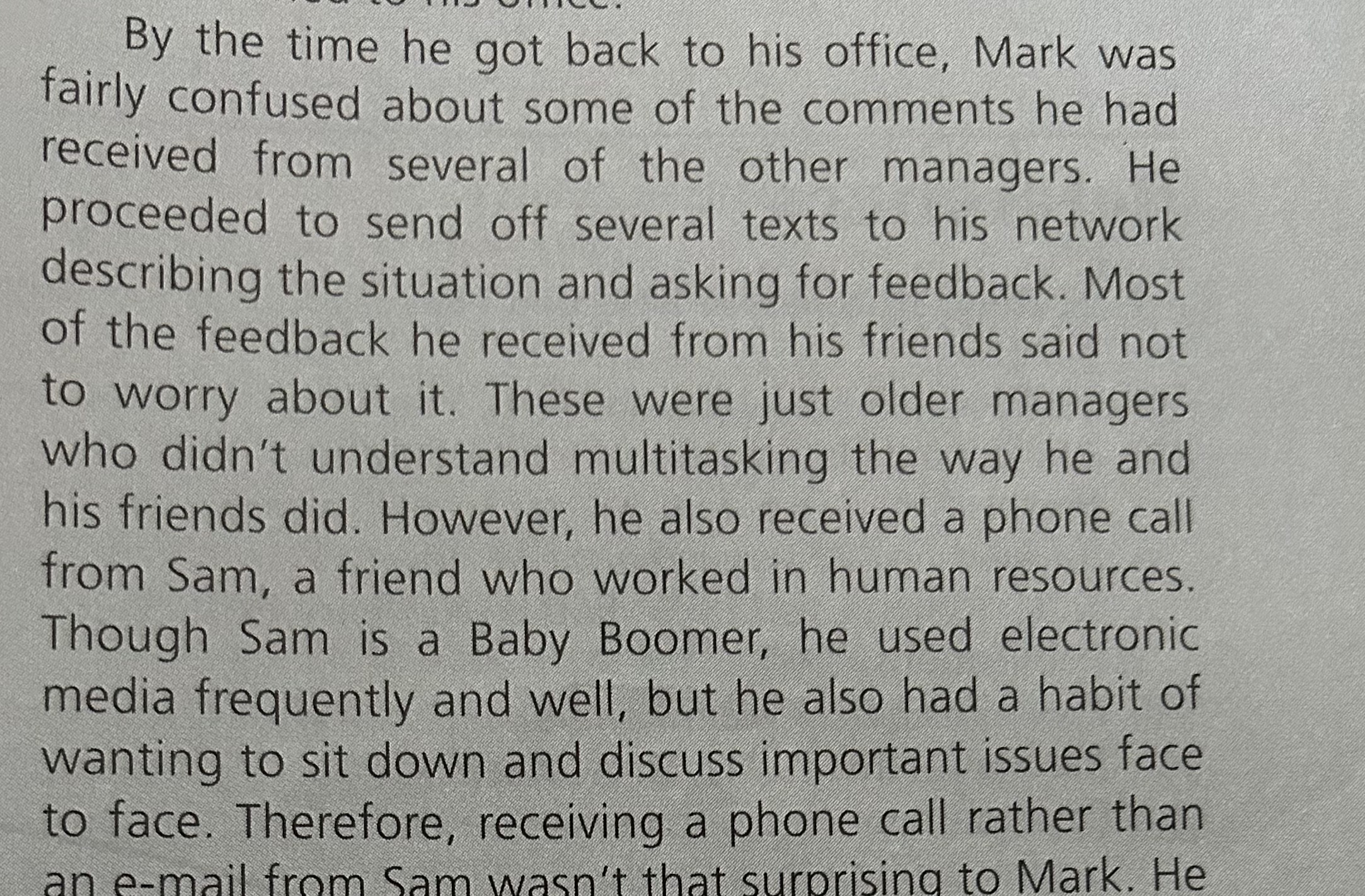
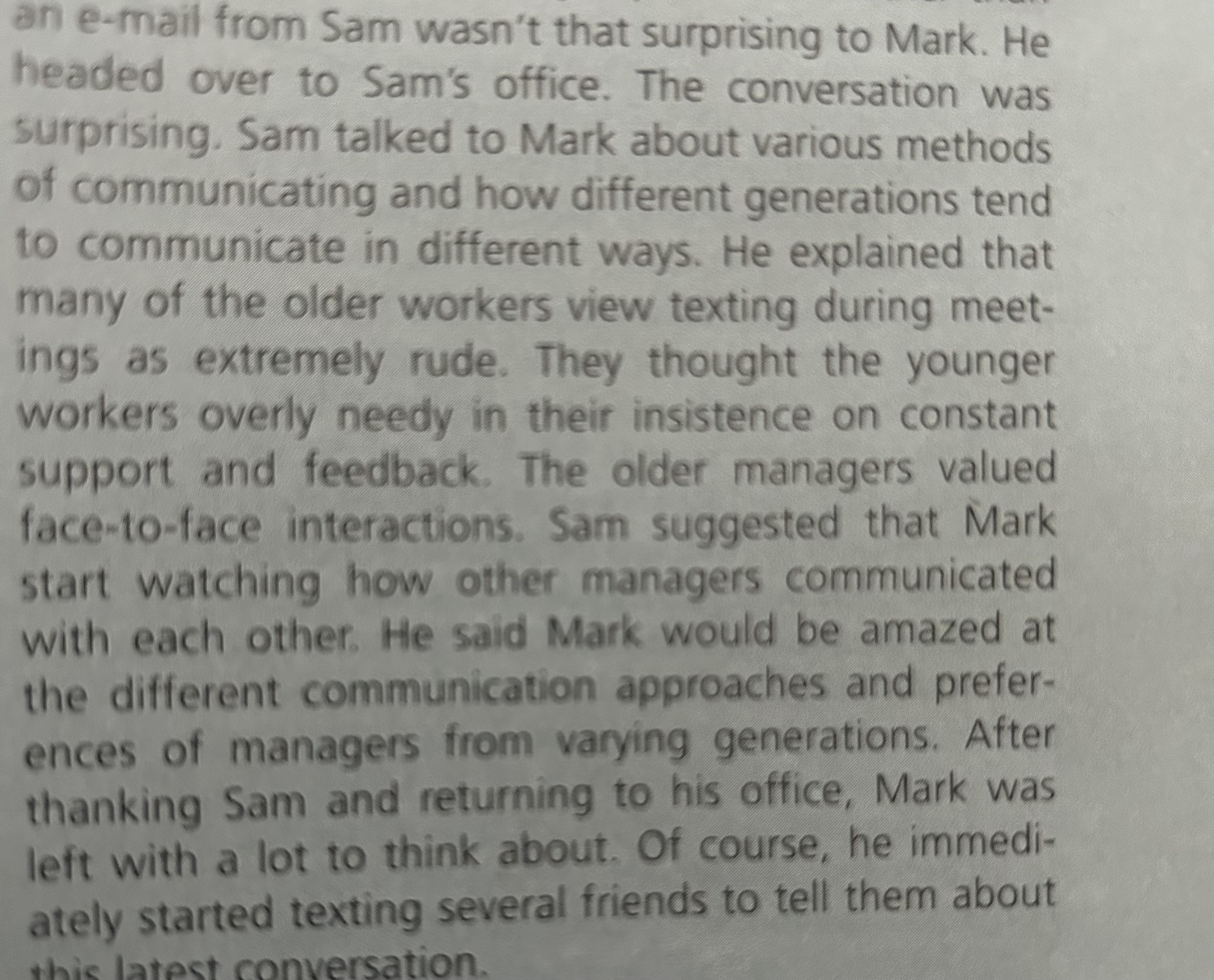
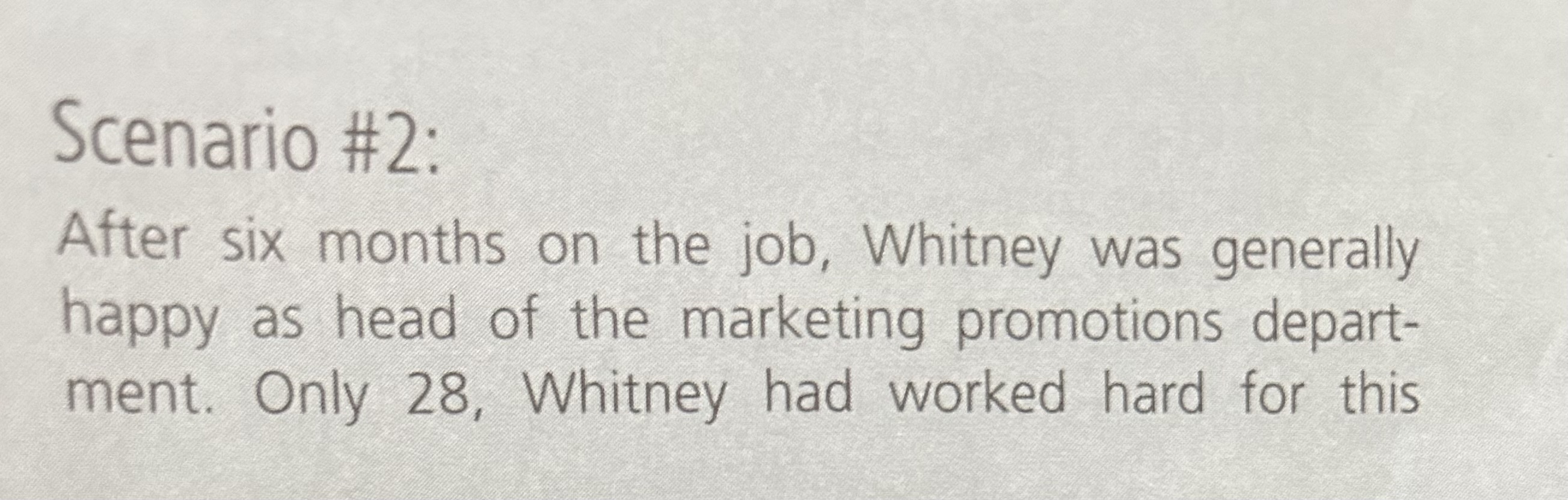
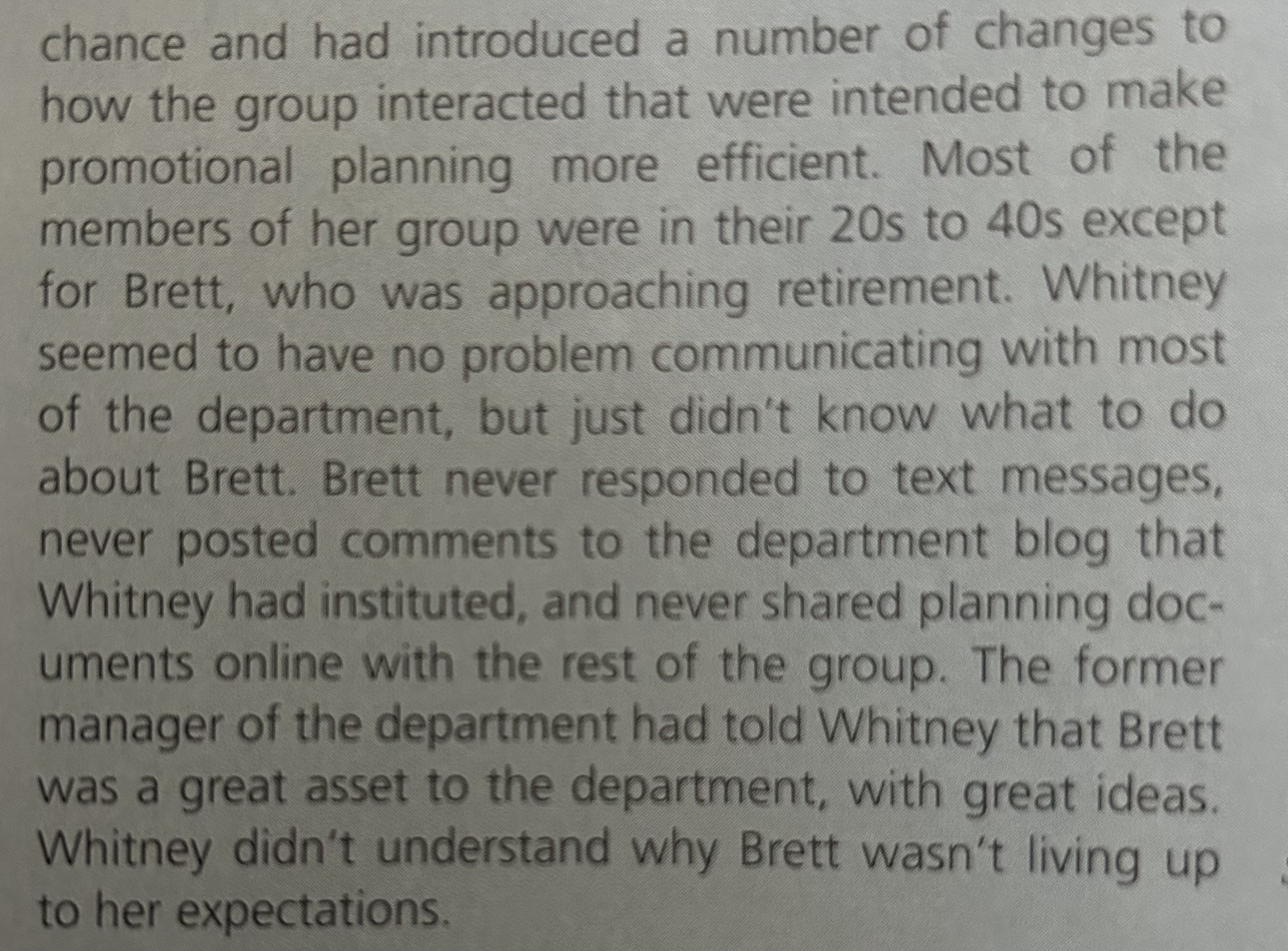
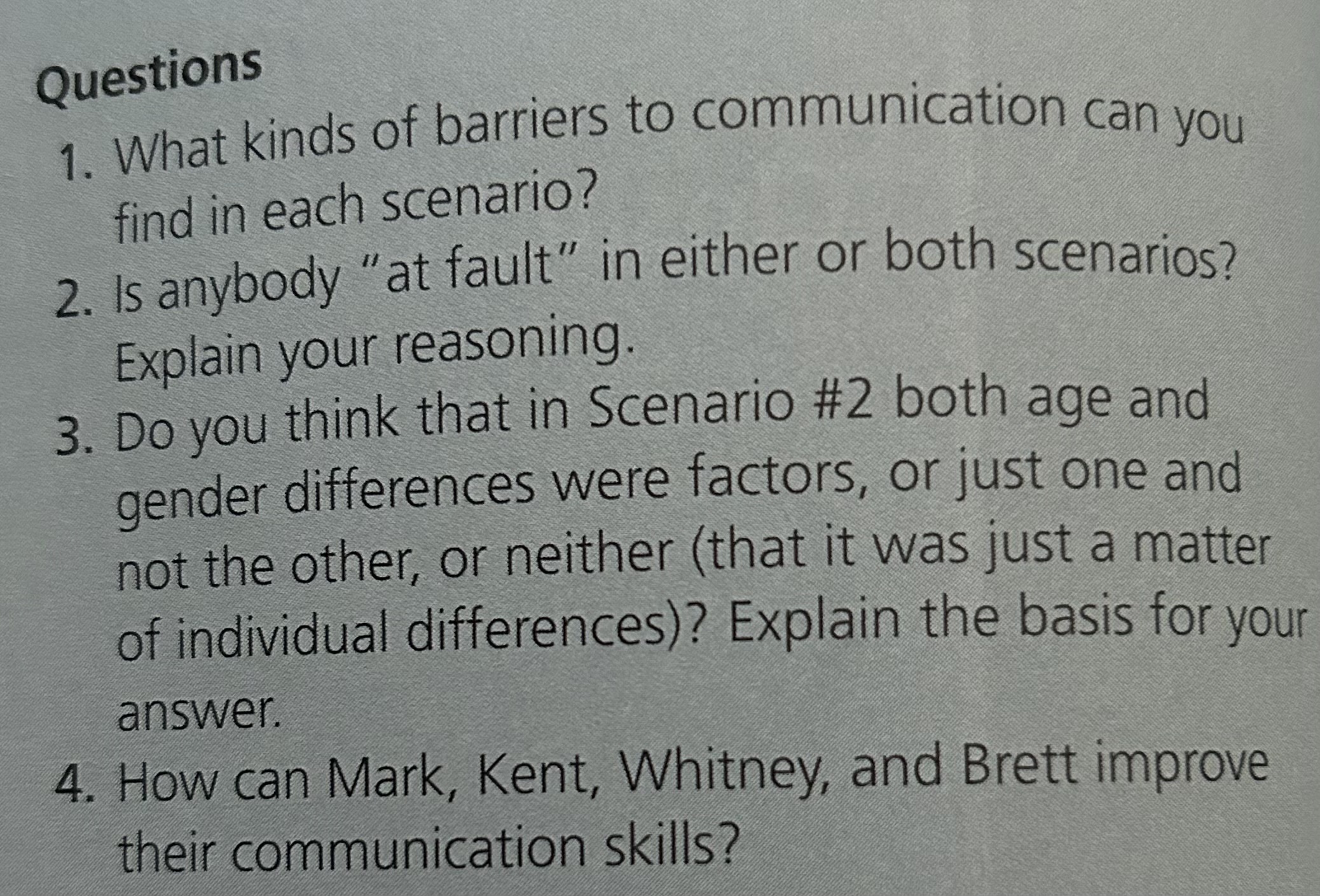
By the time he got back to his office, Mark was fairly confused about some of the comments he had received from several of the other managers. He proceeded to send off several texts to his network describing the situation and asking for feedback. Most of the feedback he received from his friends said not to worry about it. These were just older managers who didn't understand multitasking the way he and his friends did. However, he also received a phone call from Sam, a friend who worked in human resources. Though Sam is a Baby Boomer, he used electronic media frequently and well, but he also had a habit of wanting to sit down and discuss important issues face to face. Therefore, receiving a phone call rather than even though Kent seemed to provide just some bare factual details with very little emotional expression involved. While Mark was listening, he was also texting a couple of friends about plans for that night. Suddenly Kent just stopped, stared at him, and said, "I can see I'm boring you." Kent then got up and went over to talk to someone else. Mark immediately proceeded to send a tweet to his friends about this, and then looked for another group to join. Just then, Maria stopped him and suggested that if he really wanted to make a good impression on the group, he should probably put his cell phone away. Soon after, Mark returned to his office. It was four PM on the third Friday of the month. Mark put down the latest company financial report, grabbed his cell phone and office key and headed out to the cookies and conversation gathering out on the back patio deck behind the cafeteria. Mark had only been with the company for six months, and he saw this kind of informal setting as a good opportunity to meet and network with other managers. He sat down with a group that was listening to the stories that Kent was telling of his early days with the company, from the early 1970 s. The stories were interesting chance and had introduced a number of changes to how the group interacted that were intended to make promotional planning more efficient. Most of the members of her group were in their 20 s to 40 s except for Brett, who was approaching retirement. Whitney seemed to have no problem communicating with most of the department, but just didn't know what to do about Brett. Brett never responded to text messages, never posted comments to the department blog that Whitney had instituted, and never shared planning documents online with the rest of the group. The former manager of the department had told Whitney that Brett was a great asset to the department, with great ideas. Whitney didn't understand why Brett wasn't living up to her expectations. Scenario \#2: After six months on the job, Whitney was generally happy as head of the marketing promotions department. Only 28, Whitney had worked hard for this Questions 1. What kinds of barriers to communication can you find in each scenario? 2. Is anybody "at fault" in either or both scenarios? Explain your reasoning. 3. Do you think that in Scenario \#2 both age and gender differences were factors, or just one and not the other, or neither (that it was just a matter of individual differences)? Explain the basis for you answer. 4. How can Mark, Kent, Whitney, and Brett improve their communication skills? an e-mail from Sam wasn't that surprising to Mark. He headed over to Sam's office. The conversation was surprising. Sam talked to Mark about various methods of communicating and how different generations tend to communicate in different ways. He explained that many of the older workers view texting during meetings as extremely rude. They thought the younger workers overly needy in their insistence on constant support and feedback. The older managers valued face-to-face interactions. Sam suggested that Mark start watching how other managers communicated with each other. He said Mark would be amazed at the different communication approaches and preferences of managers from varying generations. After thanking Sam and returning to his office, Mark was left with a lot to think about. Of course, he immediately started texting several friends to tell them about
Step by Step Solution
There are 3 Steps involved in it
1 Barriers to Communication in Each Scenario Scenario 1 Marks Situation with Kent Generational Differences There is a clear communication gap between Mark younger and Kent older Mark is multitasking t... View full answer

Get step-by-step solutions from verified subject matter experts