







Question: C++ problem Please help me with it. Thank you. the output would be like this: 10-20 with sequence 10 - 30 no sequence: this is
C++ problem
Please help me with it. Thank you.
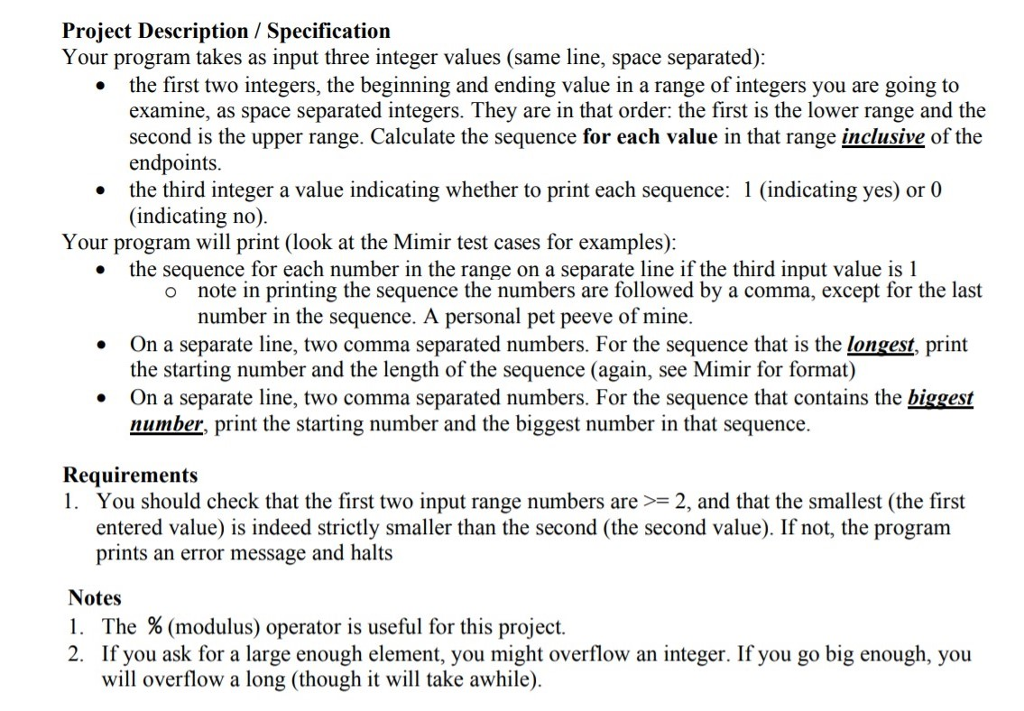
the output would be like this:
| 10-20 with sequence
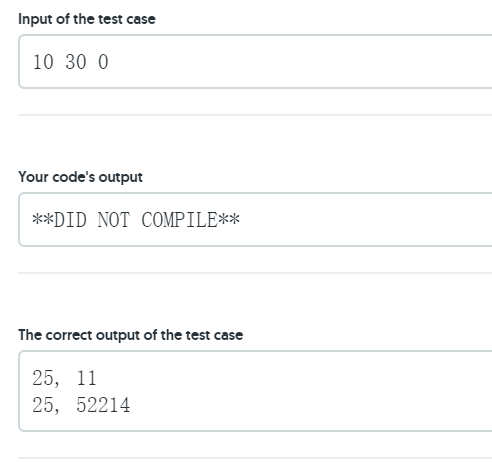
10 - 30 no sequence:
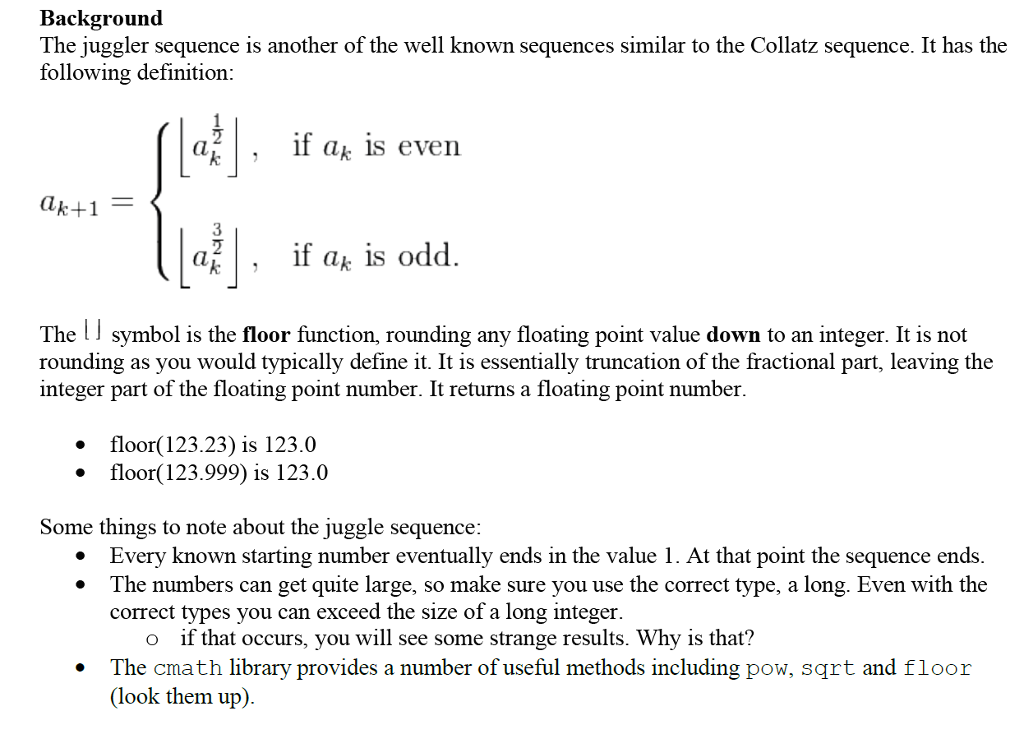
this is the background:
|
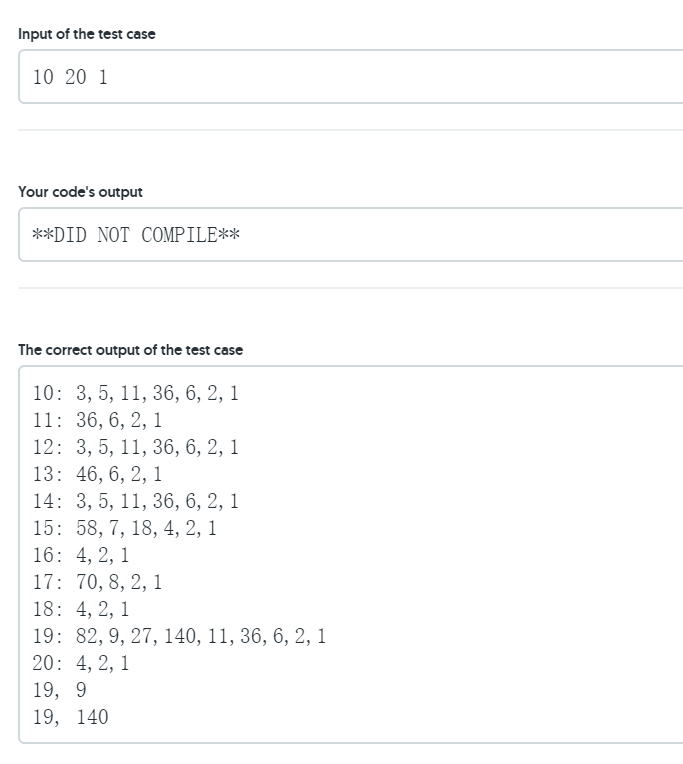
Project Description / Specification Your program takes as input three integer values (same line, space separated) the first two integers, the beginning and ending value in a range of integers you are going to examine, as space separated integers. They are in that order: the first is the lower range and the second is the upper range. Calculate the sequence for each value in that range inclusive of the endpoints the third integer a value indicating whether to print each sequence: 1 (indicating yes) or 0 (indicating no) * Your program will print (look at the Mimir test cases for examples) the sequence for each number in the range on a separate line if the third input value is 1 . note in printing the sequence the numbers are followed by a comma, except for the last number in the sequence. A personal pet peeve of mine. o On a separate line, two comma separated numbers. For the sequence that is the longest, print the starting number and the length of the sequence (again, see Mimir for format) On a separate line, two comma separated numbers. For the sequence that contains the biggest number, print the starting number and the biggest number in that sequence. . Requirements I. You should check that the first two input range numbers are >= 2, and that the smallest (the first entered value) is indeed strictly smaller than the second (the second value). If not, the program prints an error message and halts Notes I. The % (modulus) operator is useful for this project 2. If you ask for a large enough element, you might overflow an integer. If you go big enough, you will overflow a long (though it will take awhile)
Step by Step Solution
There are 3 Steps involved in it

Get step-by-step solutions from verified subject matter experts
 Study Help