







Question: Case Study: Doha Digit Inc. is a tech startup that has developed a new software product for project management. The company has conducted market research
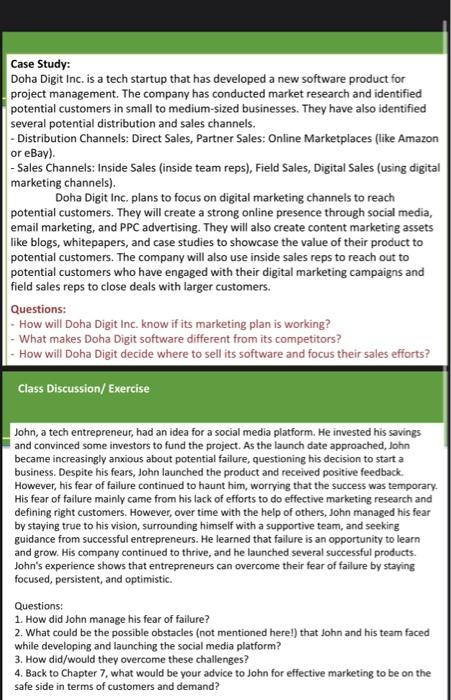
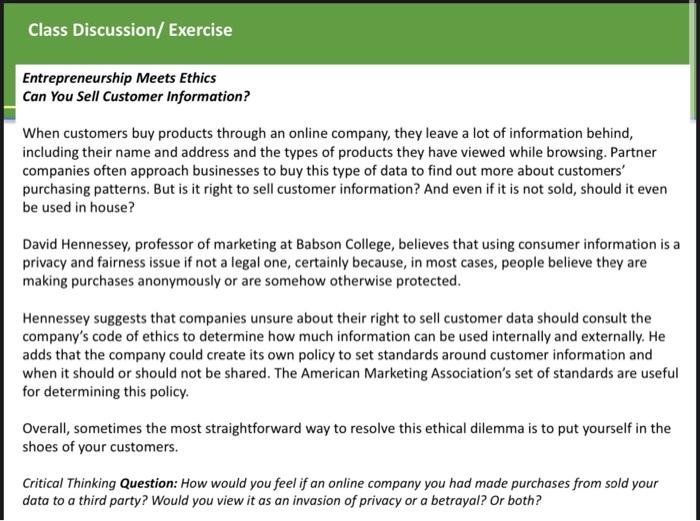
Case Study: Doha Digit Inc. is a tech startup that has developed a new software product for project management. The company has conducted market research and identified potential customers in small to medium-sized businesses. They have also identified several potential distribution and sales channels. - Distribution Channels: Direct Sales, Partner Sales: Online Marketplaces (like Amazon or eBay). - Sales Channels: Inside Sales (inside team reps), Field Sales, Digital Sales (using digital marketing channels). Doha Digit Inc. plans to focus on digital marketing channels to reach potential customers. They will create a strong online presence through social media, email marketing, and PPC advertising. They will also create content marketing assets like blogs, whitepapers, and case studies to showcase the value of their product to potential customers. The company will also use inside sales reps to reach out to potential customers who have engaged with their digital marketing campaigns and field sales reps to close deals with larger customers. Questions: - How will Doha Digit Inc. know if its marketing plan is working? - What makes Doha Digit software different from its competitors? - How will Doha Digit decide where to sell its software and focus their sales efforts? Class Discussion/ Exercise John, a tech entrepreneur, had an idea for a social media platform. He invested his savings and convinced some investors to fund the project. As the launch date approached, John became increasingly anxious about potential failure, questioning his decision to start a business. Despite his fears, John launched the product and received positive feedback. However, his fear of failure continued to haunt him, worrying that the success was temporary. His fear of failure mainly came from his lack of efforts to do effective marketing research and defining right customers. However, over time with the help of others, John managed his fear by staying true to his vision, surrounding himself with a supportive team, and seeking guidance from successful entrepreneurs. He learned that failure is an opportunity to learn and grow. His company continued to thrive, and he launched several successful products. John's experience shows that entrepreneurs can overcome their fear of failure by staying focused, persistent, and optimistic. Questions: 1. How did John manage his fear of failure? 2. What could be the possible obstacles (not mentioned here!) that John and his team faced while developing and launching the social media platform? 3. How did/would they overcome these challenges? 4. Back to Chapter 7 , what would be your advice to John for effective marketing to be on the safe side in terms of customers and demand? Entrepreneurship Meets Ethics Can You Sell Customer Information? When customers buy products through an online company, they leave a lot of information behind, including their name and address and the types of products they have viewed while browsing. Partner companies often approach businesses to buy this type of data to find out more about customers' purchasing patterns. But is it right to sell customer information? And even if it is not sold, should it even be used in house? David Hennessey, professor of marketing at Babson College, believes that using consumer information is a privacy and fairness issue if not a legal one, certainly because, in most cases, people believe they are making purchases anonymously or are somehow otherwise protected. Hennessey suggests that companies unsure about their right to sell customer data should consult the company's code of ethics to determine how much information can be used internally and externally. He adds that the company could create its own policy to set standards around customer information and when it should or should not be shared. The American Marketing Association's set of standards are useful for determining this policy. Overall, sometimes the most straightforward way to resolve this ethical dilemma is to put yourself in the shoes of your customers. Critical Thinking Question: How would you feel if an online company you had made purchases from sold your data to a third party? Would you view it as an invasion of privacy or a betrayal? Or both
Step by Step Solution
There are 3 Steps involved in it

Get step-by-step solutions from verified subject matter experts
 Study Help