







Question: Case Study Project management: the managerial process Taxpayers lose out in transport projects rush Mari an Terri Lachian Fox Australia's state and federal governments have
Case Study
Project management: the managerial process
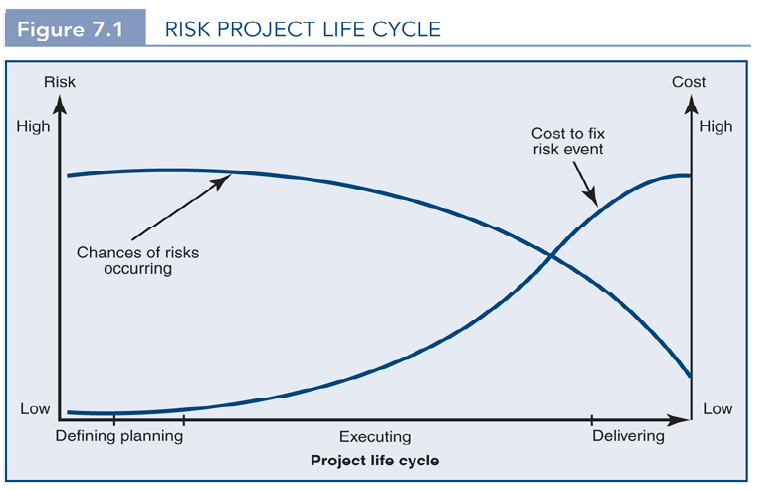
Taxpayers lose out in transport projects rush Mari an Terri\" Lachian Fox Australia's state and federal governments have developed a costly habit of rushing major transport projects to market. The premature decisions are often made for political purposes, but invariably the taxpayer is left to pick up the tab. The pork barrelling and cost blowouts on suburban train station car parks are only the latest example. A recent Auditoreneral report on the selection and funding of car park projects through the $4.8 billion federal Urban Congestion Fund concluded the approach used "was not designed to be open or transparent\The Victorian government failed to notify utilities of the West Gate Tunnel project's status under the Major Transport Projects Facilitation Act 2009. The result has been signicant delays, and cost increases, which have led to arbitration between the government, Transurban, and the construction consortium. In Sydney, the NSW Auditor-General criticised the CBD and South East Light Rail project's "inadequate planning and tight timefra mes", afterthe constmction company claimed the government failed to pass on crucial information about underground conditions. In June 2019, the NSW government paid the contractors an extra $536 million in compensation. The Queensland government rolled out its New Generation Rollingstock trains in December 201?, to meet a timetable dictated by the 2018 Commonwealth Games. 'lhe trains failed to comply with the government' 5 own disability legislation, and ultimately required refitting, at a cost of $361 million. Governments sometimes suggest if they didn't move quickly, nothing would ever get built. But when governments rush it's often unclear whether there is a genuine imperative to build the project. Cost increases caused by rushing to market may mean the costbe net equation used to justify building the project no longer stacks up. As the Grattan Institute has shown, cost overruns are far more likely than cost underruns, and this is particularly the case when projects are rushed. What can be done to break this costly habit of rushing megaprojects to market? Instead of grasping for votes, governments need to assess projects on their merits and only fund those that can withstand scrutiny. Problems often arise due to site conditions, such as contaminated soil. Governments should do better discovery of underground conditions before building, and should certify these results to potential bidders. Where it is economical to reduce future risks and costs, governments should also conduct more early work on sites. Governments have a responsibility to spend public money wisely. Rushing into political projects or "nation building" megaprojects neglects this. To get value for money on transport projects, we need governments to go back to basics plan, prepare, and justify before a shovel hits the dirt. Marion Terrill is the program director and Lachlan Fox is an associate in the Transport and Cities Program at the Grattan Institute. The Age Wednesday 7 July 2021 http:{{digitaledions.5media.oom.au.apl.proxy.openathens.netftheage tod 3 er fault.as x Figure 7.1 RISK PROJECT LIFE CYCLE Risk Cost High Cost to fix High risk event Chances of risks occurring Low Low Defining planning Executing Delivering Project life cycle
Step by Step Solution
There are 3 Steps involved in it

Get step-by-step solutions from verified subject matter experts
 Study Help