







Question: Chapter 9: Applying Excel Data Exhibit 9-8: Standard Cost Card Inputs Direct materials Direct labor Variable manufacturing overhead Standard Quantity 3.0 pounds 0.50 hours 0.50
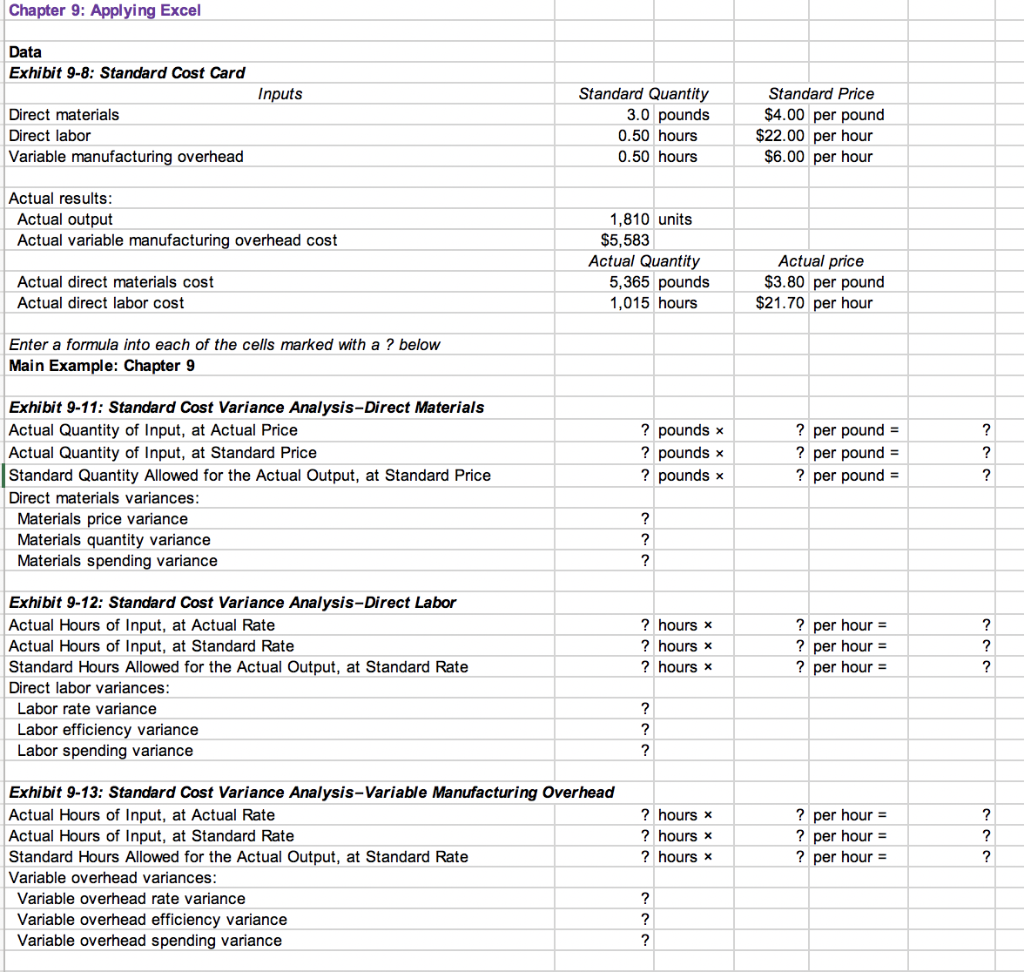
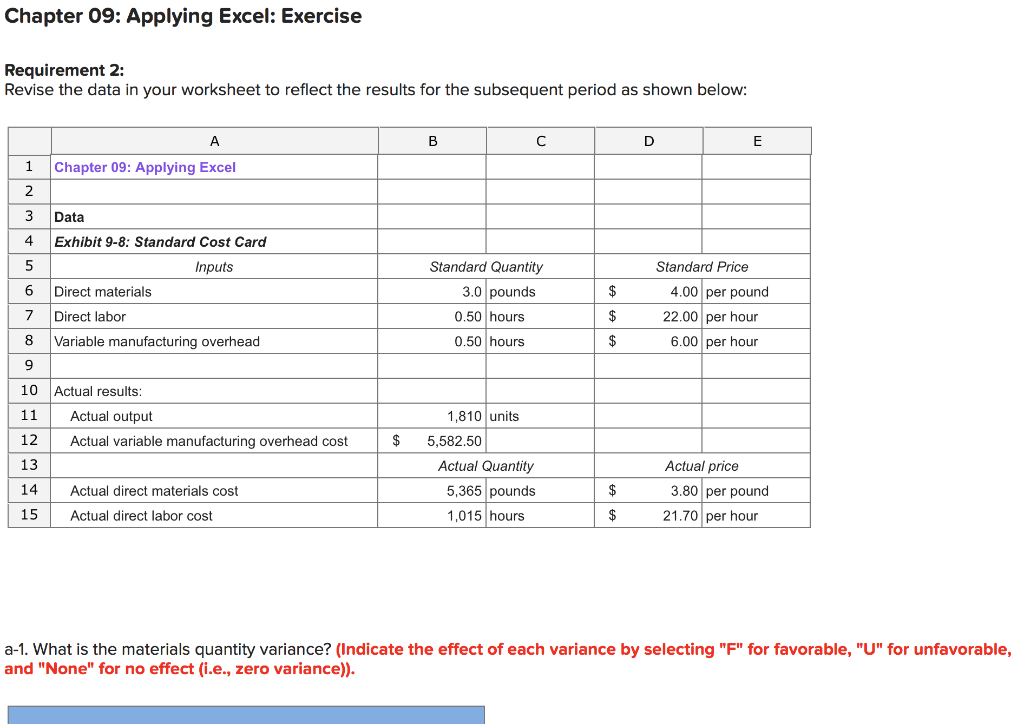
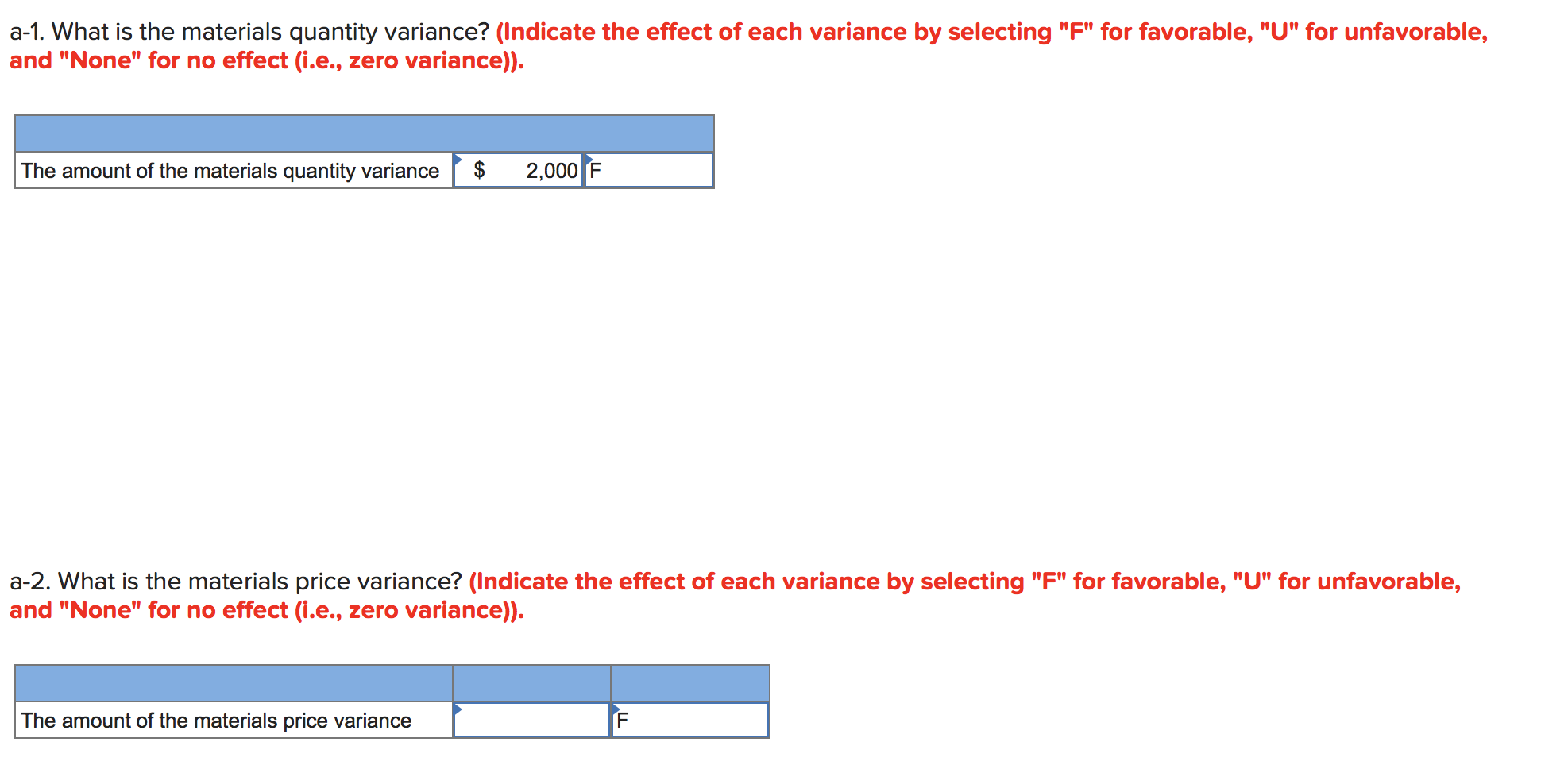
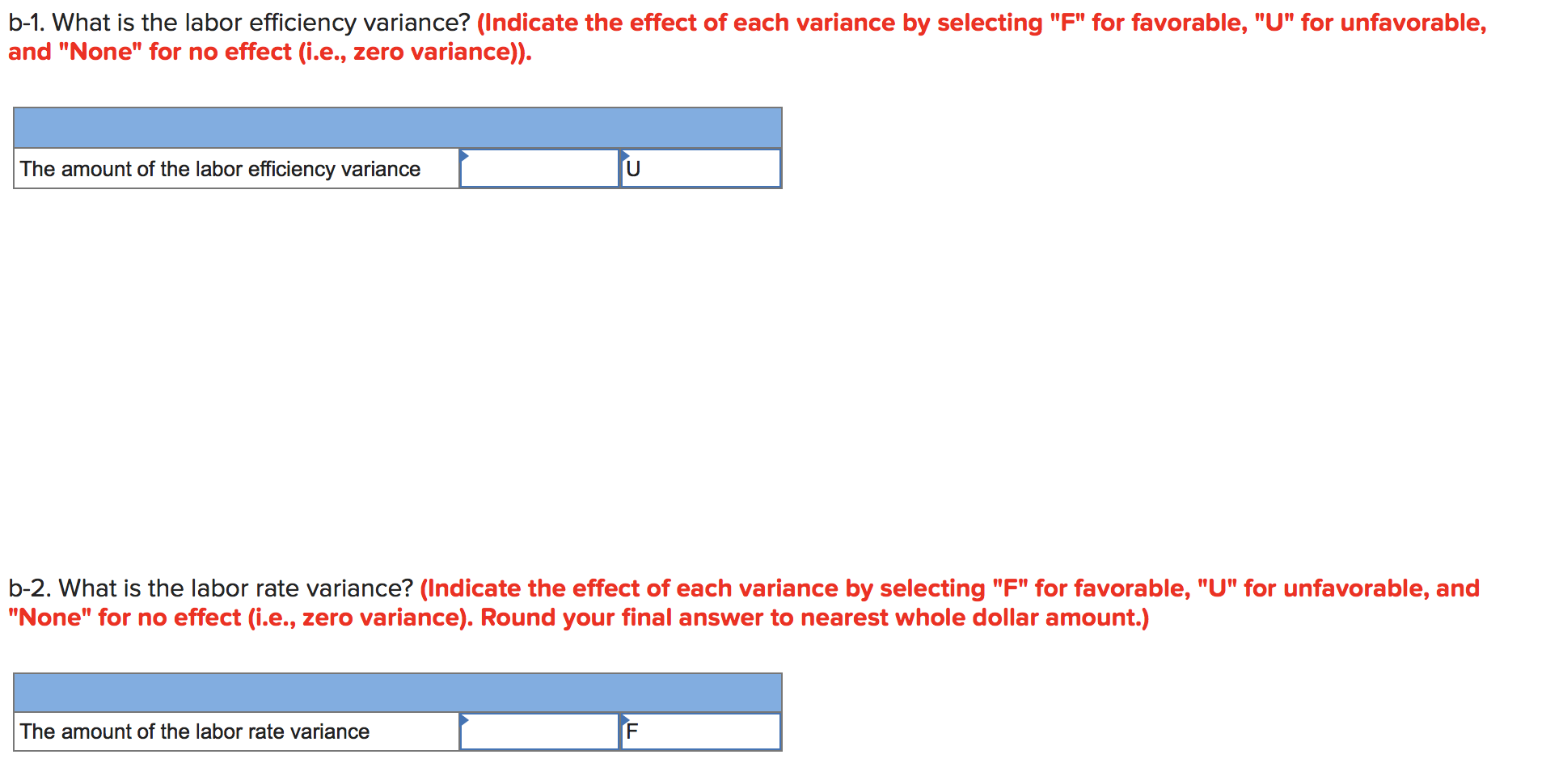
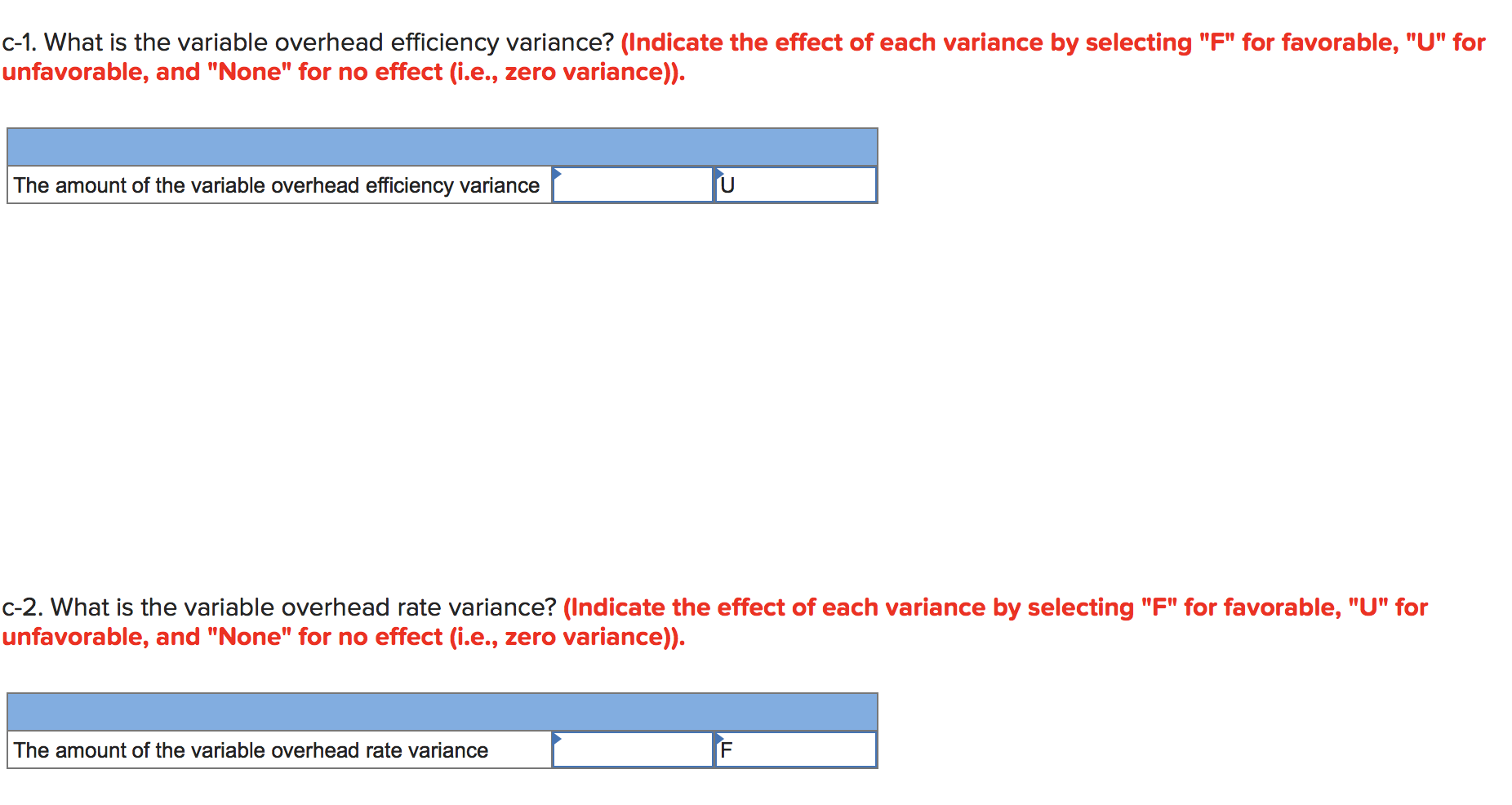
Chapter 9: Applying Excel Data Exhibit 9-8: Standard Cost Card Inputs Direct materials Direct labor Variable manufacturing overhead Standard Quantity 3.0 pounds 0.50 hours 0.50 hours Standard Price $4.00 per pound $22.00 per hour $6.00 per hour Actual results: Actual output Actual variable manufacturing overhead cost 1,810 units $5,583 Actual Quantity 5,365 pounds 1,015 hours Actual direct materials cost Actual direct labor cost Actual price $3.80 per pound $21.70 per hour Enter a formula into each of the cells marked with a ? below Main Example: Chapter 9 ? pounds x ? pounds x ? pounds x ? per pound = ? per pound = ? per pound = ? ? Exhibit 9-11: Standard Cost Variance Analysis-Direct Materials Actual Quantity of Input, at Actual Price Actual Quantity of Input, at Standard Price Standard Quantity Allowed for the Actual Output, at Standard Price Direct materials variances: Materials price variance Materials quantity variance Materials spending variance ? ? ? ? ? hours x ? hours x ? hours ? per hour = ? per hour = ? per hour = ? ? ? Exhibit 9-12: Standard Cost Variance Analysis-Direct Labor Actual Hours of Input, at Actual Rate Actual Hours of Input, at Standard Rate Standard Hours Allowed for the Actual Output, at Standard Rate Direct labor variances: Labor rate variance Labor efficiency variance Labor spending variance ? ? ? ? hours x ? hours ? hours x ? per hour = ? per hour = ? per hour = ? ? ? Exhibit 9-13: Standard Cost Variance Analysis-Variable Manufacturing Overhead Actual Hours of Input, at Actual Rate Actual Hours of Input, at Standard Rate Standard Hours Allowed for the Actual Output, at Standard Rate Variable overhead variances: Variable overhead rate variance Variable overhead efficiency variance Variable overhead spending variance ? ? ? Chapter 09: Applying Excel: Exercise Requirement 2: Revise the data in your worksheet to reflect the results for the subsequent period as shown below: A B D E 1 Chapter 09: Applying Excel 2 3 Data 4 Exhibit 9-8: Standard Cost Card 5 Inputs Standard Price 6 Direct materials Standard Quantity 3.0 pounds 0.50 hours 7 Direct labor $ $ $ 4.00 per pound 22.00 per hour 6.00 per hour 8 Variable manufacturing overhead 0.50 hours 9 10 Actual results: 11 Actual output Actual variable manufacturing overhead cost 12 $ 13 1,810 units 5,582.50 Actual Quantity 5,365 pounds 1,015 hours 14 Actual direct materials cost $ $ Actual price 3.80 per pound 21.70 per hour 15 Actual direct labor cost a-1. What is the materials quantity variance? (Indicate the effect of each variance by selecting "F" for favorable, "U" for unfavorable, and "None" for no effect (i.e., zero variance)). a-1. What is the materials quantity variance? (Indicate the effect of each variance by selecting "F" for favorable, "U" for unfavorable, and "None" for no effect (i.e., zero variance)). The amount of the materials quantity variance 2,000 F a-2. What is the materials price variance? (Indicate the effect of each variance by selecting "F" for favorable, "U" for unfavorable, and "None" for no effect (i.e., zero variance)). The amount of the materials price variance F b-1. What is the labor efficiency variance? (Indicate the effect of each variance by selecting "F" for favorable, "U" for unfavorable, and "None" for no effect (i.e., zero variance)). The amount of the labor efficiency variance U b-2. What is the labor rate variance? (Indicate the effect of each variance by selecting "F" for favorable, "U" for unfavorable, and "None" for no effect (i.e., zero variance). Round your final answer to nearest whole dollar amount.) The amount of the labor rate variance F C-1. What is the variable overhead efficiency variance? (Indicate the effect of each variance by selecting "F" for favorable, "U" for unfavorable, and "None" for no effect (i.e., zero variance)). The amount of the variable overhead efficiency variance U c-2. What is the variable overhead rate variance? (Indicate the effect of each variance by selecting "F" for favorable, "U" for unfavorable, and "None" for no effect (i.e., zero variance)). The amount of the variable overhead rate variance F
Step by Step Solution
There are 3 Steps involved in it

Get step-by-step solutions from verified subject matter experts
 Study Help