







Question: Choose the appropriate term for each definition below. a random variable whose probability density function is portrayed as a horizontal line 1/(b-a) above the horizontal
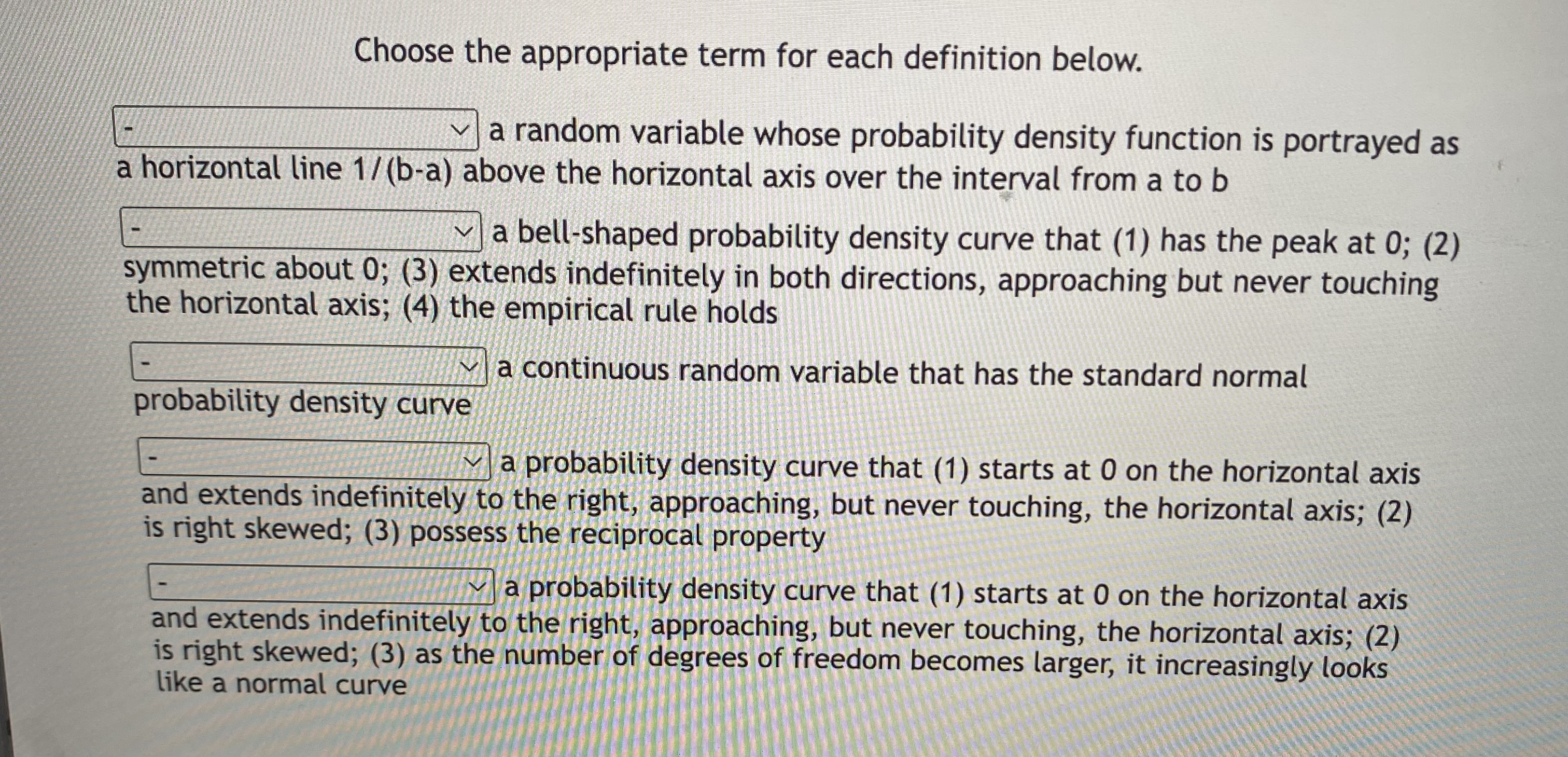
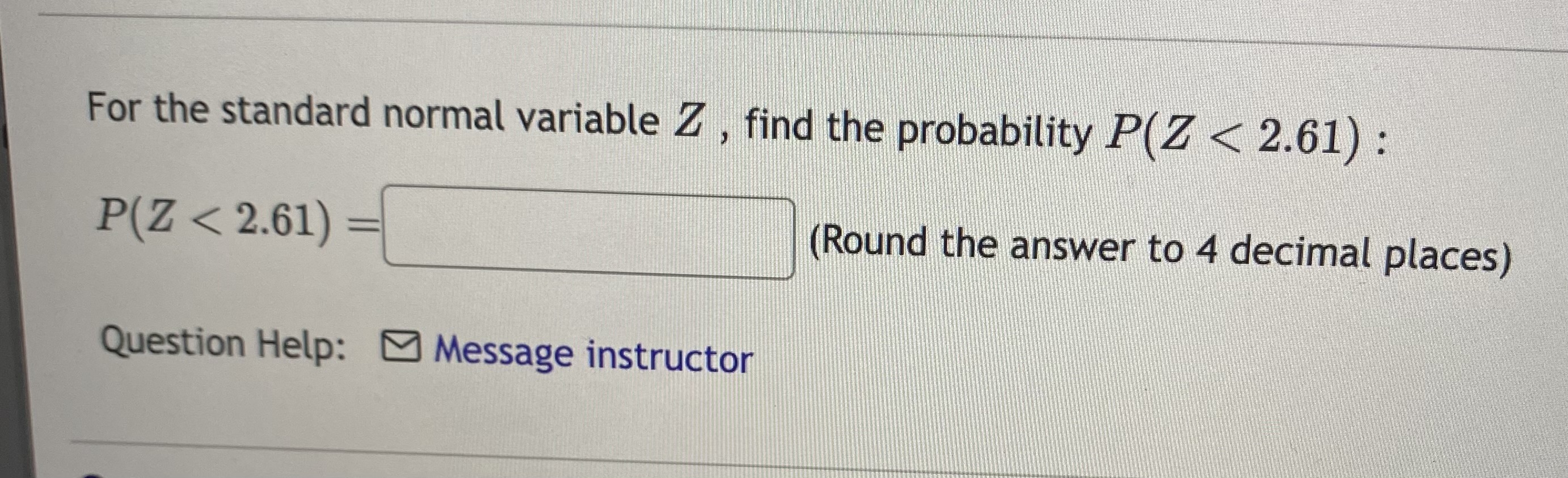
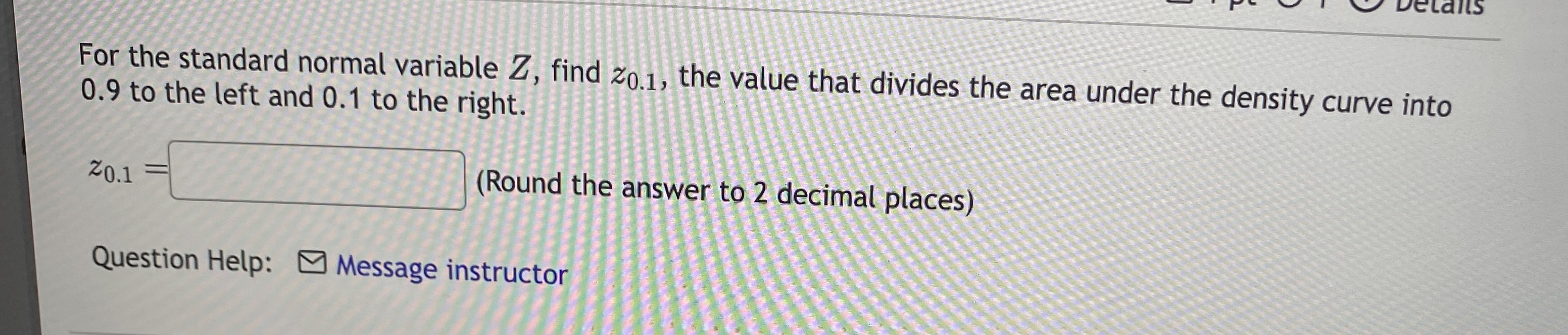
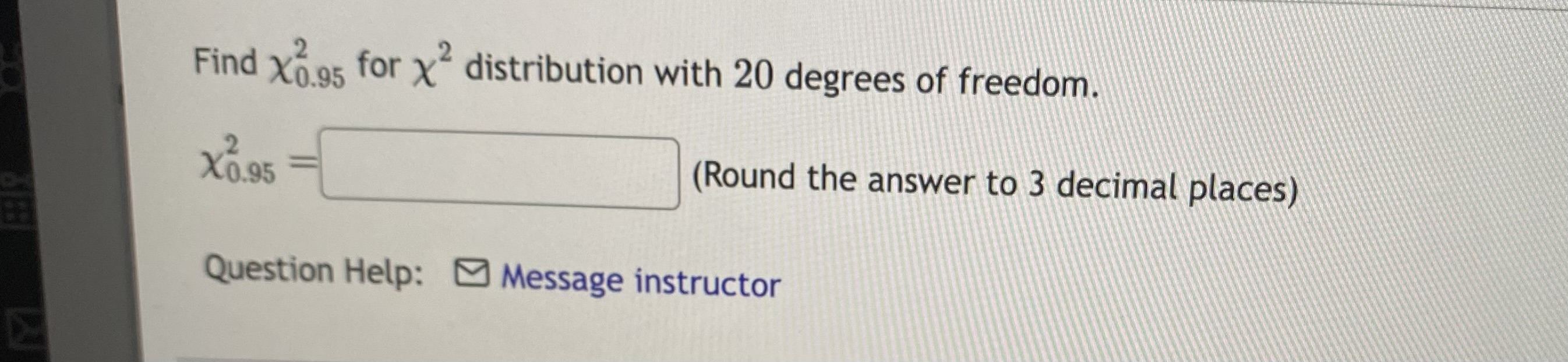
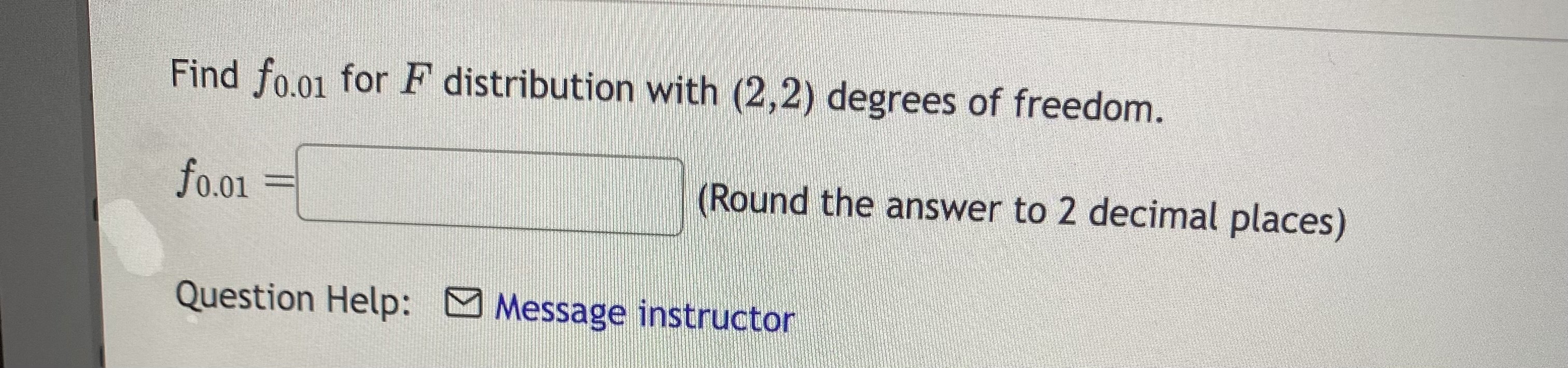
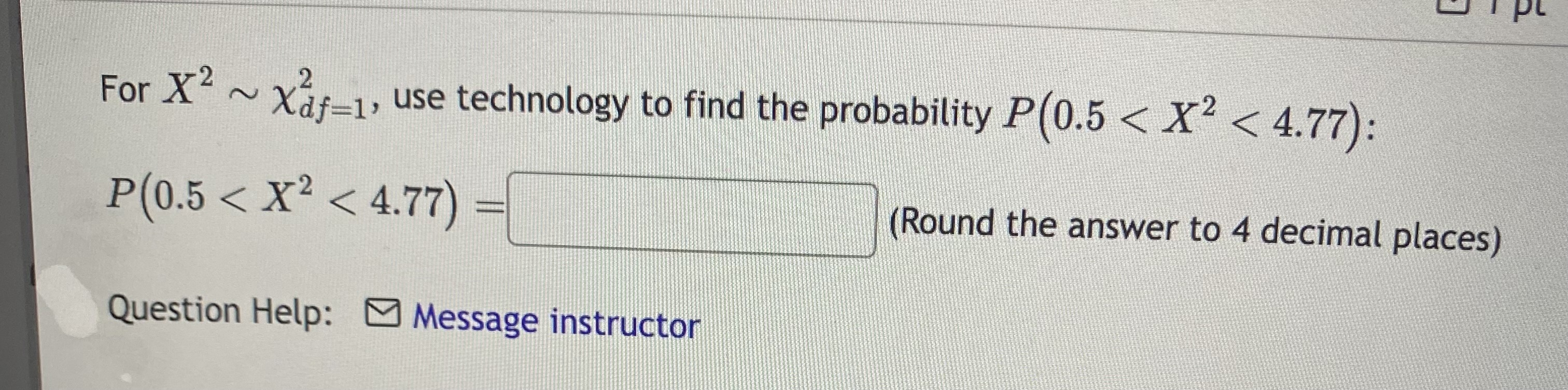
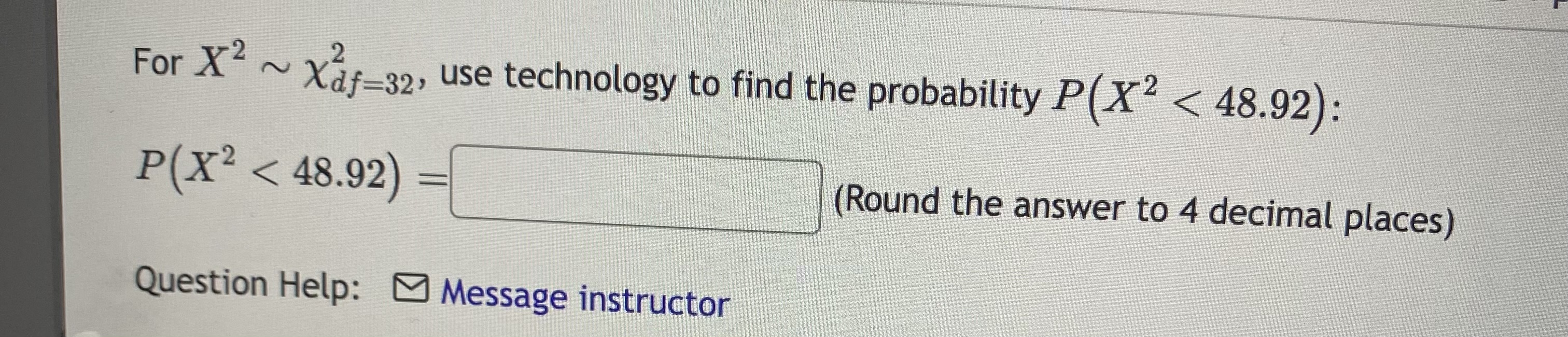

Choose the appropriate term for each definition below. a random variable whose probability density function is portrayed as a horizontal line 1/(b-a) above the horizontal axis over the interval from a to b a bell-shaped probability density curve that (1) has the peak at 0; (2) symmetric about 0; (3) extends indefinitely in both directions, approaching but never touching the horizontal axis; (4) the empirical rule holds a continuous random variable that has the standard normal probability density curve a probability density curve that (1) starts at 0 on the horizontal axis and extends indefinitely to the right, approaching, but never touching, the horizontal axis; (2) is right skewed; (3) possess the reciprocal property va probability density curve that (1) starts at 0 on the horizontal axis and extends indefinitely to the right, approaching, but never touching, the horizontal axis; (2) is right skewed; (3) as the number of degrees of freedom becomes larger, it increasingly looks like a normal curveFor the standard normal variable Z , find the probability P(Z
Step by Step Solution
There are 3 Steps involved in it

Get step-by-step solutions from verified subject matter experts
 Study Help