







Question: CODE IN PYTHON def mendels_law(hom, het, rec): Gregor Mendel's laws of inheritance state that organisms possess a pair of alleles for a given trait. If
CODE IN PYTHON
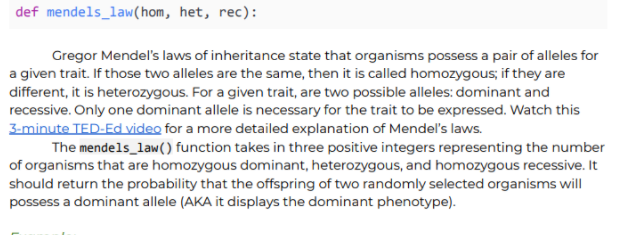
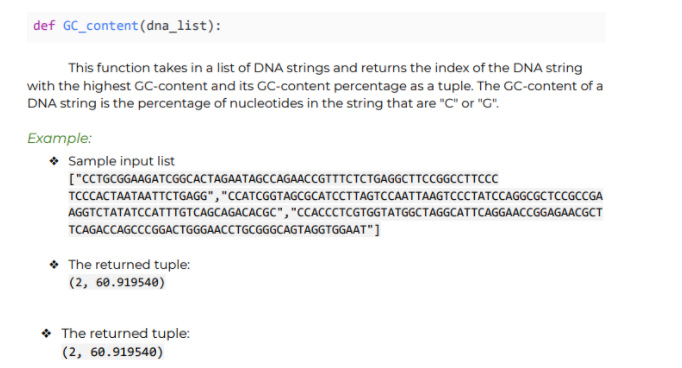
def mendels_law(hom, het, rec): Gregor Mendel's laws of inheritance state that organisms possess a pair of alleles for a given trait. If those two alleles are the same, then it is called homozygous, if they are different, it is heterozygous. For a given trait, are two possible alleles: dominant and recessive. Only one dominant allele is necessary for the trait to be expressed. Watch this 3-minute TED-Ed video for a more detailed explanation of Mendel's laws. The mendels_law() function takes in three positive integers representing the number of organisms that are homozygous dominant, heterozygous, and homozygous recessive. It should return the probability that the offspring of two randomly selected organisms will possess a dominant allele (AKA it displays the dominant phenotype). def GC_content (dna_list): This function takes in a list of DNA strings and returns the index of the DNA string with the highest GC-content and its GC-content percentage as a tuple. The GC-content of a DNA string is the percentage of nucleotides in the string that are "C" or "G". Example: Sample input list ["CCTGCGGAAGATCGGCACTAGAATAGCCAGAACCGTTTCTCTGAGGCTTCCGGCCTTCCC TCCCACTAATAATTCTGAGG", "CCATCGGTAGCGCATCCTTAGTCCAATTAAGTCCCTATCCAGGCGCTCCGCCGA AGGTCTATATCCATTTGTCAGCAGACACGC", "CCACCCTCGTGGTATGGCTAGGCATTCAGGAACCGGAGAACGCT TCAGACCAGCCCGGACTGGGAACCTGCGGGCAGTAGGTGGAAT"] The returned tuple: (2, 60.919540) The returned tuple: (2, 60.919540) def mendels_law(hom, het, rec): Gregor Mendel's laws of inheritance state that organisms possess a pair of alleles for a given trait. If those two alleles are the same, then it is called homozygous, if they are different, it is heterozygous. For a given trait, are two possible alleles: dominant and recessive. Only one dominant allele is necessary for the trait to be expressed. Watch this 3-minute TED-Ed video for a more detailed explanation of Mendel's laws. The mendels_law() function takes in three positive integers representing the number of organisms that are homozygous dominant, heterozygous, and homozygous recessive. It should return the probability that the offspring of two randomly selected organisms will possess a dominant allele (AKA it displays the dominant phenotype). def GC_content (dna_list): This function takes in a list of DNA strings and returns the index of the DNA string with the highest GC-content and its GC-content percentage as a tuple. The GC-content of a DNA string is the percentage of nucleotides in the string that are "C" or "G". Example: Sample input list ["CCTGCGGAAGATCGGCACTAGAATAGCCAGAACCGTTTCTCTGAGGCTTCCGGCCTTCCC TCCCACTAATAATTCTGAGG", "CCATCGGTAGCGCATCCTTAGTCCAATTAAGTCCCTATCCAGGCGCTCCGCCGA AGGTCTATATCCATTTGTCAGCAGACACGC", "CCACCCTCGTGGTATGGCTAGGCATTCAGGAACCGGAGAACGCT TCAGACCAGCCCGGACTGGGAACCTGCGGGCAGTAGGTGGAAT"] The returned tuple: (2, 60.919540) The returned tuple: (2, 60.919540)
Step by Step Solution
There are 3 Steps involved in it

Get step-by-step solutions from verified subject matter experts
 Study Help