







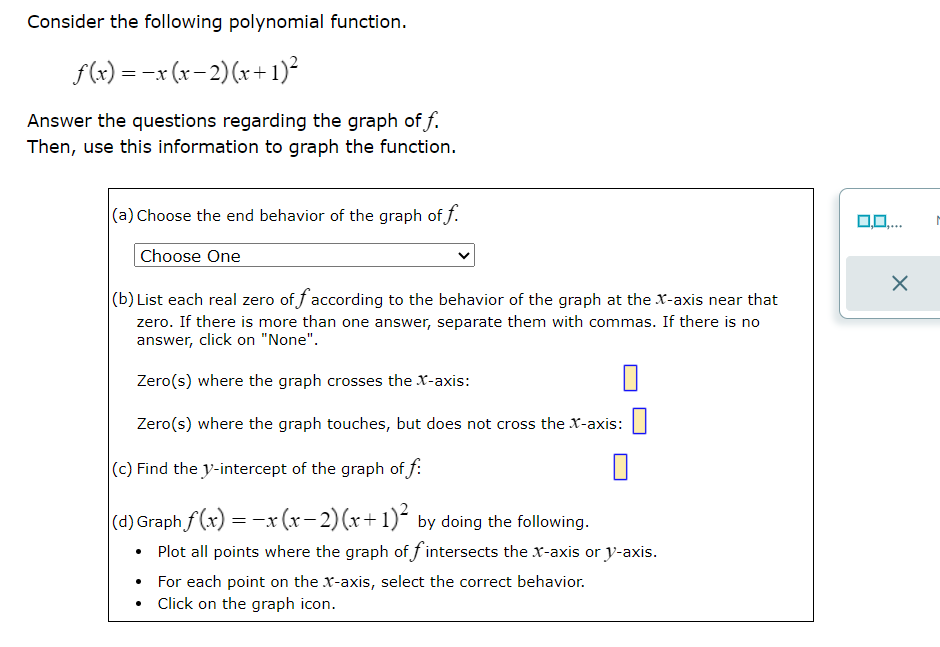
Question: Consider the following polynomial function. fir} = x(x2)(x+ 1}2 Answer the questions regarding the graph off. Then, use this information to graph the function. (allChoose
![of the graph off: I] (d)Graphf(x) = .Y (.T 3} (.Y I};](https://s3.amazonaws.com/si.experts.images/answers/2024/06/667b52b33aadd_131667b52b327605.jpg)
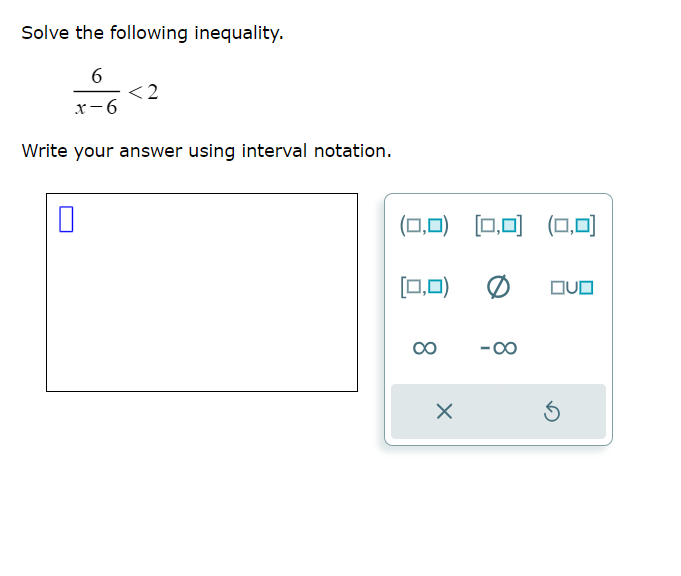
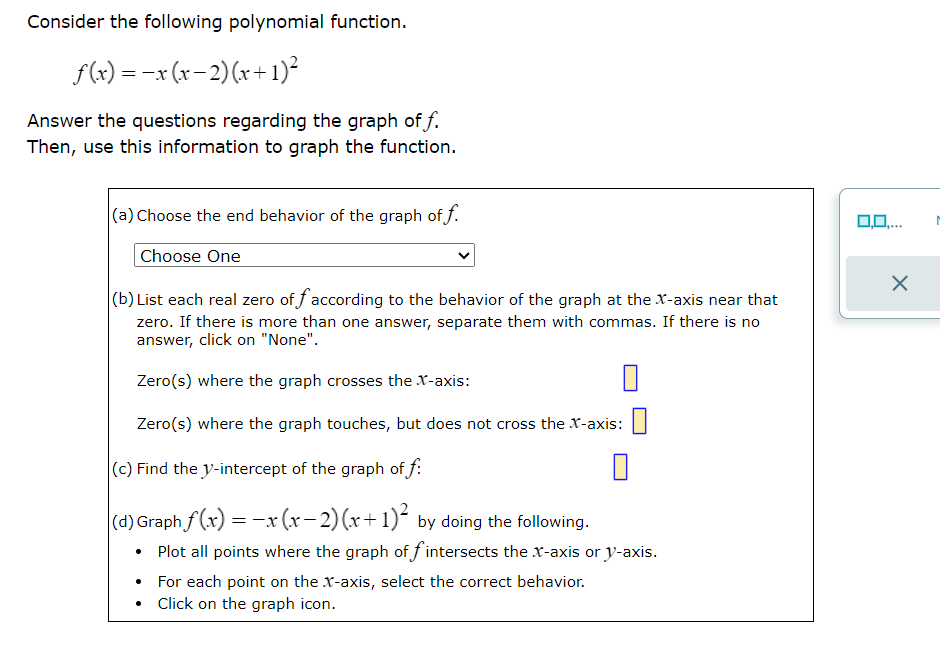
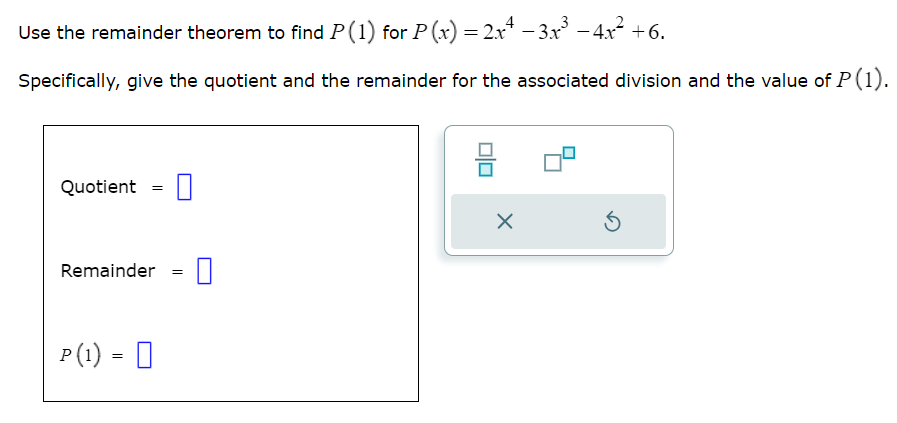
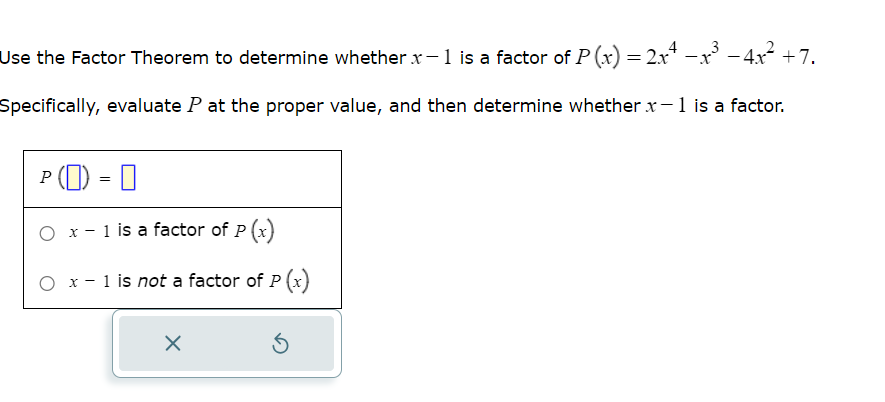
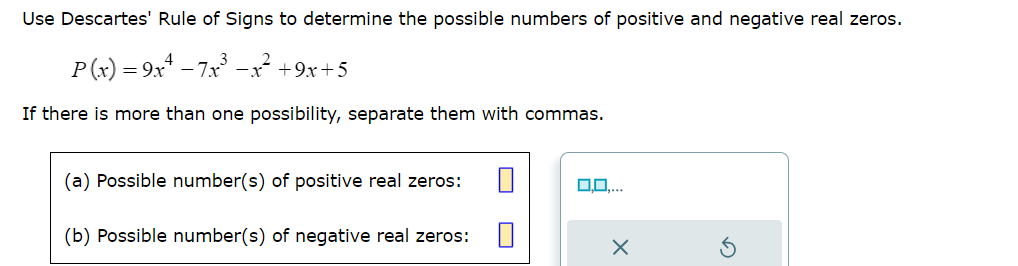
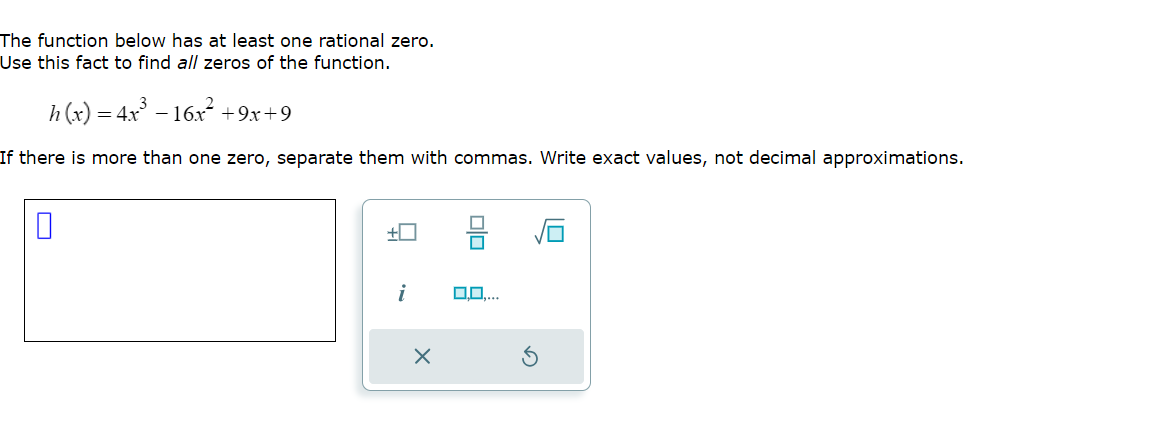
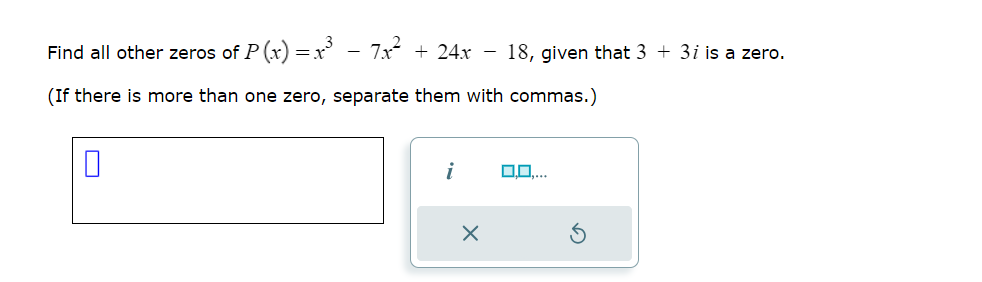
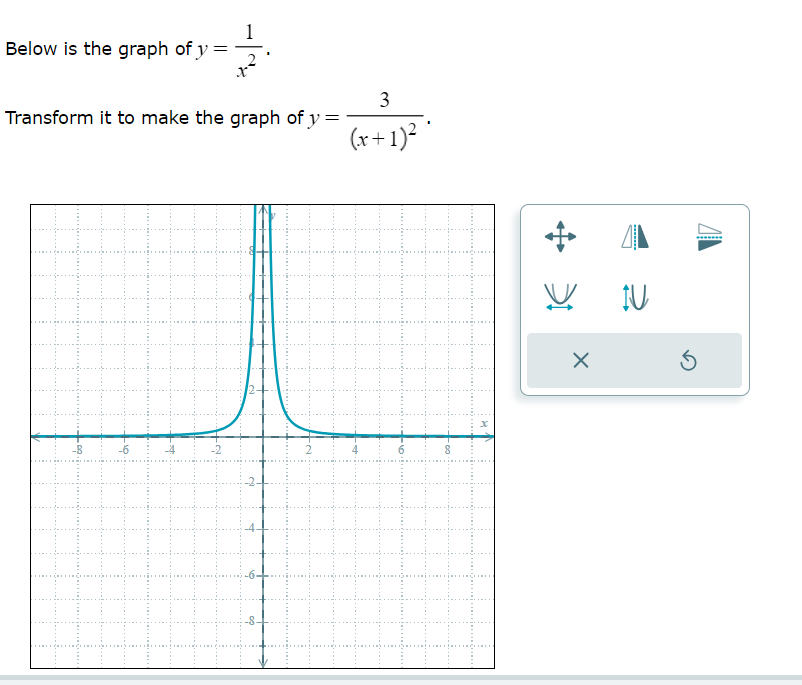
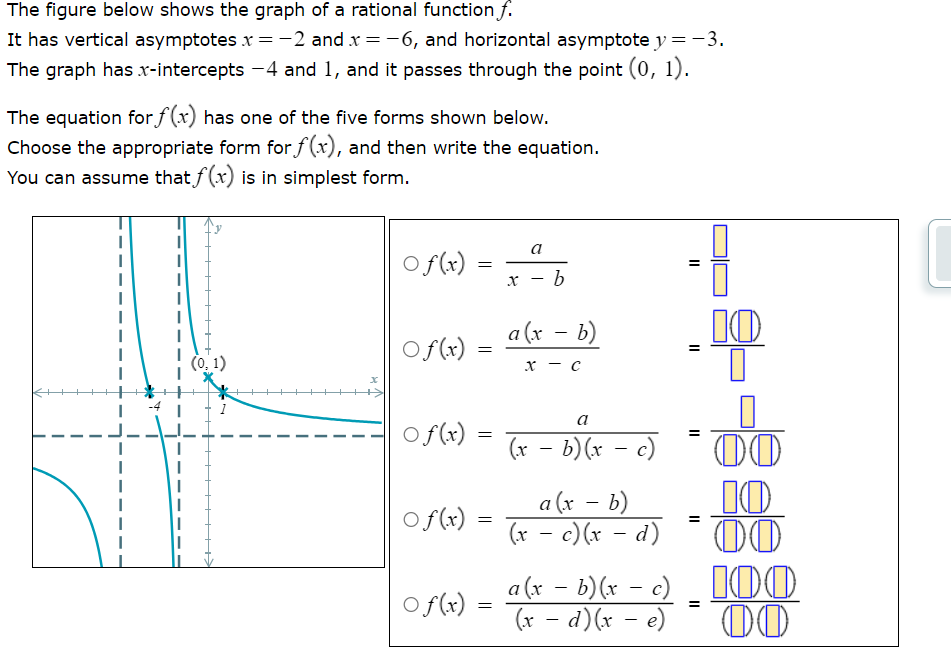
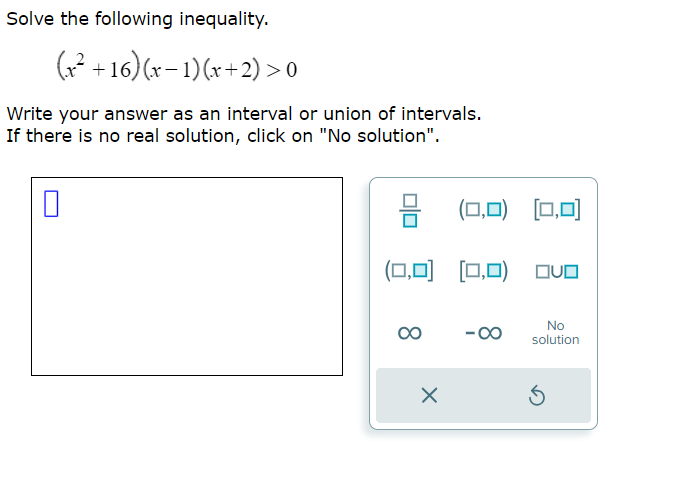
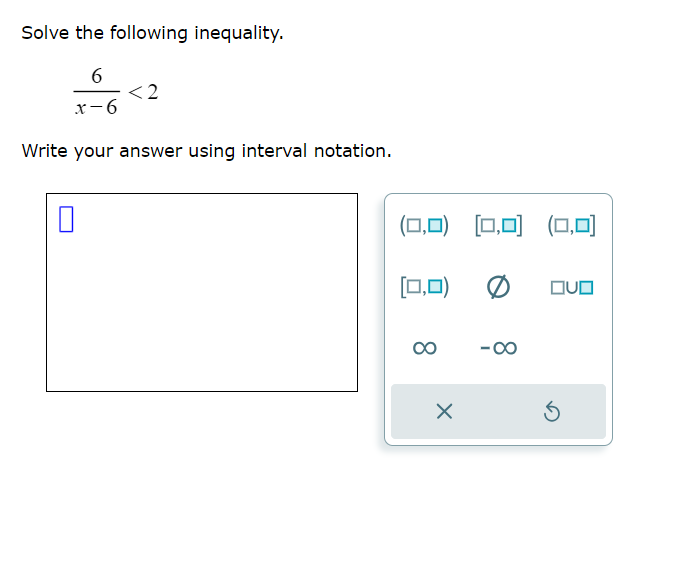
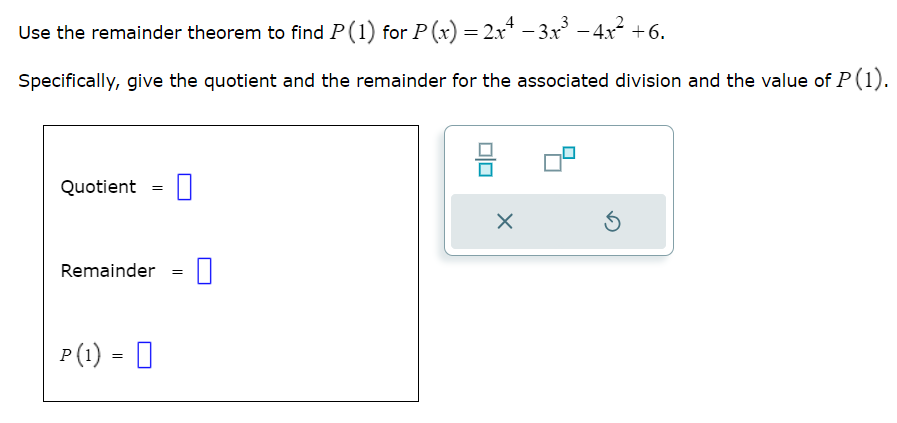
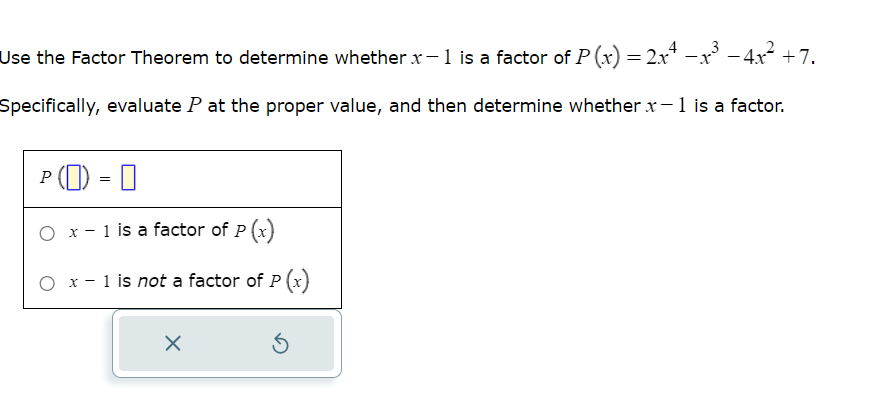
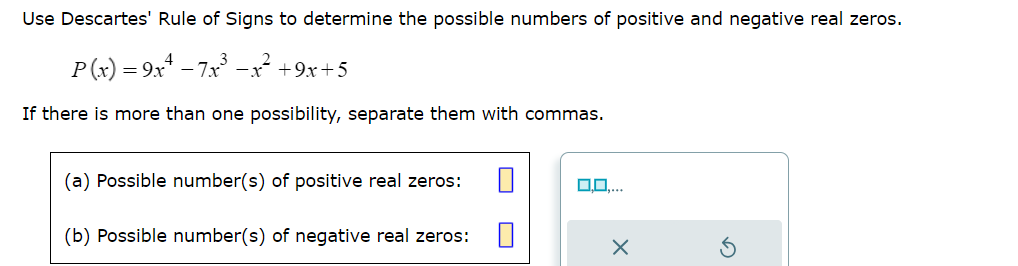
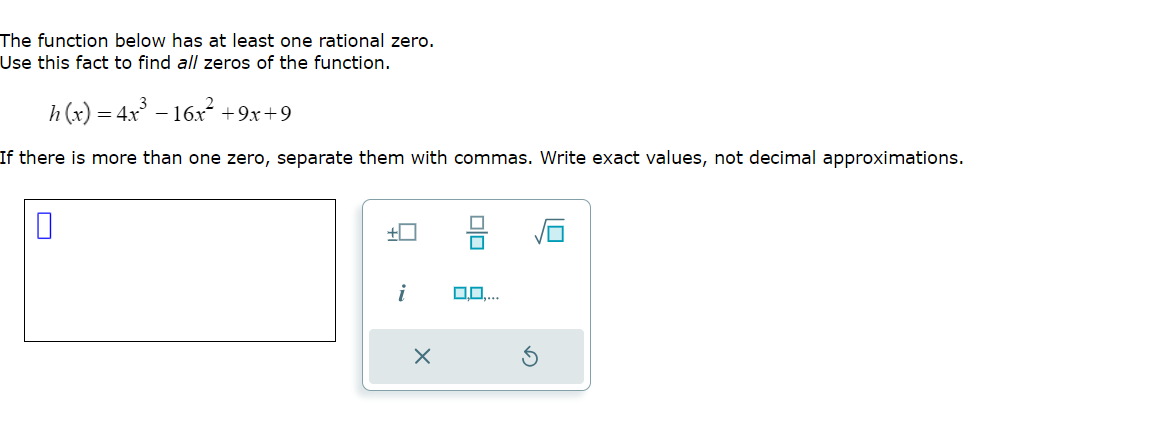
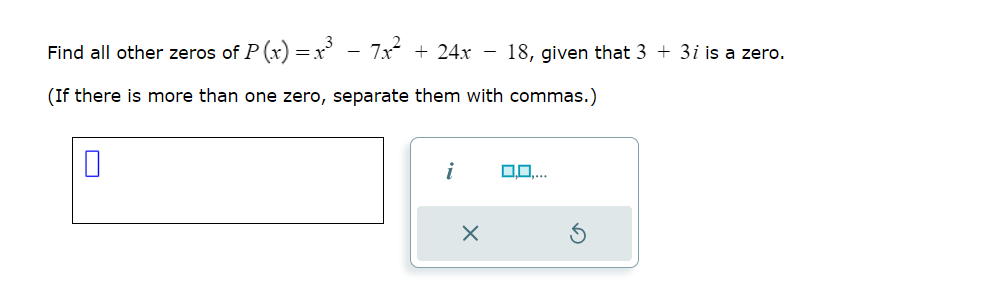
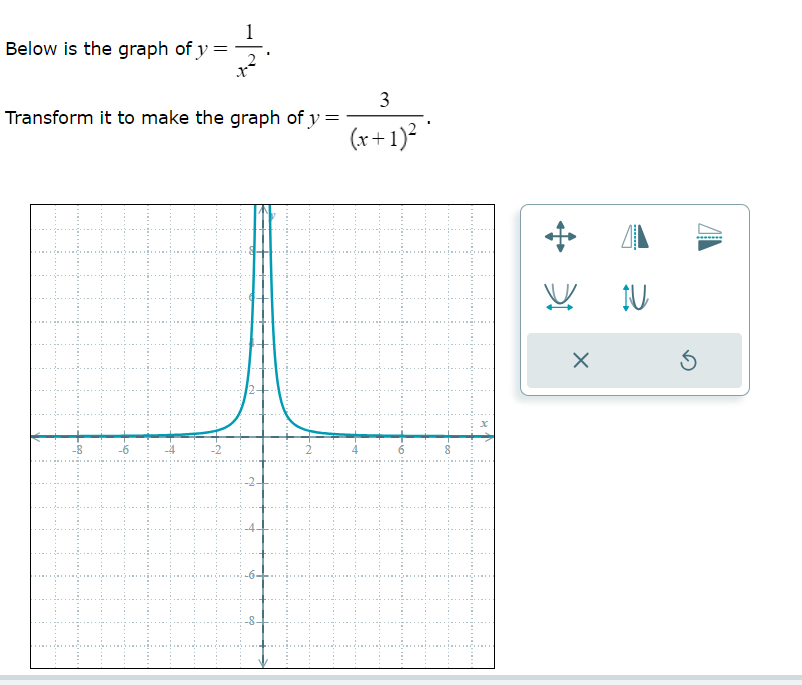
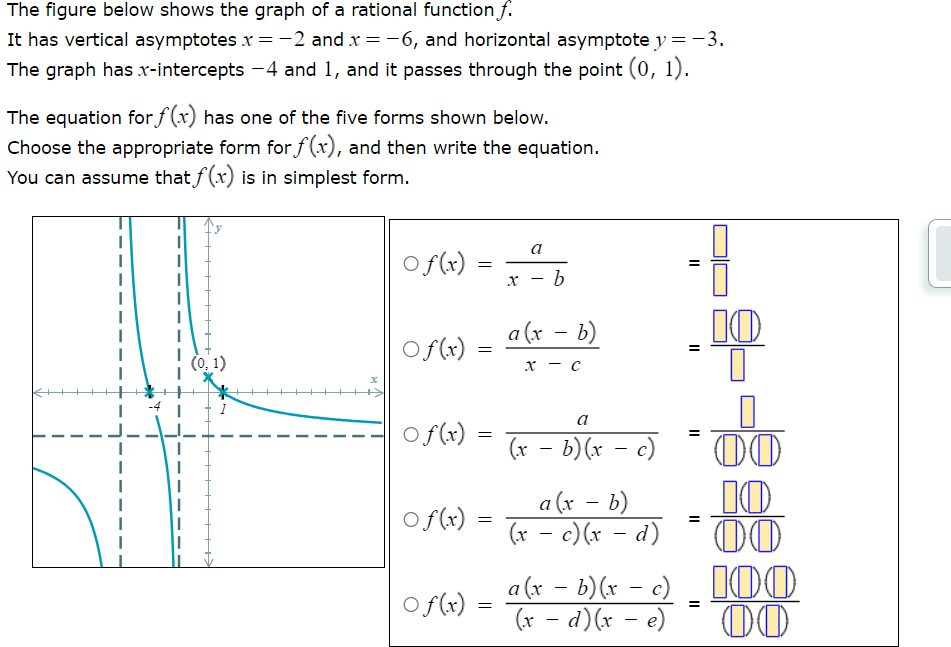
Consider the following polynomial function. fir} = x(x2)(x+ 1}2 Answer the questions regarding the graph off. Then, use this information to graph the function. (allChoose the end behavior of the graph off. Choose One V (b) List each real zero offaccording to the behavior of the graph at the .T-axis near that zero. If there is more than one answerr separate them with commas. If there is no answer, click on "None". ..... Zero{s} where the graph crosses the .Taxis: [I Zero{s} where the graph touches, but does not cross the Iaxis: (c) Find theyintercept of the graph off: I] (d)Graphf(x) = .Y (.T 3} (.Y I}; by doing the following. - Plot all points where the graph offintersects the .T-axis or _1'-axis. - For each point on the .T-axis, select the correct behavior. - Click on the graph icon. Use the remainder theorem to find P (1) for P (x) = 2x* -3x -4x- +6. Specifically, give the quotient and the remainder for the associated division and the value of P (1). Quotient = X 5 Remainder = 0 P (1) = 03 . '1 Use the Factor Theorem to determine whether .Tl is a factor of P{I) 2 23:4 -.r -4.T' + 7. Specifically, evaluate P at the proper value, and then determine whether 1'- 1 is a factor. P(||) = x 1 is a factor of P (x) x 1 is not a factor of P (x) Use Descartes' Rule of Signs to determine the possible numbers of positive and negative real zeros. P(\\) = 9x4 7x3 r2 9x 5 If there is more than one possibility, separate them with commas. (a) Possible number(s) of positive real zeros: D ED... (b) Possible number(s) of negative real zeros: D X ~53 The function below has at least one rational zero. Use this fact to find all zeros of the function. h (x) 2 4T3 16.1r2 9x+9 If there is more than one zero, separate them with commas. Write exact values, not decimal approximations. I] +i Find all other zeros OfP(.T) 2x3 7x2 + 24x 18, given that 3 + 31' is a zero. (If there is more than one zero, separate them with commas.) I] i an... 1 Below is the graph of}; = 2. I Transform it to make the graph of y: The figure below shows the graph of a rational function f. It has vertical asymptotes x = -2 and x = -6, and horizontal asymptote y = -3. The graph has x-intercepts -4 and 1, and it passes through the point (0, 1). The equation for f (x) has one of the five forms shown below. Choose the appropriate form for f(x), and then write the equation. You can assume that f (x) is in simplest form. of (x)= a x - b Of (x ) = a (x - b ) 10 = (0. x - c a of (x) = (x - b) (x - c) a (x - b) 10 of ( x ) = (x - c) (x - d) = Of(x) - a(x - b) (x - c) _ 100 (x - d)(x - e)Solve the following inequality. (x2 +16)(x1)(x+2) > 0 Write your answer as an interval or union of intervals. If there is no real solution, click on \"No solution\". U E El {DD} 00 [13) -OO o sol thi o r 6) Solve the following inequality. 6 :r6
Step by Step Solution
There are 3 Steps involved in it

Get step-by-step solutions from verified subject matter experts
 Study Help