







Question: Consider the function f(:c) = g. a: [a] Find the domain of f(;t:}. Note: Use the letter U for union. To en.er 00, type infinity.
![Consider the function f(:c) = g. a: [a] Find the domain](https://dsd5zvtm8ll6.cloudfront.net/si.experts.images/questions/2024/11/672eecf9aa859_569672eecf98cebd.jpg)
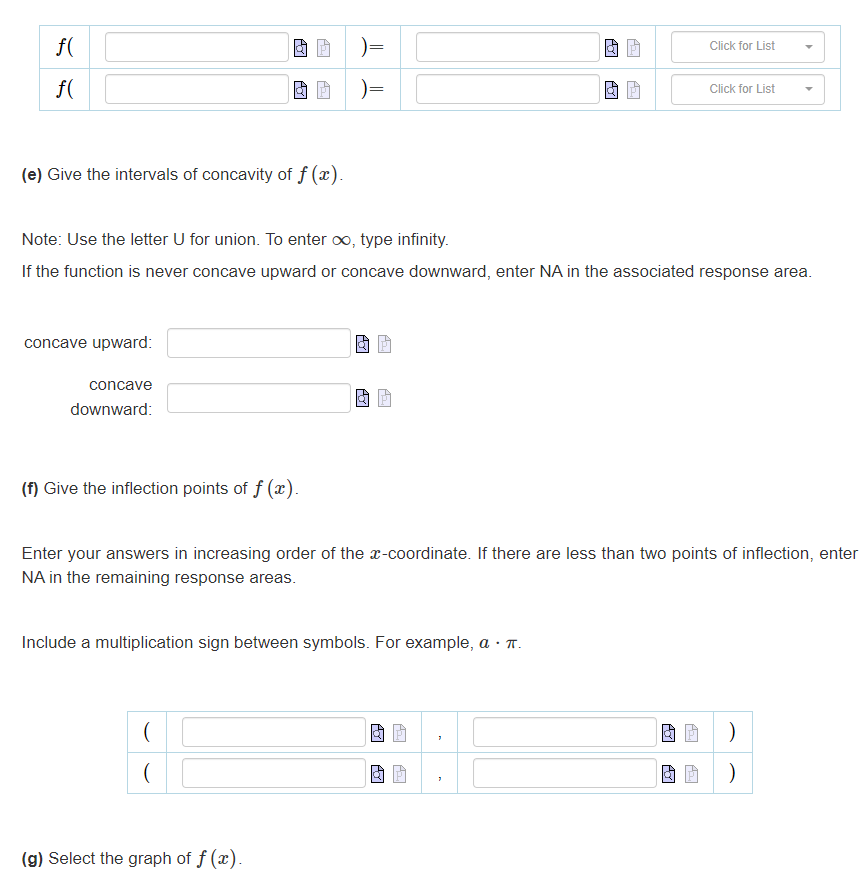
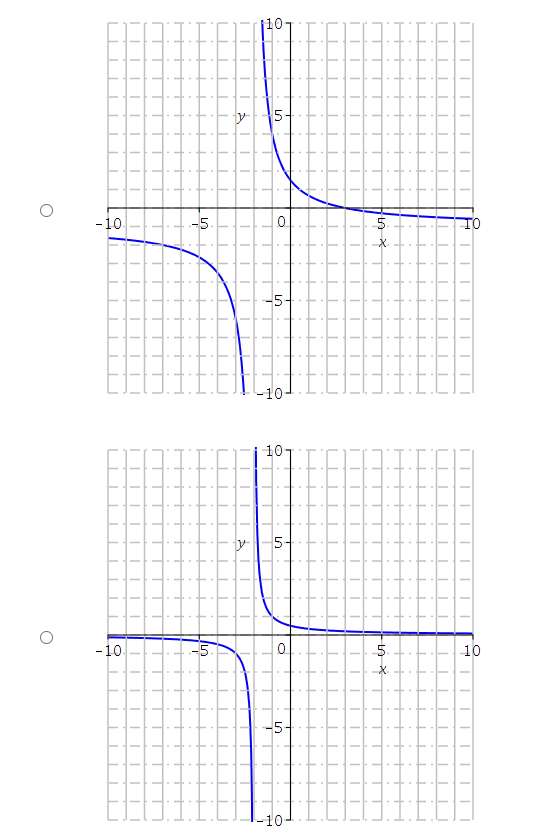
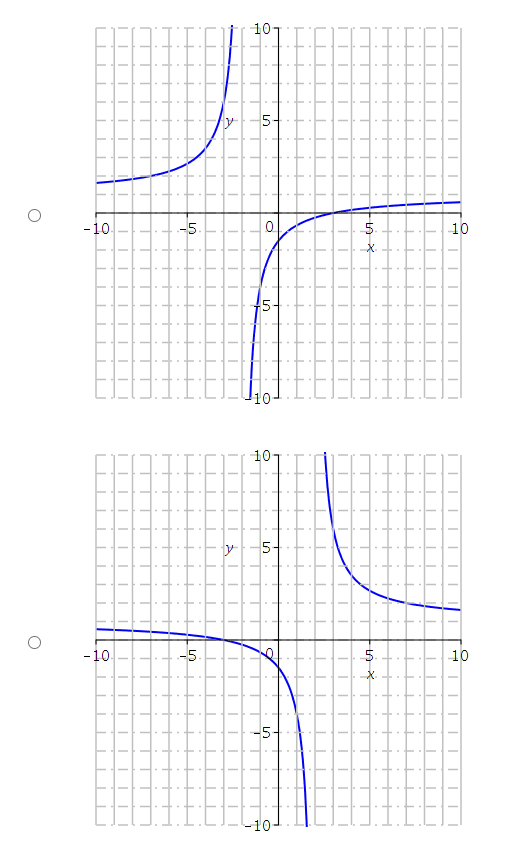
Consider the function f(:c) = g. a: [a] Find the domain of f(;t:}. Note: Use the letter U for union. To en.er 00, type infinity. Domain: d1 '1 {b} Give the horizontal and vertical asymptotes of f (a?) if any. Enter the equations for the asymptotes. If there is no horizontal or vertical asymptote, enter NA in the associated response area. horizontal asymptote : Ct vertical L _ ct asymptote . {c1 Give the intervals of increase and decrease of f [33}. Note: Use the letter U for union. To enter 00, type infinity. lfthe function is never increasing or decreasing, enter NA in the associated response area. increasing: d" L decreasing: cl- L [d] Give the local maximum and minimum values of f [32}. Enter your answers in increasing order of the xvalue. If there are less than two local extrema, enter NA in the remaining response areas and the corresponding dropdown menu. Include a multiplication sign between symbols. For example, a - 7r. ft ft or I 'Ii II or I Cl-:
Step by Step Solution
There are 3 Steps involved in it

Get step-by-step solutions from verified subject matter experts
 Study Help