







Question: Consider Two Hypothetical Elements, L And J. Element L Has An Electron Affinity Of -55 KJ/Mol, And Element J Has An Electron Affinity Of-175 KJ/Mol.
Consider Two Hypothetical Elements, L And J. Element L Has An Electron Affinity Of -55 KJ/Mol, And Element J Has An Electron Affinity Of-175 KJ/Mol. Removing An Electron From Element L Requires More, Less, The Same, Or Cannot Be Determined Energy Than Removing An Electron From Element J? Justify. If Elements L And J Are In The Same Period Of The Periodic
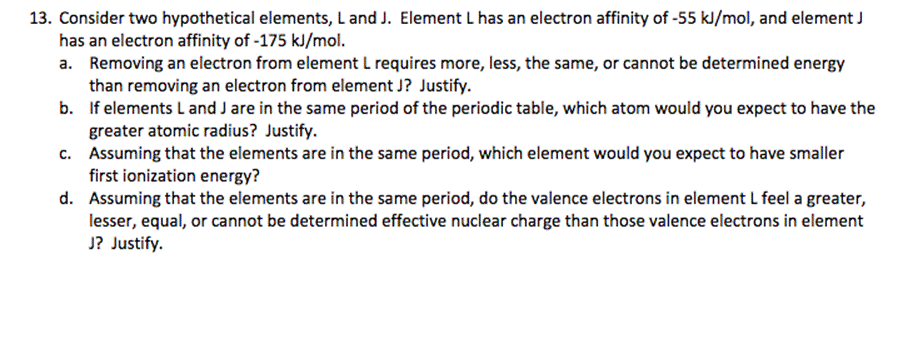
13. Consider two hypothetical elements, L and J. Element L has an electron affinity of -55 kJ/mol, and element J has an electron affinity of -175 kJ/mol. a. Removing an electron from element L requires more, less, the same, or cannot be determined energy than removing an electron from element J? Justify. b. If elements L and J are in the same period of the periodic table, which atom would you expect to have the greater atomic radius? Justify. c. Assuming that the elements are in the same period, which element would you expect to have smaller first ionization energy? d. Assuming that the elements are in the same period, do the valence electrons in element L feel a greater, lesser, equal, or cannot be determined effective nuclear charge than those valence electrons in element J? Justify.
Step by Step Solution
There are 3 Steps involved in it

Get step-by-step solutions from verified subject matter experts
 Study Help