Question: Create an outline for a response paper to the article Introduction to Ethical Decision Making, written by Mark S. Schwartz Outline of a Response /
Create an outline for a response paper to the article "Introduction to Ethical Decision Making", written by Mark S. Schwartz
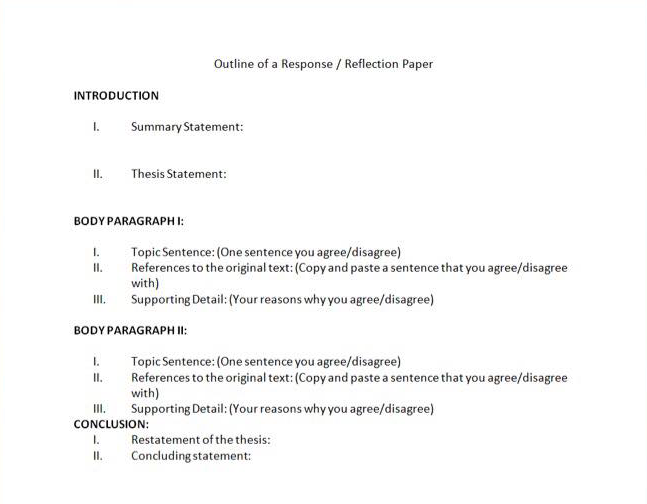
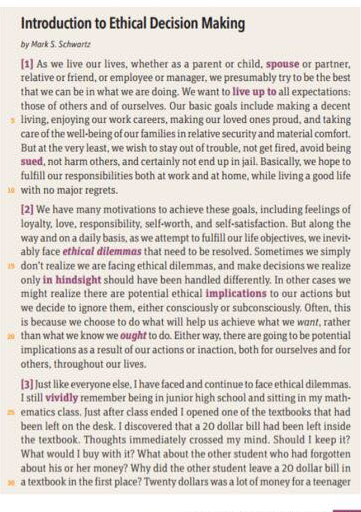
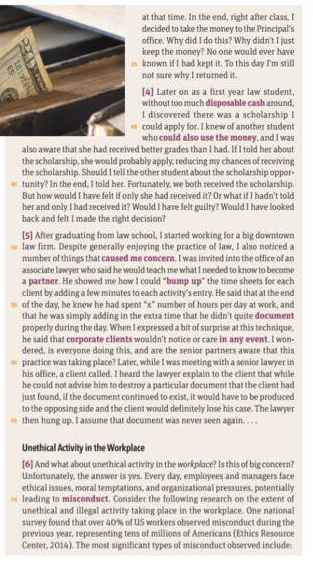
Outline of a Response / Reflection Paper INTRODUCTION 1. Summary Statement: II. Thesis Statement: BODY PARAGRAPHI: I. II. Topic Sentence: (One sentence you agree/disagree) References to the original text: (Copy and paste a sentence that you agree/disagree with) III. Supporting Detail:(Your reasons why you agree/disagree) BODY PARAGRAPH II: 1. Topic Sentence: (One sentence you agree/disagree) II. References to the original text: (Copy and paste a sentence that you agree/disagree with) Supporting Detail:(Your reasons why you agree/disagree) CONCLUSION: 1. Restatement of the thesis: Concluding statement: III. II. Introduction to Ethical Decision Making by Mark S. Schwartz [1] As we live our lives, whether as a parent or child, spouse or partner. relative or friend, or employee or manager, we presumably try to be the best that we can be in what we are doing. We want to live up to all expectations: those of others and of ourselves. Our basic goals include making a decent living, enjoying our work careers, making our loved ones proud, and taking care of the well-being of our families in relative security and material comfort. But at the very least, we wish to stay out of trouble, not get fired, avoid being sued, not harm others, and certainly not end up in jail. Basically, we hope to fulfill our responsibilities both at work and at home, while living a good life with no major regrets. [2] We have many motivations to achieve these goals, including feelings of loyalty, love, responsibility, self-worth, and self-satisfaction. But along the way and on a daily basis, as we attempt to fulfill our life objectives, we inevit. ably face ethical dilemmas that need to be resolved. Sometimes we simply don't realize we are facing ethical dilemmas, and make decisions we realize only in hindsight should have been handled differently. In other cases we might realize there are potential ethical implications to our actions but we decide to ignore them, either consciously or subconsciously, Often, this is because we choose to do what will help us achieve what we want, rather than what we know we ought to do. Either way, there are going to be potential implications as a result of our actions or inaction, both for ourselves and for others, throughout our lives. [3] Just like everyone else. I have faced and continue to face ethical dilemmas. Istill vividly remember being in junior high school and sitting in my math- ematics class. Just after class ended I opened one of the textbooks that had been left on the desk. I discovered that a 20 dollar bill had been left inside the textbook. Thoughts immediately crossed my mind. Should I keep it? What would I buy with it? What about the other student who had forgotten about his or her money? Why did the other student leave a 20 dollar bill in a textbook in the first place? Twenty dollars was a lot of money for a teenager at that time. In the end, right after class, I decided to take the money to the Principal's office. Why did I do this? Why didn't I just keep the money? No one would ever have nknown if I had kept it. To this day I'm still not sure why I returned it. (4) Later on as a first year law student. without too much disposable cash around. I discovered there was a scholarship could apply for. I knew of another student who could also use the money, and I was also aware that she had received better grades than I had. If I told her about the scholarship, she would probably apply.reducing my chances of receiving the scholarship. Should I tell the other student about the scholarship oppor tunity? In the end, I told her. Fortunately, we both received the scholarship, But how would I have felt if only she had received it? Or what if I hadn't told her and only I had received it? Would I have felt guilty? Would I have looked back and felt I made the right decision? [5] After graduating from law school, I started working for a big downtown law firm. Despite generally enjoying the practice of law. I also noticed a number of things that caused me concern. I was invited into the office of an associate lawyer who said he would teach me what I needed to know to become a partner. He showed me how I could "bump up the time sheets for each client by adding a few minutes to each activity's entry. He said that at the end of the day, he knew he had spent *x* number of hours per day at work, and that he was simply adding in the extra time that he didn't quite document properly during the day. When I expressed a bit of surprise at this technique. he said that corporate clients wouldn't notice or care in any event. I won dered, is everyone doing this, and are the senior partners aware that this practice was taking place? Later, while I was meeting with a senior lawyer in his office, a client called. I heard the lawyer explain to the client that while he could not advise him to destroy a particular document that the client had just found, if the document continued to exist, it would have to be produced to the opposing side and the client would definitely lose his case. The lawyer then hung up. I assume that document was never seen again... Unethical Activity in the Workplace [6] And what about unethical activity in the workplace? Is this of big concern? Unfortunately, the answer is yes. Every day, employees and managers face ethical issues, moral temptations, and organizational pressures, potentially - leading to misconduct. Consider the following research on the extent of unethical and illegal activity taking place in the workplace. One national survey found that over 40% of US workers observed misconduct during the previous year, representing tens of millions of Americans (Ethics Resource Center, 2014). The most significant types of misconduct observed include









 Study Help