Question: Critically evaluate the following article. Not just a review or So and so said.... What do YOU think about them? Do you agree or disagree?
Critically evaluate the following article. Not just a review or "So and so said...." What do YOU think about them? Do you agree or disagree?
Topic of Discussion is The Importance of Rewards and Recognition in Human Resources Management.
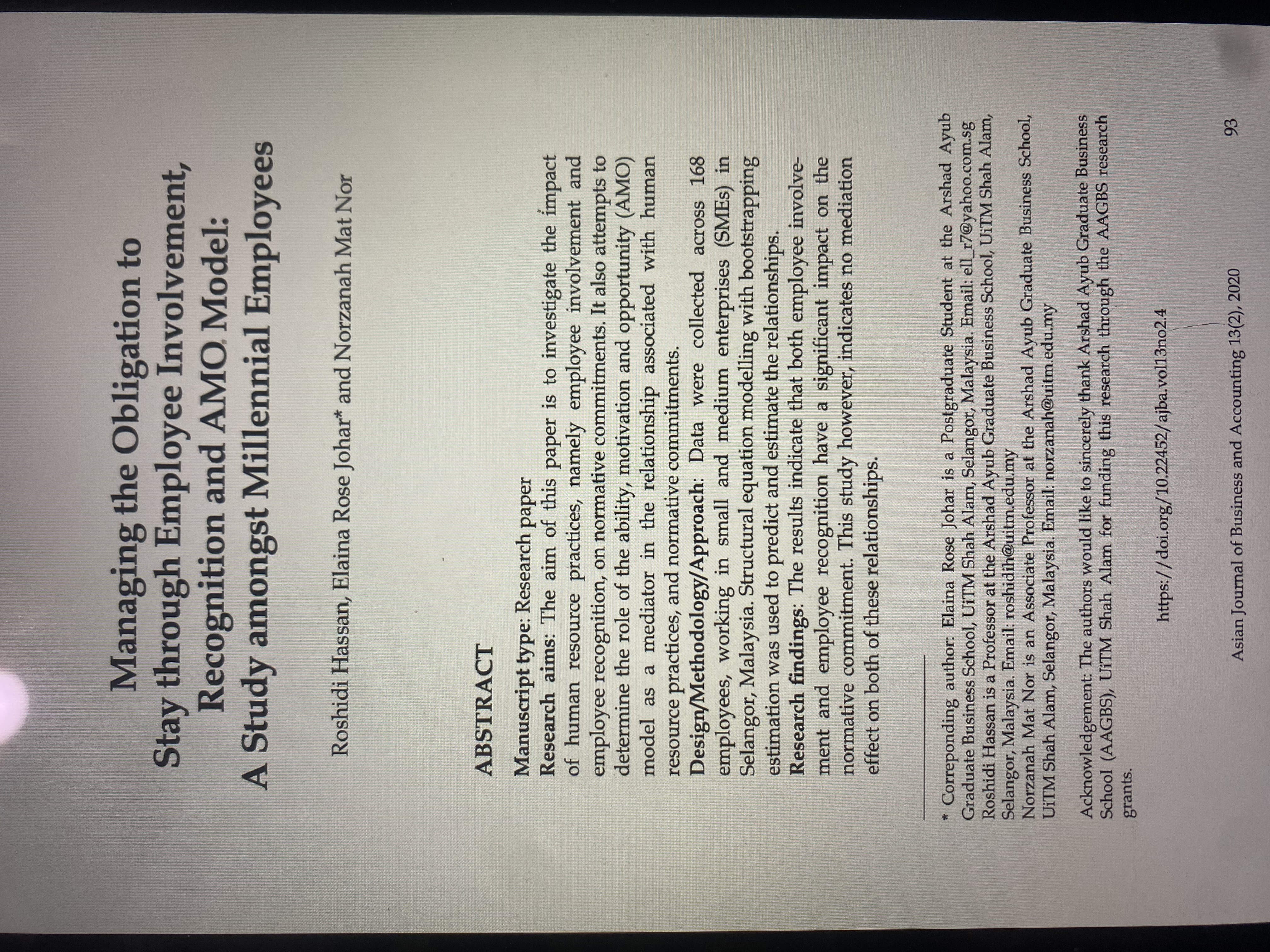
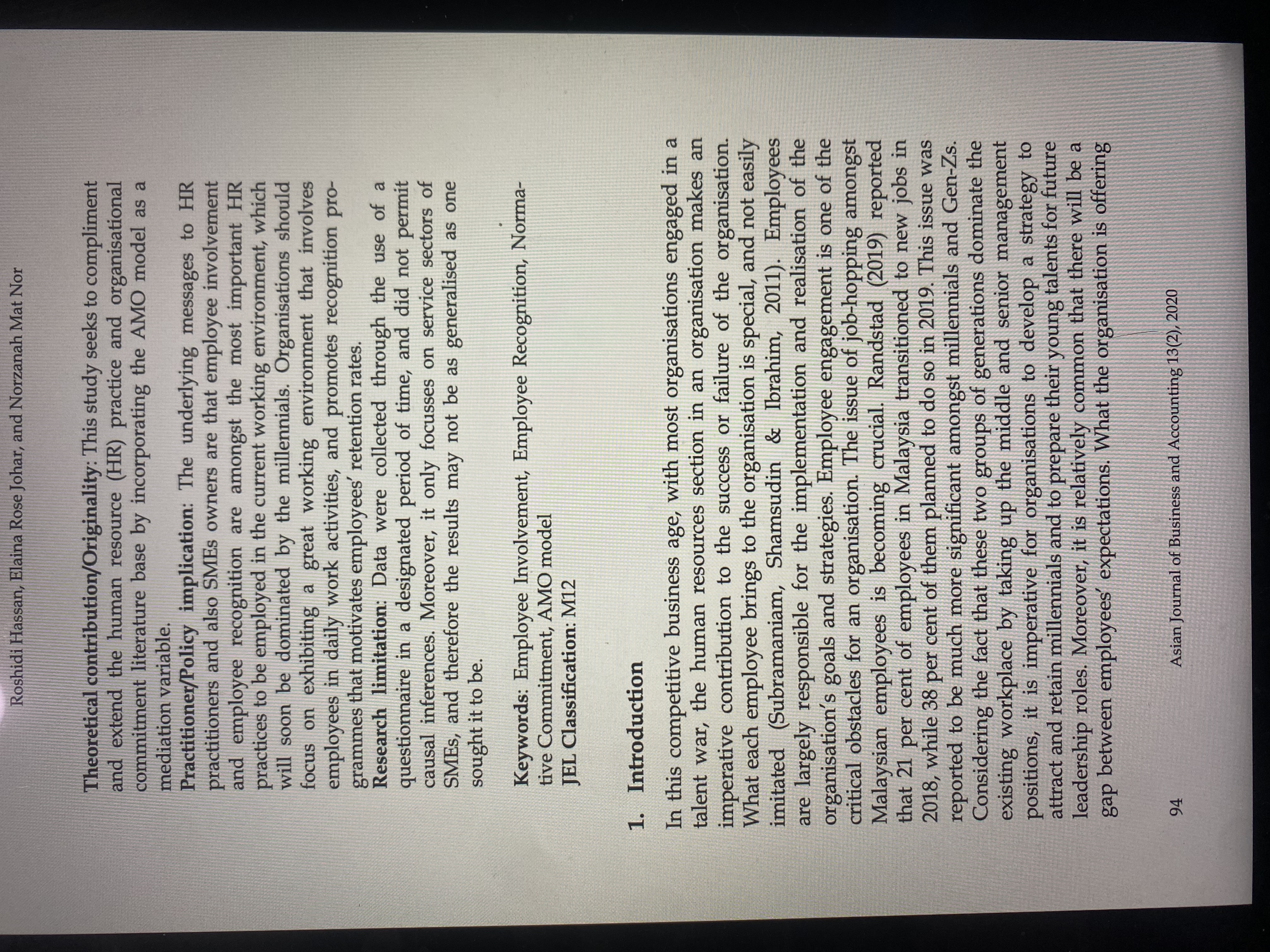
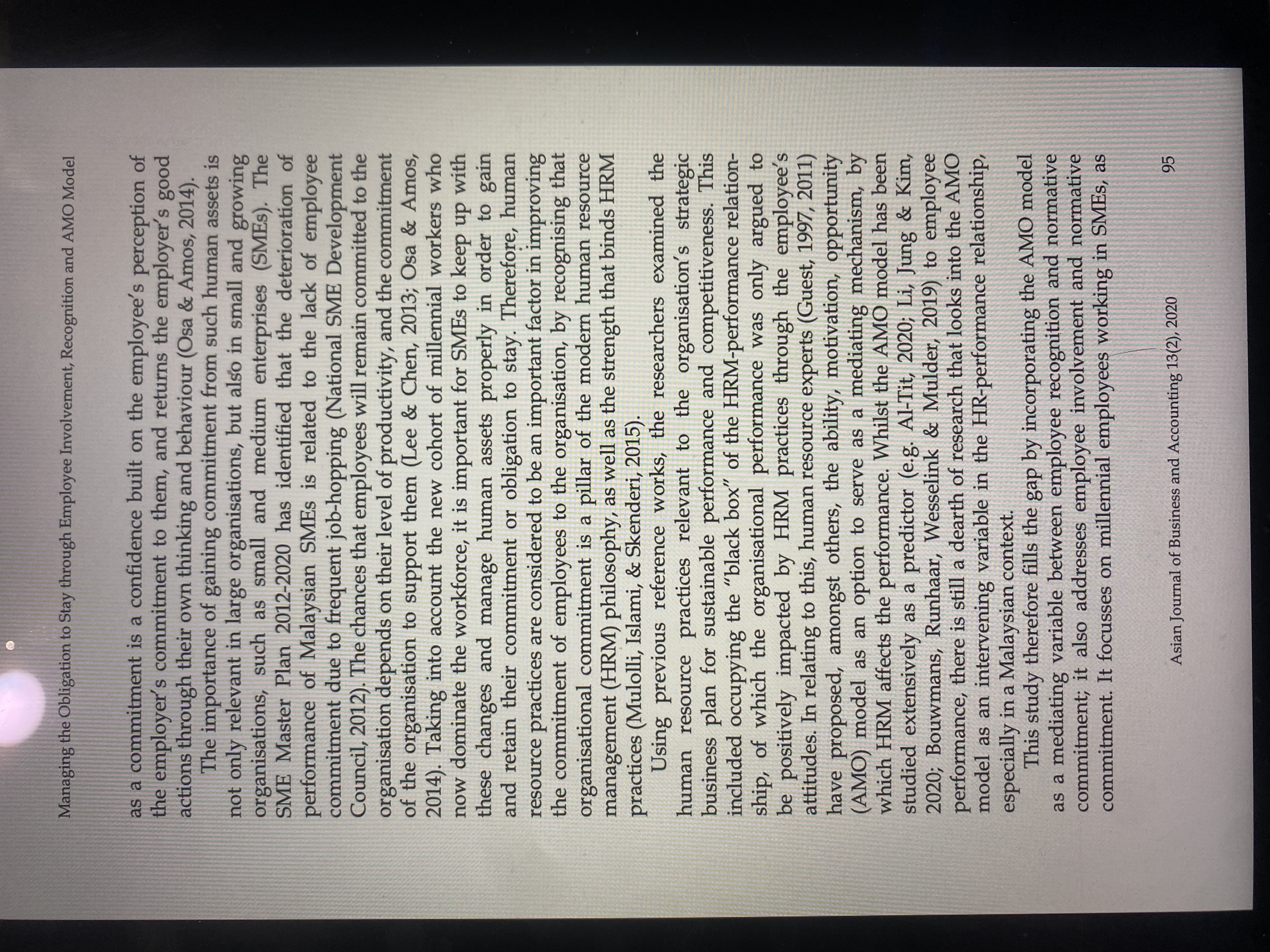
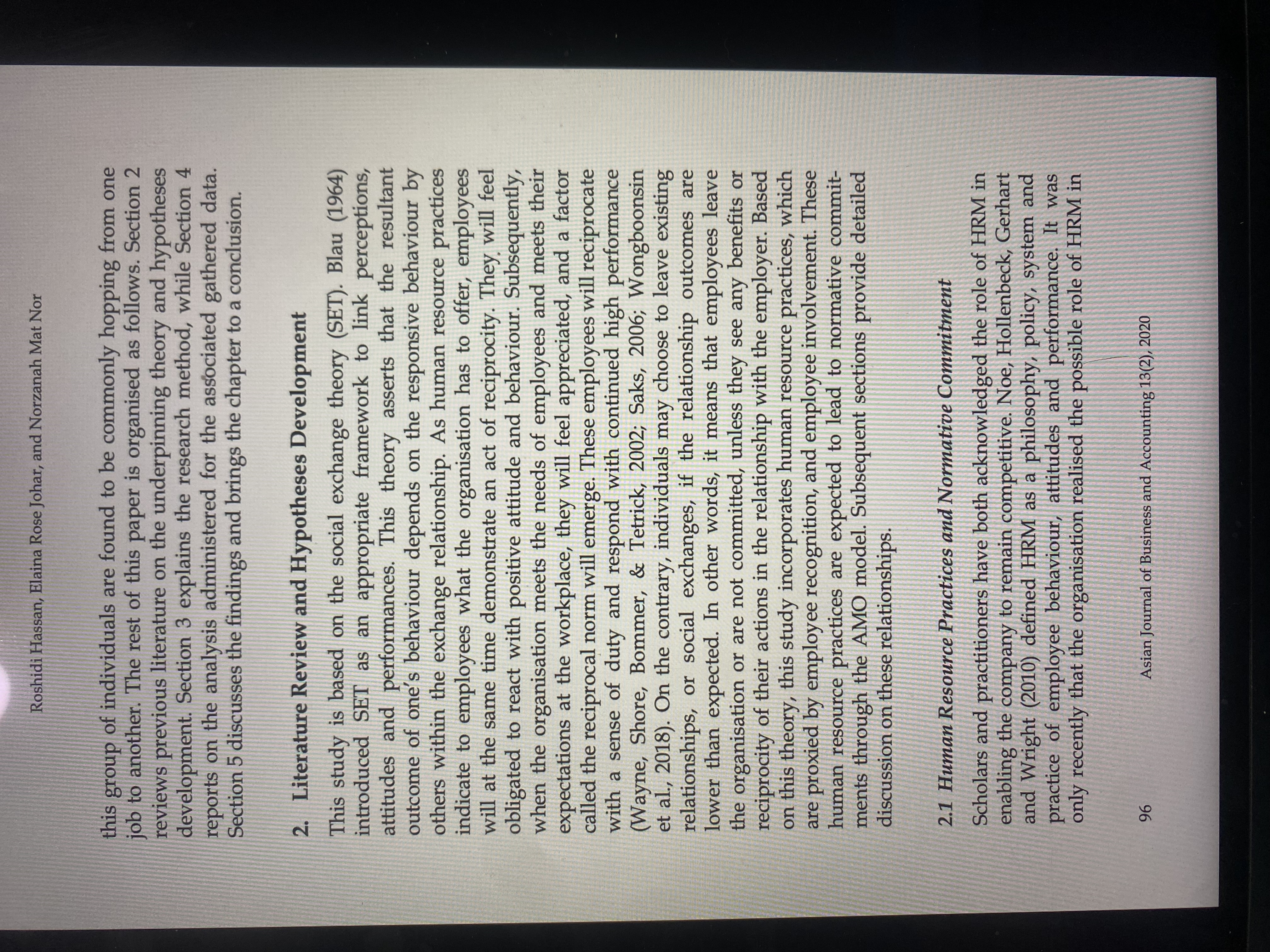
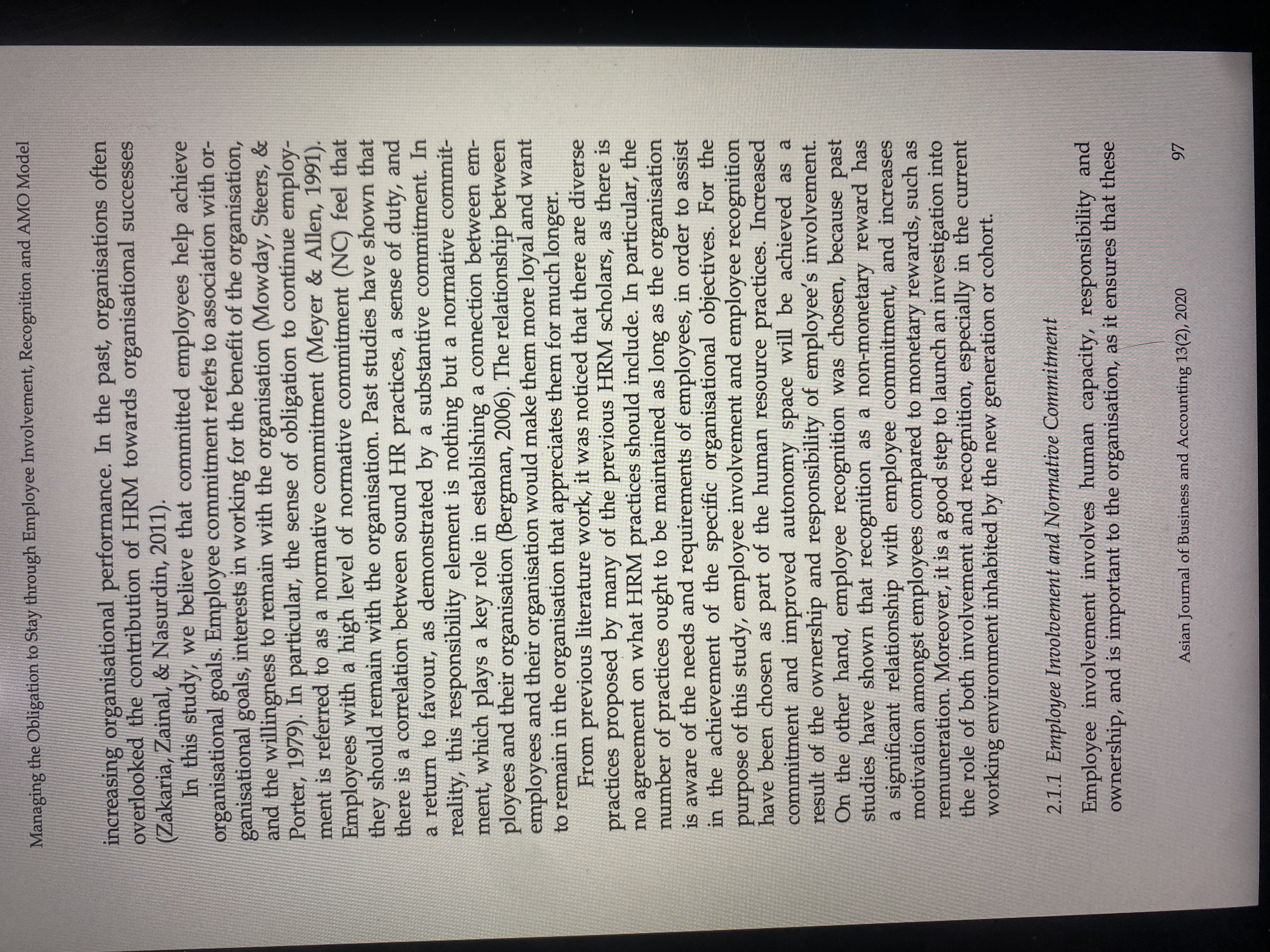
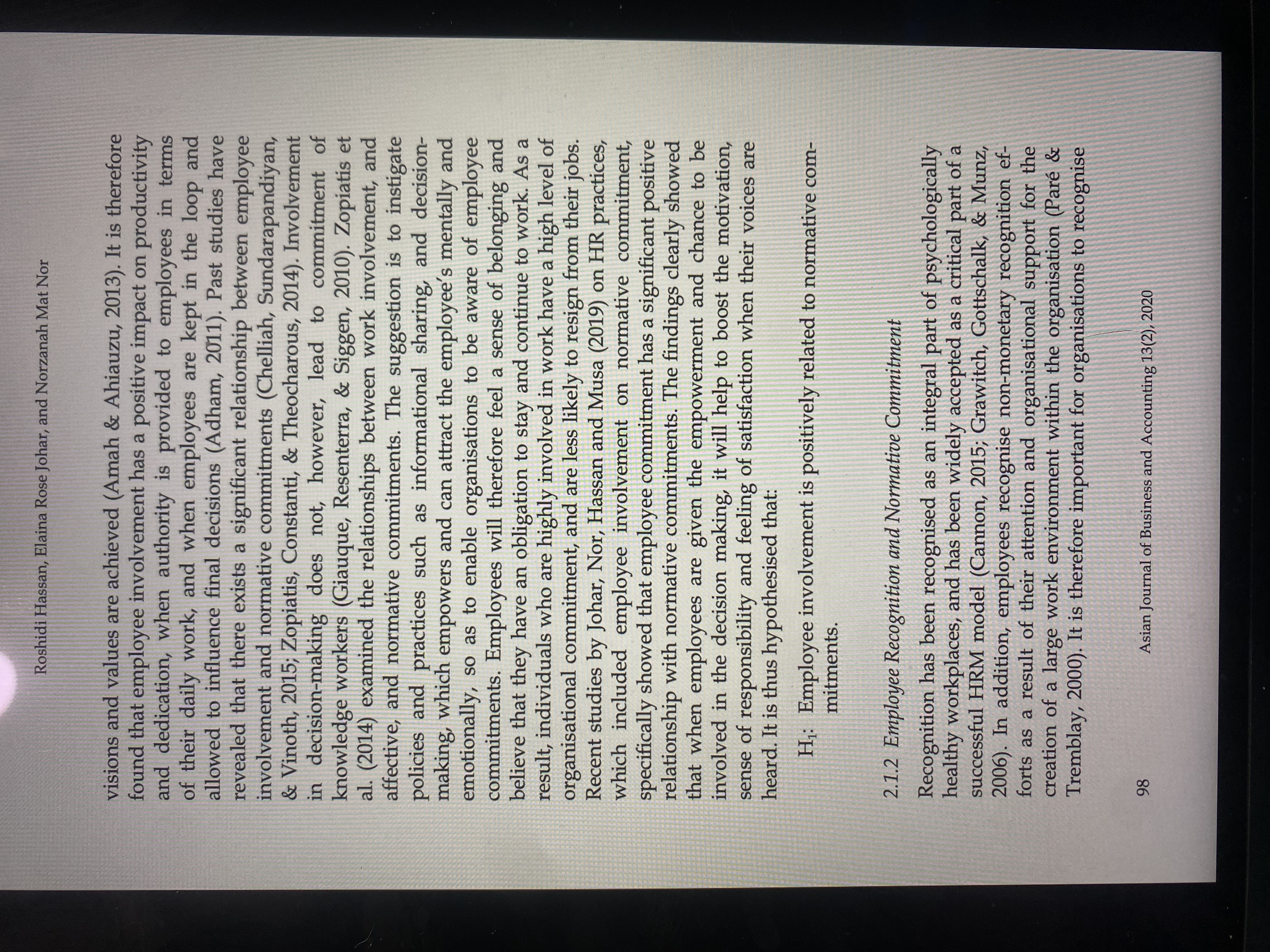
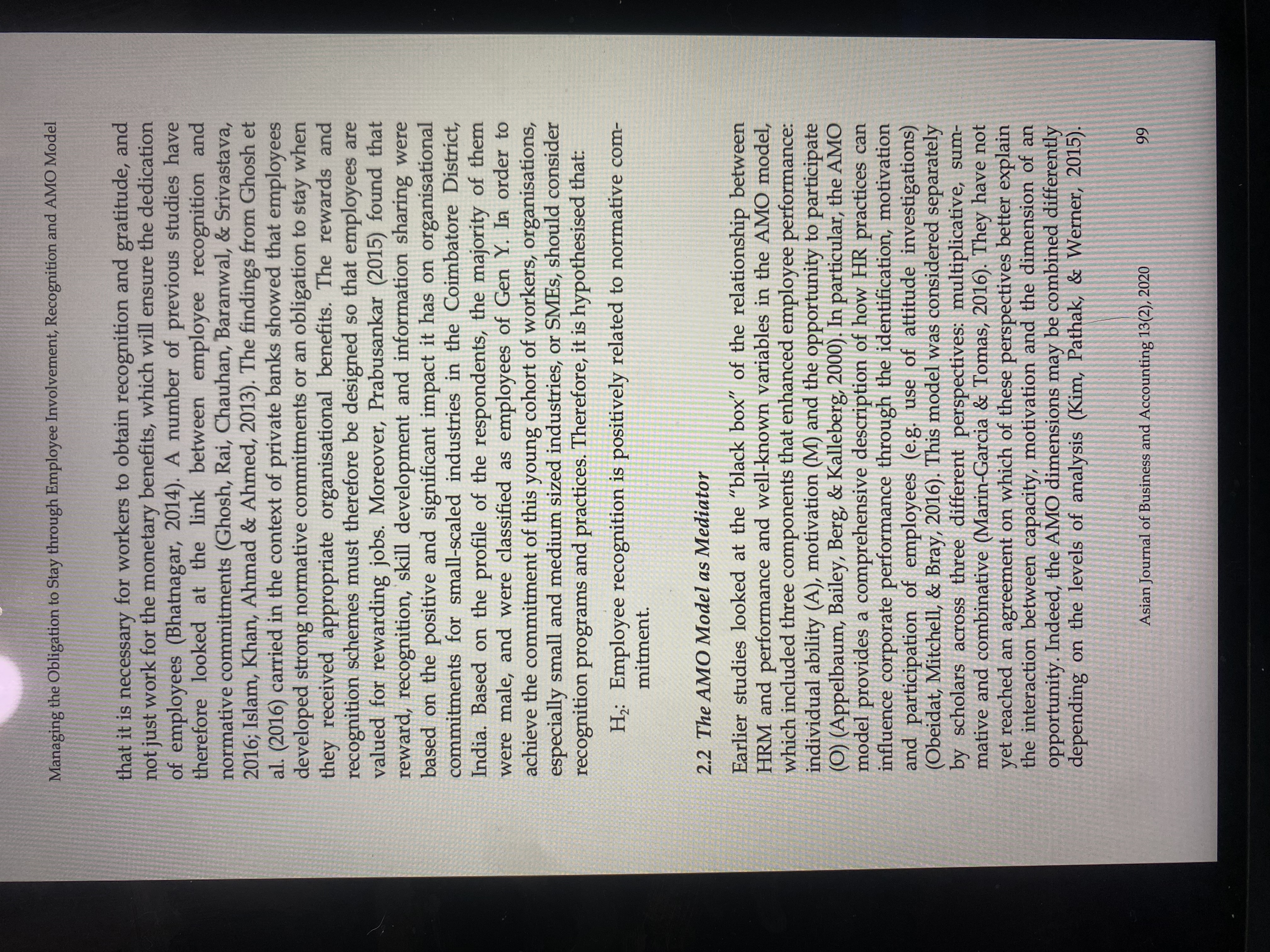
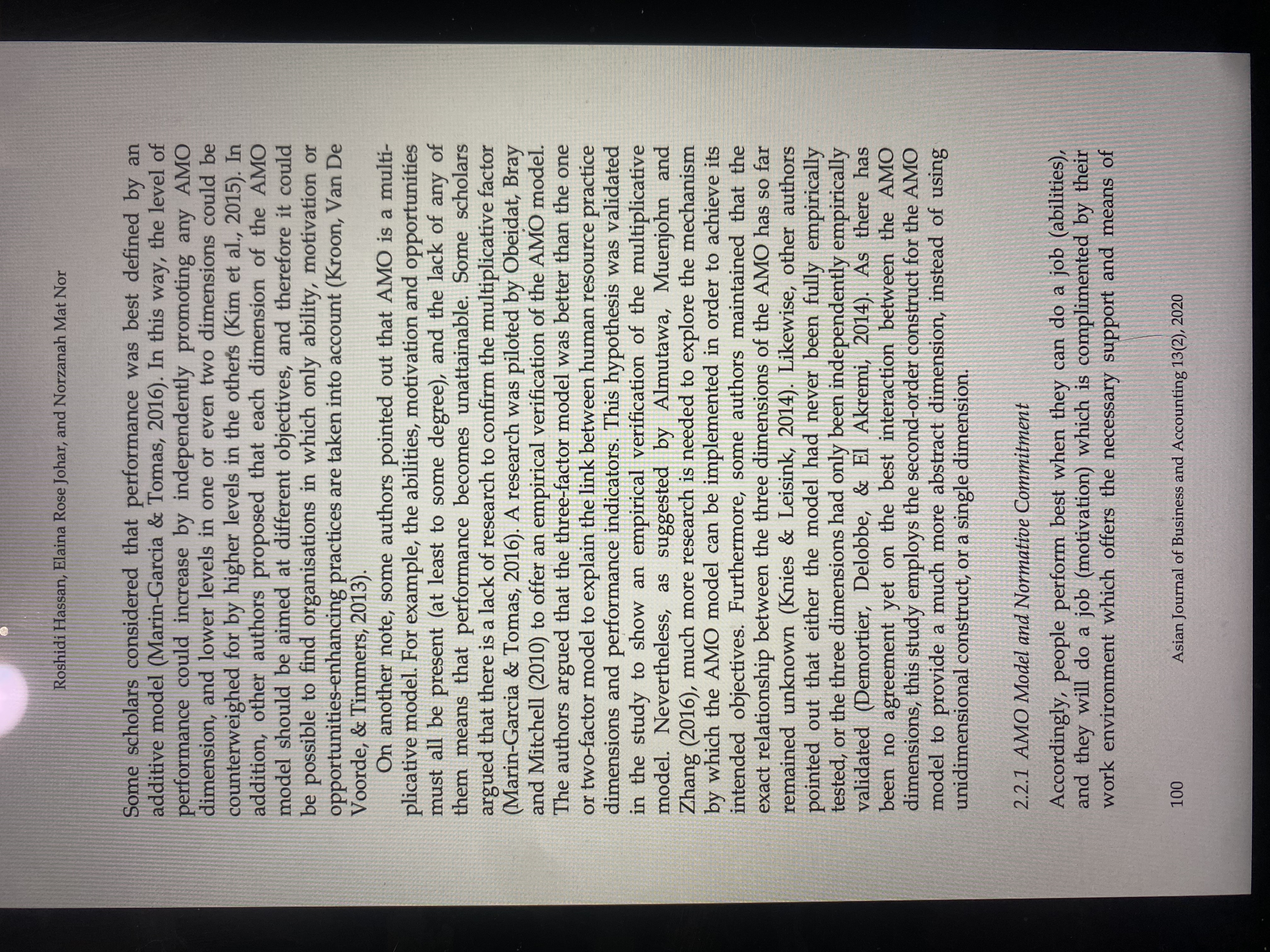
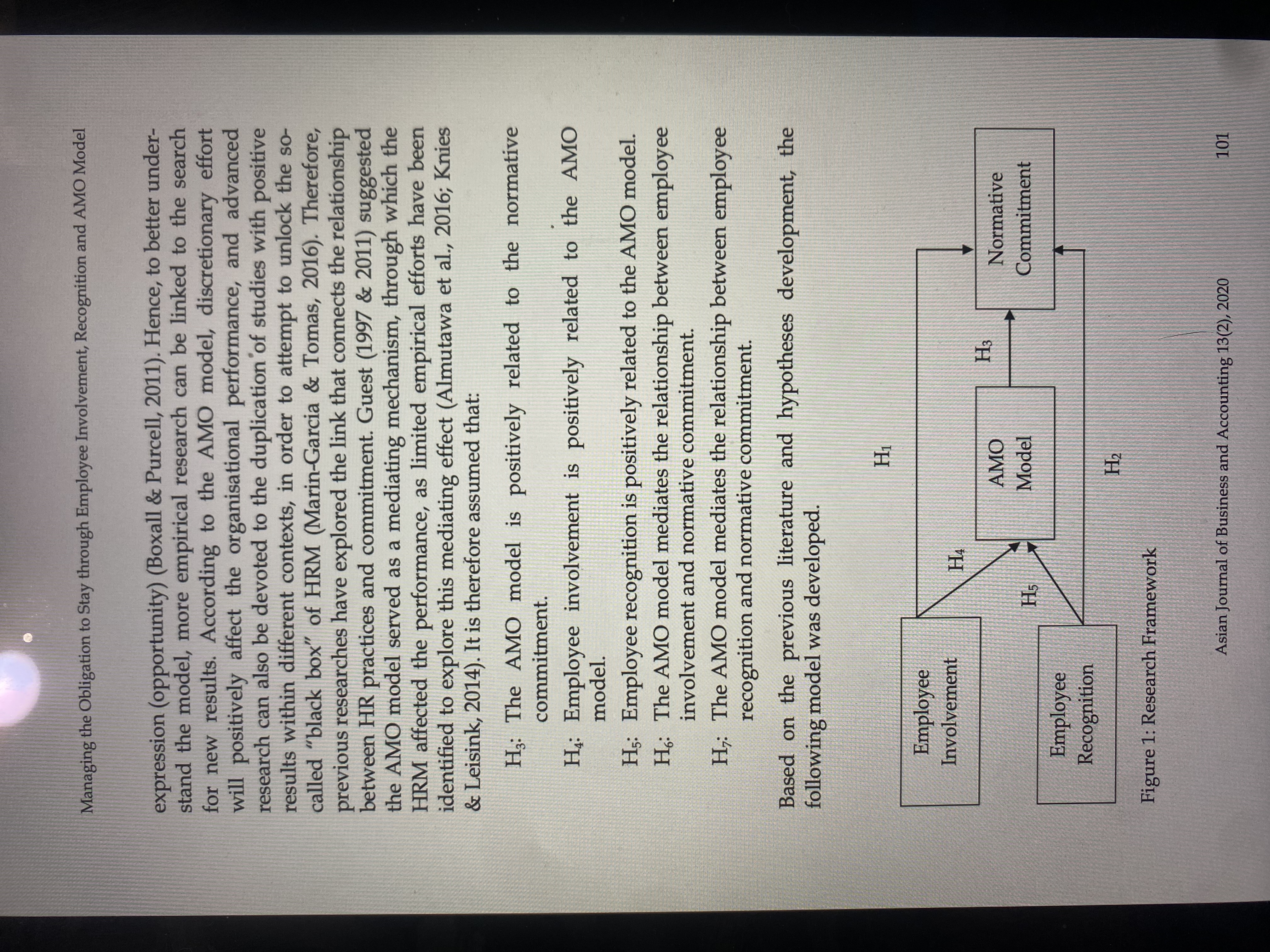
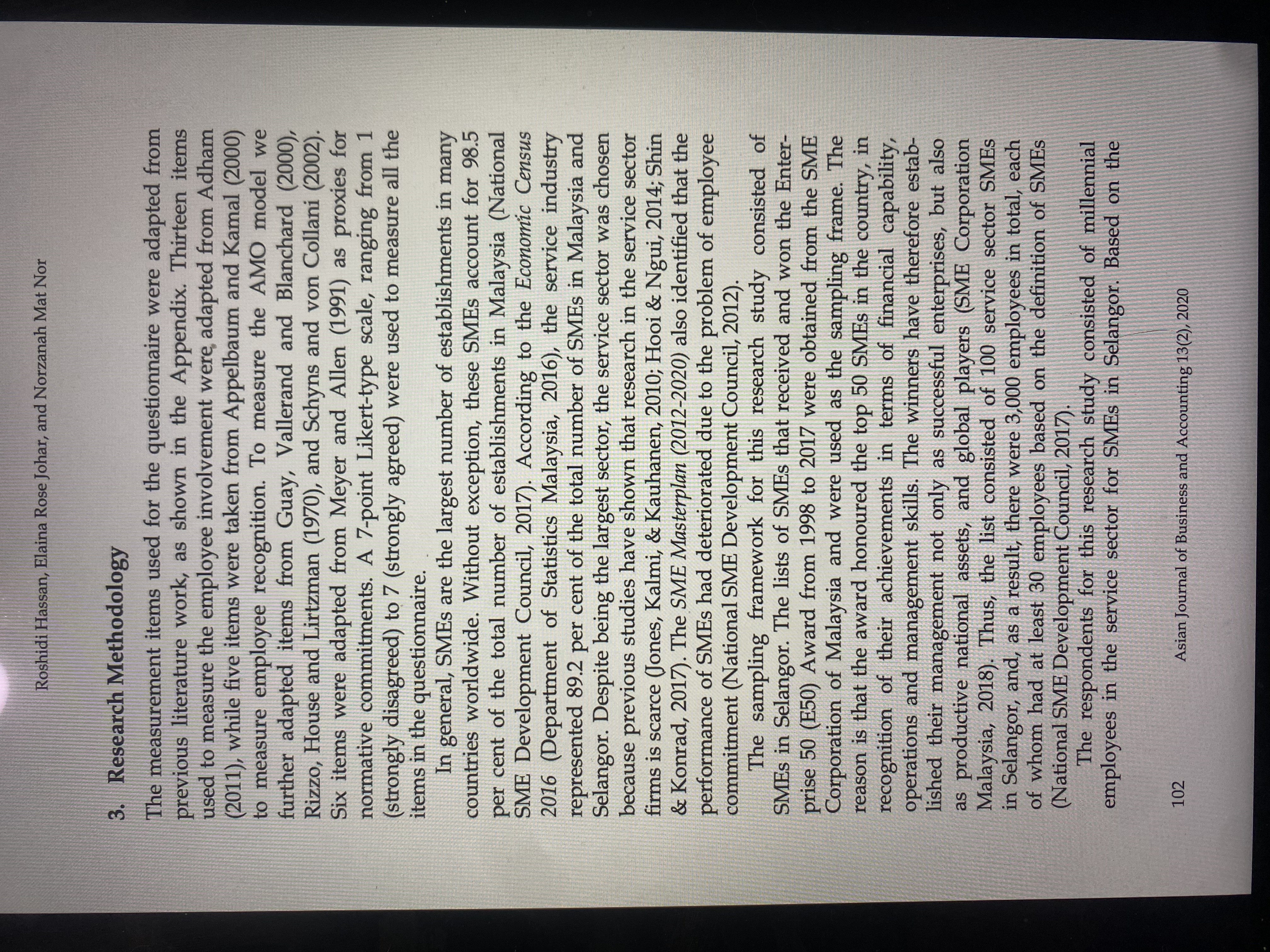
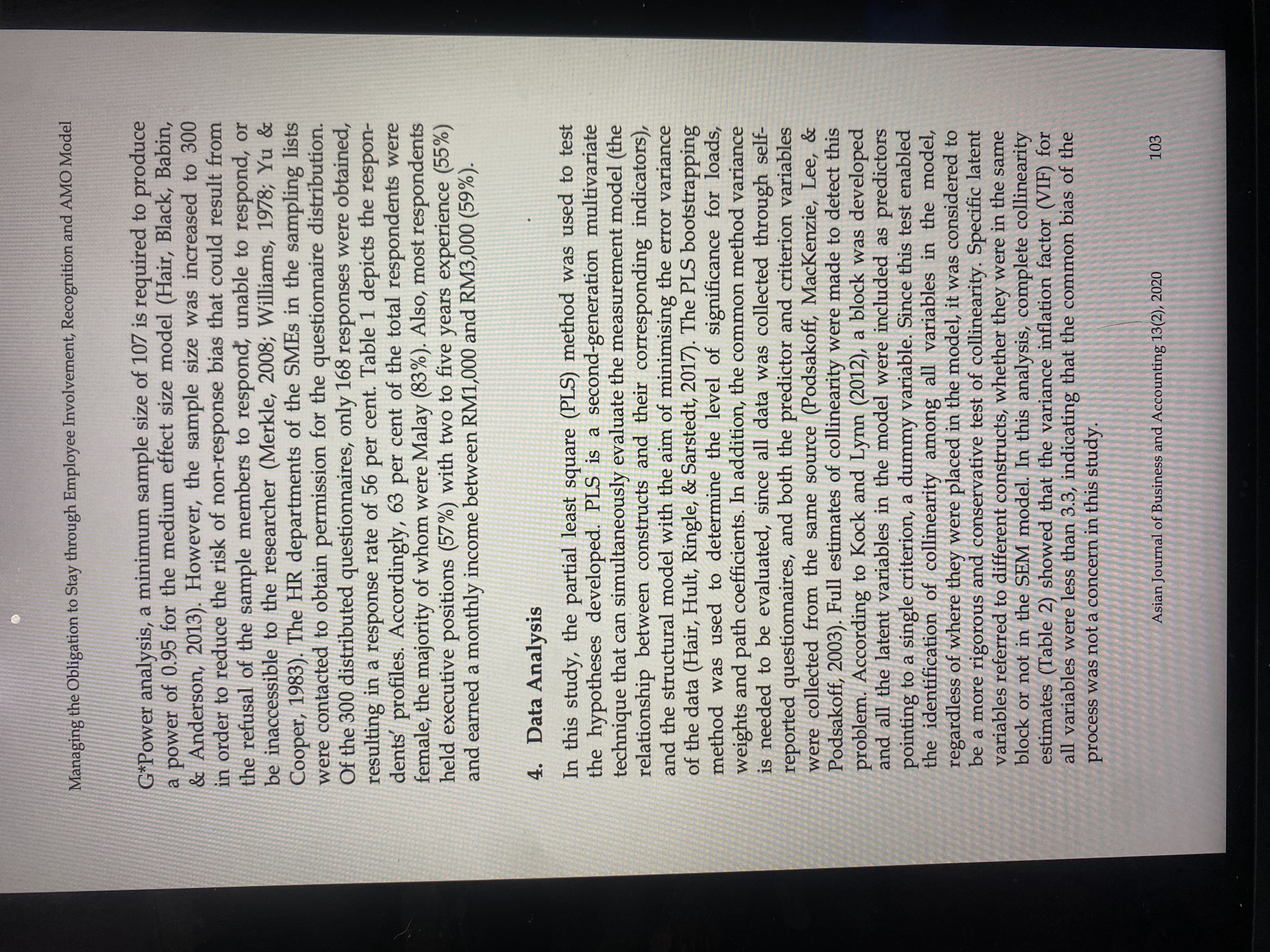
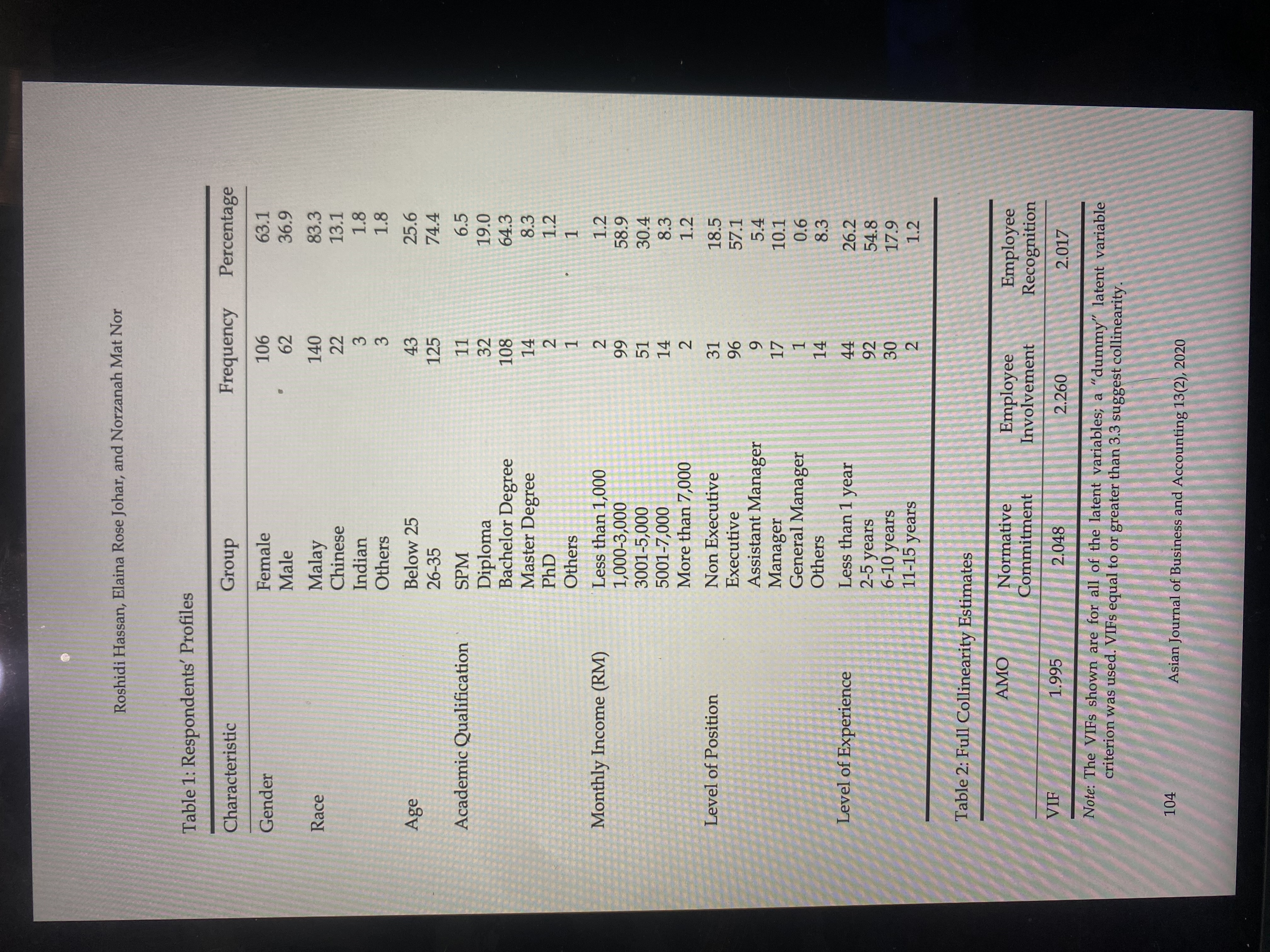
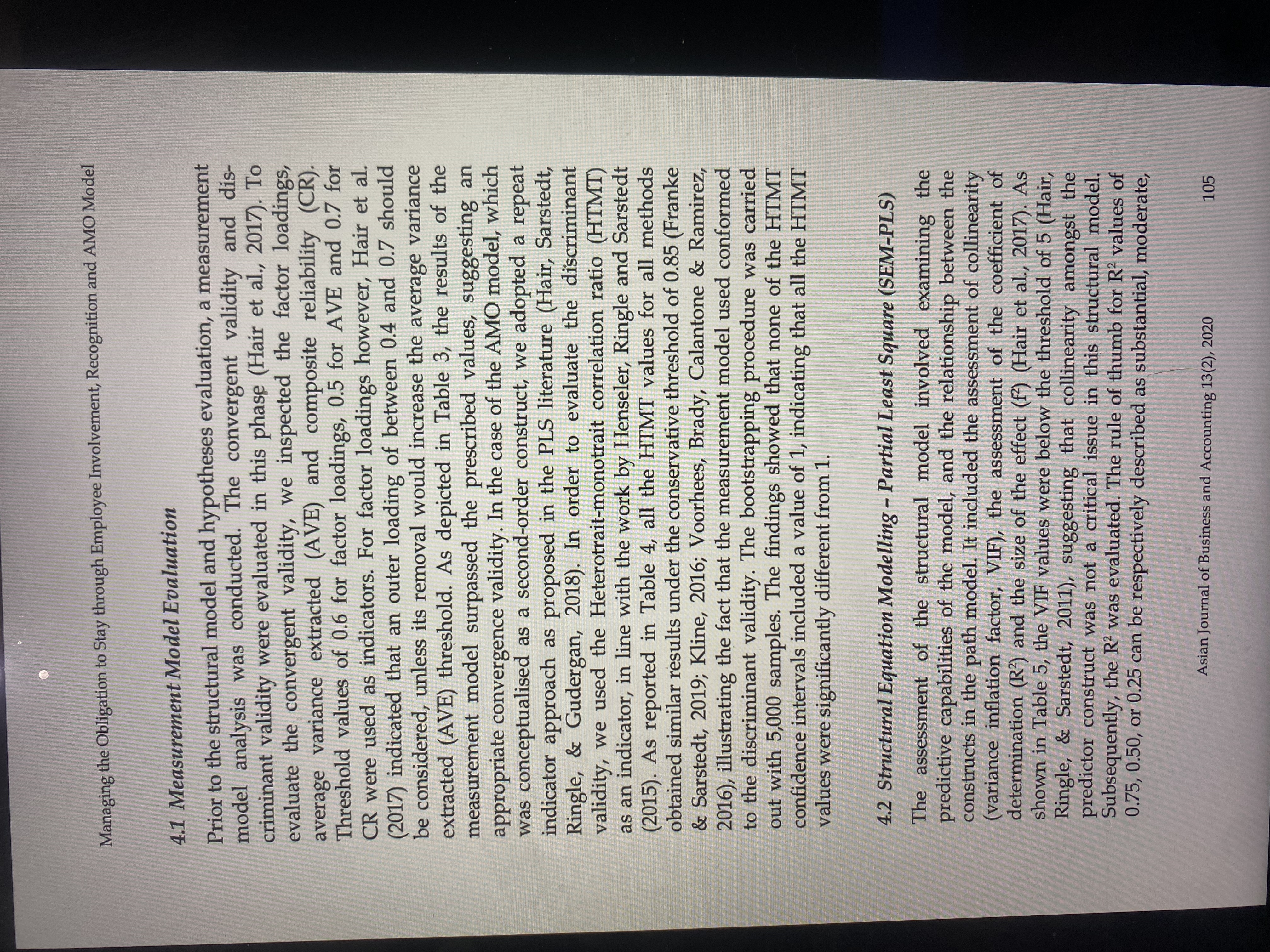
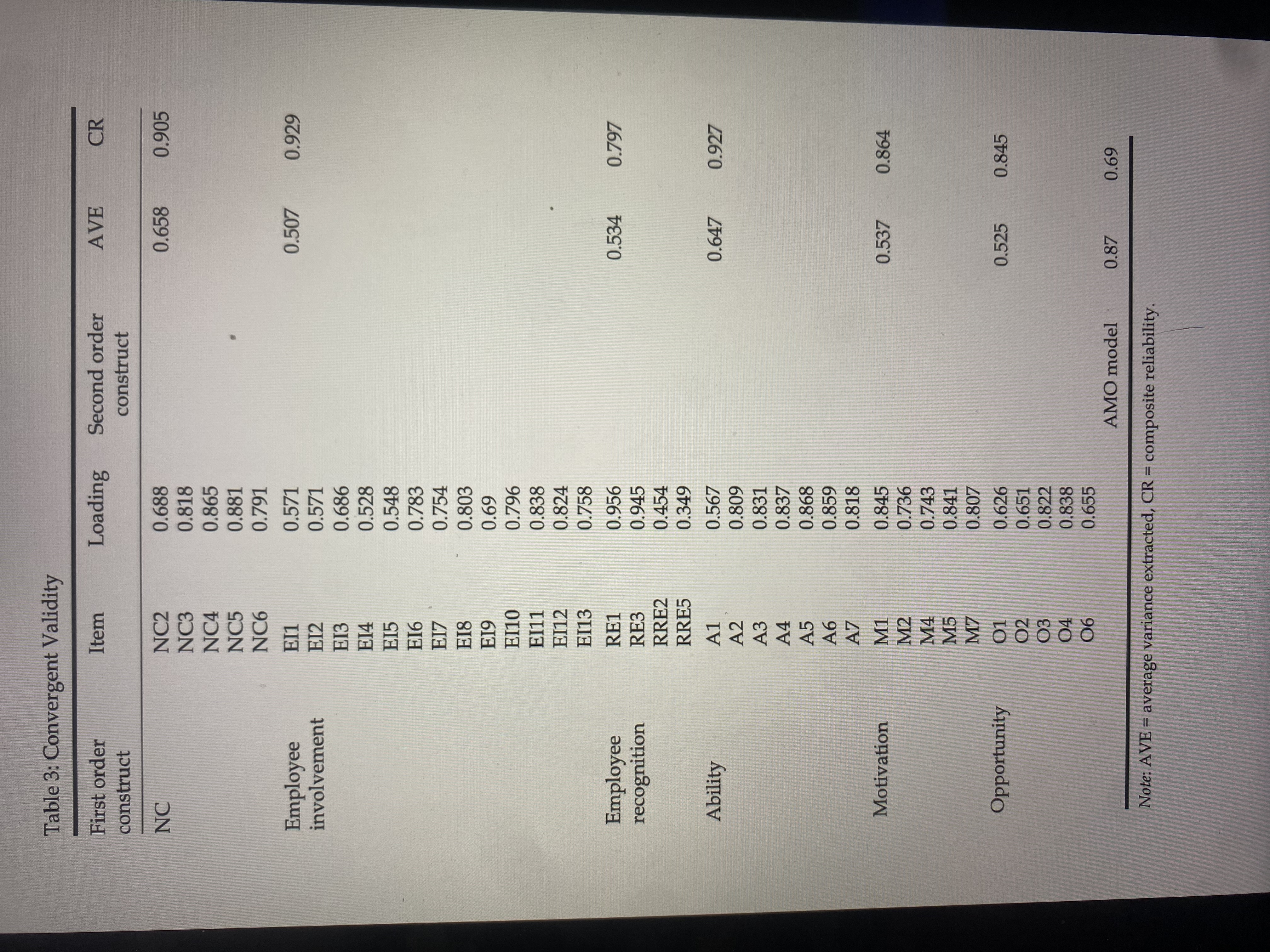
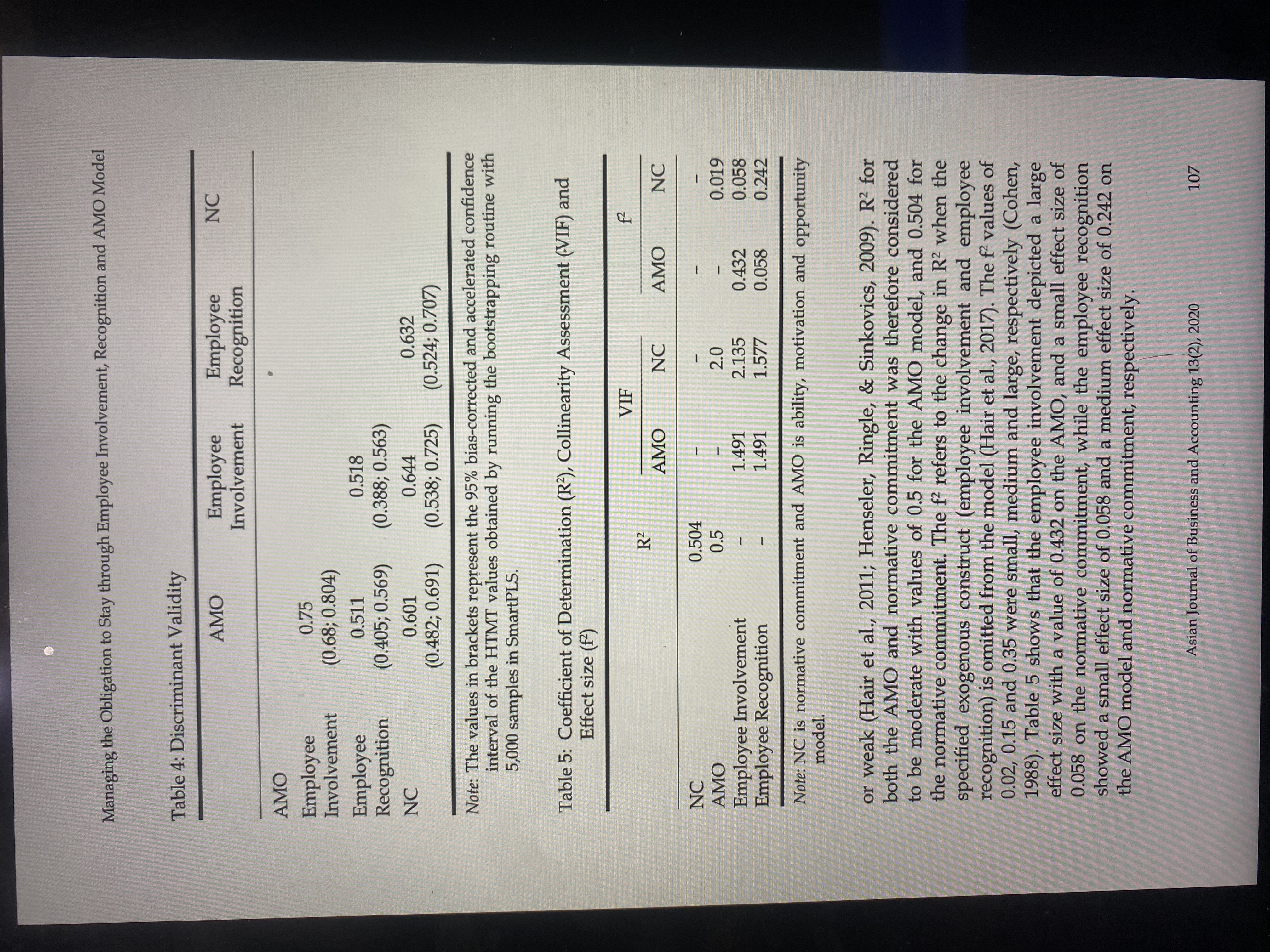
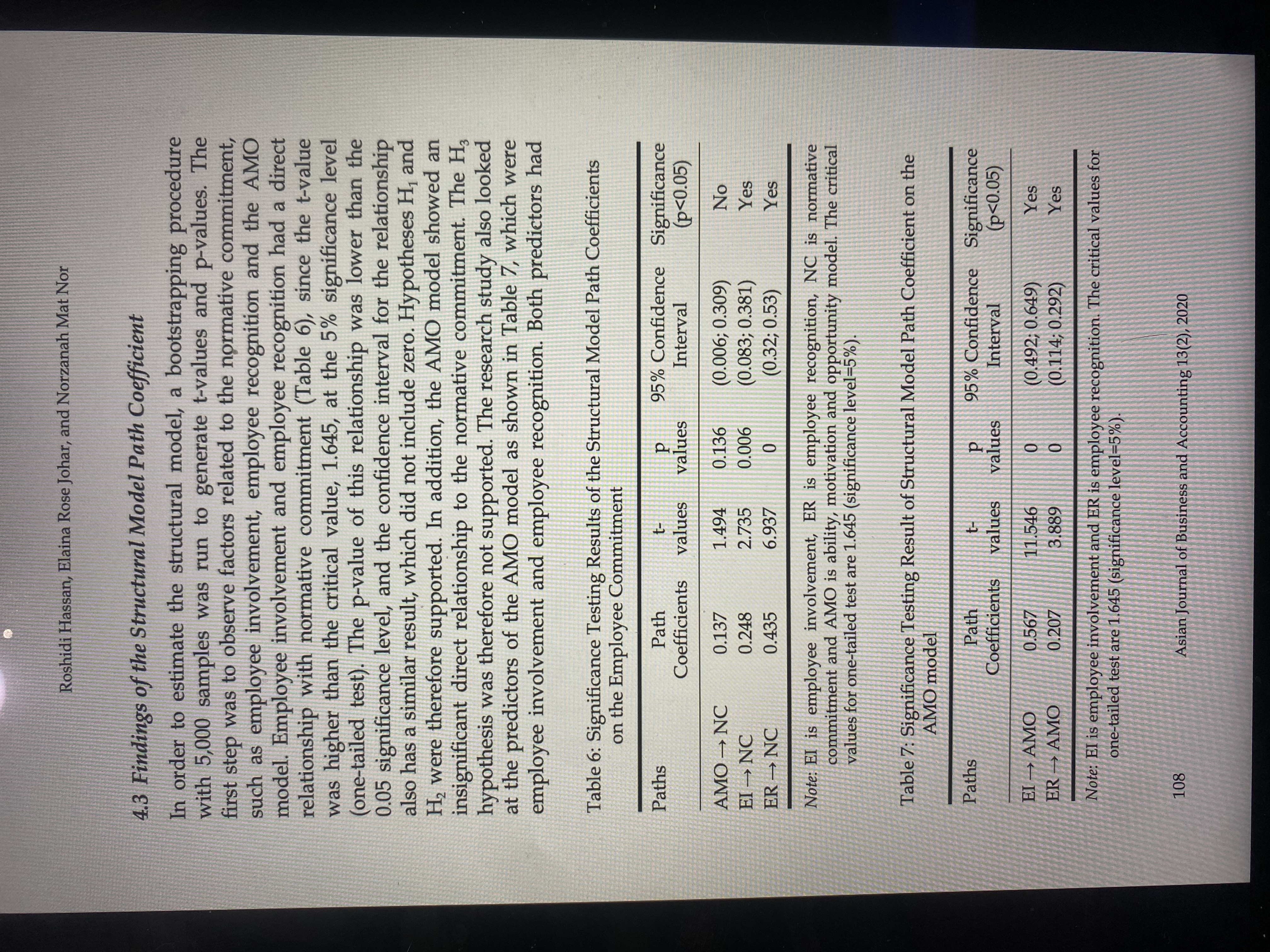
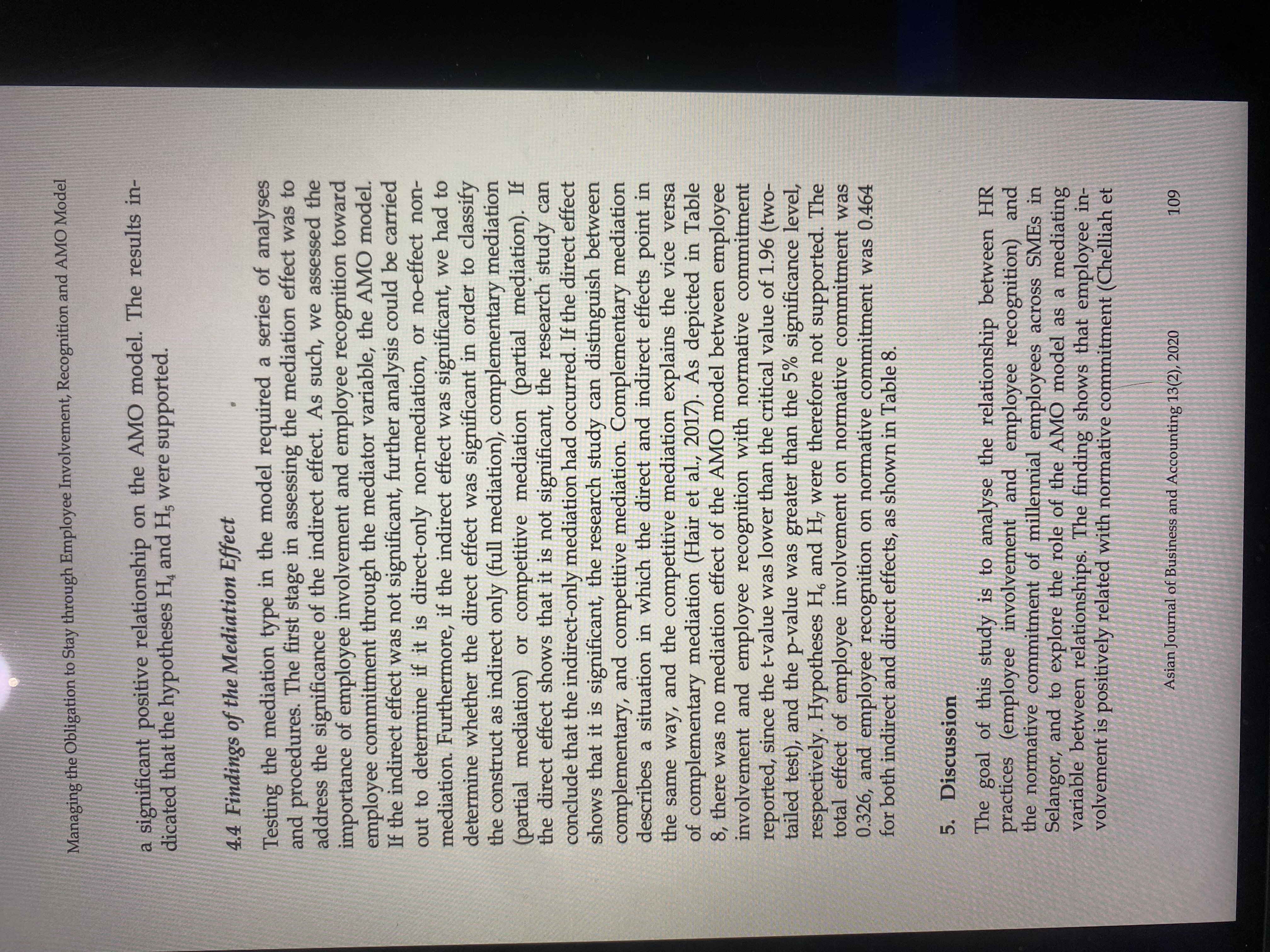
Managing the Obligation to Stay through Employee Involvement, Recognition and AMO. Model: A Study amongst Millennial Employees Roshidi Hassan, Elaina Rose Johar* and Norzanah Mat Nor ABSTRACT Manuscript type: Research paper Research aims: The aim of this paper is to investigate the impact of human resource practices, namely employee involvement and employee recognition, on normative commitments. It also attempts to determine the role of the ability, motivation and opportunity (AMO) model as a mediator in the relationship associated with human resource practices, and normative commitments. Design/Methodology/Approach: Data were collected across 168 employees, working in small and medium enterprises (SMEs) in Selangor, Malaysia. Structural equation modelling with bootstrapping estimation was used to predict and estimate the relationships. Research findings: The results indicate that both employee involve- ment and employee recognition have a significant impact on the normative commitment. This study however, indicates no mediation effect on both of these relationships. * Correponding author: Elaina Rose Johar is a Postgraduate Student at the Arshad Ayub Graduate Business School, UITM Shah Alam, Selangor, Malaysia, Email: ell_r7@yahoo.com.sg Roshidi Hassan is a Professor at the Arshad Ayub Graduate Business School, UiTM Shah Alam, Selangor, Malaysia. Email: roshidihQuitm.edu.my Norzanah Mat Nor is an Associate Professor at the Arshad Ayub Graduate Business School, UITM Shah Alam, Selangor, Malaysia. Email: norzanahQuitm.edu.my Acknowledgement: The authors would like to sincerely thank Arshad Ayub Graduate Business School (AAGBS), UITM Shah Alam for funding this research through the AAGBS research grants. https:/ / doi.org/10.22452/ ajba.vol13no2.4 Asian Journal of Business and Accounting 13(2), 2020 93Roshidi Hassan, Elaina Rose Johar, and Norzanah Mat Nor Theoretical contribution/Originality: This study seeks to compliment and extend the human resource (HR) practice and organisational commitment literature base by incorporating the AMO model as a mediation variable. Practitioner/Policy implication: The underlying messages to HR practitioners and also SMEs owners are that employee involvement and employee recognition are amongst the most important HR practices to be employed in the current working environment, which will soon be dominated by the millennials. Organisations should focus on exhibiting a great working environment that involves employees in daily work activities, and promotes recognition pro- grammes that motivates employees' retention rates. Research limitation: Data were collected through the use of a questionnaire in a designated period of time, and did not permit causal inferences. Moreover, it only focusses on service sectors of SMEs, and therefore the results may not be as generalised as one sought it to be. Keywords: Employee Involvement, Employee Recognition, Norma- tive Commitment, AMO model JEL Classification: M12 1. Introduction In this competitive business age, with most organisations engaged in a talent war, the human resources section in an organisation makes an imperative contribution to the success or failure of the organisation. What each employee brings to the organisation is special, and not easily imitated (Subramaniam, Shamsudin & Ibrahim, 2011). Employees are largely responsible for the implementation and realisation of the organisation's goals and strategies. Employee engagement is one of the critical obstacles for an organisation. The issue of job-hopping amongst Malaysian employees is becoming crucial. Randstad (2019) reported that 21 per cent of employees in Malaysia transitioned to new jobs in 2018, while 38 per cent of them planned to do so in 2019. This issue was reported to be much more significant amongst millennials and Gen-Zs. Considering the fact that these two groups of generations dominate the existing workplace by taking up the middle and senior management positions, it is imperative for organisations to develop a strategy to attract and retain millennials and to prepare their young talents for future leadership roles. Moreover, it is relatively common that there will be a gap between employees' expectations. What the organisation is offering 94 Asian Journal of Business and Accounting 13(2), 2020Managing the Obligation to Stay through Employee Involvement, Recognition and AMO Model as a commitment is a confidence built on the employee's perception of the employer's commitment to them, and returns the employer's good actions through their own thinking and behaviour (Osa & Amos, 2014). The importance of gaining commitment from such human assets is not only relevant in large organisations, but also in small and growing organisations, such as small and medium enterprises (SMEs). The SME Master Plan 2012-2020 has identified that the deterioration of performance of Malaysian SMEs is related to the lack of employee commitment due to frequent job-hopping (National SME Development Council, 2012). The chances that employees will remain committed to the organisation depends on their level of productivity, and the commitment of the organisation to support them (Lee & Chen, 2013; Osa & Amos, 2014). Taking into account the new cohort of millennial workers who now dominate the workforce, it is important for SMEs to keep up with these changes and manage human assets properly in order to gain and retain their commitment or obligation to stay. Therefore, human resource practices are considered to be an important factor in improving the commitment of employees to the organisation, by recognising that organisational commitment is a pillar of the modern human resource management (HRM) philosophy, as well as the strength that binds HRM practices (Mulolli, Islami, & Skenderi, 2015). Using previous reference works, the researchers examined the human resource practices relevant to the organisation's strategic business plan for sustainable performance and competitiveness. This included occupying the "black box" of the HRM-performance relation- ship, of which the organisational performance was only argued to be positively impacted by HRM practices through the employee's attitudes. In relating to this, human resource experts (Guest, 1997, 2011) have proposed, amongst others, the ability, motivation, opportunity (AMO) model as an option to serve as a mediating mechanism, by which HRM affects the performance. Whilst the AMO model has been studied extensively as a predictor (e.g. Al-Tit, 2020; Li, Jung & Kim, 2020; Bouwmans, Runhaar, Wesselink & Mulder, 2019) to employee performance, there is still a dearth of research that looks into the AMO model as an intervening variable in the HR-performance relationship, especially in a Malaysian context. This study therefore fills the gap by incorporating the AMO model as a mediating variable between employee recognition and normative commitment; it also addresses employee involvement and normative commitment. It focusses on millennial employees working in SMEs, as Asian Journal of Business and Accounting 13(2), 2020 95Roshidi Hassan, Elaina Rose Johar, and Norzanah Mat Nor this group of individuals are found to be commonly hopping from one job to another. The rest of this paper is organised as follows. Section 2 reviews previous literature on the underpinning theory and hypotheses development. Section 3 explains the research method, while Section 4 reports on the analysis administered for the associated gathered data. Section 5 discusses the findings and brings the chapter to a conclusion. 2. Literature Review and Hypotheses Development This study is based on the social exchange theory (SET). Blau (1964) introduced SET as an appropriate framework to link perceptions, attitudes and performances. This theory asserts that the resultant outcome of one's behaviour depends on the responsive behaviour by others within the exchange relationship. As human resource practices indicate to employees what the organisation has to offer, employees will at the same time demonstrate an act of reciprocity. They will feel obligated to react with positive attitude and behaviour. Subsequently, when the organisation meets the needs of employees and meets their expectations at the workplace, they will feel appreciated, and a factor called the reciprocal norm will emerge. These employees will reciprocate with a sense of duty and respond with continued high performance (Wayne, Shore, Bommer, & Tetrick, 2002; Saks, 2006; Wongboonsin et al., 2018). On the contrary, individuals may choose to leave existing relationships, or social exchanges, if the relationship outcomes are lower than expected. In other words, it means that employees leave the organisation or are not committed, unless they see any benefits or reciprocity of their actions in the relationship with the employer. Based on this theory, this study incorporates human resource practices, which are proxied by employee recognition, and employee involvement. These human resource practices are expected to lead to normative commit- ments through the AMO model. Subsequent sections provide detailed discussion on these relationships. 2.1 Human Resource Practices and Normative Commitment Scholars and practitioners have both acknowledged the role of HRM in enabling the company to remain competitive. Noe, Hollenbeck, Gerhart and Wright (2010) defined HRM as a philosophy, policy, system and practice of employee behaviour, attitudes and performance. It was only recently that the organisation realised the possible role of HRM in 96 Asian Journal of Business and Accounting 13(2), 2020Managing the Obligation to Stay through Employee Involvement, Recognition and AMO Model increasing organisational performance. In the past, organisations often overlooked the contribution of HRM towards organisational successes (Zakaria, Zainal, & Nasurdin, 2011). In this study, we believe that committed employees help achieve organisational goals. Employee commitment refers to association with or- ganisational goals, interests in working for the benefit of the organisation, and the willingness to remain with the organisation (Mowday, Steers, & Porter, 1979). In particular, the sense of obligation to continue employ- ment is referred to as a normative commitment (Meyer & Allen, 1991). Employees with a high level of normative commitment (NC) feel that they should remain with the organisation. Past studies have shown that there is a correlation between sound HR practices, a sense of duty, and a return to favour, as demonstrated by a substantive commitment. In reality, this responsibility element is nothing but a normative commit- ment, which plays a key role in establishing a connection between em- ployees and their organisation (Bergman, 2006). The relationship between employees and their organisation would make them more loyal and want to remain in the organisation that appreciates them for much longer. From previous literature work, it was noticed that there are diverse practices proposed by many of the previous HRM scholars, as there is no agreement on what HRM practices should include. In particular, the number of practices ought to be maintained as long as the organisation is aware of the needs and requirements of employees, in order to assist in the achievement of the specific organisational objectives. For the purpose of this study, employee involvement and employee recognition have been chosen as part of the human resource practices. Increased commitment and improved autonomy space will be achieved as a result of the ownership and responsibility of employee's involvement. On the other hand, employee recognition was chosen, because past studies have shown that recognition as a non-monetary reward has a significant relationship with employee commitment, and increases motivation amongst employees compared to monetary rewards, such as remuneration. Moreover, it is a good step to launch an investigation into the role of both involvement and recognition, especially in the current working environment inhabited by the new generation or cohort. 2.1.1 Employee Involvement and Normative Commitment Employee involvement involves human capacity, responsibility and ownership, and is important to the organisation, as it ensures that these Asian Journal of Business and Accounting 13(2), 2020 97Roshidi Hassan, Elaina Rose Johar, and Norzanah Mat Nor visions and values are achieved (Amah & Ahiauzu, 2013). It is therefore found that employee involvement has a positive impact on productivity and dedication, when authority is provided to employees in terms of their daily work, and when employees are kept in the loop and allowed to influence final decisions (Adham, 2011). Past studies have revealed that there exists a significant relationship between employee involvement and normative commitments (Chelliah, Sundarapandiyan, & Vinoth, 2015; Zopiatis, Constanti, & Theocharous, 2014). Involvement in decision-making does not, however, lead to commitment of knowledge workers (Giauque, Resenterra, & Siggen, 2010). Zopiatis et al. (2014) examined the relationships between work involvement, and affective, and normative commitments. The suggestion is to instigate policies and practices such as informational sharing, and decision- making, which empowers and can attract the employee's mentally and emotionally, so as to enable organisations to be aware of employee commitments. Employees will therefore feel a sense of belonging and believe that they have an obligation to stay and continue to work. As a result, individuals who are highly involved in work have a high level of organisational commitment, and are less likely to resign from their jobs. Recent studies by Johar, Nor, Hassan and Musa (2019) on HR practices, which included employee involvement on normative commitment, specifically showed that employee commitment has a significant positive relationship with normative commitments. The findings clearly showed that when employees are given the empowerment and chance to be involved in the decision making, it will help to boost the motivation, sense of responsibility and feeling of satisfaction when their voices are heard. It is thus hypothesised that: Hi: Employee involvement is positively related to normative com- mitments. 2.1.2 Employee Recognition and Normative Commitment Recognition has been recognised as an integral part of psychologically healthy workplaces, and has been widely accepted as a critical part of a successful HRM model (Cannon, 2015; Grawitch, Gottschalk, & Munz, 2006). In addition, employees recognise non-monetary recognition ef- forts as a result of their attention and organisational support for the creation of a large work environment within the organisation (Pare & Tremblay, 2000). It is therefore important for organisations to recognise 98 Asian Journal of Business and Accounting 13(2), 2020Managing the Obligation to Stay through Employee Involvement, Recognition and AMO Model that it is necessary for workers to obtain recognition and gratitude, and not just work for the monetary benefits, which will ensure the dedication of employees (Bhatnagar, 2014). A number of previous studies have therefore looked at the link between employee recognition and normative commitments (Ghosh, Rai, Chauhan, Baranwal, & Srivastava, 2016; Islam, Khan, Ahmad & Ahmed, 2013). The findings from Ghosh et al. (2016) carried in the context of private banks showed that employees developed strong normative commitments or an obligation to stay when they received appropriate organisational benefits. The rewards and recognition schemes must therefore be designed so that employees are valued for rewarding jobs. Moreover, Prabusankar (2015) found that reward, recognition, skill development and information sharing were based on the positive and significant impact it has on organisational commitments for small-scaled industries in the Coimbatore District, India. Based on the profile of the respondents, the majority of them were male, and were classified as employees of Gen Y. In order to achieve the commitment of this young cohort of workers, organisations, especially small and medium sized industries, or SMEs, should consider recognition programs and practices. Therefore, it is hypothesised that: H2: Employee recognition is positively related to normative com- mitment. 2.2 The AMO Model as Mediator Earlier studies looked at the "black box" of the relationship between HRM and performance and well-known variables in the AMO model, which included three components that enhanced employee performance: individual ability (A), motivation (M) and the opportunity to participate (O) (Appelbaum, Bailey, Berg, & Kalleberg, 2000). In particular, the AMO model provides a comprehensive description of how HR practices can influence corporate performance through the identification, motivation and participation of employees (e.g. use of attitude investigations) (Obeidat, Mitchell, & Bray, 2016). This model was considered separately by scholars across three different perspectives: multiplicative, sum- mative and combinative (Marin-Garcia & Tomas, 2016). They have not yet reached an agreement on which of these perspectives better explain the interaction between capacity, motivation and the dimension of an opportunity. Indeed, the AMO dimensions may be combined differently depending on the levels of analysis (Kim, Pathak, & Werner, 2015). Asian Journal of Business and Accounting 13(2), 2020 99Roshidi Hassan, Elaina Rose Johar, and Norzanah Mat Nor Some scholars considered that performance was best defined by an additive model (Marin-Garcia & Tomas, 2016). In this way, the level of performance could increase by independently promoting any AMO dimension, and lower levels in one or even two dimensions could be counterweighed for by higher levels in the other's (Kim et al., 2015). In addition, other authors proposed that each dimension of the AMO model should be aimed at different objectives, and therefore it could be possible to find organisations in which only ability, motivation or opportunities-enhancing practices are taken into account (Kroon, Van De Voorde, & Timmers, 2013). On another note, some authors pointed out that AMO is a multi- plicative model. For example, the abilities, motivation and opportunities must all be present (at least to some degree), and the lack of any of them means that performance becomes unattainable. Some scholars argued that there is a lack of research to confirm the multiplicative factor (Marin-Garcia & Tomas, 2016). A research was piloted by Obeidat, Bray and Mitchell (2010) to offer an empirical verification of the AMO model. The authors argued that the three-factor model was better than the one or two-factor model to explain the link between human resource practice dimensions and performance indicators. This hypothesis was validated in the study to show an empirical verification of the multiplicative model. Nevertheless, as suggested by Almutawa, Muenjohn and Zhang (2016), much more research is needed to explore the mechanism by which the AMO model can be implemented in order to achieve its intended objectives. Furthermore, some authors maintained that the exact relationship between the three dimensions of the AMO has so far remained unknown (Knies & Leisink, 2014). Likewise, other authors pointed out that either the model had never been fully empirically tested, or the three dimensions had only been independently empirically validated (Demortier, Delobbe, & El Akremi, 2014). As there has been no agreement yet on the best interaction between the AMO dimensions, this study employs the second-order construct for the AMO model to provide a much more abstract dimension, instead of using unidimensional construct, or a single dimension. 2.2.1 AMO Model and Normative Commitment Accordingly, people perform best when they can do a job (abilities) and they will do a job (motivation) which is complimented by their work environment which offers the necessary support and means of 100 Asian Journal of Business and Accounting 13(2), 2020Managing the Obligation to Stay through Employee Involvement, Recognition and AMO Model expression (opportunity) (Boxall & Purcell, 2011). Hence, to better under- stand the model, more empirical research can be linked to the search for new results. According to the AMO model, discretionary effort will positively affect the organisational performance, and advanced research can also be devoted to the duplication of studies with positive results within different contexts, in order to attempt to unlock the so- called "black box" of HRM (Marin-Garcia & Tomas, 2016). Therefore, previous researches have explored the link that connects the relationship between HR practices and commitment. Guest (1997 & 2011) suggested the AMO model served as a mediating mechanism, through which the HRM affected the performance, as limited empirical efforts have been identified to explore this mediating effect (Almutawa et al., 2016; Knies & Leisink, 2014). It is therefore assumed that: H,: The AMO model is positively related to the normative commitment. HA: Employee involvement is positively related to the AMO model. H5: Employee recognition is positively related to the AMO model. Ho: The AMO model mediates the relationship between employee involvement and normative commitment. H,: The AMO model mediates the relationship between employee recognition and normative commitment. Based on the previous literature and hypotheses development, the following model was developed. HI Employee Involvement HA AMO H3 Normative Hs Model Commitment Employee Recognition H2 Figure 1: Research Framework Asian Journal of Business and Accounting 13(2), 2020 101Roshidi Hassan, Elaina Rose Johar, and Norzanah Mat Nor 3. Research Methodology The measurement items used for the questionnaire were adapted from previous literature work, as shown in the Appendix. Thirteen items used to measure the employee involvement were, adapted from Adham (2011), while five items were taken from Appelbaum and Kamal (2000) to measure employee recognition. To measure the AMO model we further adapted items from Guay, Vallerand and Blanchard (2000), Rizzo, House and Lirtzman (1970), and Schyns and von Collani (2002). Six items were adapted from Meyer and Allen (1991) as proxies for normative commitments. A 7-point Likert-type scale, ranging from 1 (strongly disagreed) to 7 (strongly agreed) were used to measure all the items in the questionnaire. In general, SMEs are the largest number of establishments in many countries worldwide. Without exception, these SMEs account for 98.5 per cent of the total number of establishments in Malaysia (National SME Development Council, 2017). According to the Economic Census 2016 (Department of Statistics Malaysia, 2016), the service industry represented 89.2 per cent of the total number of SMEs in Malaysia and Selangor. Despite being the largest sector, the service sector was chosen because previous studies have shown that research in the service sector firms is scarce (Jones, Kalmi, & Kauhanen, 2010; Hooi & Ngui, 2014; Shin & Konrad, 2017). The SME Masterplan (2012-2020) also identified that the performance of SMEs had deteriorated due to the problem of employee commitment (National SME Development Council, 2012). The sampling framework for this research study consisted of SMEs in Selangor. The lists of SMEs that received and won the Enter- prise 50 (E50) Award from 1998 to 2017 were obtained from the SME Corporation of Malaysia and were used as the sampling frame. The reason is that the award honoured the top 50 SMEs in the country, in recognition of their achievements in terms of financial capability, operations and management skills. The winners have therefore estab- lished their management not only as successful enterprises, but also as productive national assets, and global players (SME Corporation Malaysia, 2018). Thus, the list consisted of 100 service sector SMEs in Selangor, and, as a result, there were 3,000 employees in total, each of whom had at least 30 employees based on the definition of SMEs (National SME Development Council, 2017). The respondents for this research study consisted of millennial employees in the service sector for SMEs in Selangor. Based on the 102 Asian Journal of Business and Accounting 13(2), 2020Managing the Obligation to Stay through Employee Involvement, Recognition and AMO Model G*Power analysis, a minimum sample size of 107 is required to produce a power of 0.95 for the medium effect size model (Hair, Black, Babin, & Anderson, 2013). However, the sample size was increased to 300 in order to reduce the risk of non-response bias that could result from the refusal of the sample members to respond, unable to respond, or be inaccessible to the researcher (Merkle, 2008; Williams, 1978; Yu & Cooper, 1983). The HR departments of the SMEs in the sampling lists were contacted to obtain permission for the questionnaire distribution. Of the 300 distributed questionnaires, only 168 responses were obtained, resulting in a response rate of 56 per cent. Table 1 depicts the respon dents' profiles. Accordingly, 63 per cent of the total respondents were female, the majority of whom were Malay (83%). Also, most respondents held executive positions (57%) with two to five years experience (55%) and earned a monthly income between RM1,000 and RM3,000 (59%). 4. Data Analysis In this study, the partial least square (PLS) method was used to test the hypotheses developed. PLS is a second-generation multivariate technique that can simultaneously evaluate the measurement model (the relationship between constructs and their corresponding indicators), and the structural model with the aim of minimising the error variance of the data (Hair, Hult, Ringle, & Sarstedt, 2017). The PLS bootstrapping method was used to determine the level of significance for loads, weights and path coefficients. In addition, the common method variance is needed to be evaluated, since all data was collected through self- reported questionnaires, and both the predictor and criterion variables were collected from the same source (Podsakoff, Mackenzie, Lee, & Podsakoff, 2003). Full estimates of collinearity were made to detect this problem. According to Kock and Lynn (2012), a block was developed and all the latent variables in the model were included as predictors pointing to a single criterion, a dummy variable. Since this test enabled the identification of collinearity among all variables in the model, regardless of where they were placed in the model, it was considered to be a more rigorous and conservative test of collinearity. Specific latent variables referred to different constructs, whether they were in the same block or not in the SEM model. In this analysis, complete collinearity estimates (Table 2) showed that the variance inflation factor (VIF) for all variables were less than 3.3, indicating that the common bias of the process was not a concern in this study. Asian Journal of Business and Accounting 13(2), 2020 103Roshidi Hassan, Elaina Rose Johar, and Norzanah Mat Nor Table 1: Respondents' Profiles Characteristic Group Frequency Percentage Gender Female 106 63.1 Male 62 36.9 Race Malay 140 83.3 Chinese 22 13.1 Indian 3 1.8 Others 3 1.8 Age Below 25 43 25.6 26-35 125 74.4 Academic Qualification SPM 11 6.5 Diploma 32 19.0 Bachelor Degree BOT 64.3 Master Degree 14 8.3 PhD 2 1.2 Others 1 1 Monthly Income (RM) Less than 1,000 2 1.2 1,000-3,000 99 58.9 3001-5,000 51 30.4 5001-7,000 14 8.3 More than 7,000 2 1.2 Level of Position Non Executive 31 18.5 Executive 96 57.1 Assistant Manager 9 5.4 Manager 17 10.1 General Manager 1 0.6 Others 14 8.3 Level of Experience Less than 1 year 44 26.2 2-5 years 92 54.8 6-10 years 30 17.9 11-15 years 2 1.2 Table 2: Full Collinearity Estimates AMO Normative Employee Employee Commitment Involvement Recognition VIF 1.995 2.048 2.260 2.017 Note: The VIFs shown are for all of the latent variables; a "dummy" latent variable criterion was used. VIFs equal to or greater than 3.3 suggest collinearity 104 Asian Journal of Business and Accounting 13(2), 2020Managing the Obligation to Stay through Employee Involvement, Recognition and AMO Model 4.1 Measurement Model Evaluation Prior to the structural model and hypotheses evaluation, a measurement model analysis was conducted. The convergent validity and dis- criminant validity were evaluated in this phase (Hair et al., 2017). To evaluate the convergent validity, we inspected the factor loadings, average variance extracted (AVE) and composite reliability (CR). Threshold values of 0.6 for factor loadings, 0.5 for AVE and 0.7 for CR were used as indicators. For factor loadings however, Hair et al. (2017) indicated that an outer loading of between 0.4 and 0.7 should be considered, unless its removal would increase the average variance extracted (AVE) threshold. As depicted in Table 3, the results of the measurement model surpassed the prescribed values, suggesting an appropriate convergence validity. In the case of the AMO model, which was conceptualised as a second-order construct, we adopted a repeat indicator approach as proposed in the PLS literature (Hair, Sarstedt, Ringle, & Gudergan, 2018). In order to evaluate the discriminant validity, we used the Heterotrait-monotrait correlation ratio (HTMT) as an indicator, in line with the work by Henseler, Ringle and Sarstedt (2015). As reported in Table 4, all the HTMT values for all methods obtained similar results under the conservative threshold of 0.85 (Franke & Sarstedt, 2019; Kline, 2016; Voorhees, Brady, Calantone & Ramirez, 2016), illustrating the fact that the measurement model used conformed to the discriminant validity. The bootstrapping procedure was carried out with 5,000 samples. The findings showed that none of the HTMT confidence intervals included a value of 1, indicating that all the HTMT values were significantly different from 1. 4.2 Structural Equation Modelling - Partial Least Square (SEM-PLS) The assessment of the structural model involved examining the predictive capabilities of the model, and the relationship between the constructs in the path model. It included the assessment of collinearity (variance inflation factor, VIF), the assessment of the coefficient of determination (R2) and the size of the effect (f.) (Hair et al., 2017). As shown in Table 5, the VIF values were below the threshold of 5 (Hair, Ringle, & Sarstedt, 2011), suggesting that collinearity amongst the predictor construct was not a critical issue in this structural model. Subsequently, the R2 was evaluated. The rule of thumb for R2 values of 0.75, 0.50, or 0.25 can be respectively described as substantial, moderate, Asian Journal of Business and Accounting 13(2), 2020 105Table 3: Convergent Validity First order Item Loading Second order AVE CR construct construct NC NC2 0.688 0.658 0.905 NC3 0.818 NC4 0.865 NC5 0.881 NC6 0.791 Employee EI1 0.571 0.507 0.929 involvement E12 0.571 EI3 0.686 EI4 0.528 EI5 0.548 EI6 0.783 EI7 0.754 EI8 0.803 EI9 0.69 EI10 0.796 EI11 0.838 EI12 0.824 EI13 0.758 Employee RE1 0.956 0.534 0.797 recognition RE3 0.945 RRE2 0.454 RRES 0.349 Ability A1 0.567 0.647 0.927 A2 0.809 A3 0.831 A4 0.837 A5 0.868 A6 0.859 A7 0.818 Motivation M1 0.845 0.537 0.864 M2 0.736 M4 0.743 M5 0.841 M7 0.807 Opportunity 01 0.626 0.525 02 0.845 0.651 03 0.822 04 0.838 06 0.655 AMO model 0.87 0.69 Note: AVE = average variance extracted, CR = composite reliability.Managing the Obligation to Stay through Employee Involvement, Recognition and AMO Model Table 4: Discriminant Validity AMO Employee Employee NC Involvement Recognition AMO Employee 0.75 Involvement (0.68; 0.804) Employee 0.511 0.518 Recognition (0.405; 0.569) (0.388; 0.563) NC 0.601 0.644 0.632 (0.482; 0.691) (0.538; 0.725) (0.524; 0.707) Note: The values in brackets represent the 95% bias-corrected and accelerated confidence interval of the HTMT values obtained by running the bootstrapping routine with 5,000 samples in SmartPLS. Table 5: Coefficient of Determination (R2), Collinearity Assessment (VIF) and Effect size (f2) VIF R2 AMO NC AMO NC NC 0.504 AMO 0.5 2.0 0.019 Employee Involvement 1.491 2.135 0.432 0.058 Employee Recognition 1.491 1.577 0.058 0.242 Note: NC is normative commitment and AMO is ability, motivation and opportunity model. or weak (Hair et al., 2011; Henseler, Ringle, & Sinkovics, 2009). R2 for both the AMO and normative commitment was therefore considered to be moderate with values of 0.5 for the AMO model, and 0.504 for the normative commitment. The f? refers to the change in R2 when the specified exogenous construct (employee involvement and employee recognition) is omitted from the model (Hair et al., 2017). The f values of 0.02, 0.15 and 0.35 were small, medium and large, respectively (Cohen, 1988). Table 5 shows that the employee involvement depicted a large effect size with a value of 0.432 on the AMO, and a small effect size of 0.058 on the normative commitment, while the employee recognition showed a small effect size of 0.058 and a medium effect size of 0.242 on the AMO model and normative commitment, respectively. Asian Journal of Business and Accounting 13(2), 2020 107Roshidi Hassan, Elaina Rose Johar, and Norzanah Mat Nor 4.3 Findings of the Structural Model Path Coefficient In order to estimate the structural model, a bootstrapping procedure with 5,000 samples was run to generate t-values and p-values. The first step was to observe factors related to the normative commitment, such as employee involvement, employee recognition and the AMO model. Employee involvement and employee recognition had a direct relationship with normative commitment (Table 6), since the t-value was higher than the critical value, 1.645, at the 5% significance level (one-tailed test). The p-value of this relationship was lower than the 0.05 significance level, and the confidence interval for the relationship also has a similar result, which did not include zero. Hypotheses H, and H2 were therefore supported. In addition, the AMO model showed an insignificant direct relationship to the normative commitment. The H, hypothesis was therefore not supported. The research study also looked at the predictors of the AMO model as shown in Table 7, which were employee involvement and employee recognition. Both predictors had Table 6: Significance Testing Results of the Structural Model Path Coefficients on the Employee Commitment Paths Path t- P 95% Confidence Significance Coefficients values values Interval (p
Step by Step Solution
There are 3 Steps involved in it
1 Expert Approved Answer
Step: 1 Unlock
Question Has Been Solved by an Expert!
Get step-by-step solutions from verified subject matter experts
Step: 2 Unlock
Step: 3 Unlock
Students Have Also Explored These Related General Management Questions!