







Question: Data Analysis. Short-answer questions 2. While both predictive and prescriptive analytics forecasts future outcomes, prescriptive analytics goes a step further and helps make specific recommendations
Data Analysis.
Short-answer questions

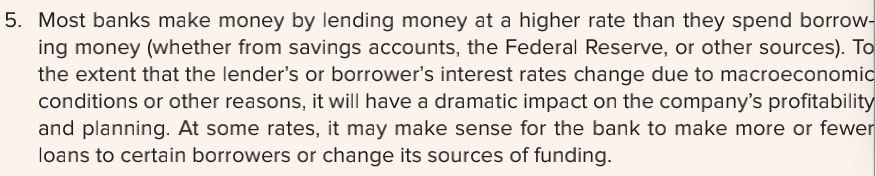
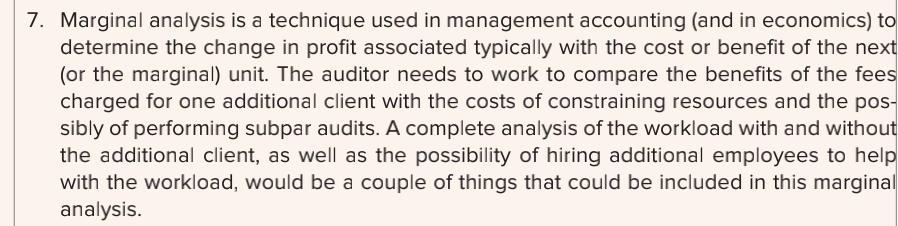
2. While both predictive and prescriptive analytics forecasts future outcomes, prescriptive analytics goes a step further and helps make specific recommendations for management to consider based on what is expected to happen. Most banks make money by lending money at a higher rate than they spend borrow ing money (whether from savings accounts, the Federal Reserve, or other sources). To the extent that the lender's or borrower's interest rates change due to macroeconomic conditions or other reasons, it will have a dramatic impact on the company's profitability and planning. At some rates, it may make sense for the bank to make more or fewer loans to certain borrowers or change its sources of funding. 7. Marginal analysis is a technique used in management accounting (and in economics) to determine the change in profit associated typically with the cost or benefit of the next (or the marginal) unit. The auditor needs to work to compare the benefits of the fees charged for one additional client with the costs of constraining resources and the pos sibly of performing subpar audits. A complete analysis of the workload with and without the additional client, as well as the possibility of hiring additional employees to help with the workload, would be a couple of things that could be included in this margina analysis. 2. While both predictive and prescriptive analytics forecasts future outcomes, prescriptive analytics goes a step further and helps make specific recommendations for management to consider based on what is expected to happen. Most banks make money by lending money at a higher rate than they spend borrow ing money (whether from savings accounts, the Federal Reserve, or other sources). To the extent that the lender's or borrower's interest rates change due to macroeconomic conditions or other reasons, it will have a dramatic impact on the company's profitability and planning. At some rates, it may make sense for the bank to make more or fewer loans to certain borrowers or change its sources of funding. 7. Marginal analysis is a technique used in management accounting (and in economics) to determine the change in profit associated typically with the cost or benefit of the next (or the marginal) unit. The auditor needs to work to compare the benefits of the fees charged for one additional client with the costs of constraining resources and the pos sibly of performing subpar audits. A complete analysis of the workload with and without the additional client, as well as the possibility of hiring additional employees to help with the workload, would be a couple of things that could be included in this margina analysis
Step by Step Solution
There are 3 Steps involved in it

Get step-by-step solutions from verified subject matter experts
 Study Help