







Question: Dear Tutor, please answer the following questions and explain the reason the other answers are not correct. Thanks! 26. Approximately 100,000 elephants were illegally killed
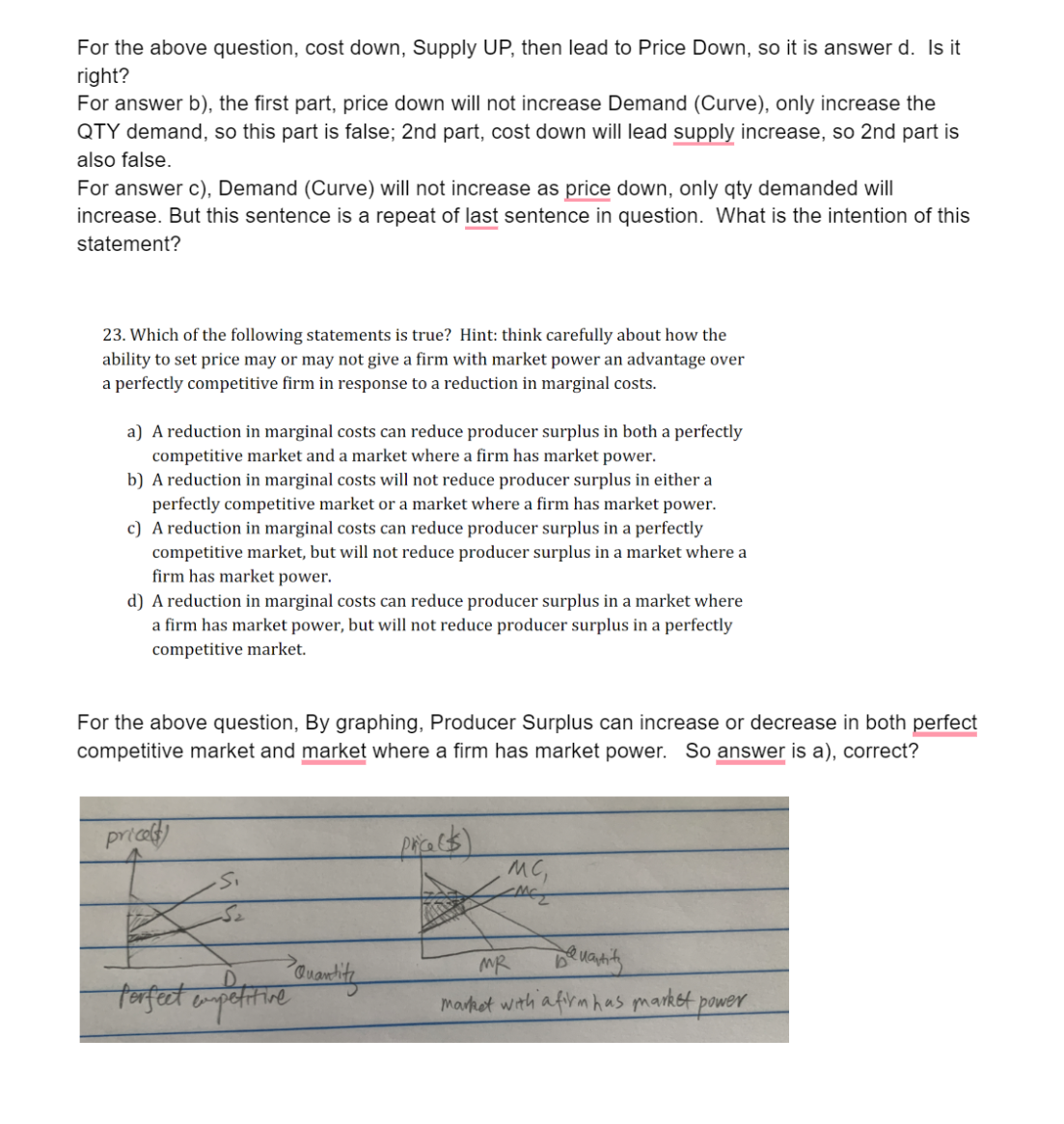
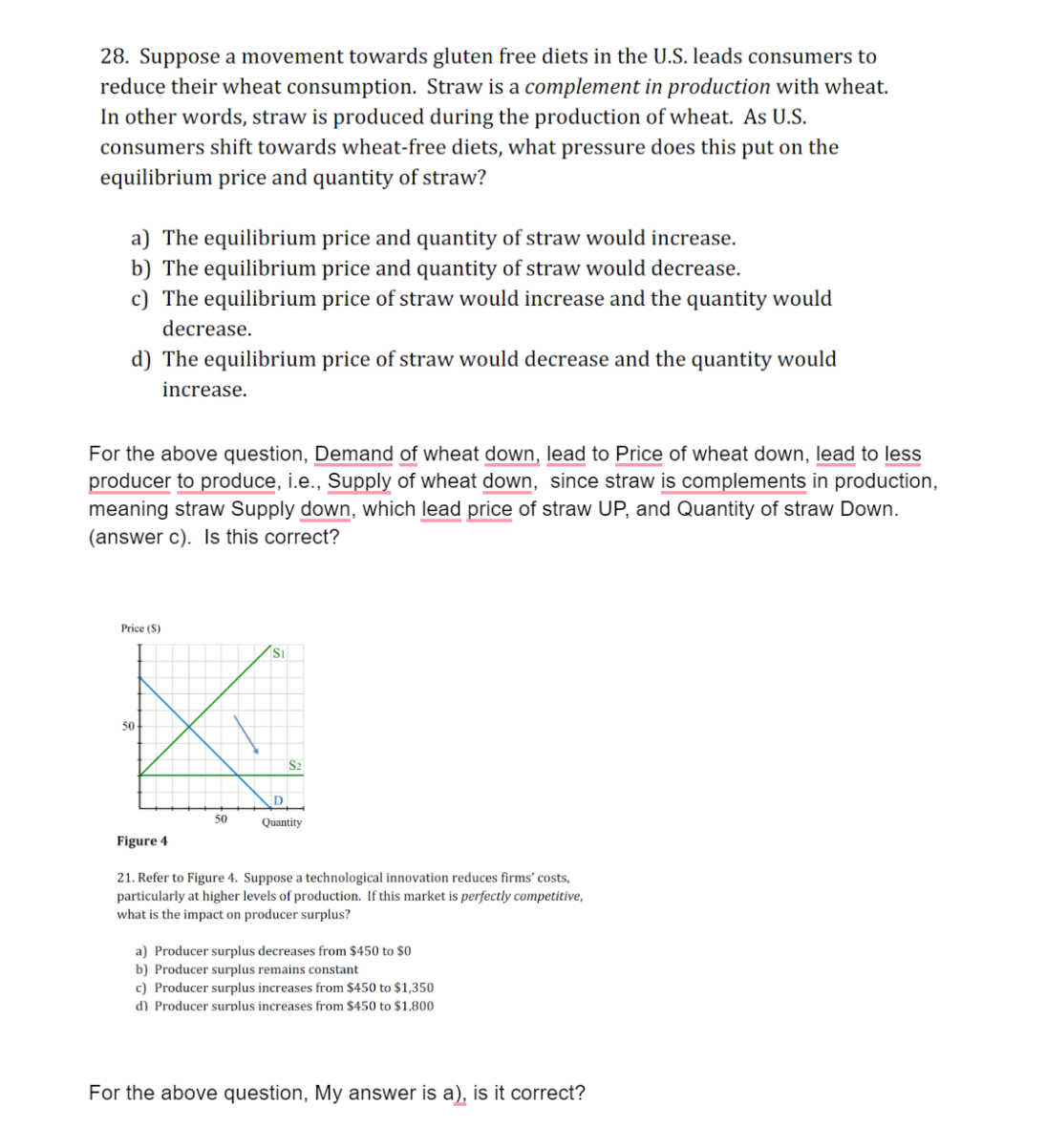
Dear Tutor, please answer the following questions and explain the reason the other answers are not correct. Thanks! 26. Approximately 100,000 elephants were illegally killed (poached) in Africa between 2010 and 2012 for their tusks, which are made of ivory.5 In 2015, Kenyan officials ordered 15 tons of confiscated elephant tusks to be burned as a public statement against the ivory trade. 6 How many of the following statements are true? The price of ivory is higher than it would have been than if this ivory had been sold, which increases the incentive for poachers to continue to illegally hunt elephants. The burning likely raised public awareness about where ivory comes from, how it is (illegally) obtained, and the effect it is having on the number of African elephants. This would lead to an increase in the price of ivory and poachers' incentives to continue to illegally hunt elephants. A reduction in the amount of ivory for sale and an increase in consumers' aversion to buying ivory would have an uncertain impact on the price of ivory. a) None of the above statements is true. b) One of the above statements is true. c) Two of the above statements are true. d) Three of the above statements are true. For the above questions, first statement by itself is correct, because Supply is down, lead to price up, BUT in the same time, this burning event brings awareness, lead to less Demand, then leads to Price down, so the overall effect is ambiguous which aligns with 3rd statement. Do you consider both first statement and the third statement are true? (answer c) Or you should only consider the third statement is true? (answer b) 20. Describe why the following statement is false: "The cost of producing compact fluorescent light (CFL) bulbs fell because of technological improvements in the production process. As a result, the supply of CFL bulbs increased. This caused the price of CFL bulbs to fall; as the price of CFL bulbs fell the demand for CFL bulbs increased." a) The statement is false because CFL bulb producers would not reduce their prices as a result of improvements in technology; doing so would reduce their profits. b) The statement is false. A decrease in the price of CFL bulbs would increase the demand for CFL bulbs, but a decrease in the cost of CFL bulbs would not cause the supply for CFL bulbs to increase. ) The statement is false because the demand for CFL bulbs would increase as the price of CFL bulbs fell d) The statement is false. A decrease in the cost of producing CFL bulbs would cause an increase in supply, but demand would not increase in response to the increase in supply.For the above question. cost down. Supply UP. then lead to Price Down. so it is answer d. Is it right? For answer b). the rst part. price down will not increase Demand (Curve). only increase the OTV demand, so this part is false; 2nd pan. cost down will lead suBEly increase. so 2nd part is also false. For answer 0). Demand (Curve) will not increase as m down. only qty demanded will increase. But this sentence is a repeat of la_st sentence in question. What is the intention of this statement? 23. which otttte iollowing statements is true? Hint: drink earerully ahout haw the ability to set price may or may not give a rm with market power an advantage over a perfectly competitive rm In response to a reduction in marginal costs. a) A reduction in marginal costs can reduce producer surplus in both a perrectly competitive market and a market where a lirm has market power. h) A reduction in marginal costs will not reduce producer surplus in either a perfectly competitive market ora market where a rm has market power. c] A reduction in marginal costs can reduce producer surplus in a perfectly competitive market, but will not reduce producer surplus in a market where a rm has market power. d) A reduction in marginal costs an reduce producer surplus in a market where a llrm has market powert but will not reduce producer surplus in a perfectly competitive market. For the above question. By graphing. Producer Surplus can increase or decrease in both Eerfect competitive market and market where a rm has market power. So answer is a). correct? 28. Suppose a movement towards gluten free diets in the U.S. leads consumers to reduce their wheat consumption. Straw is a complement in production with wheat. In other words, straw is produced during the production of wheat. As U.S consumers shift towards wheat-free diets, what pressure does this put on the equilibrium price and quantity of straw? a) The equilibrium price and quantity of straw would increase. b) The equilibrium price and quantity of straw would decrease. c) The equilibrium price of straw would increase and the quantity would decrease. d) The equilibrium price of straw would decrease and the quantity would increase. For the above question, Demand of wheat down, lead to Price of wheat down, lead to less producer to produce, i.e., Supply of wheat down, since straw is complements in production, meaning straw Supply down, which lead price of straw UP, and Quantity of straw Down. (answer c). Is this correct? Price ($) Quantity Figure 4 21. Refer to Figure 4. Suppose a technological innovation reduces firms' costs, particularly at higher levels of production. If this market is perfectly competitive, what is the impact on producer surplus? a) Producer surplus decreases from $450 to $0 b) Producer surplus remains constant c) Producer surplus increases from $450 to $1,350 d) Producer surplus increases from $450 to $1.800 For the above question, My answer is a), is it correct
Step by Step Solution
There are 3 Steps involved in it

Get step-by-step solutions from verified subject matter experts
 Study Help