Question: Emotional Courage This activity is important because emotional intelligence is critical for success in business for managers and employees. Emotional courage is one skill you
Emotional Courage This activity is important
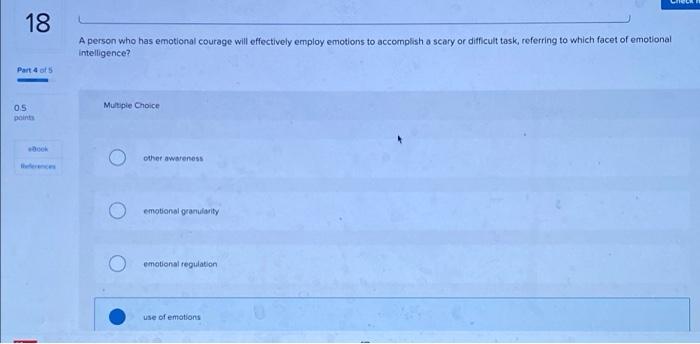
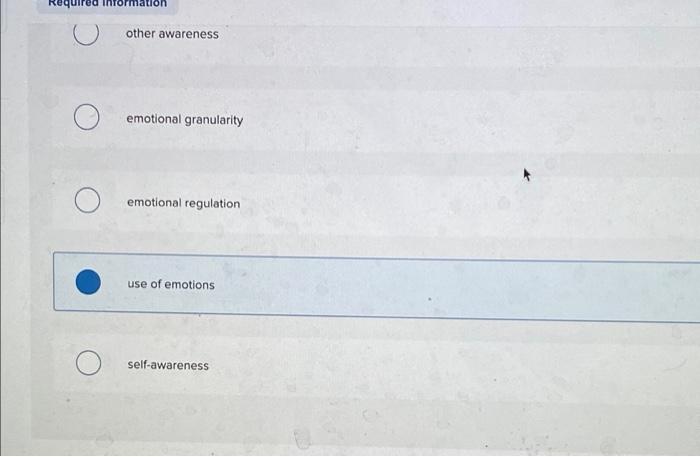
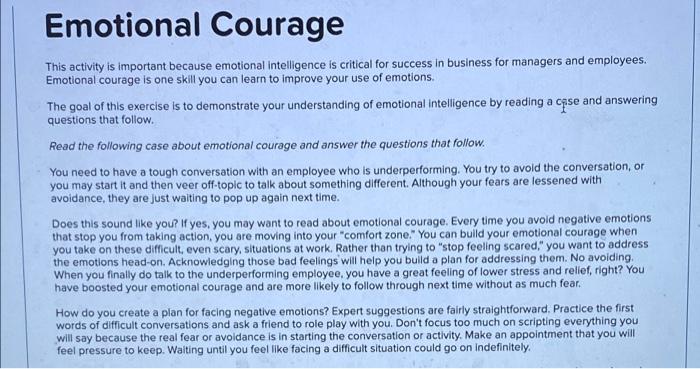
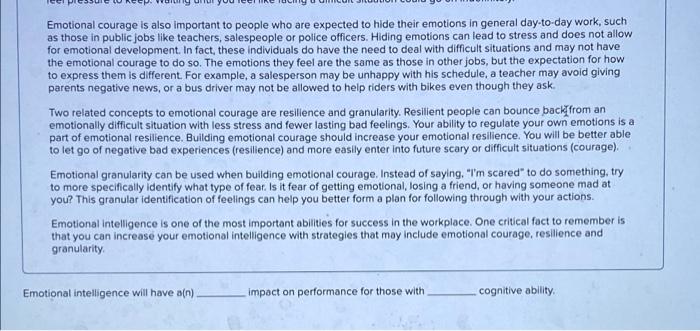
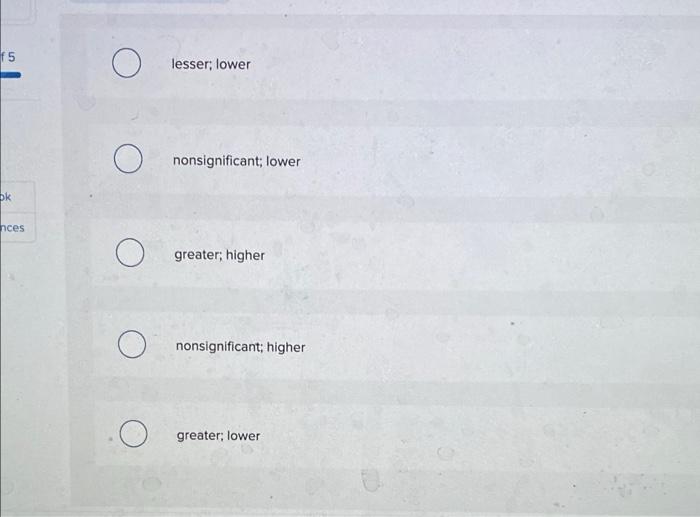
Emotional Courage This activity is important because emotional intelligence is critical for success in business for managers and employees. Emotional courage is one skill you can learn to improve your use of emotions. The goal of this exercise is to demonstrate your understanding of emotional intelligence by reading a case and answering questions that follow. Read the following case about emotional courage and answer the questions that follow. You need to have a tough conversation with an employee who is underperforming. You try to avoid the conversation, or you may start it and then veer off-topic to talk about something different. Although your fears are lessened with avoidance, they are just waiting to pop up again next time. Does this sound like you? If yes, you may want to read about emotional courage. Every time you avoid negative emotions that stop you from taking action, you are moving into your "comfort zone." You can build your emotional courage when you take on these difficult, even scary, situations at work. Rather than trying to "stop feeling scared." you want to address the emotions head-on. Acknowledging those bad feelings will help you build a plan for addressing them. No avoiding When you finally do talk to the underperforming employee you have a great feeling of lower stress and relief, right? You have boosted your emotional courage and are more likely to follow through next time without as much fear, How do you create a plan for facing negative emotions? Expert suggestions are fairly straightforward. Practice the first words of difficult conversations and ask a friend to role play with you. Don't focus too much on scripting everything you will say because the real fear or avoidance is in starting the conversation or activity. Make an appointment that you will feel pressure to keep. Waiting until you feel like facing a difficult situation could go on indefinitely Emotional courage is also important to people who are expected to hide their emotions in general day-to-day work, such as those in public jobs like teachers, salespeople or police officers. Hiding emotions can lead to stress and does not allow for emotional development. In fact, these individuals do have the need to deal with difficult situations and may not have the emotional courage to do so. The emotions they feel are the same as those in other jobs, but the expectation for how to express them is different. For example, a salesperson may be unhappy with his schedule, a teacher may avoid giving parents negative news, or a bus driver may not be allowed to help riders with bikes even though they ask. Two related concepts to emotional courage are resilience and granularity. Resilient people can bounce back from an emotionally difficult situation with less stress and fewer lasting bad feelings. Your ability to regulate your own emotions is a part of emotional resilience. Building emotional courage should increase your emotional resilience. You will be better able to let go of negative bad experiences (resilience) and more easily enter into future scary or difficult situations (courage). Emotional granularity can be used when building emotional courage. Instead of saying, "I'm scared to do something, try to more specifically identify what type of fear. Is it fear of getting emotional, losing a friend, or having someone mad at you? This granular identification of feelings can help you better form a plan for following through with your actions Emotional intelligence is one of the most important abilities for success in the workplace. One critical fact to remember is that you can increase your emotional intelligence with strategies that may include emotional courage, resilience and granularity Emotional intelligence will have a(n) impact on performance for those with cognitive ability 15 O lesser; lower nonsignificant; lower bk nces O greater; higher nonsignificant; higher greater; lower 18 A person who has emotional courage will effectively employ emotions to accomplish a scary or difficult task, referring to which facet of emotional Intelligence? Part 4 of 5 Multiple Choice 0.5 point o other awareness emotional granularity emotional regulation use of emotions ation other awareness emotional granularity emotional regulation use of emotions self-awareness
Step by Step Solution

There are 3 Steps involved in it

1 Expert Approved Answer
Step: 1 Unlock blur-text-image

Question Has Been Solved by an Expert!

Get step-by-step solutions from verified subject matter experts

Step: 2 Unlock
Step: 3 Unlock

Students Have Also Explored These Related General Management Questions!