Question: Essay Question I (30 points) TI-HS QUESTION IS BROKEN INTO THREE (3) SUB-QUESTIONS, LETTERED [(a) THROUGH I(c). THE POINT ALLOCATION FOR EACH SUB-QUESTION IS SPECIFIED.
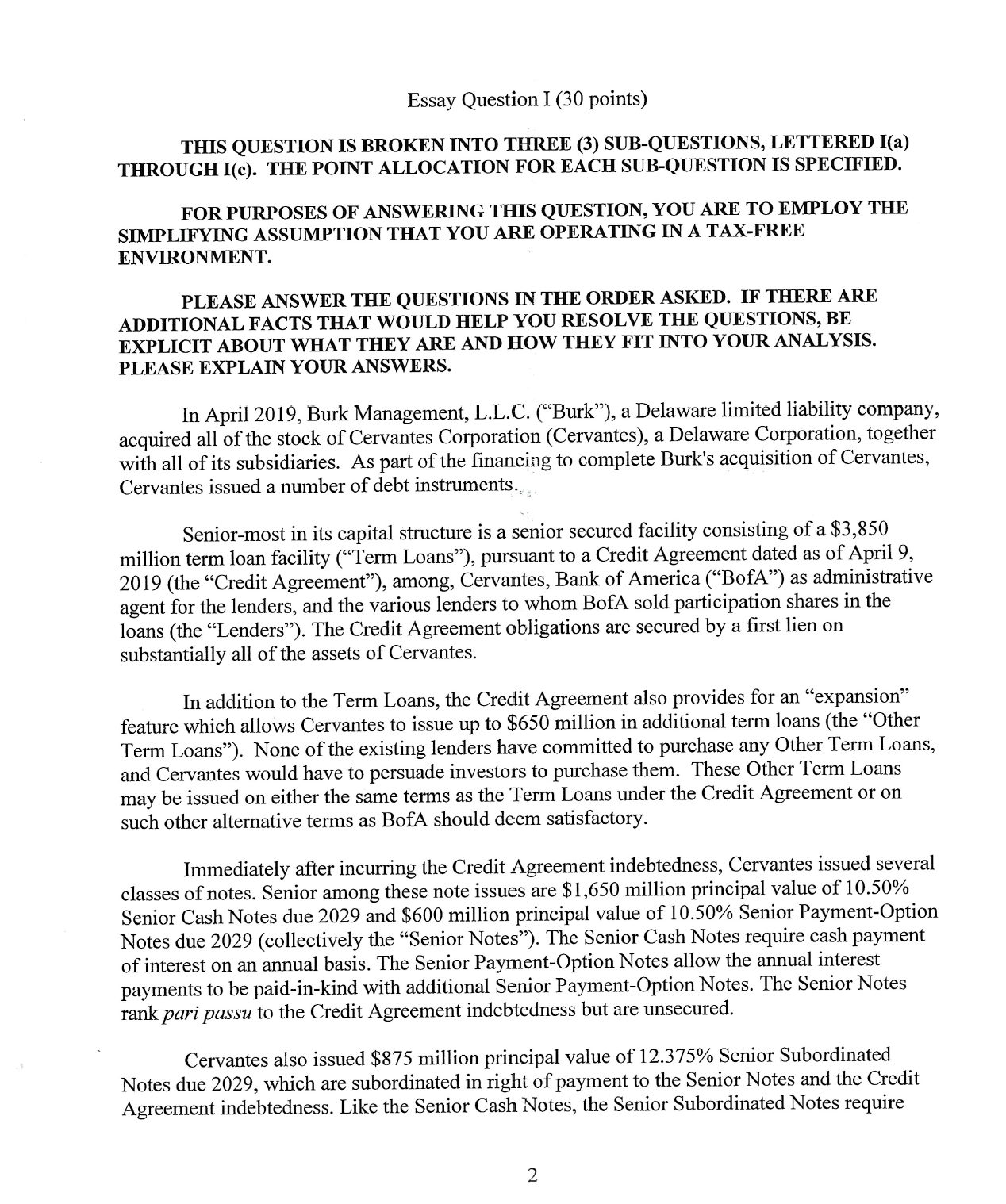
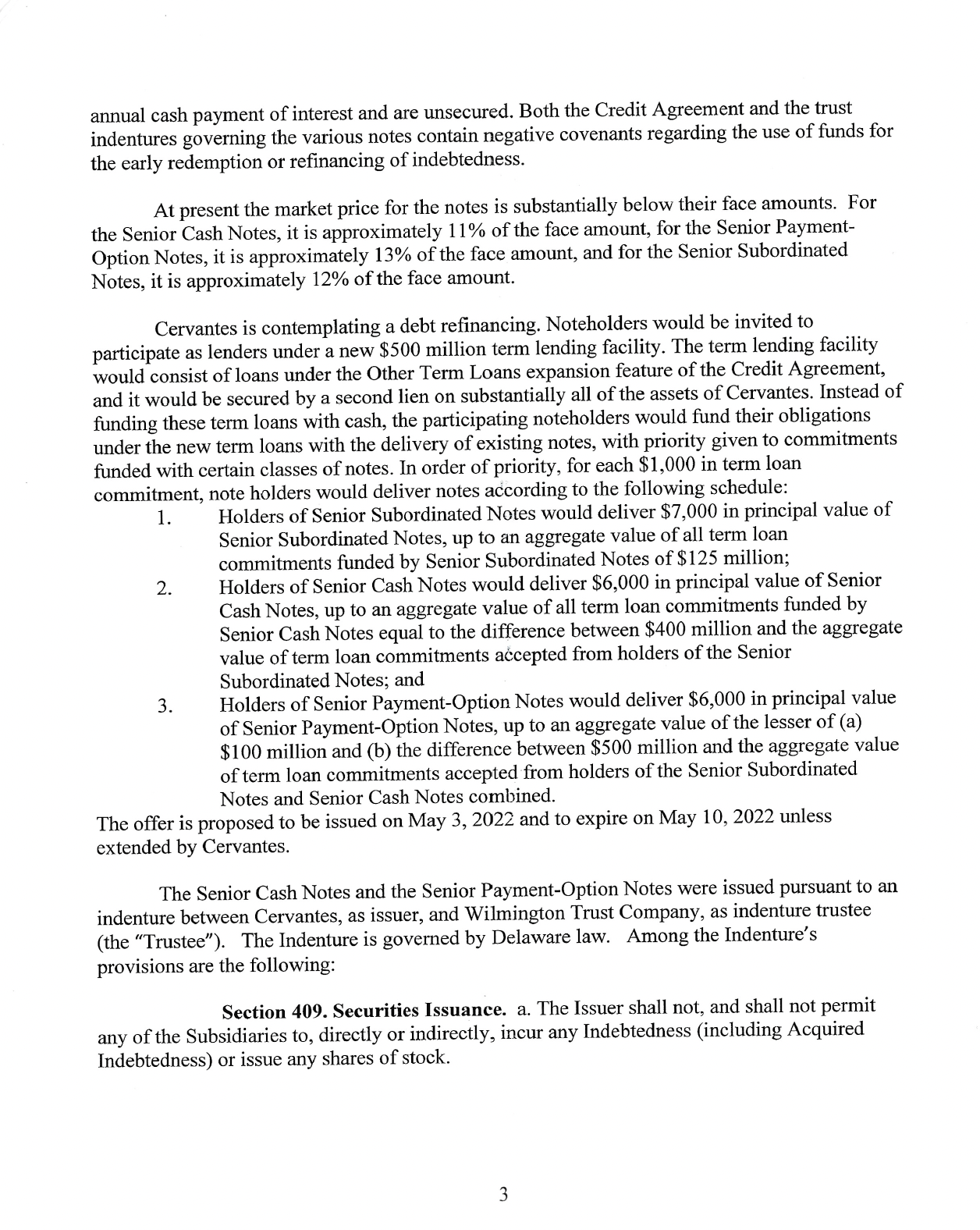
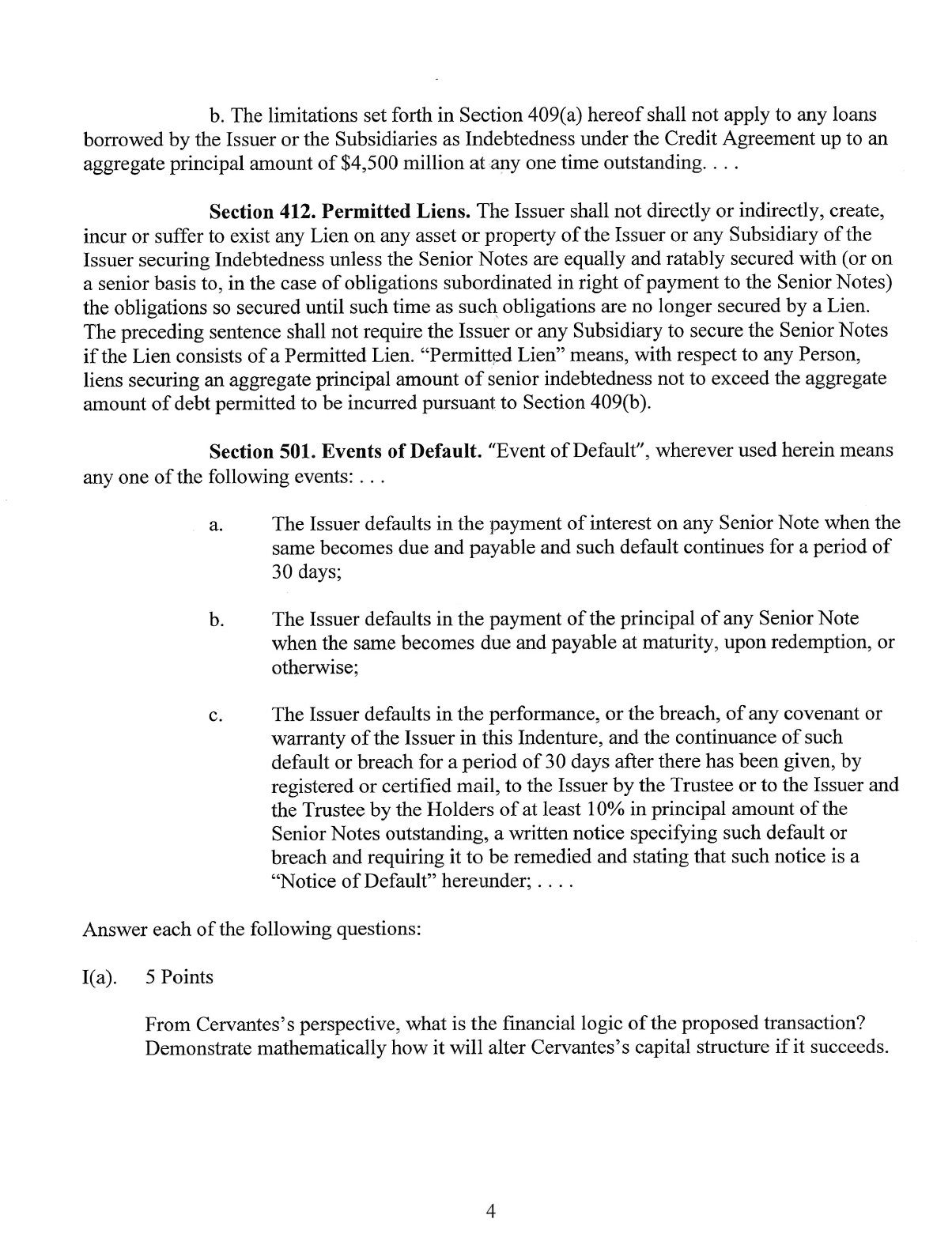
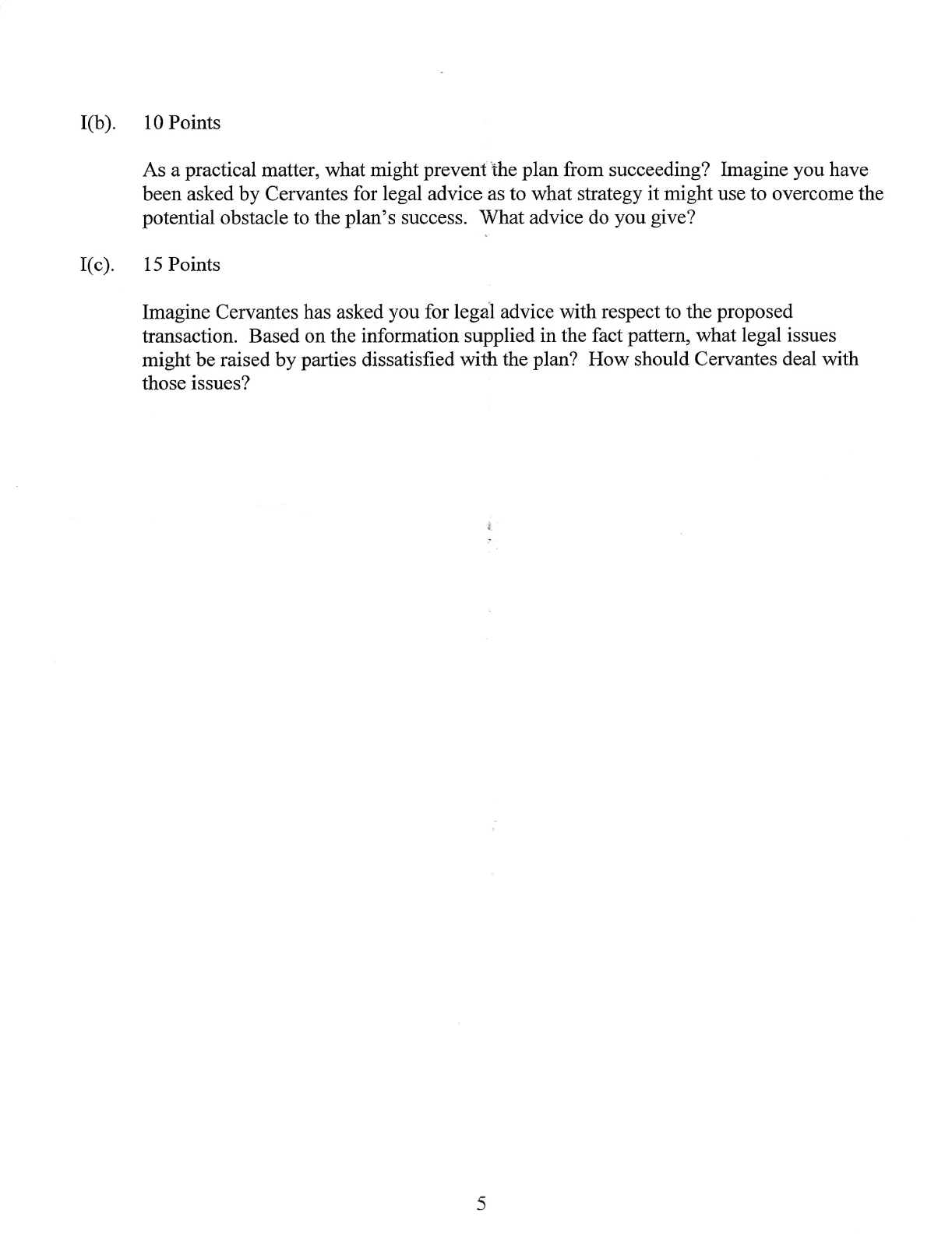
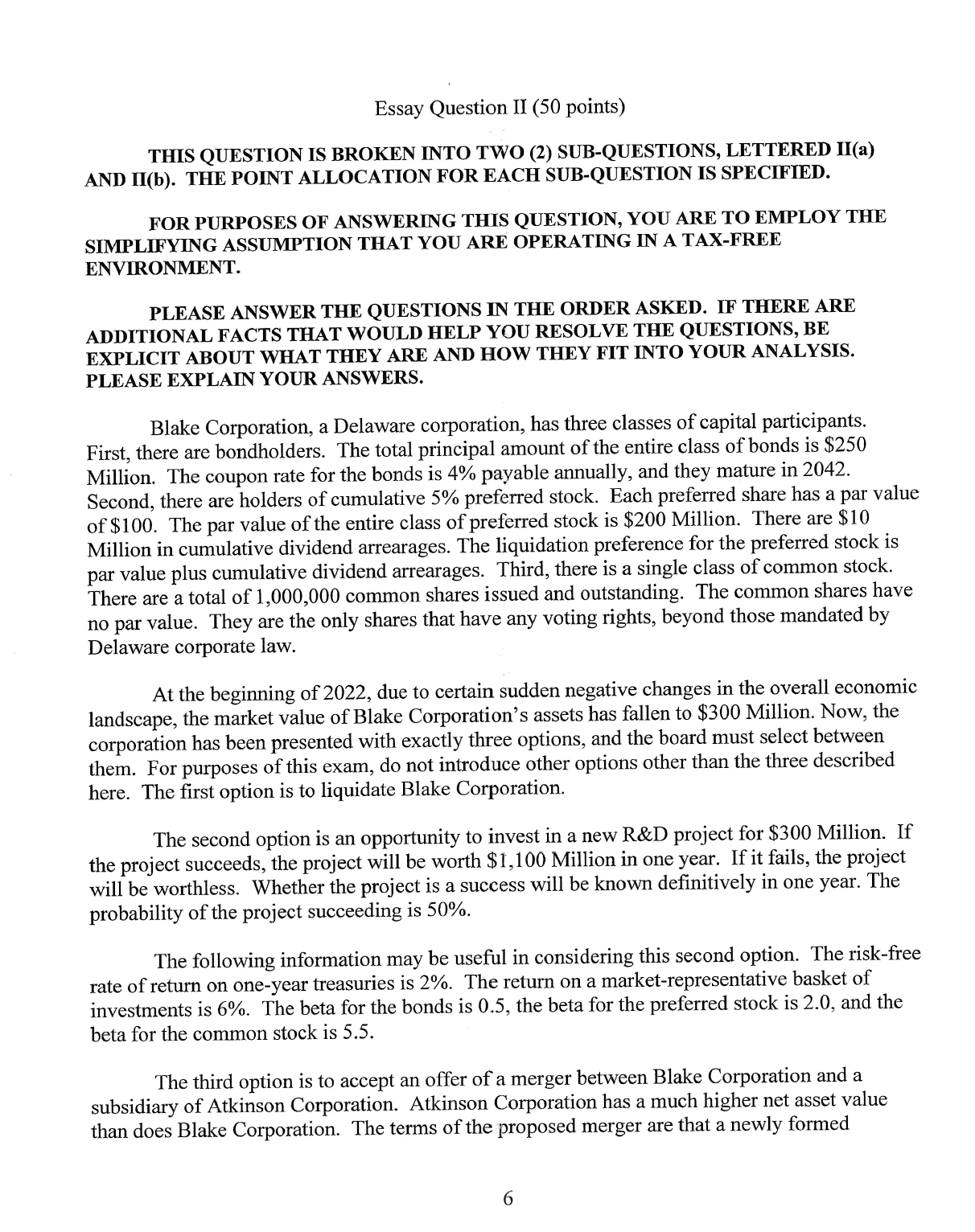
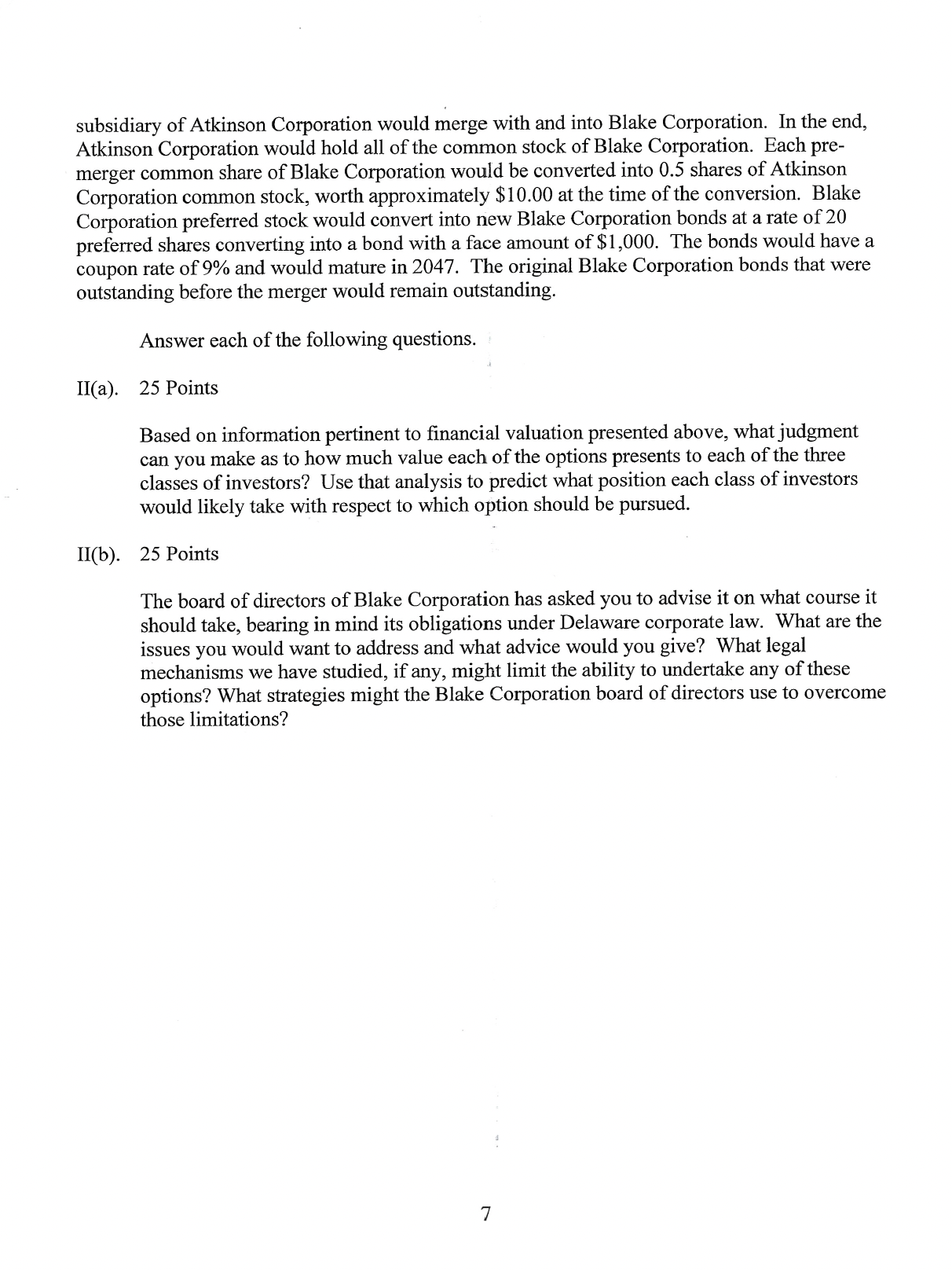
Essay Question I (30 points) TI-HS QUESTION IS BROKEN INTO THREE (3) SUB-QUESTIONS, LETTERED [(a) THROUGH I(c). THE POINT ALLOCATION FOR EACH SUB-QUESTION IS SPECIFIED. FOR PURPOSES OF ANSWERING THIS QUESTION, YOU ARE TO EMPLOY THE SIIVIPLIFYING ASSUNIPTION THAT YOU ARE OPERATING IN A TAXFREE ENVIRONIVIENT. PLEASE ANSWER THE QUESTIONS IN THE ORDER ASKED. IF THERE ARE ADDITIONAL FACTS THAT WOULD HELP YOU RESOLVE THE QUESTIONS, BE EXPLICIT ABOUT 'WHAT THEY ARE AND HOW THEY FIT INTO YOUR ANALYSIS. PLEASE EXPLAIN YOUR ANSWERS. In April 2019, Burk Management, L.L.C. (\"Burk\"), a Delaware limited liability company, acquired all of the stock of Cervantes Corporation (Cervantes), a Delaware Corporation, together with all of its subsidiaries. As part of the nancing to complete Burk's acquisition of Cervantes, Cervantes issued a number of debt instruments, Senior-most in its capital structure is a senior secured facility consisting of a $3,850 million term loan facility (\"Term Loans\"), pursuant to a Credit Agreement dated as of April 9, 2019 (the \"Credit Agreement\"), among, Cervantes, Bank of America (\"BofA\") as administrative agent for the lenders, and the various lenders to whom BofA sold participation shares in the loans (the \"Lenders\"). The Credit Agreement obligations are secured by a rst lien on substantially all of the assets of Cervantes. In addition to the Term Loans, the Credit Agreement also provides for an \"expansion\" feature which allows Cervantes to issue up to $650 million in additional term loans (the \"Other Term Loans\"). None of the existing lenders have committed to purchase any Other Term Loans, and Cervantes would have to persuade investors to purchase them. These Other Term Loans may be issued on either the same terms as the Term Loans under the Credit Agreement or on such other alternative terms as BofA should deem satisfactory. Immediately after incurring the Credit Agreement indebtedness, Cervantes issued several classes of notes. Senior amoug these note issues are $1,650 million principal value of 10.50% Senior Cash Notes due 2029 and $600 million principal value of 10.50% Senior Payment-Option Notes due 2029 (collectively the \"Senior Notes\"). The Senior Cash Notes require cash payment of interest on an annual basis. The Senior Payment-Option Notes allow the annual interest payments to be paid-in-kind with additional Senior PaymentOption Notes. The Senior Notes rankpari passu to the Credit Agreement indebtedness but are unsecured. Cervantes also issued $875 million principal value of 12.375% Senior Subordinated Notes due 2029, which are subordinated in right of payment to the Senior Notes and the Credit Agreement indebtedness. Like the Senior Cash Notes, the Senior Subordinated Notes require annual cash payment of interest and are unsecured. Both the Credit Agreement and the trust indentures governing the various notes contain negative covenants regarding the use of funds for the early redemption or renancing of indebtedness. At present the market price for the notes is substantially below their face amounts. For the Senior Cash Notes, it is approximately 11% of the face amount, for the Senior Payment- Option Notes, it is approximately 13% of the face amount, and for the Senior Subordinated Notes, it is approximately 12% of the face amount. Cervantes is contemplating a debt renancing. Notcholders would be invited to participate as lenders under a new $500 million term lending facility. The term lending facility would consist of loans under the Other Term Loans expansion feature of the Credit Agreement, and it would be secured by a second lien on substantially all of the assets of Cervantes. Instead of funding these term loans with cash, the participating noteholders would fund their obligations under the new term loans with the delivery of existing notes, with priority given to commitments funded with certain classes of notes. In order of priority, for each $1,000 in term loan commitment, note holders would deliver notes according to the following schedule: 1. Holders of Senior Subordinated Notes would deliver $7,000 in principal value of Senior Subordinated Notes, up to an aggregate value of all term loan commitments funded by Senior Subordinated Notes of $125 million; 2. Holders of Senior Cash Notes would deliver $6,000 in principal value of Senior Cash Notes, up to an aggregate value of all term loan commitments funded by Senior Cash Notes equal to the difference between $400 million and the aggregate value of term loan commitments accepted from holders of the Senior Subordinated Notes; and 3. Holders of Senior PaymentOption Notes would deliver $6,000 in principal value of Senior PaymentOption Notes, up to an aggregate value of the lesser of (a) $100 million and (b) the difference between $500 million and the aggregate value of term loan connnitments accepted from holders of the Senior Subordinated Notes and Senior Cash Notes combined. The offer is proposed to be issued on May 3, 2022 and to expire on May 10, 2022 unless extended by Cervantes. The Senior Cash Notes and the Senior Payment-Option Notes were issued pursuant to an indenture between Cervantes, as issuer, and Wilmington Trust Company, as indenture trustee (the \"Trustee\"). The Indenture is governed by Delaware law. Among the Indenture's provisions are the following: Section 409. Securities Issuance. a. The Issuer shall not, and shall not permit any of the Subsidiaries to, directly or indirectly, incur any Indebtedness (including Acquired Indebtedness) or issue any shares of stock. b. The limitations set forth in Section 409(a) hereof shall not apply to any loans borrowed by the Issuer or the Subsidiaries as Indebtedness under the Credit Agreement up to an aggregate principal amount of $4,500 million at any one time outstanding. . . . Section 412. Permitted Liens. The Issuer shall not directly or indirectly, create, incur or suffer to exist any Lien on any asset or property of the Issuer or any Subsidiary of the Issuer securing Indebtedness unless the Senior Notes are equally and ratably secured with (or on a senior basis to, in the case of obligations subordinated in right of payment to the Senior Notes) the obligations so secured until such time as such obligations are no longer secured by a Lien. The preceding sentence shall not require the Issuer or any Subsidiary to secure the Senior Notes if the Lien consists of a Permitted Lien. \"Permitted Lien\" means, with respect to any Person, liens securing an aggregate principal amount of senior indebtedness not to exceed the aggregate amount of debt permitted to be incurred pursuant to Section 409(b). Section 501. Events of Default. \"Event of Default", wherever used herein means any one of the following events: . . . a. The Issuer defaults in the payment of interest on any Senior Note when the same becomes due and payable and such default continues for a period of 30 days; b. The Issuer defaults in the payment of the principal of any Senior Note when the same becomes due and payable at maturity, upon redemption, or otherwise; 0. The Issuer defaults in the performance, or the breach, of any covenant or warranty of the Issuer in this Indenture, and the continuance of such default or breach for a period of 30 days after there has been given, by registered or certied mail, to the Issuer by the Trustee or to the Issuer and the Trustee by the Holders of at least 10% in principal amount of the Senior Notes outstanding, a written notice specifying such default or breach and requiring it to be remedied and stating that such notice is a \"Notice of Default\" hereunder; . Answer each of the following questions: 1(3). 5 Points From Cervantes's perspective, what is the nancial logic of the proposed transaction? Demonstrate mathematically how it will alter Cervantes's capital structure if it succeeds. Kb). 10 Points As a practical matter, what might prevent the plan from succeeding? Imagine you have been asked by Cervantes for legal advice as to what strategy it might use to overcome the potential obstacle to the plan's success. What advice do you give? 1(0). 15 Points Imagine Cervantes has asked you for legal advice with respect to the proposed transaction. Based on the information supplied in the fact pattern, what legal issues might be raised by parties dissatised with the plan? How should Cervantes deal with those issues? Essay Question II (50 points) THIS QUESTION IS BROKEN INTO TWO (2) SUB-QUESTIONS, LETTERED II(a) AND Il(b). THE POINT ALLOCATION FOR EACH SUB-QUESTION IS SPECIFIED. FOR PURPOSES OF ANSWERING THIS QUESTION, YOU ARE TO ENIPLOY THE SINIPLIFYING ASSUWTION THAT YOU ARE OPERATING IN A TAX-FREE ENVIRONMENT. PLEASE ANSWER THE QUESTIONS IN THE ORDER ASKED. l]? THERE ARE ADDITIONAL FACTS THAT WOULD HELP YOU RESOLVE THE QUESTIONS, BE EXPLICIT ABOUT WHAT THEY ARE AND HOW THEY FIT INTO YOUR ANALYSIS. PLEASE EXPLAIN YOUR ANSWERS. Blake Corporation, a Delaware corporation, has three classes of capital participants. First, there are bondholders. The total principal amount of the entire class of bonds is $250 Million. The coupon rate for the bonds is 4% payable annually, and they mature in 2042. Second, there are holders of cumulative 5% preferred stock. Each preferred share has a par value of $100. The par value of the entire class of preferred stock is $200 Million. There are $10 Million in cumulative dividend arrearages. The liquidation preference for the preferred stock is par value plus cumulative dividend arrearages. Third, there is a single class of common stock. There are a total of 1,000,000 common shares issued and outstanding. The common shares have no par value. They are the only shares that have any voting rights, beyond those mandated by Delaware corporate law. At the beginning of 2022, due to certain sudden negative changes in the overall economic landscape, the market value of Blake Corporation's assets has fallen to $300 Million. Now, the corporation has been presented with exactly three options, and the board must select between them. For purposes of this exam, do not introduce other options other than the three described here. The rst option is to liquidate Blake Corporation. The second option is an opportunity to invest in a new R&D project for $300 Million. If the project succeeds, the project will be worth $1,100 Million in one year. If it fails, the project will be worthless. Whether the project is a success will be known denitively in one year. The probability of the project succeeding is 50%. The following information may be useil in considering this second option. The riskfree rate of return on one-year treasun'es is 2%. The return on a market-representative basket of investments is 6%. The beta for the bonds is 0.5, the beta for the preferred stock is 2.0, and the beta for the common stock is 5.5. The third option is to accept an offer of a merger between Blake Corporation and a subsidiary of Atkinson Corporation. Atkinson Corporation has a much higher net asset value than does Blake Corporation. The terms of the proposed merger are that a newly formed subsidiary of Atkinson Corporation would merge with and into Blake Corporation. In the end, Atkinson Corporation would hold all of the common stock of Blake Corporation. Each pre- merger common share of Blake Corporation would be converted into 0.5 shares of Atkinson Corporation common stock, worth approximately $10.00 at the time of the conversion. Blake Corporation preferred stock would convert into new Blake Corporation bonds at a rate of 20 preferred shares converting into a bond with a face amount of $1,000. The bonds would have a coupon rate of 9% and would mature in 2047. The original Blake Corporation bonds that were outstanding before the merger would remain outstanding. H(a). 11(1)). Answer each of the following questions. 25 Points Based on information pertinent to nancial valuation presented above, what judgment can you make as to how much value each of the options presents to each of the three classes of investors? Use that analysis to predict what position each class of investors would likely take with respect to which option should be pursued. 25 Points The board of directors of Blake Corporation has asked you to advise it on what course it should take, bearing in mind its obligations under Delaware corporate law. What are the issues you would want to address and what advice would you give? What legal mechanisms we have studied, if any, might limit the ability to undertake any of these options? What strategies might the Blake Corporation board of directors use to overcome those limitations
Step by Step Solution
There are 3 Steps involved in it
1 Expert Approved Answer
Step: 1 Unlock
Question Has Been Solved by an Expert!
Get step-by-step solutions from verified subject matter experts
Step: 2 Unlock
Step: 3 Unlock
Students Have Also Explored These Related Accounting Questions!