







Question: Exercise 1. C Programming Exercise 3 Exercise 5 Exercise 7 a has the wrong type. When used as an argument, it's a find_largest is expecting
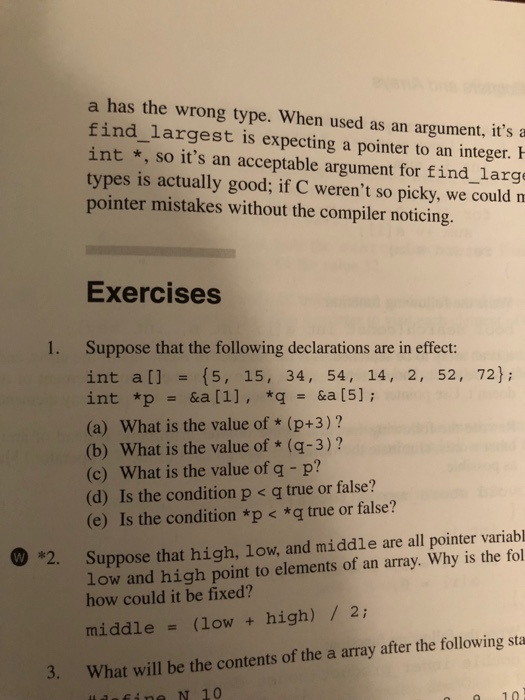
Exercise 1. C Programming
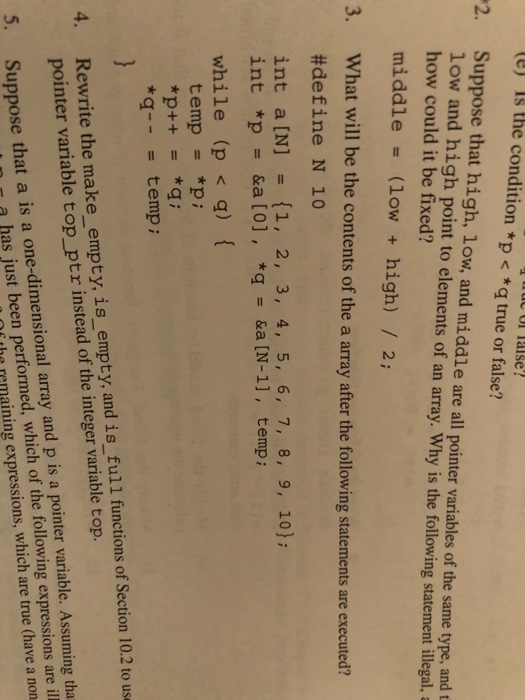
Exercise 3
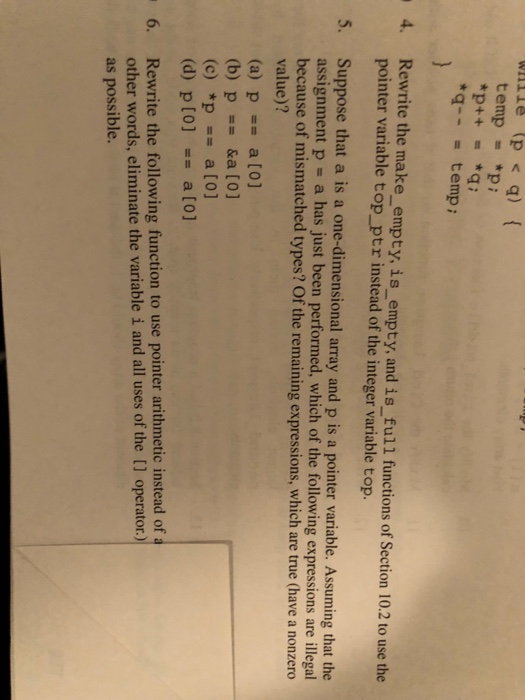
Exercise 5
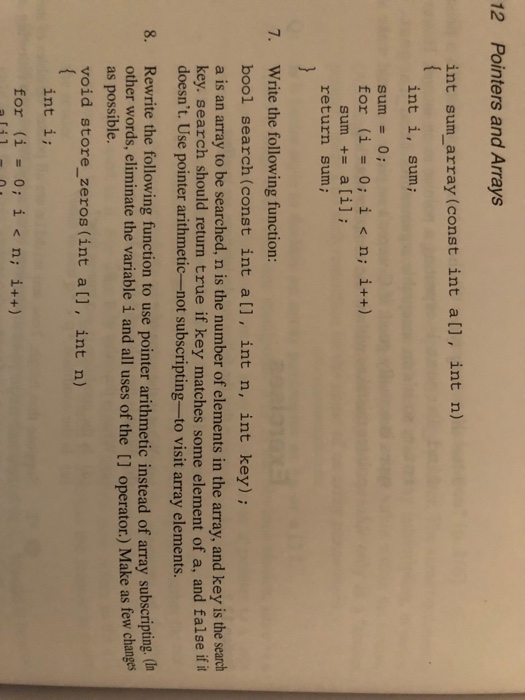
Exercise 7
a has the wrong type. When used as an argument, it's a find_largest is expecting a pointer to an integer. int *, so it's an acceptable argument for find_large types is actually good; if C weren't so picky, we could m pointer mistakes without the compiler noticing Exercises 1. Suppose that the following declarations are in effect: a[] = {5, 15, 34, 54, 14, *p = &a [1], *q = &a[5]; 2, 52, 72); int int (a) What is the value of * (p+3)? (b) What is the value of (q-3)? (c) What is the value of q - p? (d) Is the condition p
Step by Step Solution
There are 3 Steps involved in it
1 Expert Approved Answer
Step: 1 Unlock

Question Has Been Solved by an Expert!
Get step-by-step solutions from verified subject matter experts
Step: 2 Unlock
Step: 3 Unlock
 Study Help